
Last updated September 22, 2026
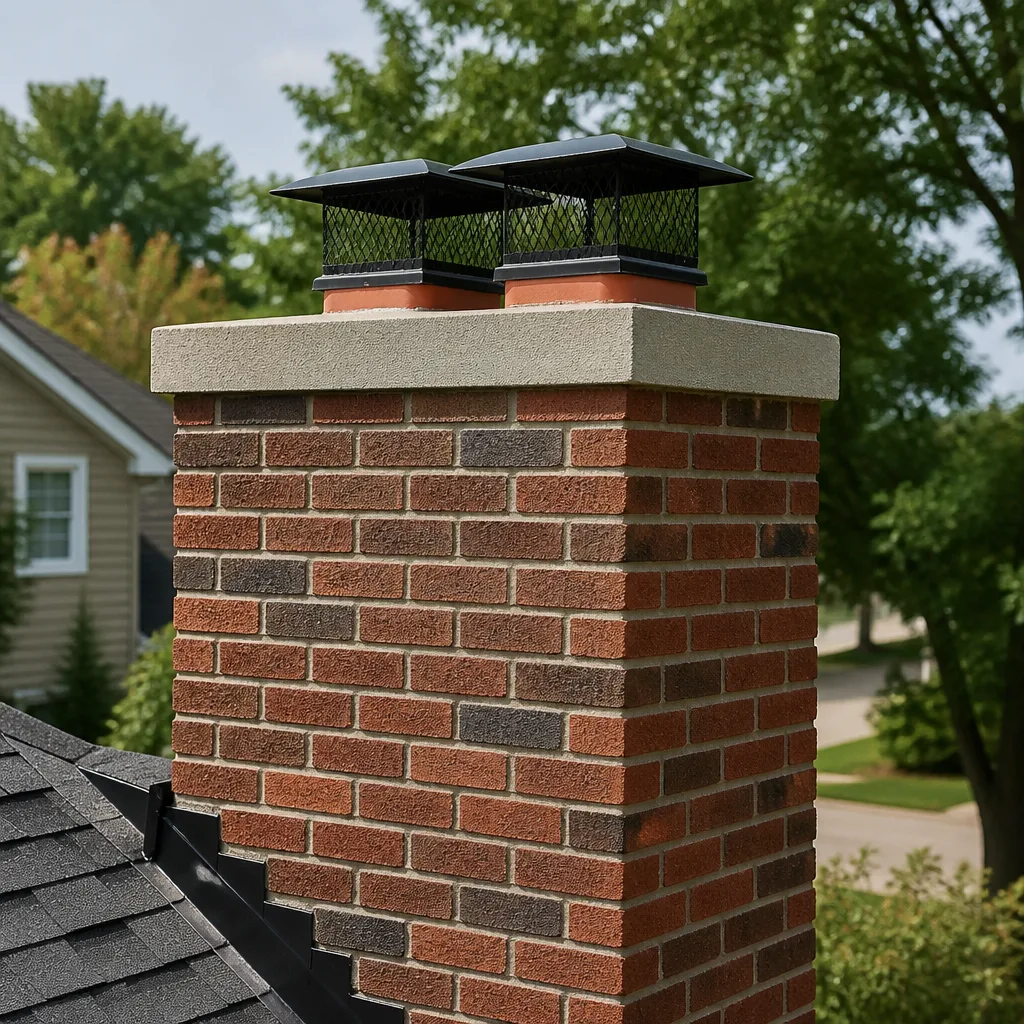
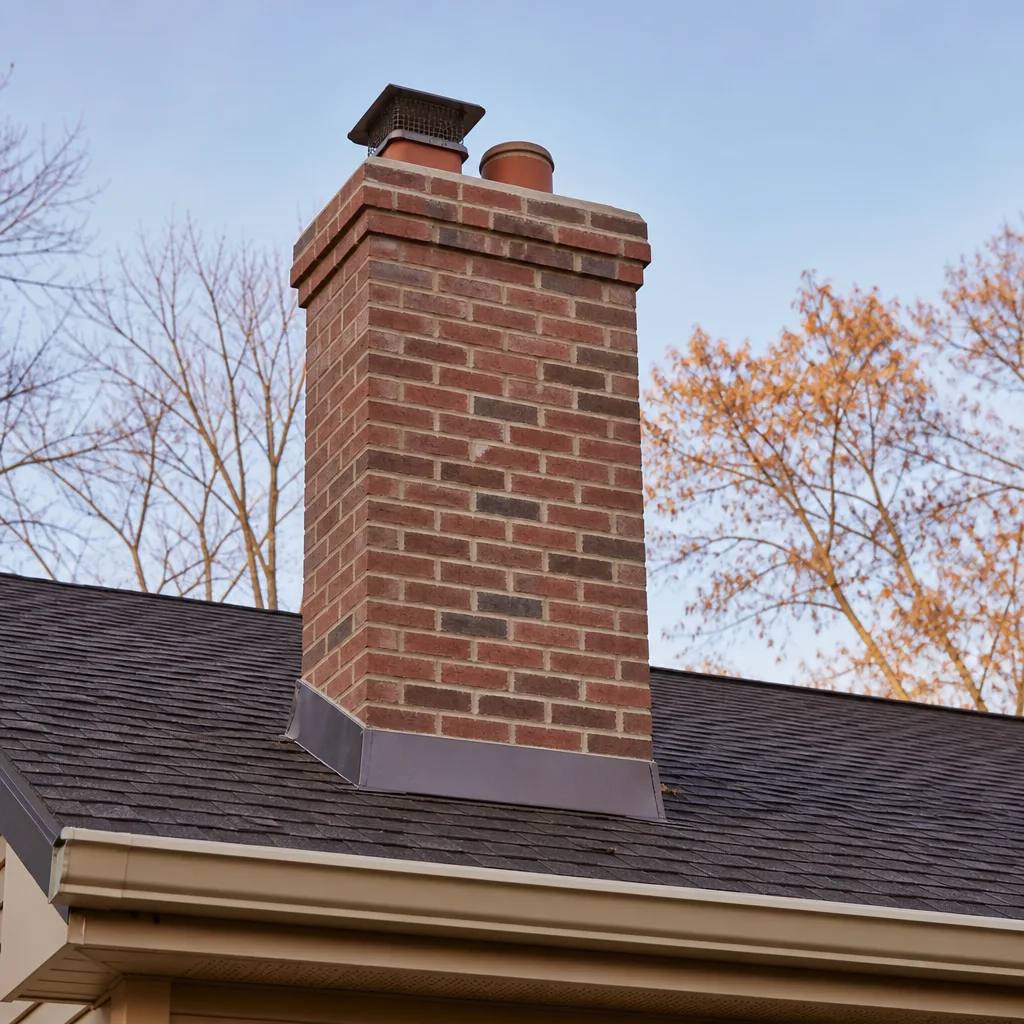
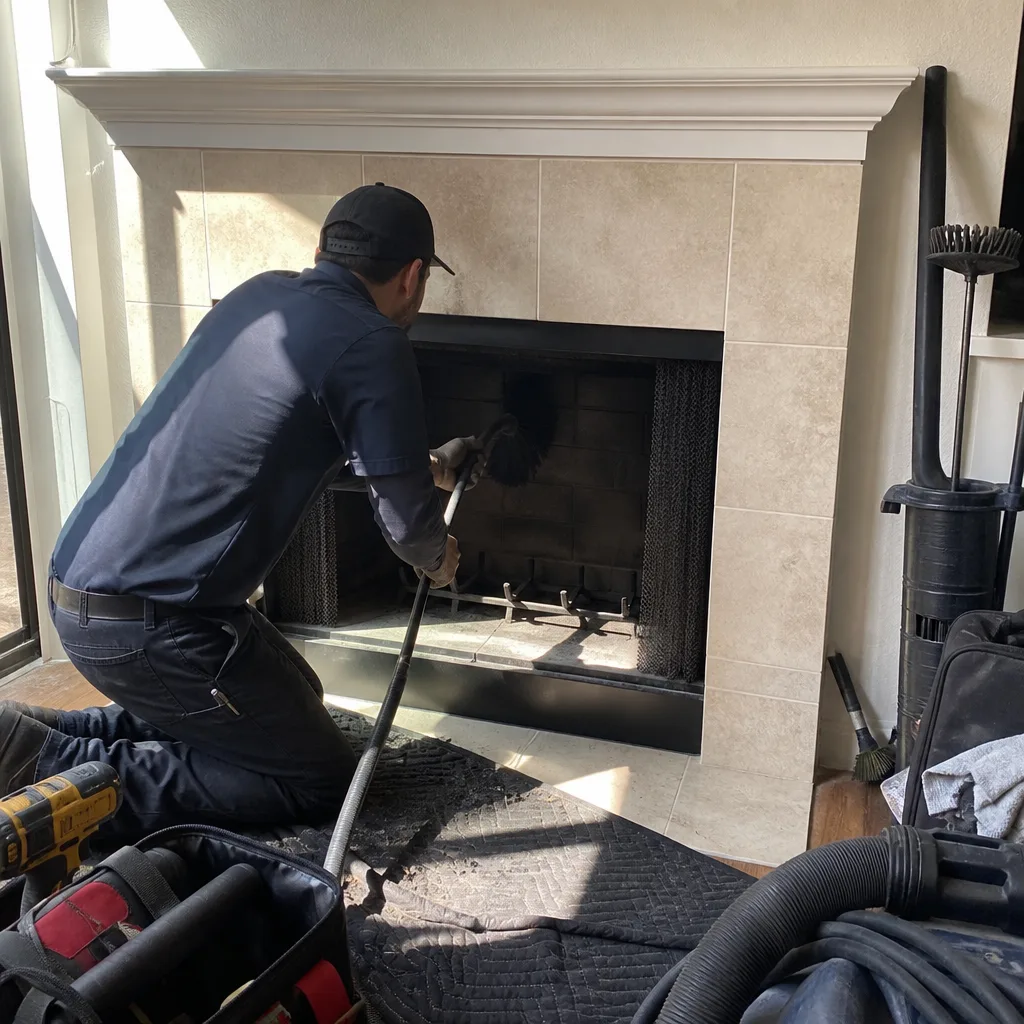
Level 1 sweep and inspection to the NFPA 211 annual standard - flue, crown, cap, and flashing checked and photographed
Chimney sweep logs do not sweep chimneys. They loosen some creosote - which then falls where a brush and vacuum still have to collect it.
Flue relining
 Before
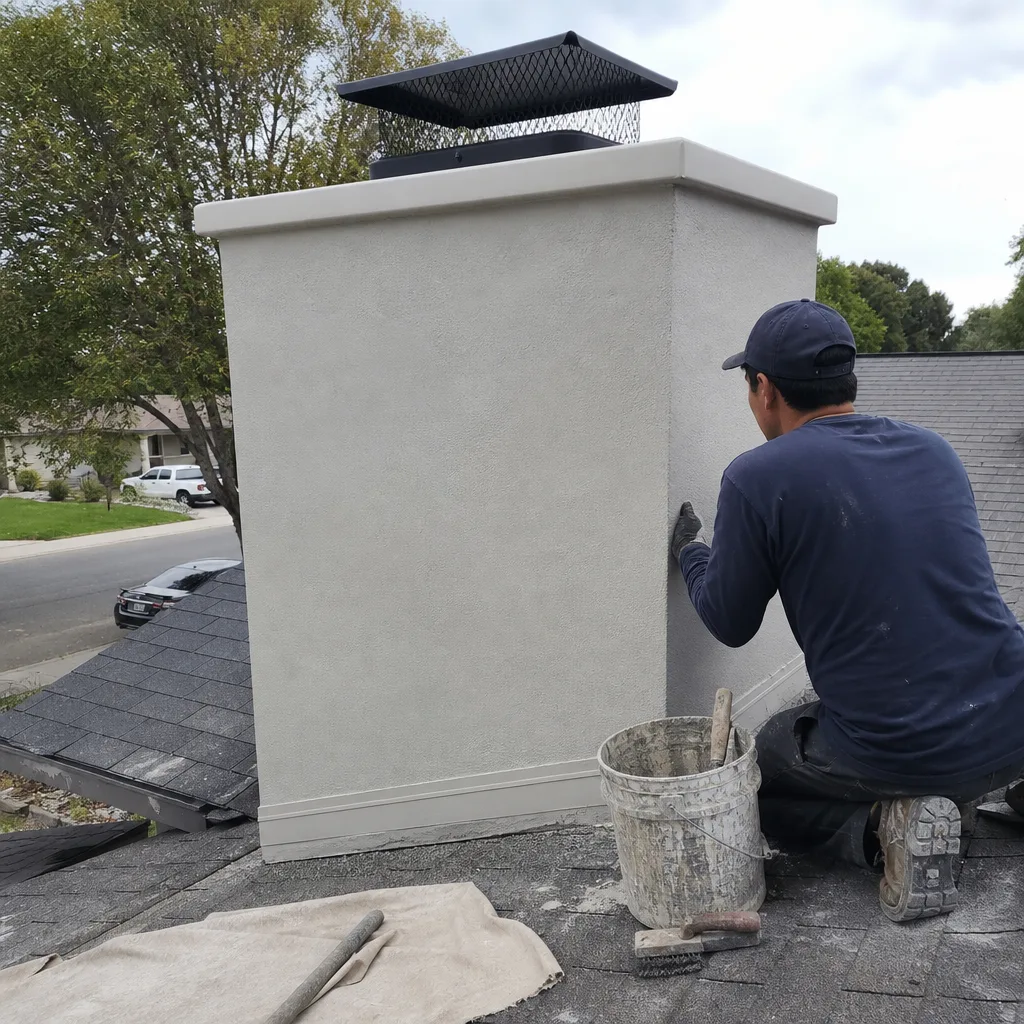 After
After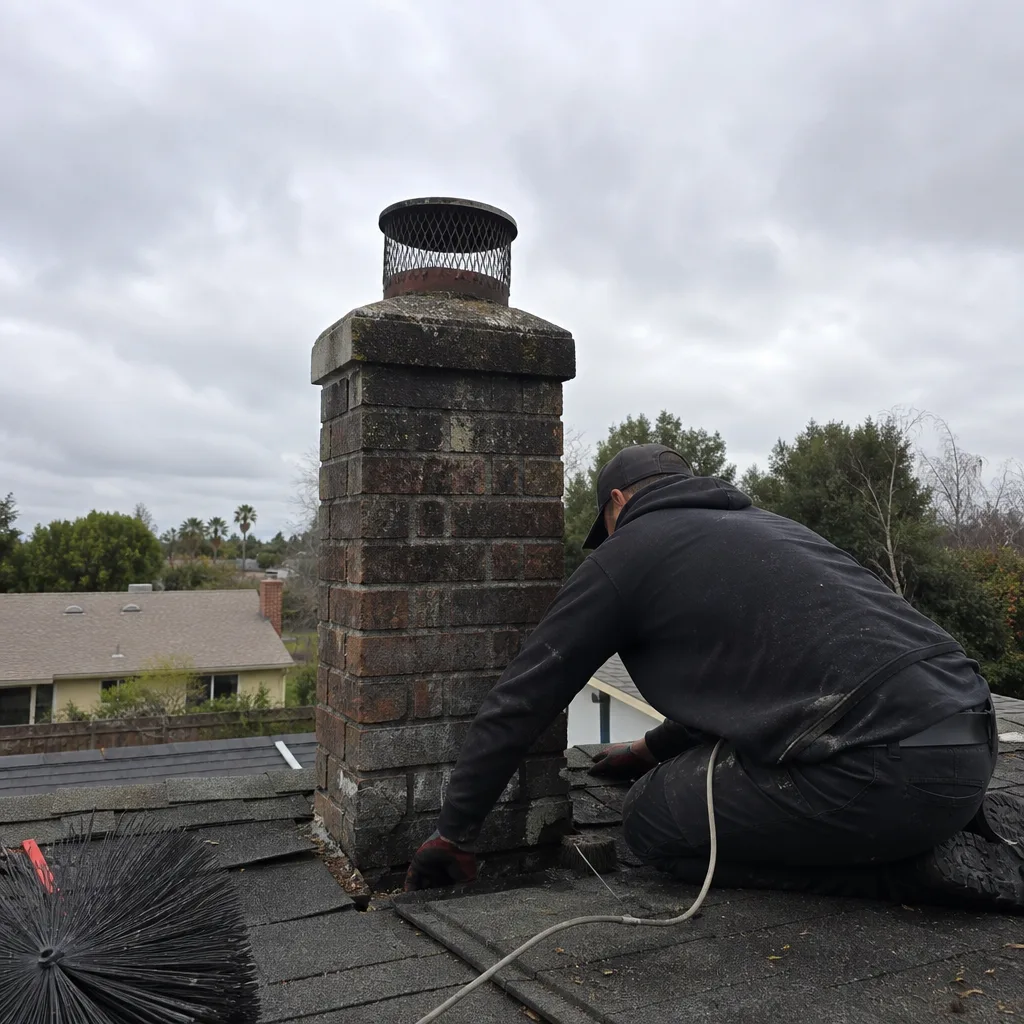 Before
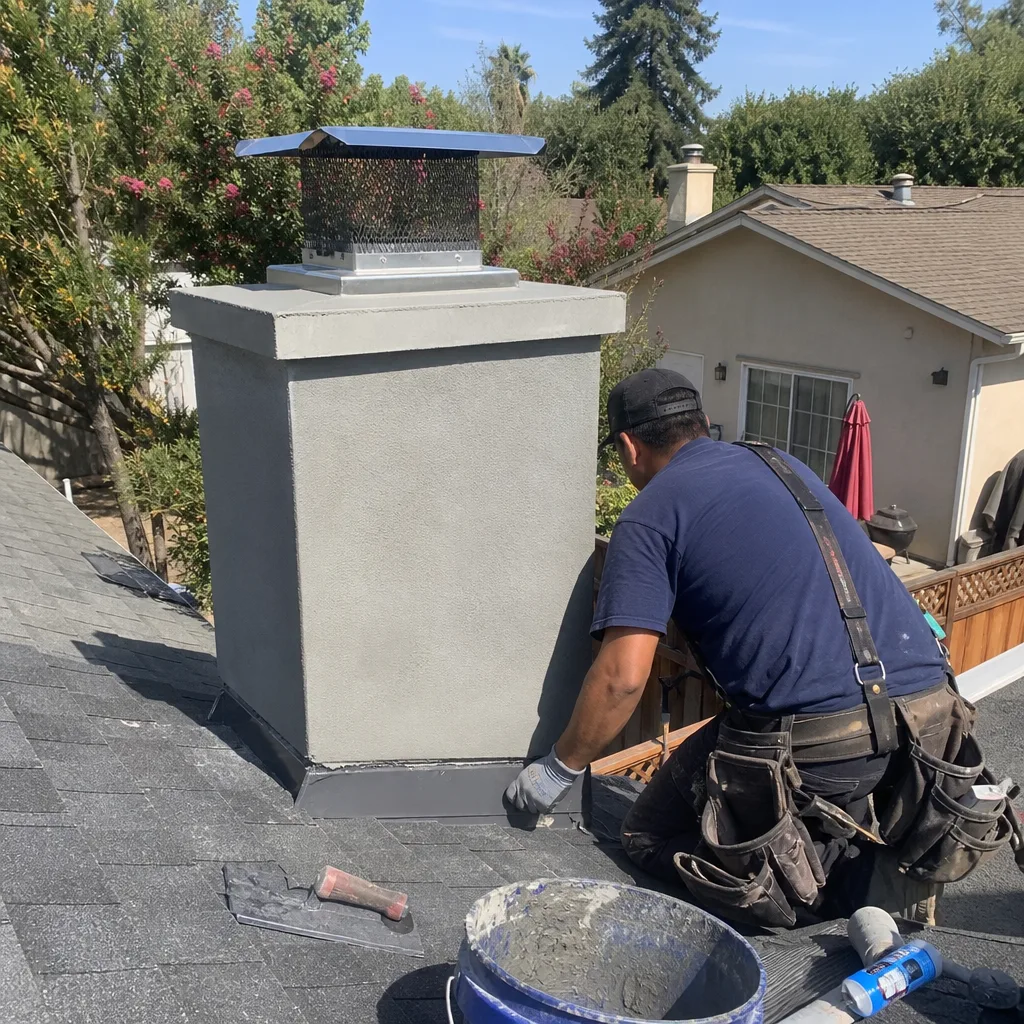 After
After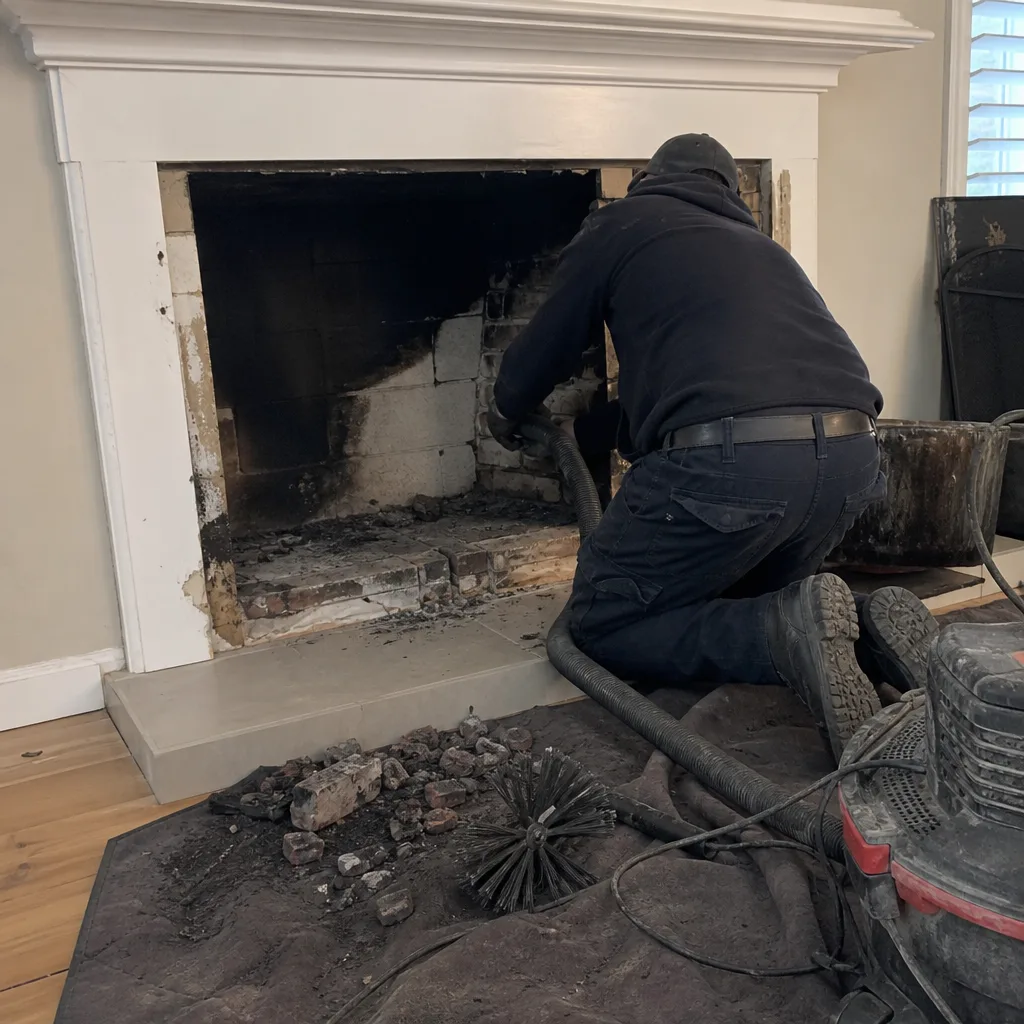 Before
 After
AfterChimney Cleaning Warning Signs: A San Jose Homeowner’s Reference Guide
Most San Jose homeowners notice their chimney problems too late, when water has already compromised the flue liner or creosote has hardened into glazed deposits that no brush can remove. The irony is that chimneys announce trouble early, but they do it in a language most people haven’t learned to read. A white stain on your firebox wall isn’t cosmetic - it’s efflorescence, and it tells you water is moving through your masonry from a specific direction that a camera scan can locate in 20 minutes. This guide translates what your chimney is showing you into actionable next steps, with each sign mapped to its probable cause and the exact type of professional assessment it warrants. For a deeper dive, see our Complete Guide to Chimney Cleaning in San Jose.
Quick Answer
Chimney warning signs fall into four categories: exterior masonry damage (spalling, staining, crown cracks), interior performance problems (draft reversal, smoke rollout, weak fires), odor indicators (creosote smell in summer, campfire odor without a fire), and debris evidence (shaling tiles, animal nesting, soot fallout). Most San Jose homes built between 1950 and 1990 with original clay flue liners show at least two of these by year fifteen. A Level 2 camera inspection confirms which signs indicate safe continued use versus immediate shutdown.
Table of Contents
- Exterior Warning Signs: Reading Your Masonry
- Interior Performance Problems: When the System Fails
- Odor Indicators: What Your Nose Detects
- Debris Evidence: Physical Clues Inside the Firebox
- Go/No-Go Decision Tree: Safe Use vs. Immediate Shutdown
- How to Document What You See Before the Sweep Arrives
- What Inspection and Repair Costs in San Jose
- Common Mistakes to Avoid
- When to Call a Professional
- Frequently Asked Questions
 Before
 After
AfterExterior Warning Signs: Reading Your Masonry
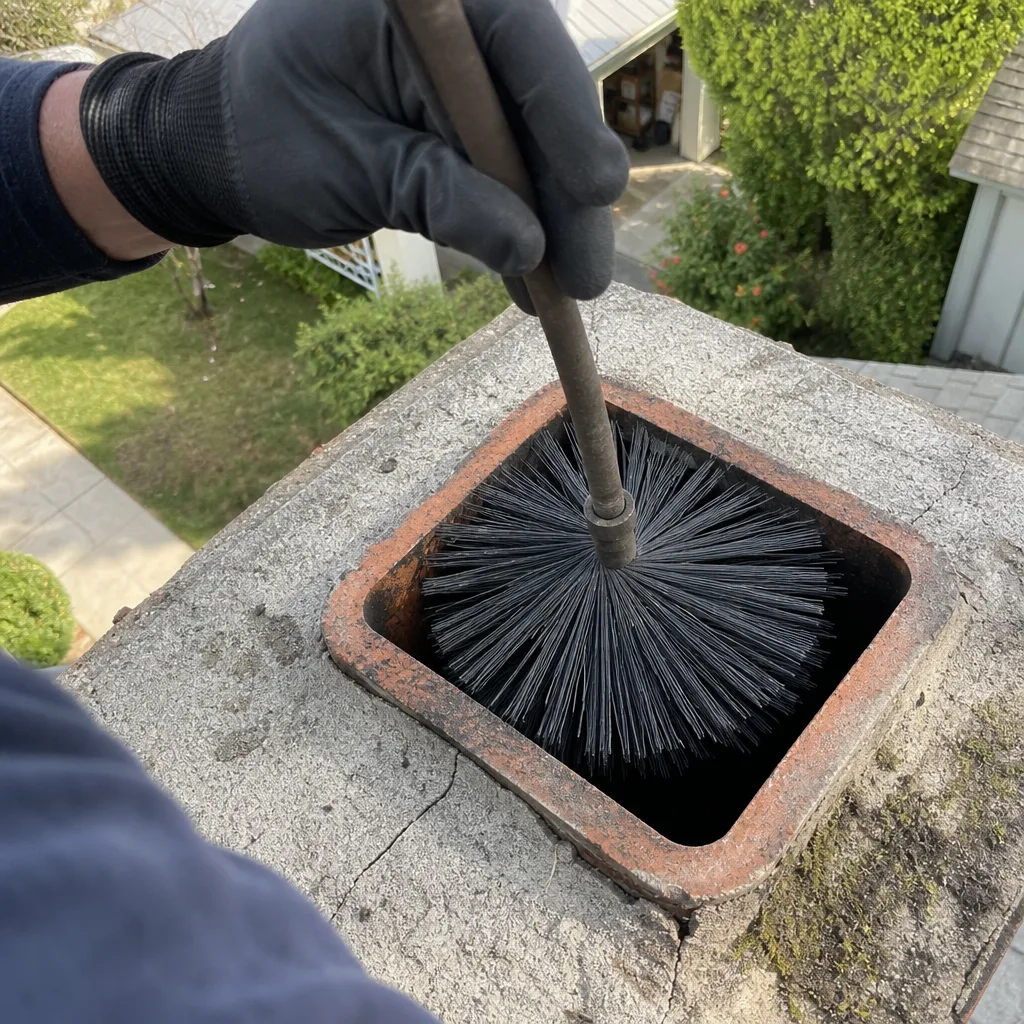
San Jose’s climate creates specific masonry stress patterns that differ from colder regions. Our wet winters followed by dry, warm summers produce thermal cycling that accelerates crown deterioration, while the lack of hard freezes can mask freeze-thaw damage that still occurs during occasional cold snaps in Almaden Valley and the foothills.
Spalling Brick (Surface Flaking and Popping)
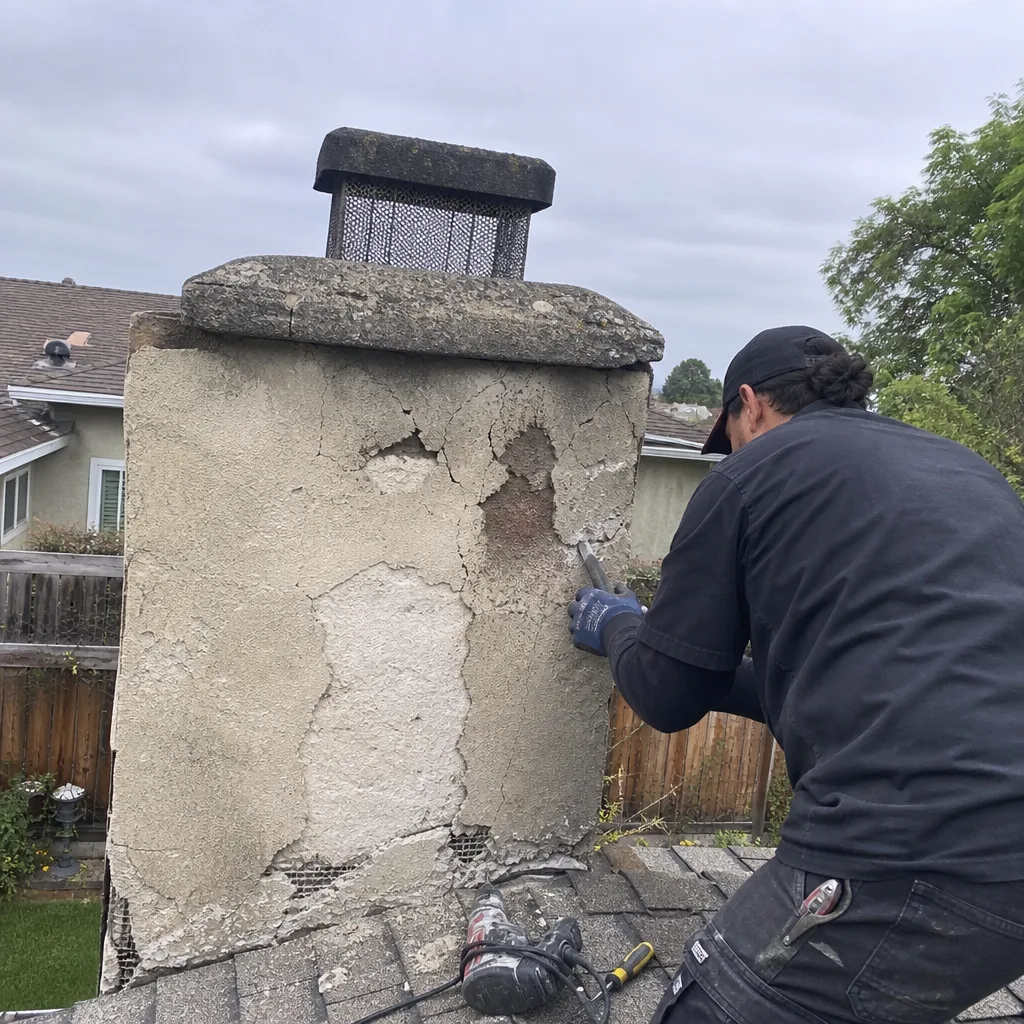
Spalling is when brick faces flake off in curved, shell-like pieces. In San Jose, we see this most often on south- and west-facing chimney exteriors where daily thermal expansion is greatest. The probable cause is moisture intrusion combined with temperature swing: water enters micro-cracks, expands when heated, and levered off brick faces over cycles.
What it means structurally: The outer wythe (layer) of your chimney is compromised. This rarely threatens immediate collapse but exposes the inner structure to accelerated water damage. In Willow Glen and the Rose Garden, where many homes have 1920s-1940s soft brick, spalling often indicates the chimney has never been properly sealed.
Assessment warranted: Level 2 camera inspection to check if water has reached the flue liner. Spalling alone doesn’t require shutdown, but it does require crown and flashing evaluation within the same season.
White Staining (Efflorescence)
That chalky white deposit on your firebox wall or exterior masonry is salt crystallization, not paint failure. It forms when water dissolves mineral salts inside the masonry and deposits them at the evaporation surface. The critical detail: efflorescence tells you water is moving through the masonry from a specific direction.
In our San Jose inspections, we trace efflorescence patterns to three common sources:
- Top-down: Crown cracks or missing mortar allowing water directly into the flue - efflorescence appears on interior firebox walls, often in a vertical line below the flue opening
- Side-in: Failed flashing where the chimney meets the roof - efflorescence on the exterior above the roofline, typically on the downhill side
- Bottom-up: Ground moisture wicking through the foundation in homes with chimneys built on exterior walls below grade - rare in San Jose but seen in older Naglee Park basements
Assessment warranted: Water source identification with moisture meter and camera scan. The direction of water travel determines whether you’re looking at crown repair, flashing replacement, or foundation waterproofing.
Crown Cracking
The concrete cap at your chimney top isn’t decorative - it’s a structural umbrella. Cracks here fall into two patterns: radial cracking from center (thermal cycling and inadequate reinforcement) and edge spalling from the drip edge inward (differential settling, common in the clay soils of East San Jose and Evergreen).
What we look for during inspection: Hairline cracks under 1/16 inch can be sealed with CrownCoat or similar flexible sealant. Cracks wider than 1/8 inch, or any crack that has opened enough to admit a fingernail, indicate the crown is moving independently from the chimney structure and needs rebuild or pour-over depending on soundness of the base.
San Jose-specific note: The 2019 California Building Code updates for seismic zone D (which includes all of Santa Clara County) require specific reinforcement for new chimney crowns. Existing crowns aren’t grandfathered out of maintenance obligation - an unreinforced crown that fails inspection can trigger requirements for full compliance on rebuild.
Interior Performance Problems: When the System Fails
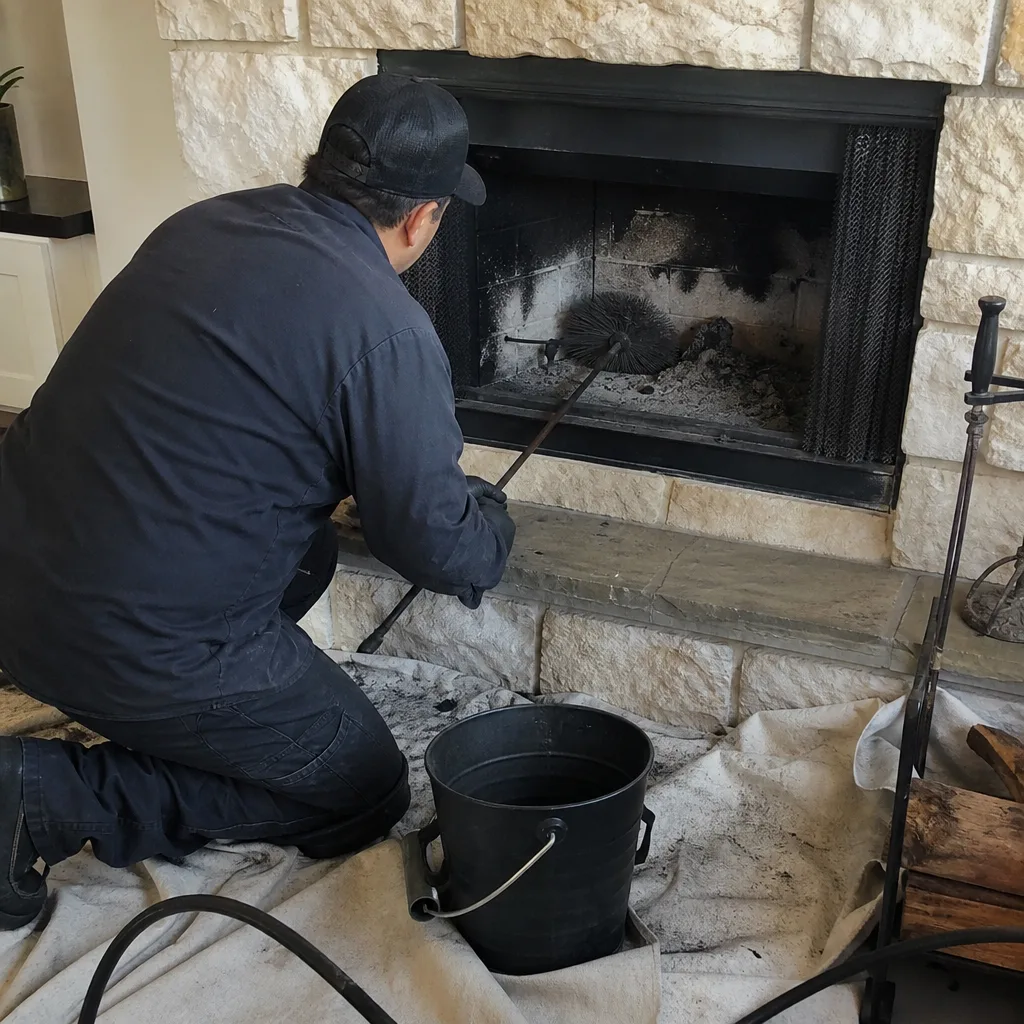
Performance symptoms are where most homeowners first realize something is wrong. The critical distinction: draft problems, smoke rollout, and weak fires each point to different structural failures, and treating the wrong cause wastes money and extends risk.
Draft Reversal (Smoke Draws Toward the Room)
A properly functioning chimney creates negative pressure that draws combustion gases upward. When smoke or flame pattern shows hesitation at the firebox opening, or when lighting the fire produces a puff of smoke into the room before establishing upward draw, you have draft reversal.
Probable causes, ranked by frequency in our San Jose inspections:
- Cold flue syndrome: The chimney mass is colder than the outdoor air, common in unlined exterior chimneys on north walls during our mild but damp winters. The air column is denser than outside air and resists establishing upward flow.
- Blockage: Bird nests, collapsed liner sections, or severe creosote buildup creating a partial obstruction. We removed a complete barn owl nest from a Cambrian Park chimney in March 2024 - the homeowners had noticed weakening draft for six weeks.
- Negative pressure competition: Modern airtight homes with range hoods, bathroom fans, and whole-house ventilation systems that overpower the chimney’s natural draft. Increasingly common in new construction in West San Jose and communications hill.
- Improper flue sizing: A liner or flue too large for the appliance, causing the smoke to cool and lose buoyancy before exiting. Common when original fireplaces are retrofit with inserts without proper liner downsizing.
Assessment warranted: Draft testing with manometer, smoke pellet trace, and camera inspection to rule out blockage. Do not operate the fireplace until blockage is excluded - this is a no-go scenario pending inspection.
Smoke Rollout (Smoke Enters Room During Operation)
Unlike draft reversal, which occurs at startup, smoke rollout happens while the fire is burning. This is more dangerous because it indicates active combustion gases entering your living space, including carbon monoxide.
Probable causes:
- Smoke chamber defects: The smoke chamber is the inverted funnel above the firebox that funnels smoke into the flue. Corbelled brick or parged surfaces that have deteriorated create turbulence that rolls smoke forward. A camera inspection from below reveals this; a flashlight look from the firebox does not.
- Blocked or partially collapsed flue liner: Tile liner sections that have shifted or spalled create ledges that catch smoke. We’ve documented this in at least a dozen San Jose homes built during the 1960s-1970s construction boom, when rapid building sometimes meant skipped liner joints.
- Chimney too short for current roof configuration: Additions, raised roof sections, or mature trees can create downdraft conditions that weren’t present when the chimney was built.
Immediate action: Extinguish the fire and do not use the fireplace until inspected. Smoke rollout is a no-go condition.
Fire That Burns Reluctantly or “Lazy”
A fire that seems to struggle, with flames that hug the grate and don’t dance, indicates inadequate oxygen supply or flue restriction. In San Jose’s older homes with original masonry fireplaces, this often means the flue has narrowed from creosote buildup or the firebox dimensions are mismatched to modern fuel (seasoned hardwood burns differently than the unseasoned softwood these fireplaces were designed for). Need help choosing? Read How to Hire a Chimney Cleaning Contractor in San Jose.
Assessment warranted: Creosote classification (Class I flaky, Class II tar-like, Class III glazed) via camera inspection. Class III glazed creosote requires chemical treatment before mechanical removal - attempting to brush it risks liner damage.
Odor Indicators: What Your Nose Detects
Smell-based indicators are the most frequently dismissed warning signs because they don’t produce visible damage. But odors reveal active chemical and pressure dynamics that camera inspection can confirm.
Creosote Odor in Summer
That sharp, asphalt-like smell from your fireplace in July isn’t leftover winter residue. It indicates your flue liner has staging - deposits that concentrate in specific zones rather than distributing evenly. When summer heat creates positive pressure in your attic and upper stories, air moves downward through the chimney, volatilizing these concentrated deposits.
In San Jose’s climate, this pattern is pronounced because our summer temperature inversions create stronger stack effect reversal than coastal areas. The odor is strongest in homes with two-story great rooms or cathedral ceilings, common in Almaden Valley and Silver Creek construction from the 1980s-1990s.
What it means: Staging indicates the liner has irregular surfaces - damaged tiles, offset joints, or corrosion in metal liners - that catch deposits. Even if the total creosote volume is below cleaning threshold, the concentration creates both odor and localized fire risk.
Assessment warranted: Camera scan to locate staging zones and evaluate liner integrity. Cleaning alone without liner evaluation means the odor will return.
Campfire Smell Without a Fire
Wood smoke odor when no fire has been lit indicates backdraft pathways - air moving the wrong direction through your chimney system. This differs from creosote odor: it’s drier, more immediate, and often strongest during weather changes.
Probable causes in San Jose homes:
- Missing or damaged chimney cap: Allows wind-driven down drafts to push outdoor air (and neighborhood smoke) directly into the flue. We replace dozens of rusted or wind-damaged caps annually in the foothills where wind exposure is highest.
- Failed damper seal: Metal throat dampers warp over time and no longer seat tightly. Even a 1/8-inch gap admits significant air volume.
- Adjacent fireplace backdraft: In homes with multiple flues, pressure imbalance between active and inactive systems can pull smoke from one fireplace into another. Common in Willow Glen duplexes and converted multi-family stock.
Assessment warranted: Smoke test with blower door if building pressure is suspected; cap and damper inspection via camera from below and visual from above.
Musty or Damp Earth Smell
This indicates water accumulation in the smoke chamber or firebox, often from crown or flashing leaks that haven’t yet produced visible efflorescence. The smell precedes visible damage by months or years.
San Jose-specific context: Our winter rainfall pattern - concentrated in November through March with long dry spells - means intermittent leaks that dry between events. Homeowners often dismiss the smell as seasonal until the damage is advanced.
Assessment warranted: Moisture meter reading of firebox walls and camera inspection of smoke chamber for water staining.
Debris Evidence: Physical Clues Inside the Firebox
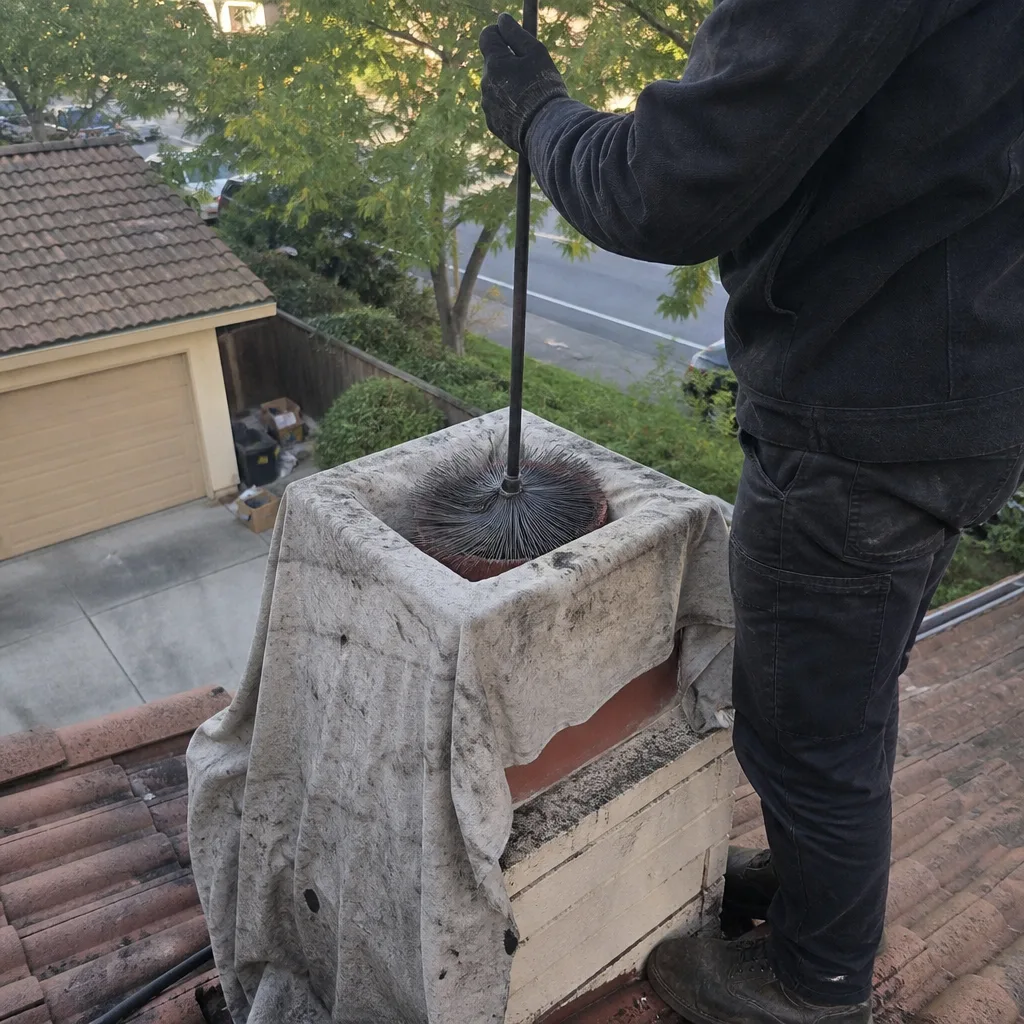
What falls into your firebox or accumulates on the smoke shelf tells a specific story. Learning to read these deposits helps you communicate accurately with your sweep and spot changes between inspections. Explore more guides & resources on chimney maintenance and safety.
Shaling Tile Pieces
Thin, curved fragments of clay flue tile that fall into the firebox or are visible when looking up the flue indicate liner deterioration. Each piece represents a section of protective liner that no longer shields the surrounding masonry from heat and combustion acids.
The pattern matters: flakes from the flue surface suggest thermal shock or age-related spalling. Larger fragments with mortar attached indicate joint failure or liner displacement. In our San Jose experience, homes with original liners from the 1960s-1980s are entering the phase where shaling accelerates - the clay has reached its thermal cycle limit.
Assessment warranted: Full camera scan to map liner condition. Spot repair is rarely feasible; partial or full liner replacement is typically indicated when shaling is active.
Animal Nesting Materials
Twigs, leaves, and grass in the firebox or visible in the flue indicate cap failure or absence. In San Jose, we see:
- Swallow nests: Mud-based, attached to flue walls below the cap - indicate missing cap or cap with excessively large mesh
- Squirrel and raccoon debris: Leaf and twig accumulations, often with food storage - indicate cap failure or chimney without cap
- Bee and wasp hives: Paper or wax structures, most common in unused chimneys during spring - indicate damper left open or failed damper seal
Critical safety note: Do not attempt to light a fire to clear a nest. Nesting materials are highly combustible and can create chimney fires that exceed flue design temperatures. We removed a smoldering squirrel nest from a Blossom Valley chimney in 2023 where the homeowner had attempted exactly this.
Assessment warranted: Cap replacement with proper spark arrestor mesh (typically 5/8-inch or 3/4-inch per California fire code), nest removal, and camera inspection for any debris that fell below the nest site.
Soot Fallout on Hearth or Surround
Black powdery deposits that appear on your hearth without recent firing indicate puffback events - small ignitions of accumulated combustible deposits that didn’t develop into full chimney fires but expelled soot downward. These often occur during startup when accumulated gases ignite suddenly.
What it means: Your flue has significant combustible buildup in the upper reaches, where gases can accumulate and ignite before establishing proper draft. This is a pre-fire condition.
Assessment warranted: Immediate Level 2 inspection and cleaning. Do not use until cleared.
Go/No-Go Decision Tree: Safe Use vs. Immediate Shutdown
Not every warning sign demands immediate cessation of fireplace use. This decision tree reflects our protocol from 38,000+ inspections, aligned with NFPA 211 guidance and California fire safety requirements.
Continue Use with Scheduled Inspection (Go)
- Minor exterior efflorescence without interior water signs
- Single missing mortar joint in crown, no crack penetration to interior
- Occasional mild odor during weather changes, no visible deposits
- Previous inspection within 24 months with no significant findings
- Spalling brick limited to cosmetic surface, no structural displacement
Action: Schedule inspection within 60 days. Document with photos as described below. Continue normal use with heightened awareness.
Immediate Shutdown Pending Inspection (No-Go)
- Any smoke rollout during operation
- Visible shaling tile or liner fragments in firebox
- Soot fallout without explanation
- Strong creosote odor combined with recent heavy use
- Visible cracks in firebox brick or refractory panels
- Damper that will not fully open or close
- Any animal nesting material in flue
- Chimney fire history (even if “small” or self-extinguished)
Action: Do not use. Call for inspection within 48 hours. If weather requires heating, use alternative heat source.
Intermediate: Use with Restrictions
Some conditions permit limited use while awaiting repair:
- Draft reversal at cold startup only: Pre-warm flue with newspaper torch or electric pre-heater. If draft establishes normally after warm-up, limited use acceptable. If reversal persists, shutdown.
- Minor crown cracking with intact interior: Use with waterproof cover when not in use; no use during rain. Schedule repair within 30 days.
How to Document What You See Before the Sweep Arrives
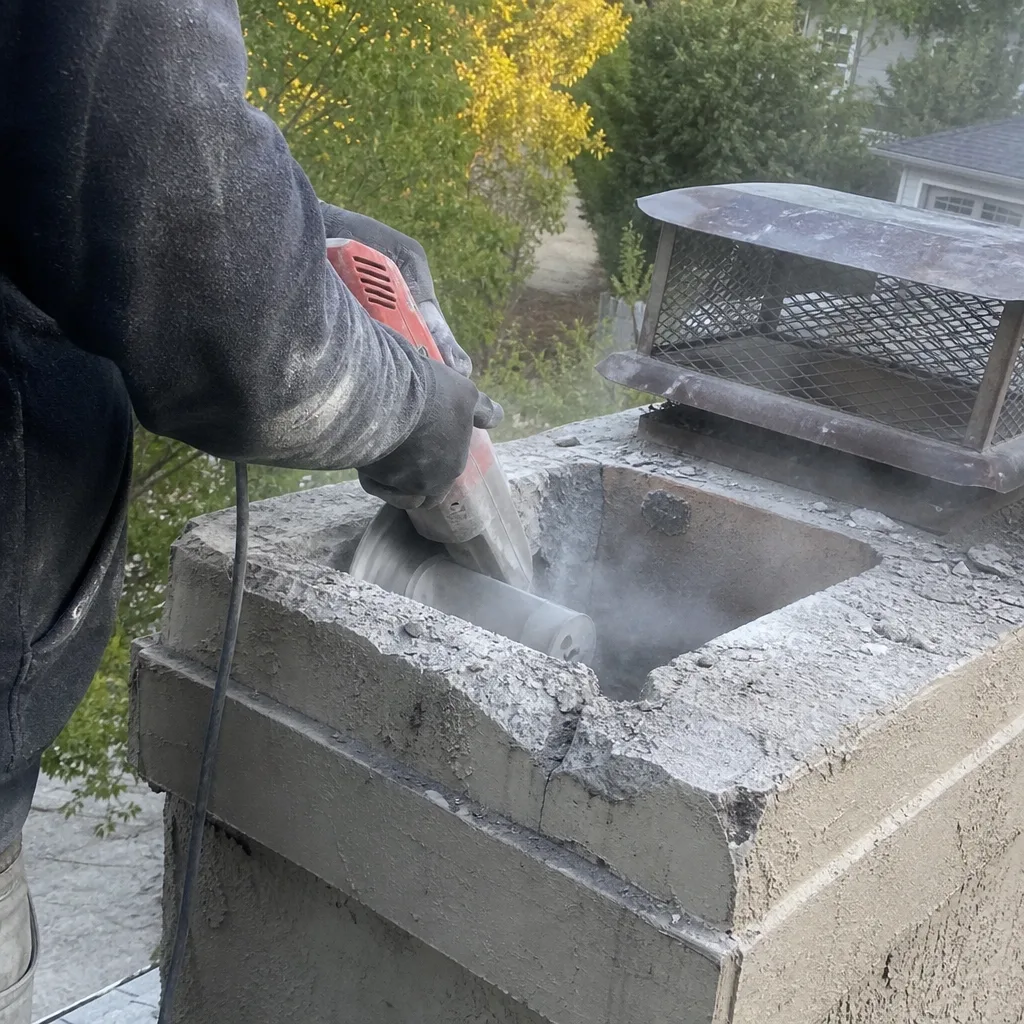
Documentation protects you if a problem progresses or if there’s dispute about pre-existing condition. Our Level Two Chimney San Jose home team uses these same documentation standards on every visit - Clause 4 of the Haven Standard requires a photo record on every job - and we encourage homeowners to maintain their own baseline.
Step-by-Step Documentation Protocol
- Photograph the exterior from ground level. Include the full chimney height, roof intersection, and surrounding context. Date-stamp the image. In San Jose’s strong sunlight, shoot in early morning or late afternoon to avoid washout that obscures crack detail.
- Document efflorescence and stains with close-ups and context shots. A close-up shows the deposit texture; a context shot from 6 feet shows location relative to roofline or firebox features. Measure the affected area and note dimensions in the image filename.
- Photograph the firebox interior with flash. Capture all walls, the smoke chamber throat (looking upward), and the hearth condition. Include a common object (ruler, coin) for scale.
- Record video of damper operation. Open and close fully, noting any binding, noise, or incomplete closure. Video captures movement that still images miss.
- Note dates of any events: last use, any smoke incident, weather conditions when odors occurred, recent nearby construction or tree removal that changed wind patterns.
- Save previous inspection reports. Comparison over time reveals progression rates that single-point inspection cannot.
What this achieves: When our technician arrives with camera and documentation kit, your baseline photos accelerate diagnosis and provide legal protection if insurance claims arise. We’ve had San Jose homeowners use their documentation to successfully dispute denied claims where the insurer argued damage was pre-existing.
What Inspection and Repair Costs in San Jose
San Jose chimney service pricing reflects our high cost of living, but significant variation exists based on inspection depth and repair scope. These ranges reflect our 2024-2025 market experience; your specific situation requires written quote.
| Service | Typical Range in San Jose | What’s Included |
|---|---|---|
| Level 1 Visual Inspection | $85 - $150 | Accessible areas only, no camera, no roof access |
| Level 2 Camera Inspection (NFPA 211) | $250 - $400 | Full interior scan, photo record, written findings |
| Chimney Sweep & Level 2 Inspection | $350 - $550 | Cleaning, camera scan, documentation, written scope |
| Crown Repair (sealant) | $300 - $600 | Surface prep, flexible sealant application, 5-year warranty |
| Crown Rebuild (concrete pour) | $1,200 - $2,500 | Forming, reinforced concrete, proper drip edge, 10-year warranty |
| Flashing Repair | $450 - $900 | Step and counter flashing replacement, sealant, leak test |
| Stainless Steel Liner (single flue, typical height) | $2,800 - $4,500 | DuraFlex or Olympia Chimney liner, insulation, connectors, installation |
| Partial Liner Repair (HeatShield) | $1,800 - $3,200 | Cerfractory foam application, smoothing, curing, camera verification |
| Chimney Cap with Spark Arrestor | $350 - $750 | Famco or Copperfield cap, proper mesh, installation |
Our pricing commitment: Every job is quoted in writing before work begins - Clause 1 of the Haven Standard, H.A.V.E.N. “Have it in writing.” No exceptions. We also offer a Free Second Opinion on any competitor’s written estimate.
San Jose-specific cost factor: Permit requirements vary by municipality. San Jose proper requires permits for liner replacement and structural rebuild; unincorporated Santa Clara County may not for liner-only work. We handle permit submission as part of quoted scope when required.
Common Mistakes to Avoid
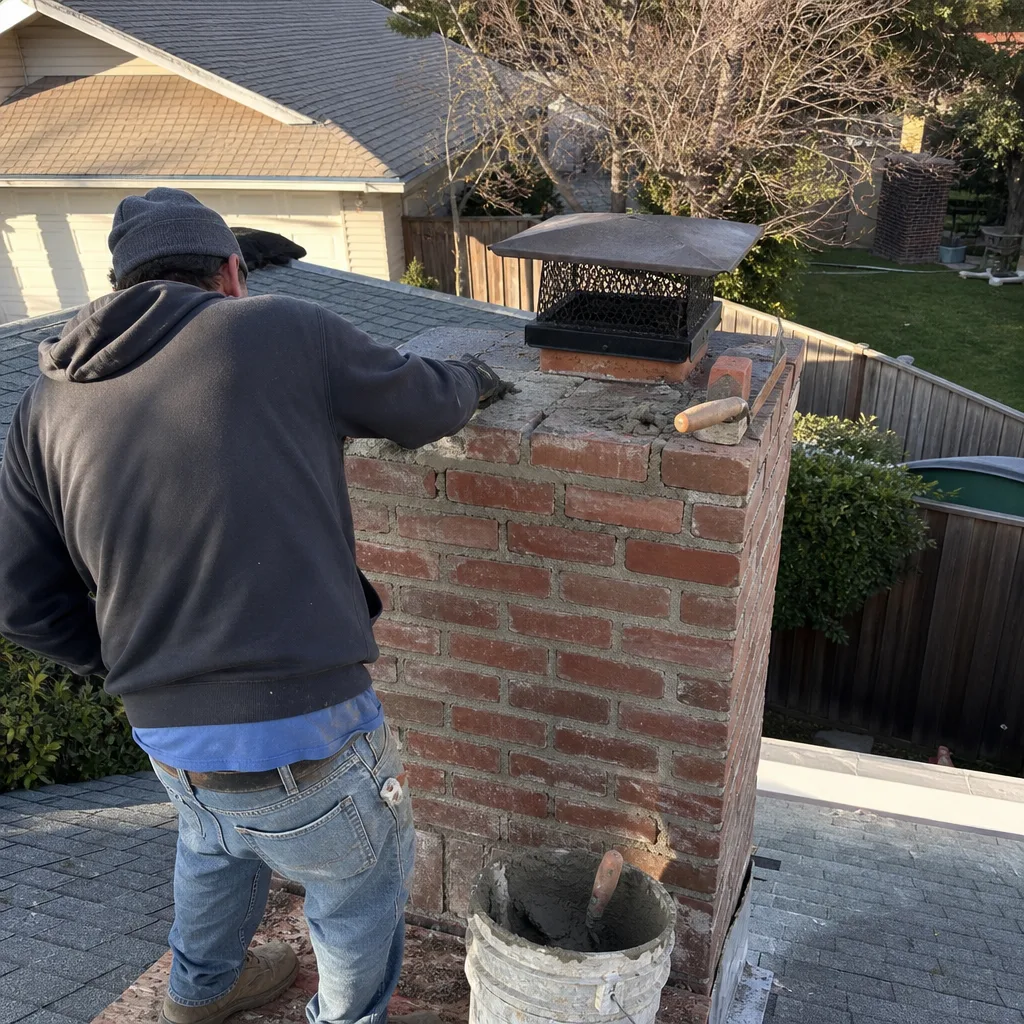
- Assuming no smell means no problem. Odor requires active air movement; a completely blocked flue may produce no smell while creating severe CO hazard. Performance and visual inspection matter more than scent.
- Treating all white stains as efflorescence. Calcium deposits from hard water (common in San Jose’s municipal supply) can mimic efflorescence on exterior surfaces. The difference: efflorescence powders when scraped; hard water deposits are crystalline and hard. Misidentification leads to unnecessary waterproofing.
- Using the fireplace to “test” whether a problem is serious. This is how minor issues become chimney fires or CO exposures. If you suspect a problem, shutdown is the correct default.
- Accepting a flashlight inspection as sufficient. NFPA 211 defines three inspection levels; only Level 2 includes camera examination of internal surfaces. A flashlight look from the firebox reveals perhaps 15% of flue surface area. We made camera-scan documentation standard in 2009 precisely because flashlight inspections miss critical defects.
- Ignoring seasonal patterns. San Jose’s Mediterranean climate means problems manifest differently by season. Summer odors indicate pressure dynamics; winter performance issues indicate draft problems. Documenting season of onset helps diagnosis.
- Delaying inspection after a chimney fire. Even small, self-extinguished chimney fires cause liner damage that may not be immediately visible. Thermal shock cracks tile liners; subsequent use can expose structural masonry to direct combustion temperatures. Always inspect after any suspected fire event.
- Assuming new construction is exempt. Homes built during San Jose’s 2015-2020 construction surge had rapid fireplace installation with minimal curing time. We’ve found incomplete mortar joints and unsealed liner connections in homes less than five years old. Age alone doesn’t guarantee condition.
When to Call a Professional
Call when you observe any no-go sign, when you cannot confidently categorize a sign, or when your last inspection exceeds 12 months for wood-burning systems or 24 months for gas. San Jose’s combination of aging housing stock, seismic stress, and seasonal moisture patterns means chimney systems degrade faster than national averages suggest.
Level Two Chimney San Jose offers free estimates throughout San Jose - call (669) 291-2770. Our technicians are background-checked, uniformed, and assigned by name; you’ll receive a text when yours is en route. Every visit includes NFPA 211 Level 2 camera inspection with documented photo record under Haven Standard Clause 4, and every quote is delivered in writing before any work begins under Clause 1.
Frequently Asked Questions
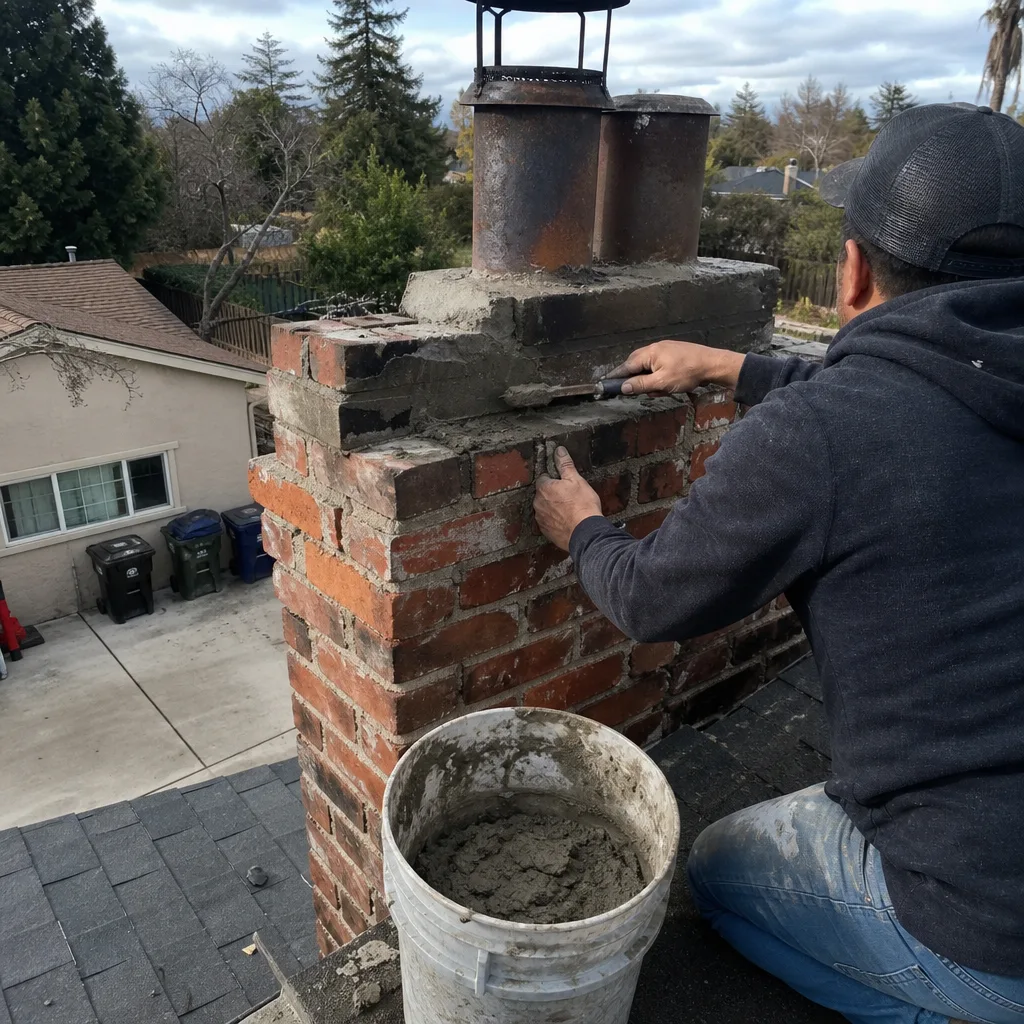
A professional chimney sweep with Level 2 camera inspection in San Jose typically runs $350 to $550, with basic visual-only inspections starting around $85. The price difference reflects inspection depth: camera scan, photo documentation, and written findings versus a surface look. We include the camera inspection and documented record as standard on every cleaning, not as an add-on. Call (669) 291-2770 for an exact quote - estimates are free.
Cleaning frequency cannot compensate for liner failure. A damaged liner exposes combustible building materials to heat and allows combustion gases to penetrate masonry. In San Jose, we see this most with clay tile liners in homes built 1960-1990 that have reached their thermal cycle limit. The camera inspection shows exactly what condition your liner is in and whether cleaning, repair with HeatShield cerfractory foam, or full stainless steel replacement is warranted. Nothing is recommended without photo evidence you can see yourself.
NFPA 211 recommends annual inspection for all chimney systems, with cleaning frequency determined by use and fuel. For San Jose homeowners burning seasoned hardwood as primary heat, that typically means annual sweep. Occasional decorative fires may extend to every two years if inspection shows minimal accumulation. Gas systems require annual inspection but rarely need cleaning. The specific interval for your system depends on what the camera shows, not the calendar.
Skipped maintenance progresses through predictable stages: creosote accumulation increases fire risk; moisture intrusion degrades liner and masonry; liner failure exposes structure to heat and gases; eventual chimney fire or CO intrusion causes property damage or injury. In San Jose’s insurance market, documented maintenance history also affects claim outcomes - insurers increasingly deny chimney fire claims where no inspection record exists. The cost of scheduled maintenance is a fraction of emergency repair or uninsured loss.
Summer heat creates reverse stack effect in your home: warm air rises to the attic and upper stories, pulling replacement air downward through the chimney path. This reverse flow volatilizes creosote deposits, especially where staging has created concentrated zones. San Jose’s summer temperature inversions intensify this effect compared to coastal areas. The odor indicates active chemical release, not merely residual scent. Camera inspection locates the staging zones causing concentration.
Exterior brick cracks alone don’t automatically require shutdown, but they do require evaluation of whether the crack extends to the flue liner or allows water intrusion. Hairline mortar cracks are typically cosmetic; stepped cracks through brick units or displacement of the chimney from the building indicate structural movement that may compromise liner integrity. A Level 2 camera inspection distinguishes cosmetic from critical. When in doubt, shutdown pending inspection is the conservative choice.
Level 1 is visual examination of readily accessible portions of the chimney exterior, interior, and connecting appliances - appropriate for annual maintenance of systems with no changes or known problems. Level 2 adds camera examination of internal flue surfaces, accessible portions of attics and crawl spaces, and evaluation of clearances to combustibles - required at property sale, after chimney fire or seismic event, or when any warning sign is present. Level Two Chimney San Jose performs Level 2 as our default because flashlight-visible inspection misses the defects that create hazards.
The Bottom Line
Your chimney communicates through specific, readable signs: masonry changes that trace water pathways, performance symptoms that map to structural failures, odors that reveal pressure and deposit dynamics, and debris that documents liner condition. The key is matching each sign to its probable cause and the appropriate assessment level. In San Jose’s specific climate and housing stock, exterior efflorescence, summer creosote odors, and tile shaling are the three most commonly missed warnings we encounter. Document what you observe, categorize by our go/no-go framework, and insist on camera inspection when signs indicate internal conditions. Prevention costs less than emergency repair, and documentation protects more than assumption.
Chimney Cleaning & Sweep in San Jose from Level Two includes NFPA 211 Level 2 inspection as standard. For repair needs, see our Chimney Repair in San Jose services, or explore Fireplace Services in San Jose for insert and upgrade options.
Written by Corrine Halstead, Owner at Level Two Chimney San Jose, serving San Jose since 2009.