
Last updated September 22, 2026
Level 1 sweep and inspection to the NFPA 211 annual standard - flue, crown, cap, and flashing checked and photographed
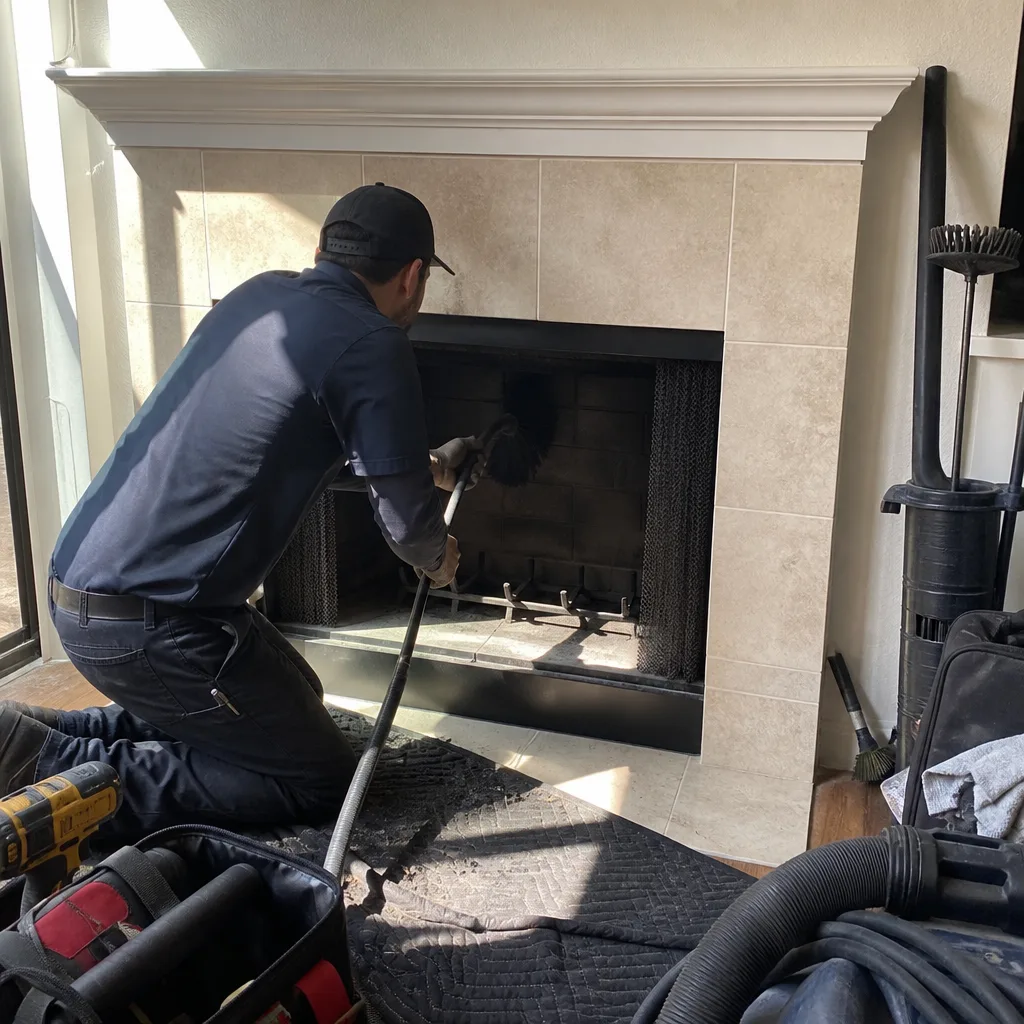
Chimney sweep logs do not sweep chimneys. They loosen some creosote - which then falls where a brush and vacuum still have to collect it.
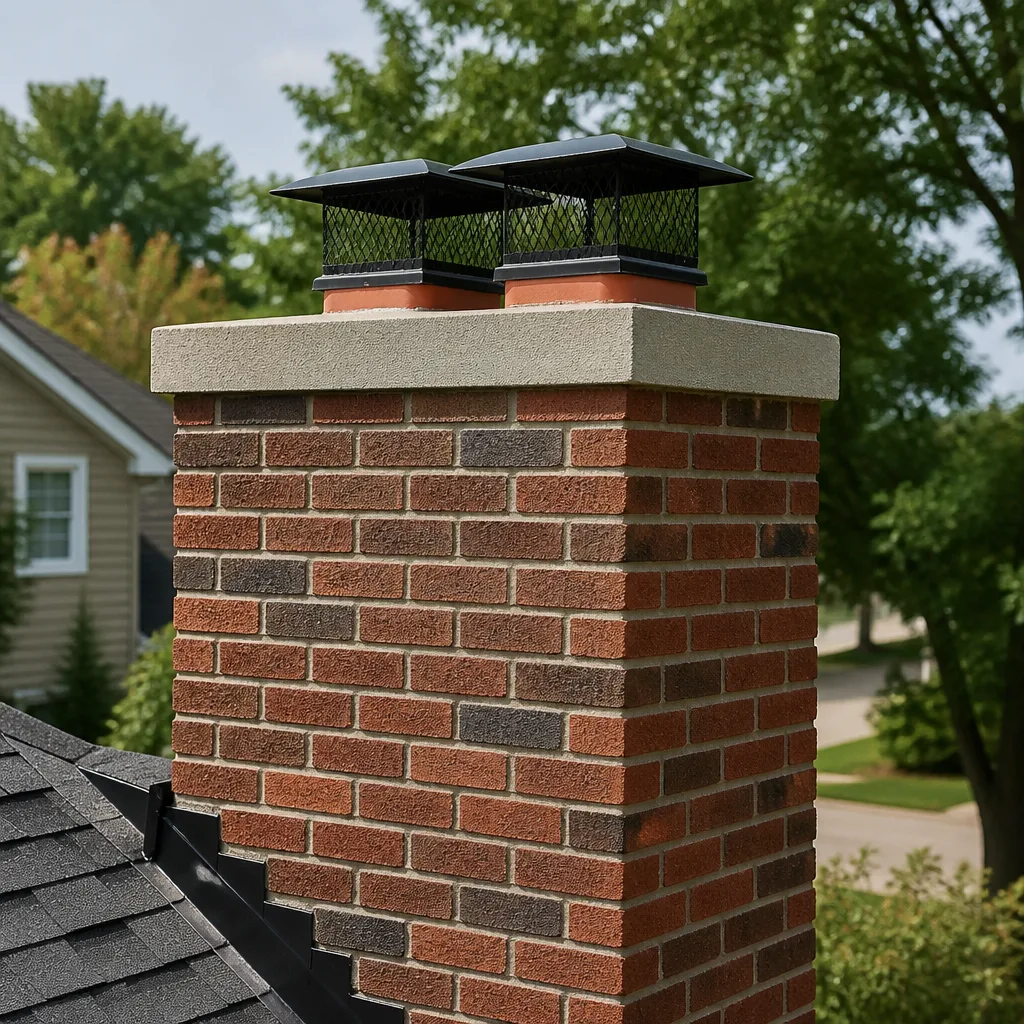
Flue relining
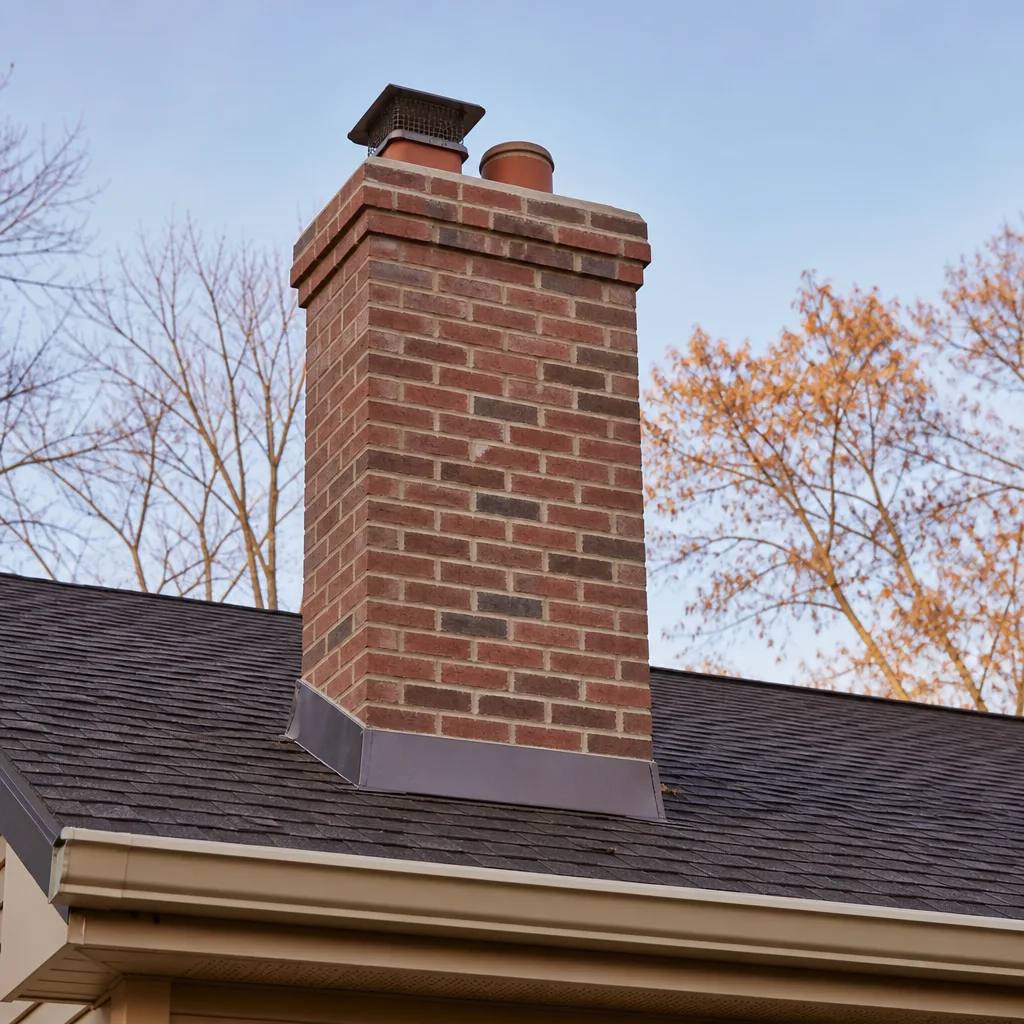
 Before
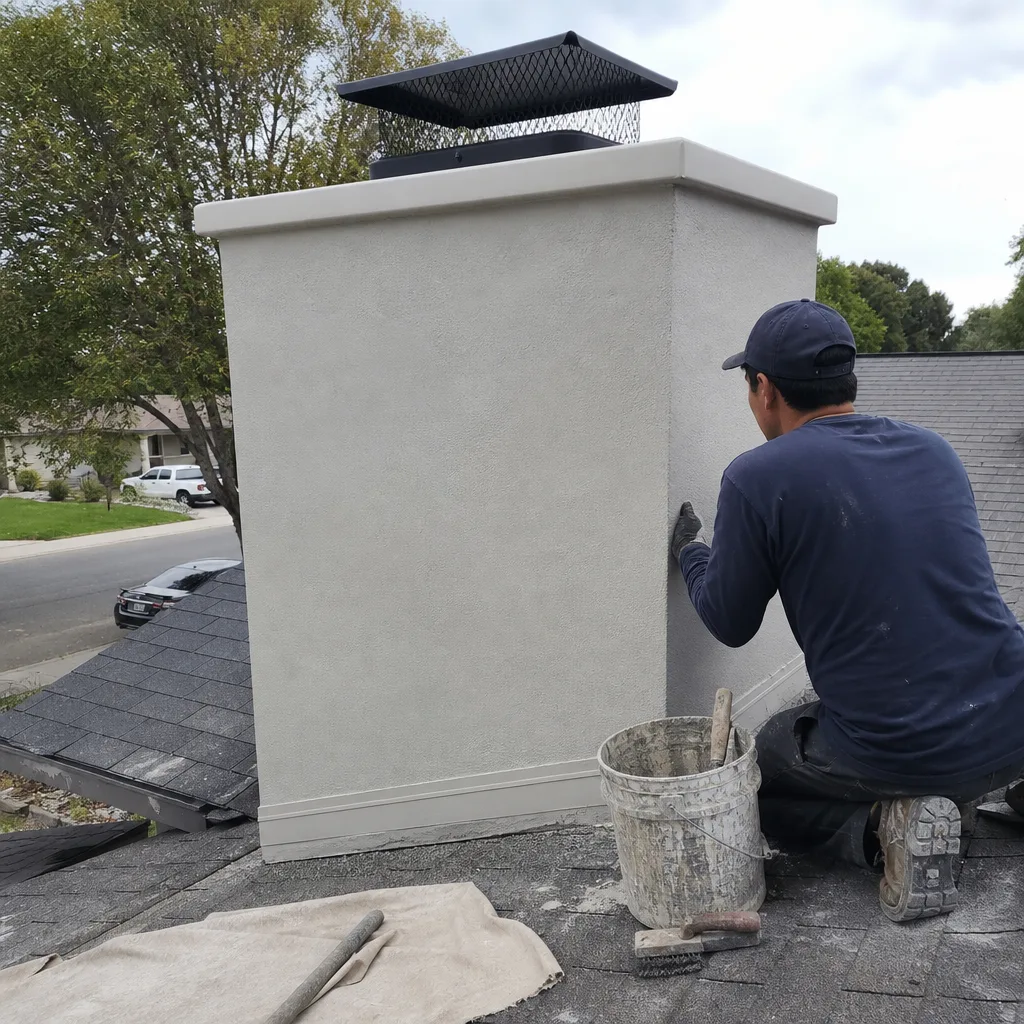 After
After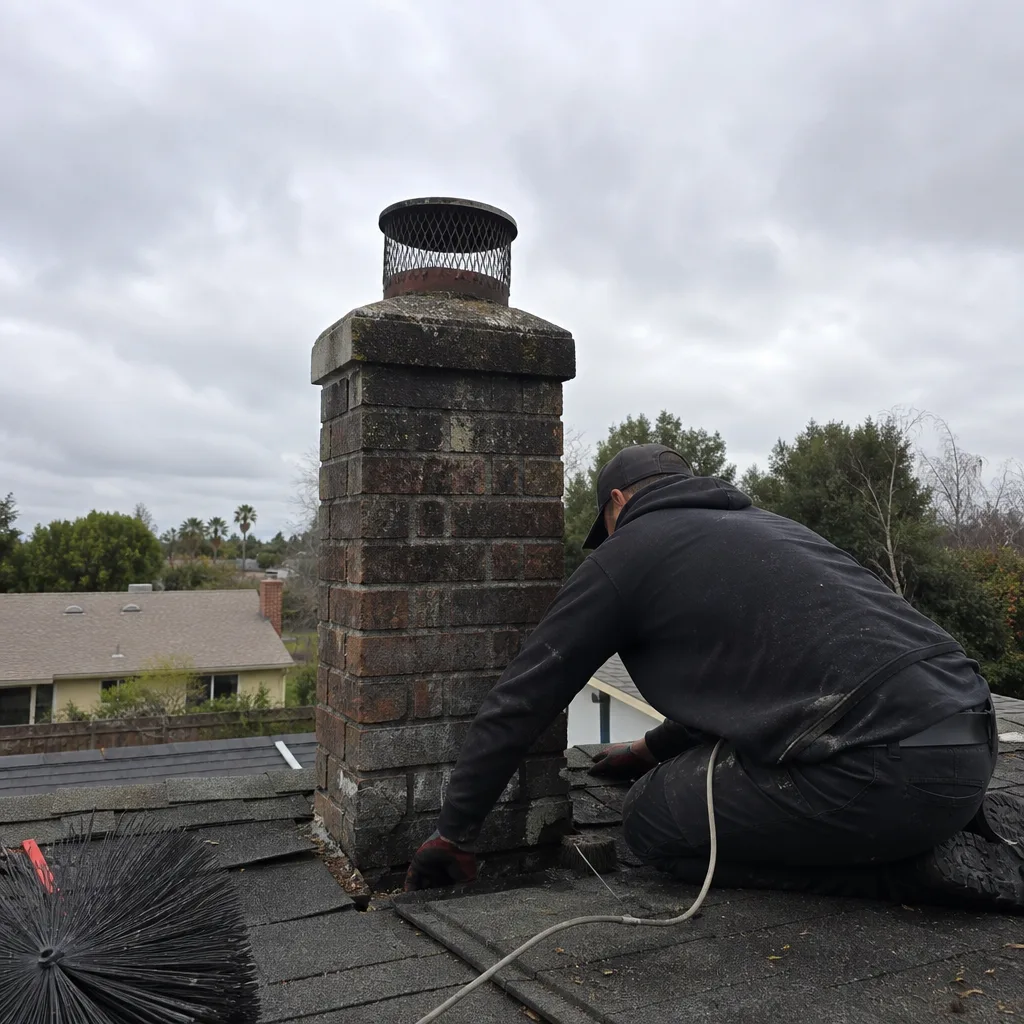 Before
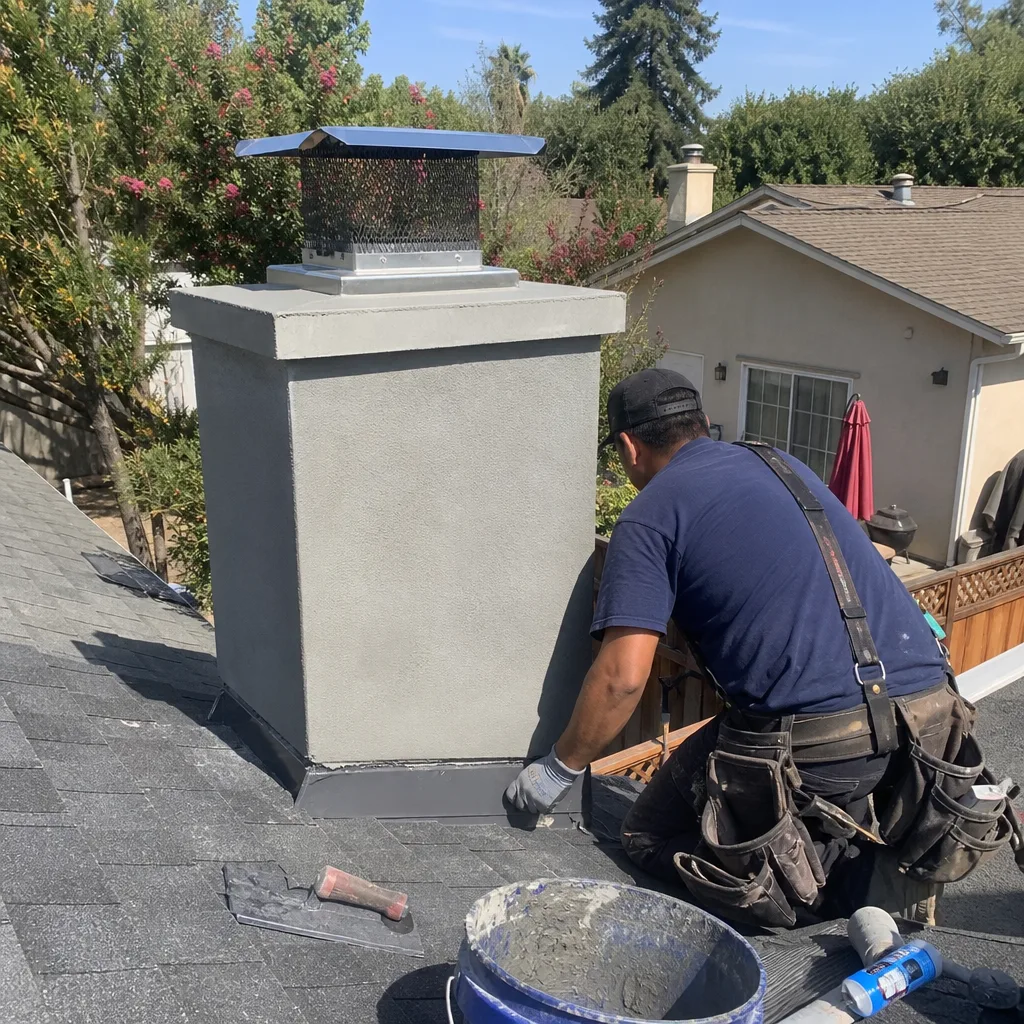 After
After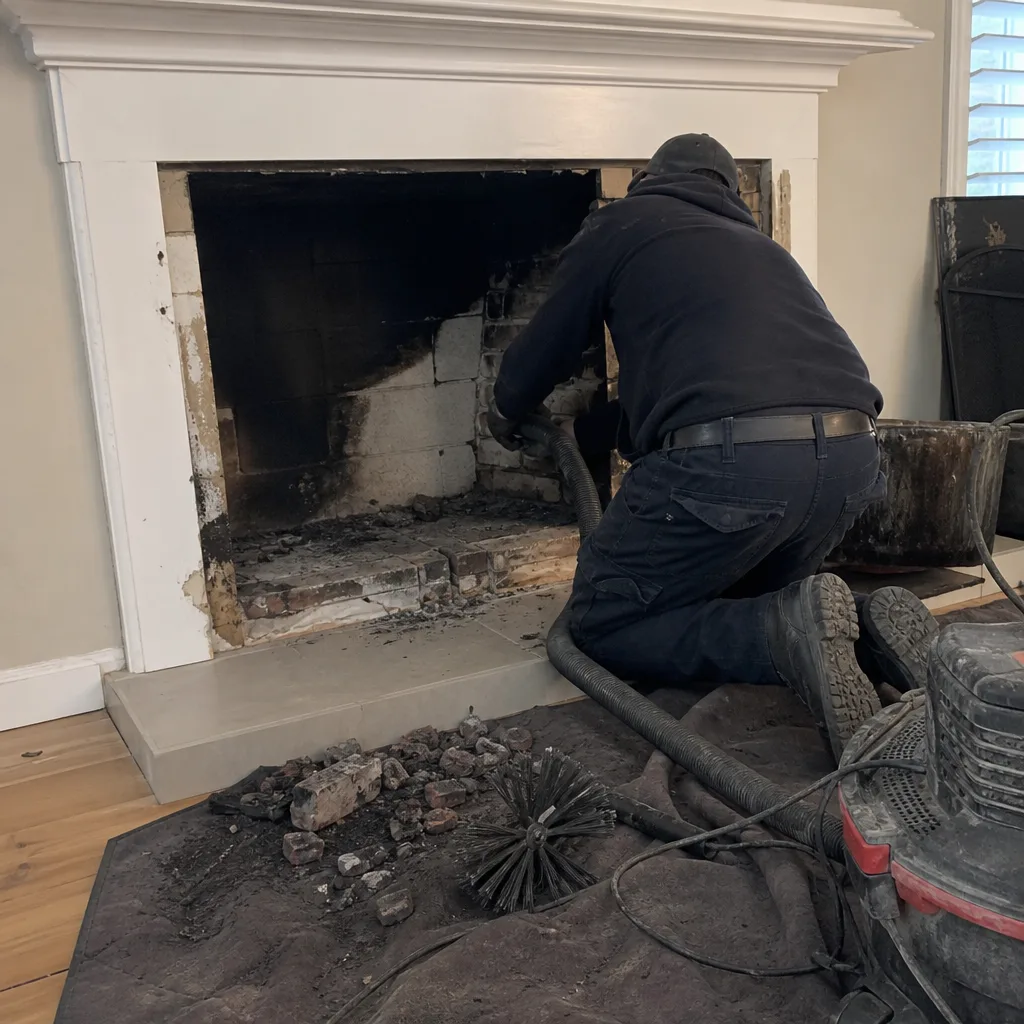 Before
 After
AfterHow to Hire a Chimney Cleaning Contractor in San Jose: A Step-by-Step Guide
CSIA certification tells you someone passed a test. It says nothing about whether they’ll put a camera in your flue, write the price before starting, or hand you a documented record when they leave. In San Jose, where mild winters mean many homeowners burn only occasionally and creosote builds slowly and unevenly, the contractors who skip documentation are the ones you’ll never catch until something fails. This guide replaces the wrong question, “Are you certified?” with three questions that separate documented-work contractors from flashlight-and-invoice operations before anyone climbs your roof.
Quick Answer
To hire a chimney cleaning contractor in San Jose, verify their CSLB license carries a C-61/D-49 classification, ask three documentation questions (written scope before work, camera footage after, written warranty included), and request a sample completed job report before booking. Expect to pay $180-$320 for a standard sweep with Level 2 inspection in the San Jose market - see our Chimney Cleaning Cost Breakdown: The San Jose Homeowner’s Reference for 2026 for full pricing details - and never accept a verbal estimate that leaves room for on-site upselling.
Table of Contents
- Why “Are You Certified?” Is the Wrong Filter
- The Three Questions That Expose Documentation Standards
- How to Verify a License Through the CSLB (and What D-49 Actually Means)
- Red Flags Specific to the San Jose Market
- How to Evaluate Past Work: Ask for a Sample Report
- What a Legitimate Written Quote Should Itemize
- Common Mistakes to Avoid
- When to Call a Professional
- Frequently Asked Questions
- The Bottom Line
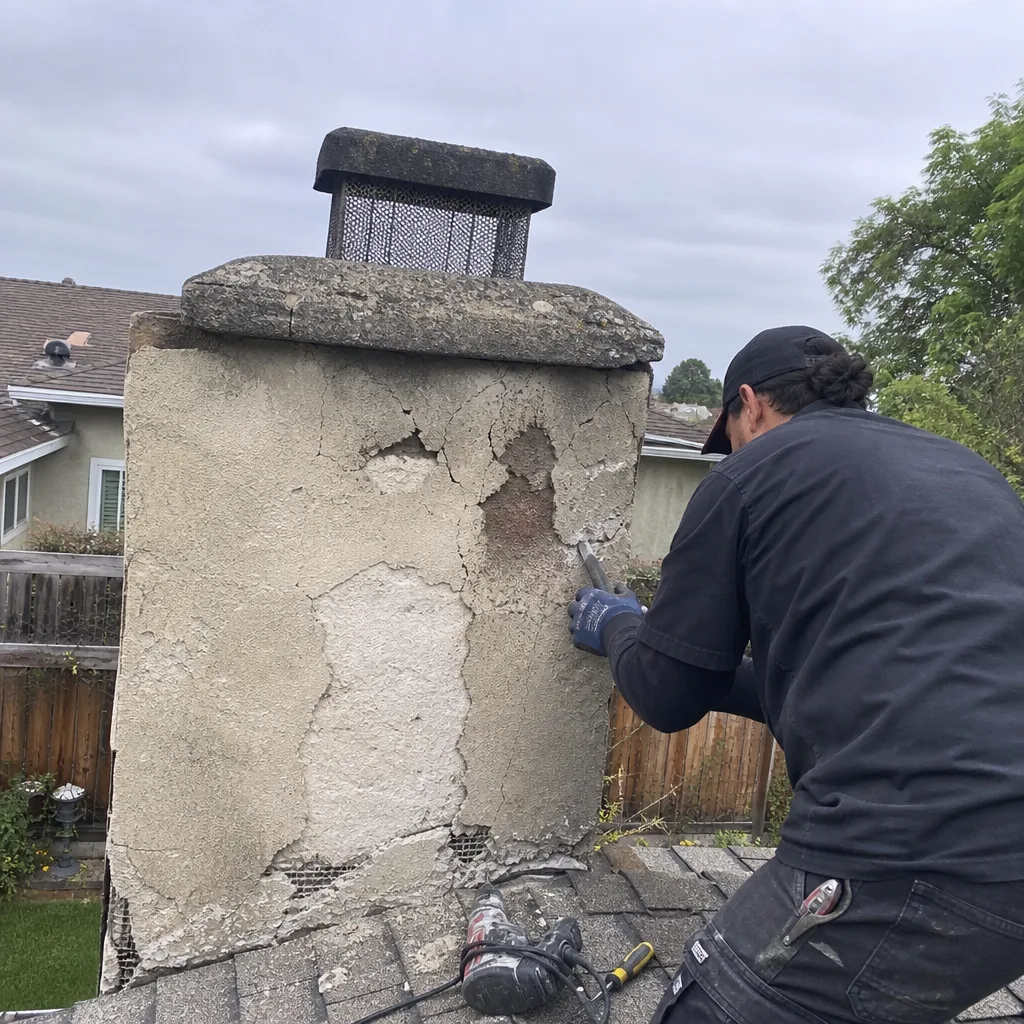
 Before
 After
AfterWhy “Are You Certified?” Is the Wrong Filter
We get this question on maybe half our incoming calls in San Jose. It’s reasonable. Homeowners want some external validation that the person on their roof knows what they’re doing. The problem is that certification, by itself, guarantees nothing about how the work gets done.
CSIA (Chimney Safety Institute of America) certification requires passing an exam and completing continuing education units. It’s a useful baseline. But it does not require the certificant to use a chimney camera. It does not require a written price before work starts. It does not require handing the homeowner a photo record, a written scope, or a written warranty. A contractor can hold current CSIA credentials and still operate with a flashlight, a verbal estimate, and a carbon-copy invoice.
In our experience across San Jose neighborhoods from Willow Glen to Almaden Valley, the contractors who cause the most post-job disputes are not unlicensed handymen. They’re often fully credentialed sweeps who never documented what they found, never put the price in writing, and never gave the homeowner evidence they could show an insurer, a home inspector, or a second contractor.
The filter that matters is documentation habit. Does this contractor create a record you can hold in your hand? That habit is not tested by any certification body. It is enforced only by the contractor’s own standard of practice.
At Level Two Chimney San Jose home, we built our operation around the Haven Standard, which we established in 2009. Clause 4 of that standard requires a documented photo record on every job, every time, without exception. We’ve completed more than 38,000 chimney inspections and cleanings since then. Every one had a written price before work started and a documented record when it was done. That standard is not a certification. It’s a contractual practice.
The Three Questions That Expose Documentation Standards
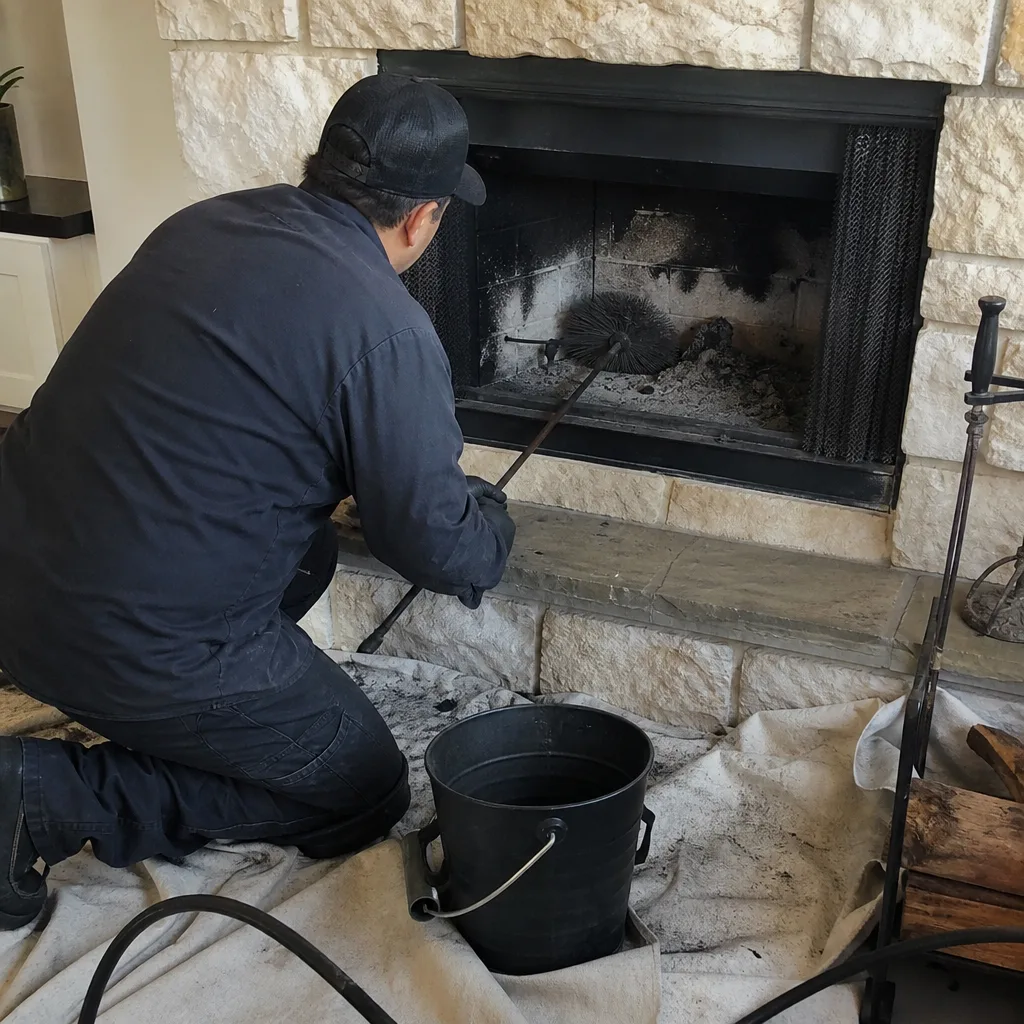
Before you book any chimney cleaning contractor in San Jose, ask these three questions. The answers will tell you whether you’re hiring a documentation-based operation or a hope-and-flashlight outfit.
Question 1: “Do you provide a written scope and written price before any work starts?”
The answer you want is immediate and unqualified: yes, in writing, before anyone touches your chimney. Not “we’ll write it up after we look.” Not “the tech will go over it with you on site.” Written. Before. Work. Starts.
Here’s why this matters in San Jose specifically - a topic we cover in depth in our Seasonal Chimney Cleaning Care for San Jose: Year-Round Homeowner’s Guide. Our climate, with dry summers and mild, occasionally rainy winters, creates unique chimney conditions. Masonry absorbs moisture during winter rains, then dries and contracts through the long summer. Clay flue tiles crack. Crowns develop hairline fractures that widen over seasons. A contractor who discovers spalling brick or a deteriorated crown during a routine sweep faces a choice: document it with photos and a separate written estimate, or describe it verbally and suggest immediate repair.
The verbal route creates pressure. You’re standing in your living room. The tech is on your roof. You have no documentation to show your spouse, your insurer, or a second contractor. You’re operating on trust alone.
Haven Standard Clause 1, H.A.V.E.N. “Have it in writing,” requires a written price, written scope, and written warranty delivered before work begins. Not after the tech is already in your home. We’ve held to this since 2009 because it eliminates the power imbalance.
Question 2: “Will I receive camera footage or photos of the flue interior?”
The answer you want is specific: a video scan or photo record of the full flue length, included as standard, not as an optional add-on.
NFPA 211 Level 2 inspection, the standard we helped establish as default practice, requires internal evaluation of the flue with a camera or other suitable equipment. But “suitable equipment” gets interpreted loosely. A flashlight held at the firebox looking upward is technically “other suitable equipment” under a permissive reading. It reveals nothing about mid-flue cracks, offset joints, or Class III glazed creosote (a hard, tar-like deposit that ignites at lower temperatures and burns hotter than ordinary soot).
In San Jose’s older neighborhoods like Naglee Park and Hanchett Park, many chimneys were built before modern liner standards. Clay tile liners in these homes may be 80-100 years old. A flashlight glance from below cannot assess their condition. Only a camera scan can reveal the vertical cracks, missing mortar joints, or liner displacement that allow combustion gases to leak into wall cavities.
Ask to see a sample camera report before booking. A contractor with nothing to hide will have one ready.
Question 3: “Is the warranty in writing, and what does it cover?”
The answer you want is a written warranty document, not a verbal assurance. It should specify duration, coverage scope, and what triggers it.
Our 365-Day Done Right Promise is stamped on every job under the Haven Standard. If it’s not done right, we make it right. That promise is in writing, with specific terms, not a handshake. Ask any contractor you consider what their equivalent document says. If they don’t have one, or if they describe it as “we stand behind our work,” you have no enforceable protection.
These three questions take five minutes on the phone. They separate contractors who’ve built systems from contractors who’ve built websites.
How to Verify a License Through the CSLB (and What D-49 Actually Means)
California requires specific licensing for chimney work, but the classification system confuses many homeowners. For Chimney Cleaning Permits, Codes & Inspections in CA: What You Need to Know, here’s how to verify what matters.
Step-by-step CSLB verification
- Visit cslb.ca.gov and select “Check License.”
- Enter the contractor’s license number (every legitimate contractor displays this prominently).
- Verify the status reads “Active” with no current suspensions.
- Check the classification section for C-61 (Limited Specialty) with D-49 (Masonry).
- Confirm workers’ compensation insurance is current if the contractor has employees.
- Review disciplinary actions for any history of complaints or suspensions.
What D-49 covers (and what it doesn’t)
The C-61/D-49 classification authorizes masonry work including chimney construction, repair, and reconstruction. It covers the structural elements: brick, mortar, concrete crowns, flue relining with masonry materials. It does not automatically authorize general roofing, electrical work, or gas line modifications.
For chimney-specific services in San Jose, D-49 is the relevant classification. A contractor holding only a B (General Building) license can perform chimney work as part of a larger project, but for dedicated chimney service, D-49 indicates specialized training and examination in masonry systems.
We display our license number on every page and every technician’s documentation. If a contractor hesitates to provide theirs, or provides a number that doesn’t check out on CSLB lookup, that’s disqualifying information.
Red Flags Specific to the San Jose Market
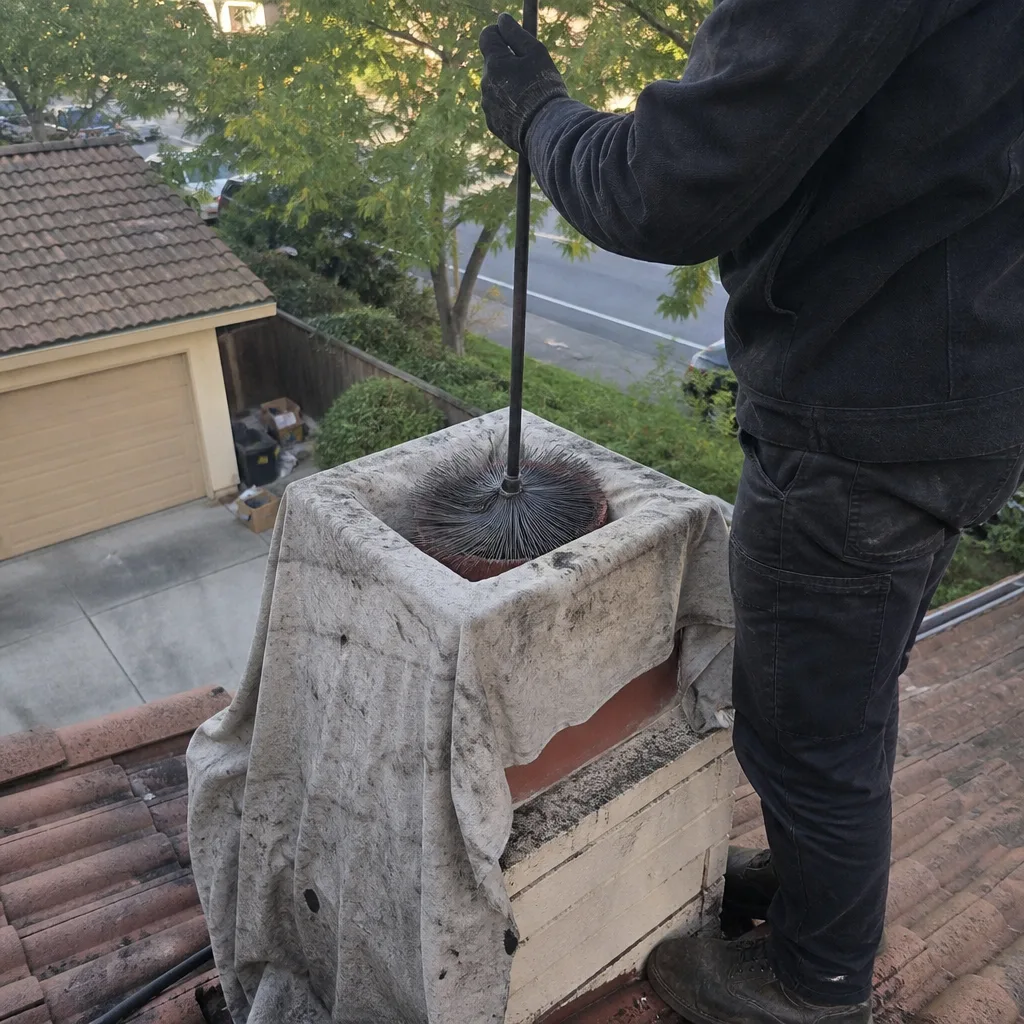
San Jose’s housing market, with its high home values and tech-employed homeowners, attracts operators who’ve optimized for sales rather than documentation. Watch for these local patterns.
The “free inspection” bundled with cleaning
A company offers a discounted or free “inspection” with your sweep, then discovers urgent repairs requiring immediate authorization. The inspection was never documented with photos. The “damage” cannot be verified. In our calls from neighborhoods like Cambrian Park and Blossom Valley, this is the most common complaint we hear about competitors.
A legitimate Level 2 inspection takes 45-90 minutes, requires specialized camera equipment, and produces a record. It is not a 10-minute flashlight glance performed as a loss-leader to sell repairs.
Pressure to decide on site
Any contractor who says a repair must be authorized immediately, while the tech is present, is creating artificial urgency. San Jose’s mild climate means most chimney conditions, even genuine ones, are not emergencies. Spalling brick, cracked crowns, and deteriorated liners develop over years. You have time to get a second opinion.
We offer free second opinions on any written estimate. Bring us a competitor’s written quote. We’ll camera-scan the same areas and show you what we find. If the repair is needed, we’ll say so and explain why. If it’s not, we’ll document that too.
No sample documentation available
A contractor with 500+ reviews and no sample report is a marketing operation, not a documentation operation. Reviews can be purchased. Photos of completed flue scans cannot.
Vague material sourcing
Ask what liner, crown sealant, or cap manufacturer they use. Quality contractors source from established suppliers like Chimney Cleaning & Sweep in San Jose operations specify: Gelco for caps and accessories, Olympia Chimney for liners and components, Famco for ventilation products, or Copperfield for specialty supplies. Generic “commercial grade” or “professional quality” without manufacturer names suggests lowest-bid purchasing.
How to Evaluate Past Work: Ask for a Sample Report
Reviews are useful but incomplete. A five-star review tells you someone felt satisfied. It does not tell you whether the contractor documented flue conditions, provided written warranty terms, or followed up on complaints.
Request a sample completed job report before booking. A legitimate contractor should be able to email you a redacted example within hours. Here’s what to look for in that document.
- Pre-work documentation: Photos of the firebox, damper, smoke chamber, and flue exterior before any work begins.
- Camera scan record: Video stills or footage from the full flue length, with timestamps or measurement markers indicating depth.
- Written scope: Exactly what work was performed, with specific terminology (sweep, Level 2 inspection, creosote classification, any repairs).
- Written price: Line-item breakdown of labor and materials, with no open-ended categories.
- Written warranty: Specific terms, duration, and coverage limitations.
- Post-work documentation: Photos showing condition after service, demonstrating what changed.
At Level Two Chimney San Jose, every report since 2009 contains these elements. Our archive runs continuously because Clause 4 of the Haven Standard requires it. When a homeowner in Rose Garden or Evergreen calls us for follow-up service five years later, we pull their record and compare current camera footage to previous scans. That continuity is only possible because the documentation habit was established on the first visit.
If a contractor cannot produce a sample report, or if the sample lacks camera documentation, you’re not evaluating their past work. You’re evaluating their marketing.
What a Legitimate Written Quote Should Itemize
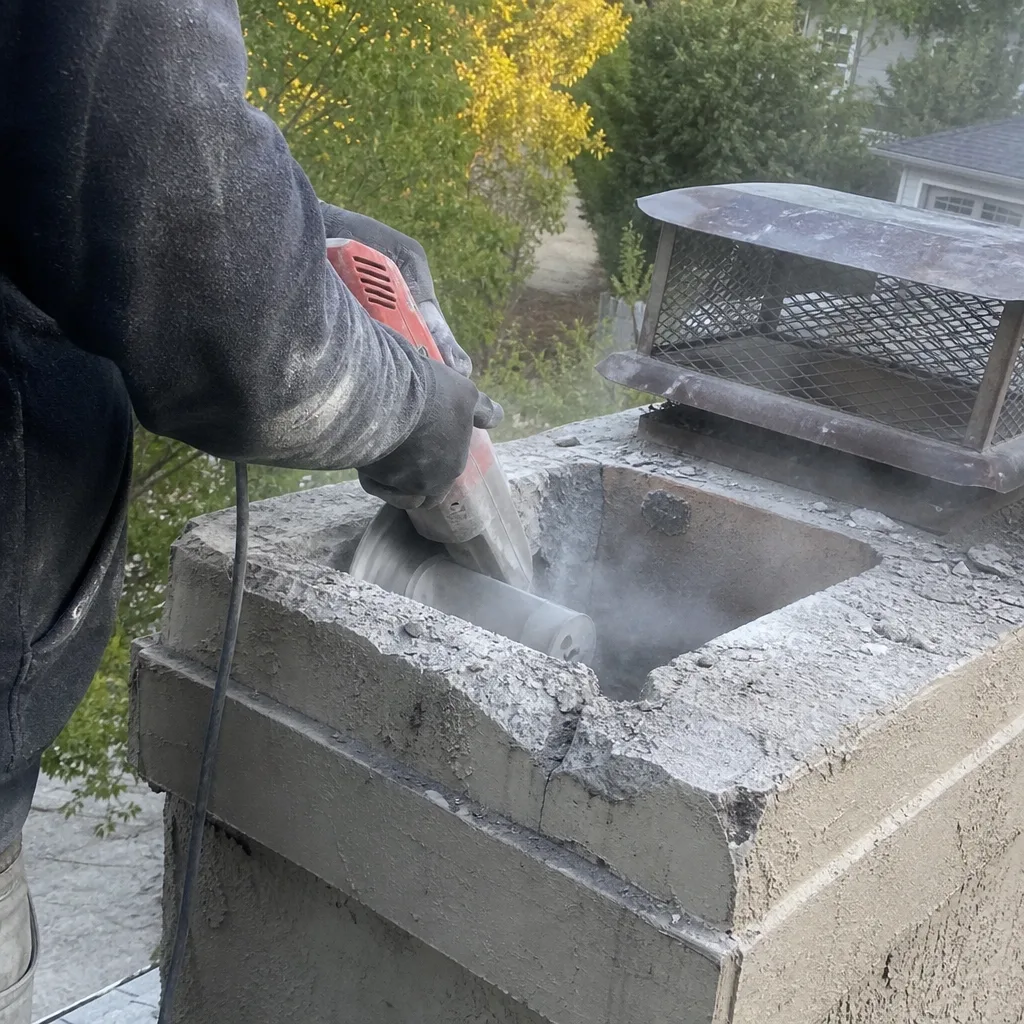
Verbal estimates in San Jose typically range from vague to deliberately structured for upselling. A legitimate written quote itemizes specifically enough that you could compare it line-by-line with another contractor’s quote.
Standard chimney sweep with Level 2 inspection: typical San Jose pricing
| Service Item | Typical Range | What’s Included |
|---|---|---|
| Chimney sweep (Class I creosote) | $180-$240 | Brush cleaning of flue, smoke chamber, firebox; debris removal |
| Level 2 inspection with camera scan | $220-$320 | NFPA 211 Level 2; internal video/photo documentation; written report |
| Combined sweep + Level 2 inspection | $240-$320 | Both services; documented photo record; written scope and warranty |
| Class III creosote removal (glazed) | $350-$650 | Chemical treatment or mechanical removal; extended labor; re-inspection |
| Chimney cap installation (standard) | $280-$450 | Stainless steel cap; measurements; installation; hardware |
| Crown repair (sealant application) | $350-$600 | Surface prep; flexible crown sealant; documentation |
Prices vary by chimney height, accessibility, and condition. A two-story home in the hills above Alum Rock with a steep roof pitch requires more labor than a single-story ranch in Willow Glen. What shouldn’t vary is the documentation standard.
Red flags in quote structure
- “Inspection” without specification: Is it Level 1 (visual) or Level 2 (camera)? These are different services with different values.
- Open-ended “repair as needed” line items: Legitimate quotes specify materials and scope. “Tuckpointing as needed - $TBD” invites on-site price inflation.
- No material manufacturer named: Generic “stainless steel liner” without specifying DuraFlex, Olympia Chimney, or equivalent means you cannot verify quality or compare pricing.
- Verbal “warranty” without written terms: Unenforceable and therefore worthless.
Our written quotes specify manufacturer, model, and quantity for every material. We source through Haven’s buying network specifically to keep customer prices honest. That transparency is Clause 1 of the Haven Standard in practice.
Common Mistakes to Avoid
- Booking based on lowest price alone. In San Jose’s market, a sweep quoted at $99 typically omits camera inspection, written documentation, or both. The cost difference between a proper Level 2 inspection and a flashlight glance is $60-$100. That’s minor compared to undetected liner damage that leads to a $3,000-$8,000 relining project.
- Assuming CSIA certification equals documentation. As discussed above, these are separate qualities. Verify both independently.
- Accepting urgency without evidence. A contractor who says “your liner is cracked and unsafe to use” should show you the camera footage immediately. If they can’t or won’t, get a second opinion. In San Jose’s climate, most chimney conditions develop gradually and allow time for verification.
- Neglecting to verify CSLB status. The Contractors State License Board maintains public records. Five minutes of verification prevents weeks of dispute resolution.
- Failing to request a sample report. Reviews measure sentiment. Reports measure process. Process is what protects you.
- Overlooking warranty specificity. “Satisfaction guaranteed” is not a warranty. “365-Day Done Right Promise - if it’s not done right, we make it right” is. The difference is enforceability.
- Ignoring neighborhood-specific experience. A contractor familiar with San Jose’s pre-1970s housing stock in neighborhoods like Japantown or the Alameda understands clay tile liner degradation patterns that differ from post-1980s construction. Ask where they’ve worked locally.
When to Call a Professional
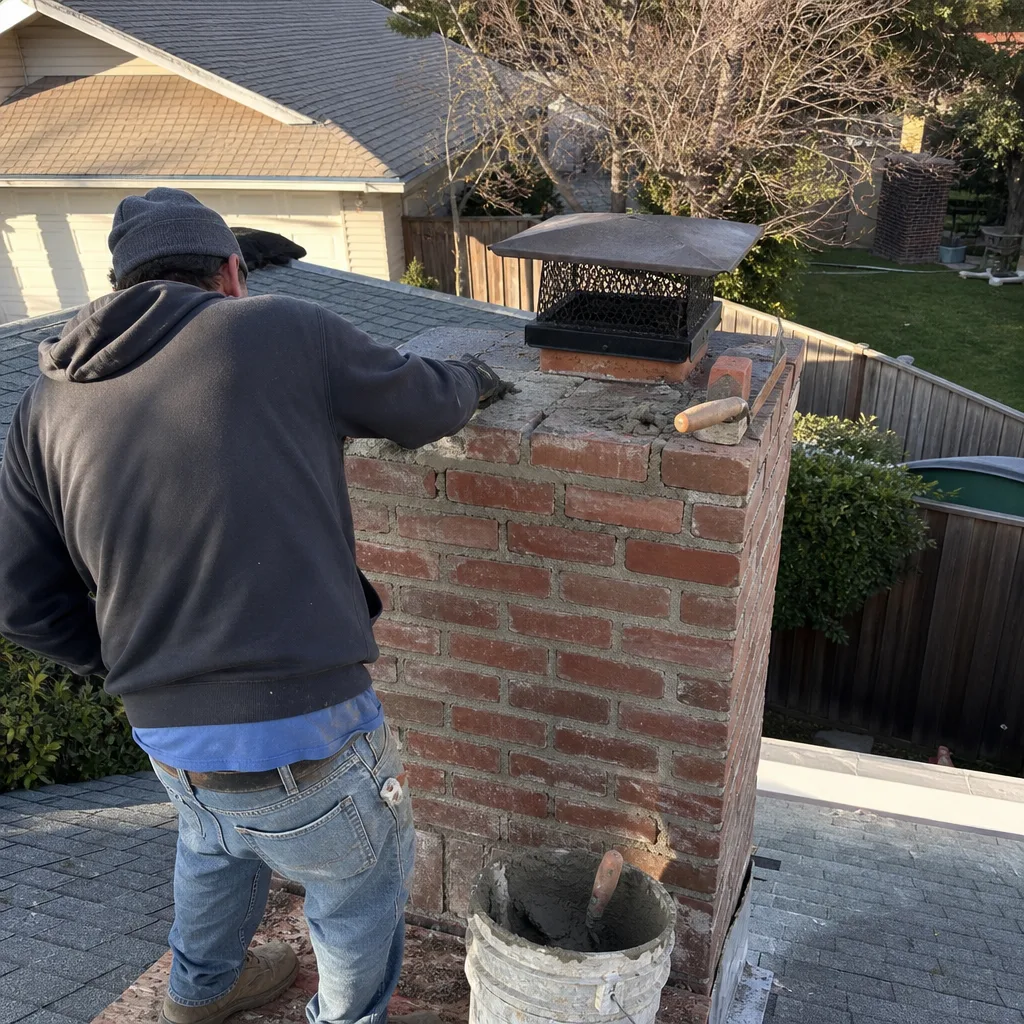
Call a chimney professional when you notice any of these: visible creosote flakes in the firebox, smoke entering the room during use, a persistent chimney odor (especially in San Jose’s warm weather when downdrafts push air into living spaces), or it’s been more than a year since your last documented inspection. After any chimney fire, even a small one, a Level 2 camera inspection is mandatory before next use - thermal shock cracks flue liners in ways invisible from below.
Carbon monoxide risk is real but not a reason for panic-selling. A properly functioning chimney vents combustion gases. A damaged liner or blocked flue can allow CO into your home. The response is documentation and repair, not emergency authorization of unverified work.
Chimney Repair in San Jose requires the same documentation standards as cleaning. Level Two Chimney San Jose offers free estimates throughout San Jose - call (669) 291-2770 to schedule. Every estimate includes a written scope and written price before any work begins, backed by our 365-Day Done Right Promise.
Frequently Asked Questions
A standard chimney sweep with Level 2 camera inspection in San Jose typically costs $240-$320. For more guides & resources on chimney maintenance, explore our blog. Basic sweeps without documentation run lower ($180-$240), while Class III creosote removal or accessibility challenges push costs toward $350-$650. Call (669) 291-2770 for an exact quote - estimates are free, and we put the price in writing before any work starts.
You need a new liner only if camera inspection documents damage that compromises safety - cracks, gaps, or deterioration allowing combustion gases to escape. In San Jose’s older homes, clay tile liners often show vertical cracking from thermal cycling. We never recommend liner replacement without camera evidence you can see yourself, and we’ll tell you plainly when a condition can be monitored rather than immediately repaired. Bring us any competitor’s written recommendation for a free second opinion.
NFPA 211 recommends annual inspection for all chimneys, with sweeping frequency determined by use and creosote accumulation. In San Jose, where many homeowners burn only occasionally during mild winters, annual Level 2 inspection with sweep as needed is appropriate. Homes in hillside neighborhoods like Almaden Valley or Communications Hill may experience more downdraft-related soot accumulation and benefit from more frequent evaluation.
Skipped maintenance allows creosote accumulation, which ignites at lower temperatures as it hardens from Class I (sooty) to Class III (glazed). A chimney fire can crack flue liners, damage masonry, and in worst cases extend to the structure. Carbon monoxide risk increases if liner damage allows gas leakage into wall cavities. In San Jose’s competitive real estate market, undocumented chimney condition also complicates home sales - buyers and inspectors increasingly request camera documentation.
Level 1 is a visual examination of accessible portions without specialized equipment, appropriate for chimneys with unchanged conditions and continued same use. Level 2 requires internal evaluation with a camera or equivalent, examination of attics and crawl spaces where accessible, and applies to all real estate transactions, new appliance installations, or changes in fuel type. In our practice, Level 2 is the default standard because it produces the documentation that protects both homeowner and contractor.
Homeowners can perform basic firebox cleaning and ash removal. Flue sweeping requires proper brushes, rods, and respiratory protection, and we don’t recommend it for most homeowners. Critical safety note: do not attempt to evaluate flue liner condition yourself. Clay tile liners in San Jose’s aging housing stock can have hidden cracks only detectable by camera. Carbon monoxide and chimney fire risks from undetected liner damage are serious. A trained professional with camera equipment should assess flue integrity annually.
The Bottom Line
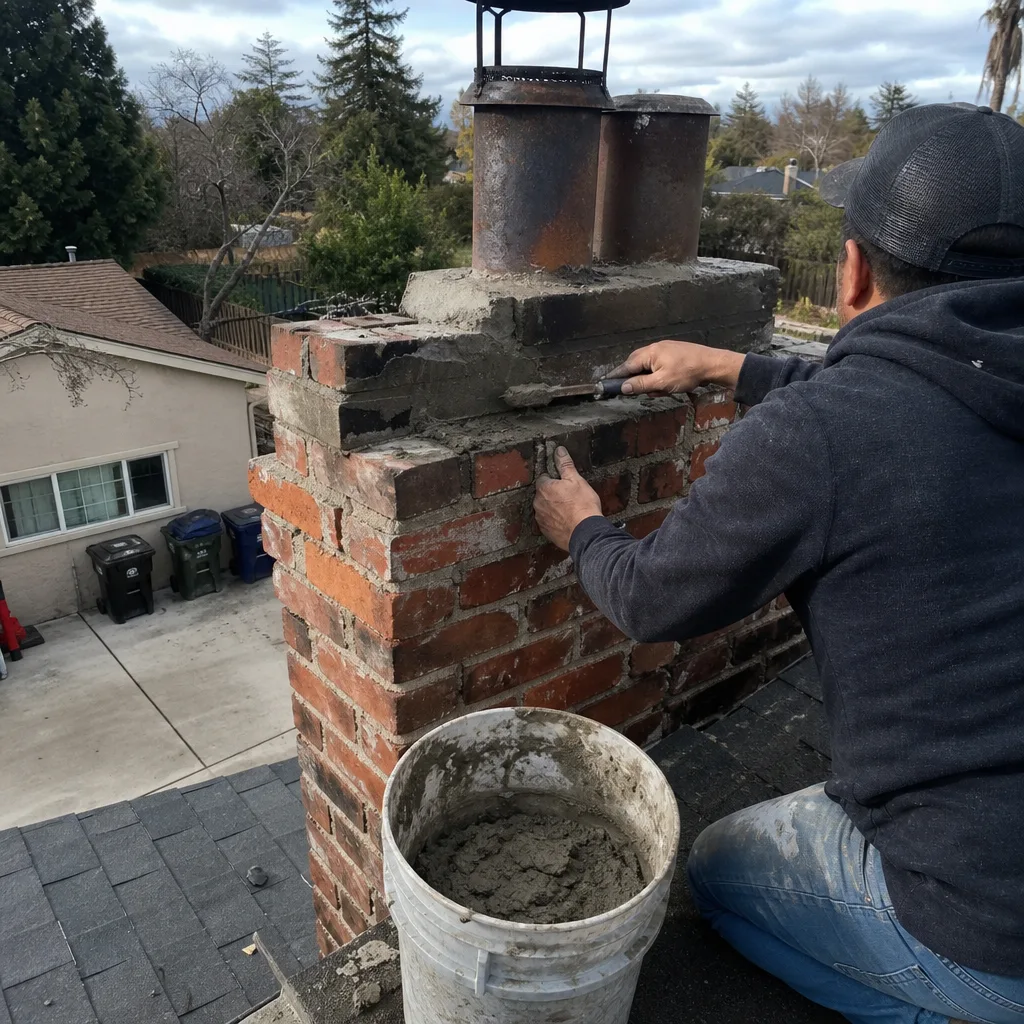
Hiring a chimney cleaning contractor in San Jose comes down to documentation habit, not credential accumulation. Ask three questions: written scope and price before work, camera footage of the flue, and written warranty terms. Verify the CSLB license shows C-61/D-49 classification. Request a sample completed job report. Expect to pay $240-$320 for a proper sweep with Level 2 inspection, and never authorize work based on verbal estimates or undocumented “discoveries.”
The contractors who’ve built systems around these practices will answer your questions without hesitation. The ones who haven’t will deflect, delay, or disappear. Your chimney’s condition deserves evidence you can hold in your hand.
Written by Corrine Halstead, Owner at Level Two Chimney San Jose, serving San Jose since 2009.