
Last updated September 22, 2026
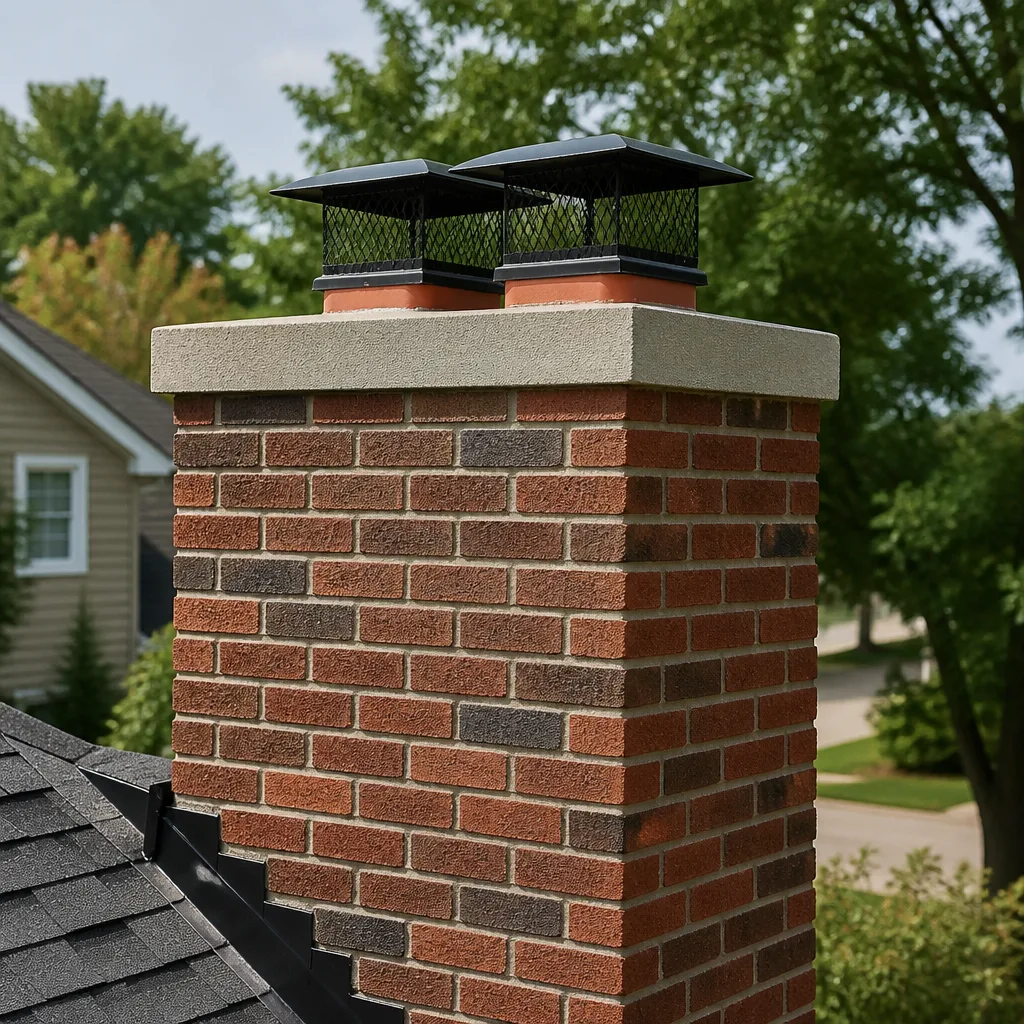
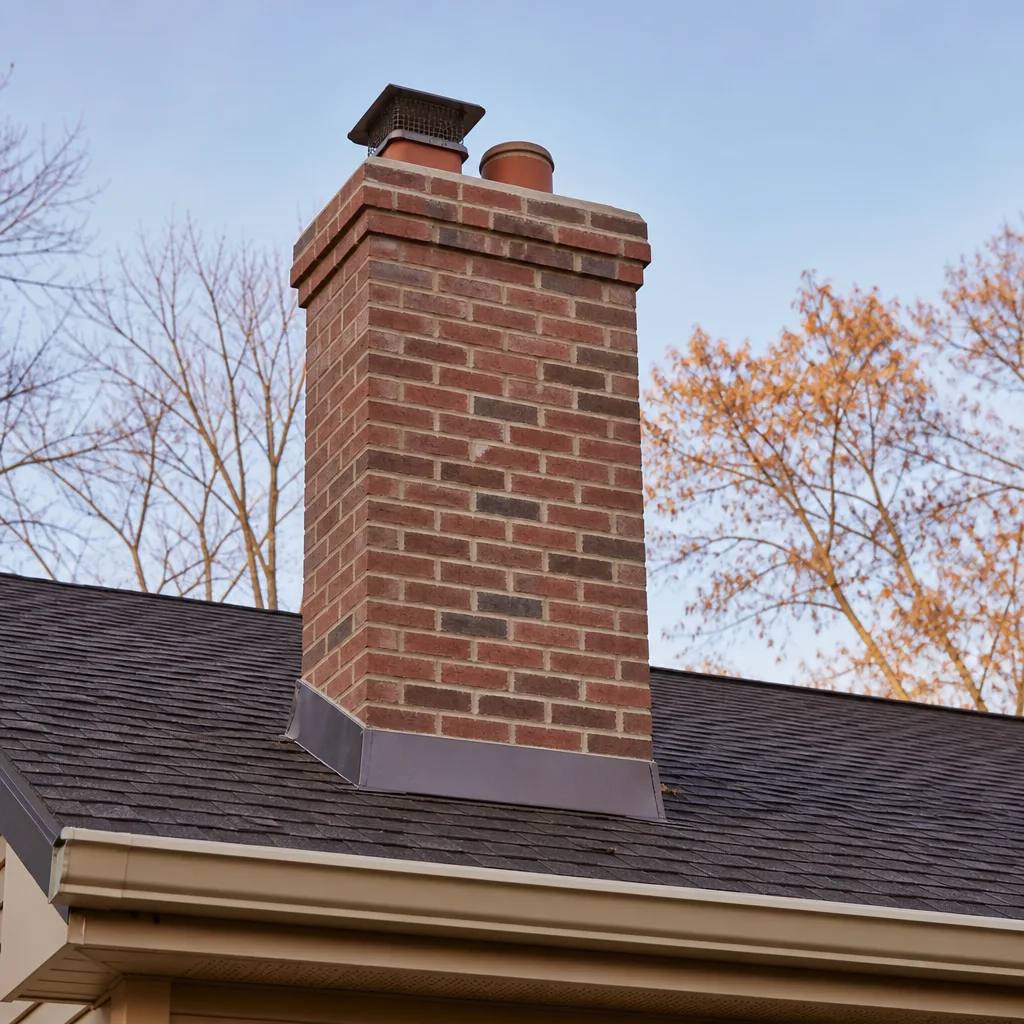
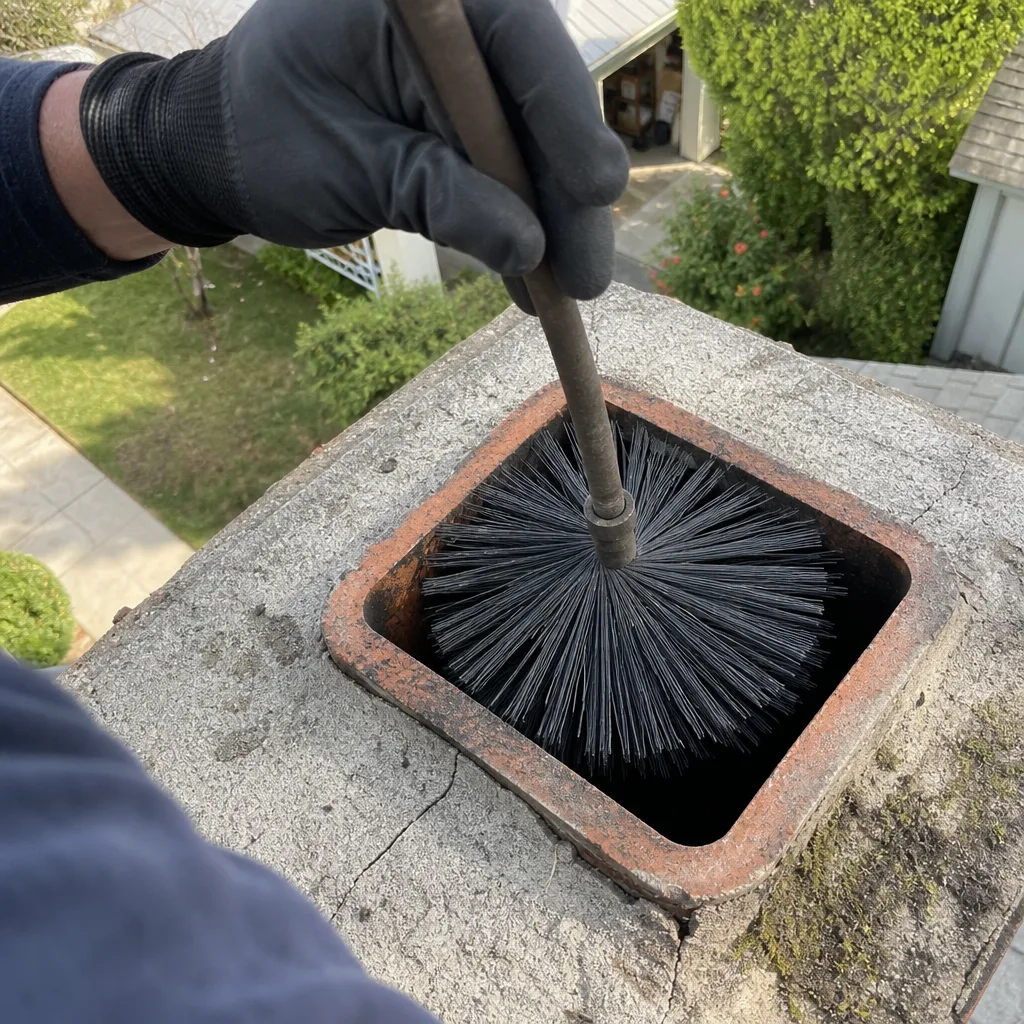
Level 1 sweep and inspection to the NFPA 211 annual standard - flue, crown, cap, and flashing checked and photographed
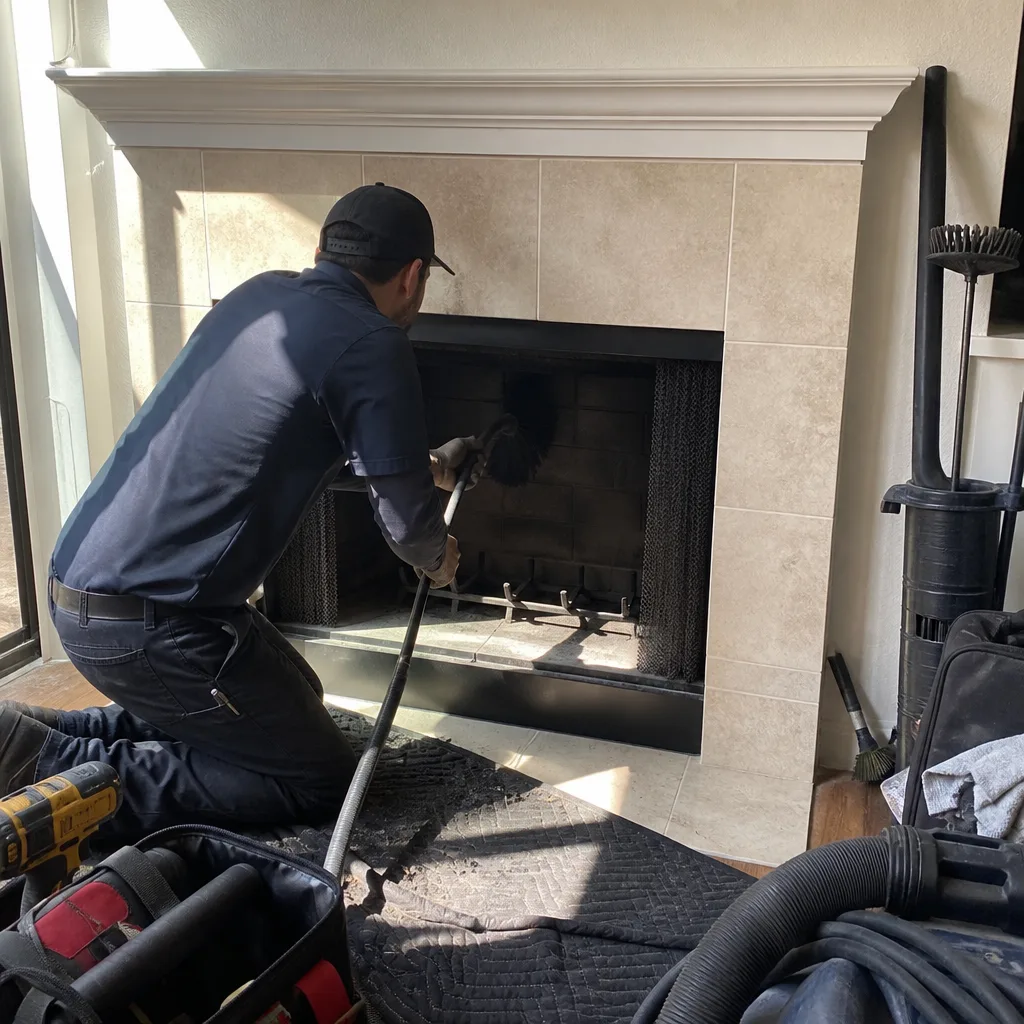
Chimney sweep logs do not sweep chimneys. They loosen some creosote - which then falls where a brush and vacuum still have to collect it.
Flue relining
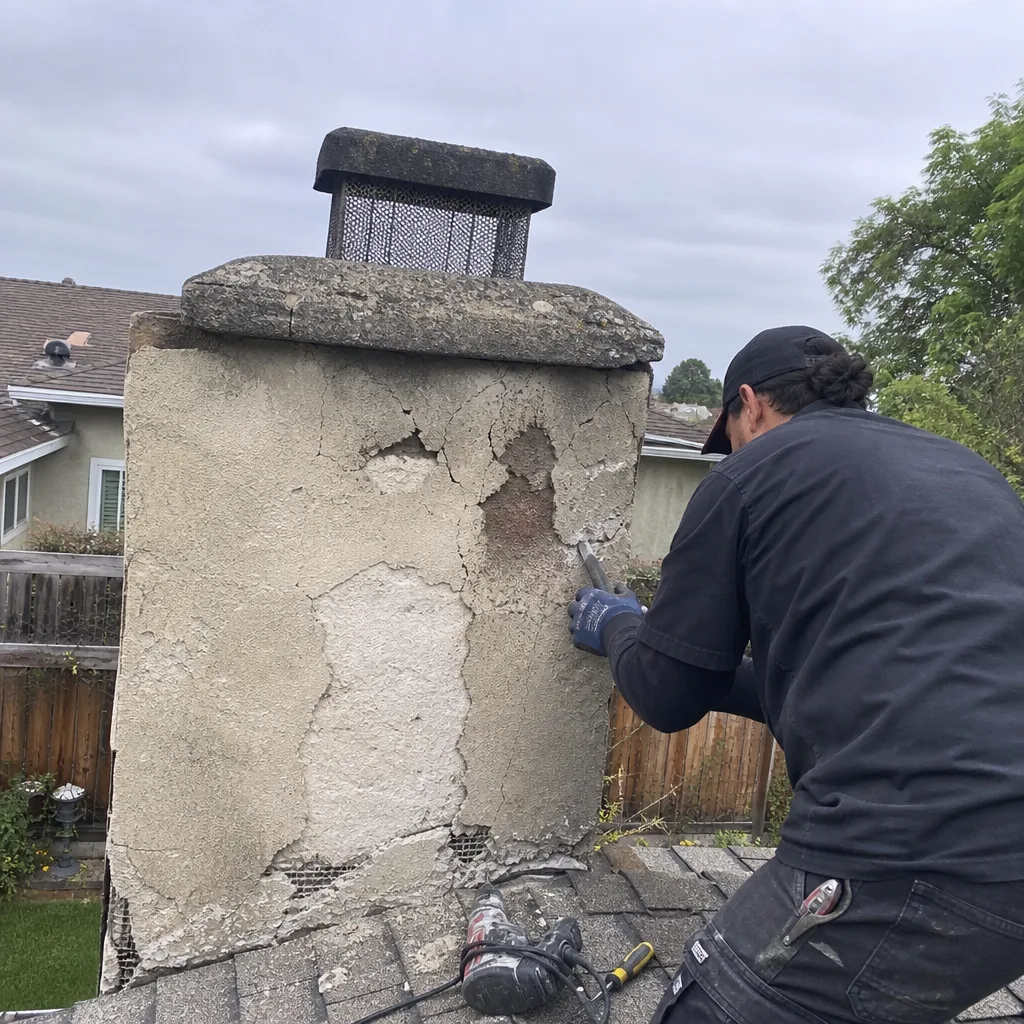 Before
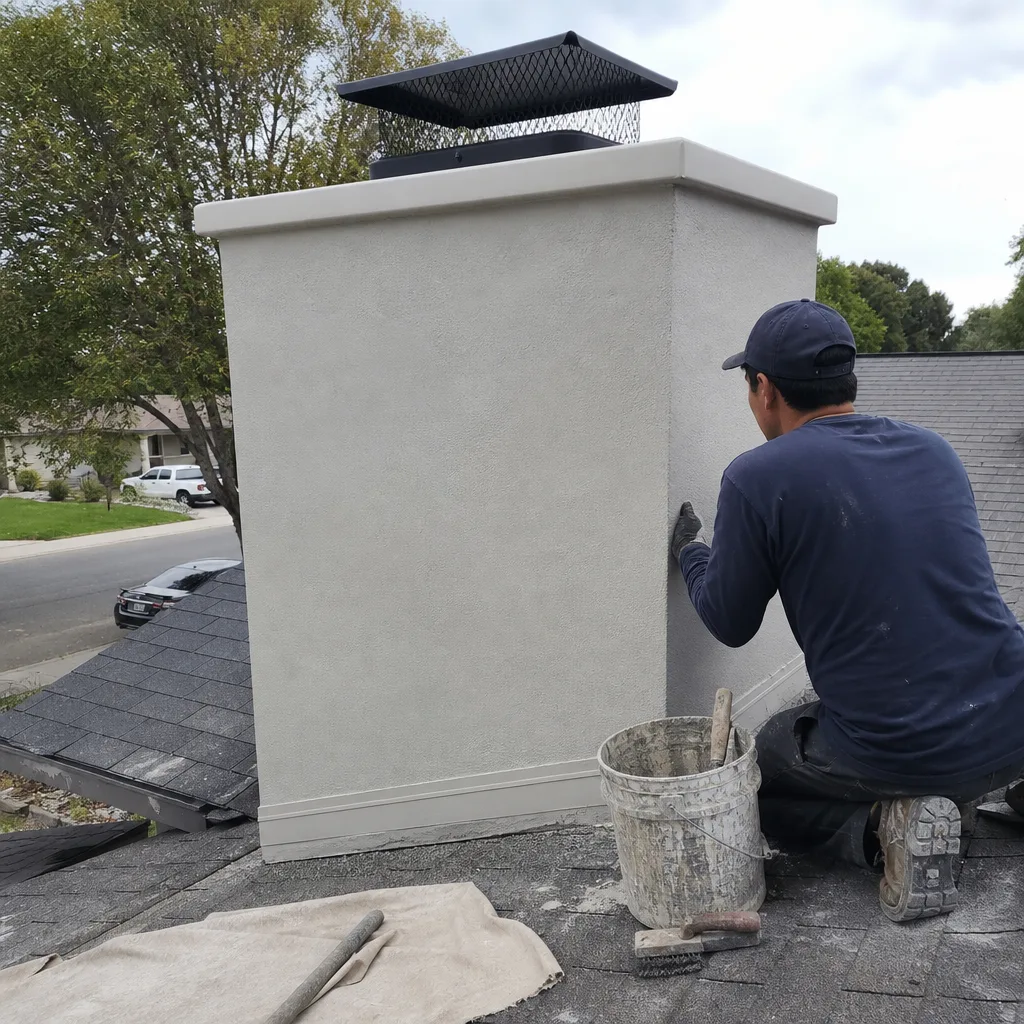 After
After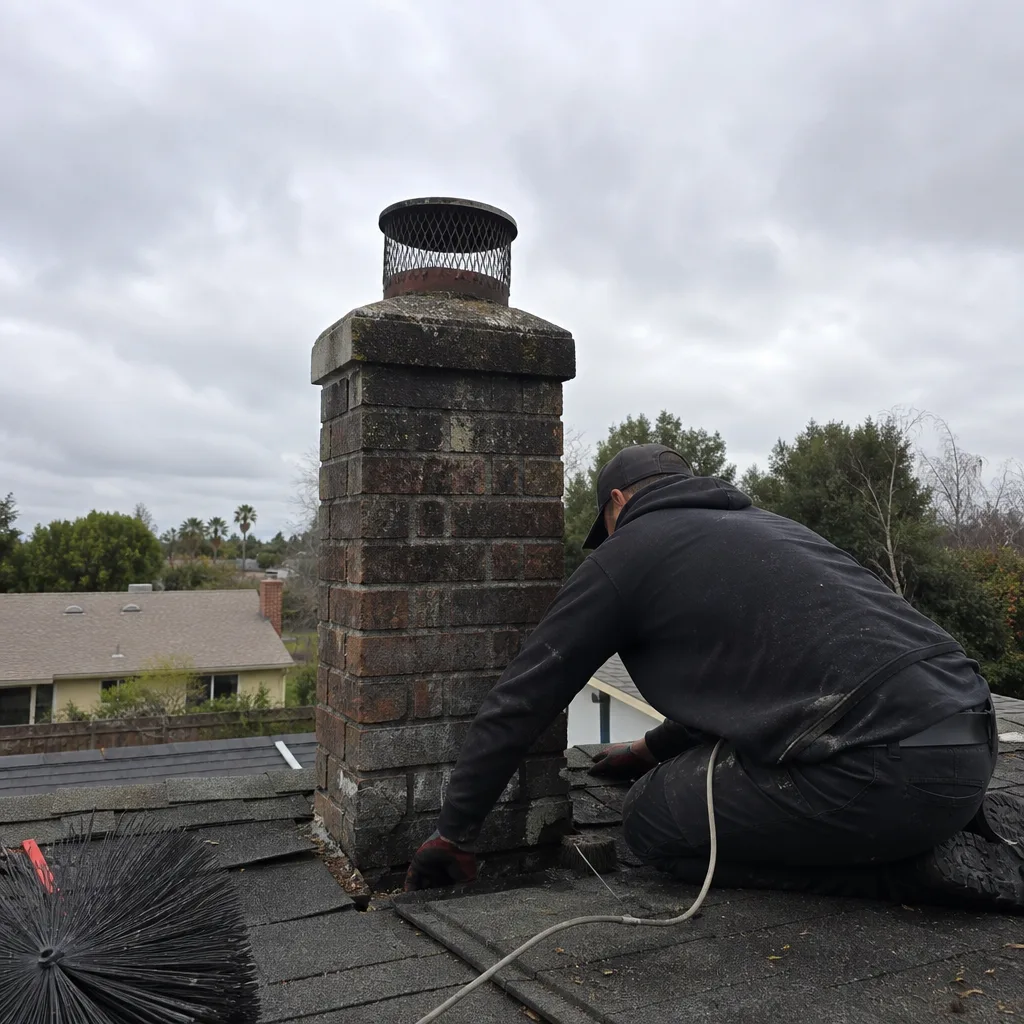 Before
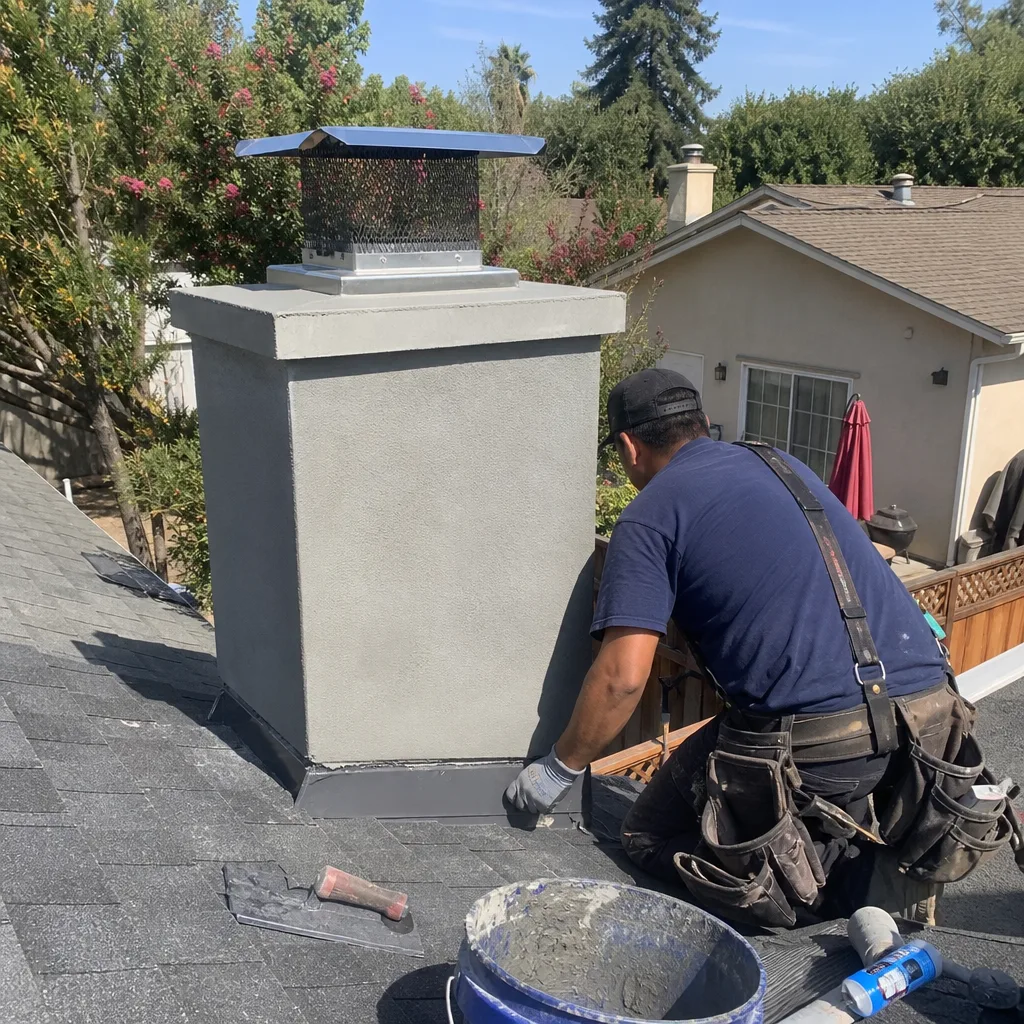 After
After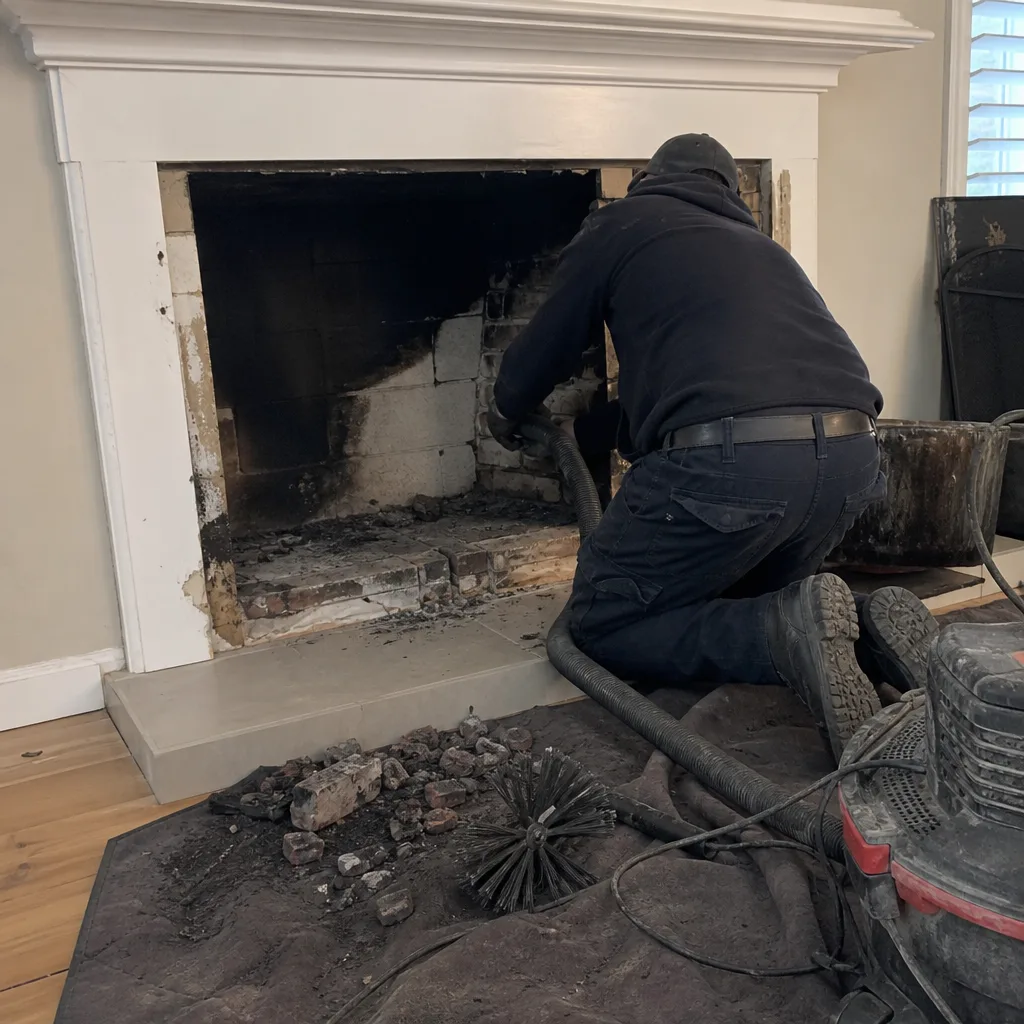 Before
 After
AfterChimney Cleaning Cost Breakdown: The San Jose Homeowner’s Reference for 2026
The $99 chimney cleaning special and the $450 documented sweep often use the same brush. The price difference is entirely in what comes out of the visit: a verbal thumbs-up versus camera footage, a written warranty, and a paper record you can hand to an insurer. In San Jose, where home values in Willow Glen and Almaden Valley routinely clear $1.5 million and insurance adjusters increasingly request inspection documentation after regional wildfire seasons, that distinction matters more than most homeowners realize. This guide breaks down exactly what San Jose chimney cleaning costs in 2026, line item by line item, so you can tell real value from upsell theater. For related reading, see our Chimney Cleaning Warning Signs: A San Jose Homeowner’s Reference Guide.
Quick Answer
A basic chimney sweep in San Jose costs $99-$180 for a straightforward cleaning with no inspection documentation. A documented NFPA 211 Level 2 inspection with camera scan, photo record, and written report runs $280-$450. Chemical treatment for Stage 2 creosote adds $150-$300, and rotary cleaning for Stage 3 glazed creosote can push the total to $600-$800. The full range depends on flue condition, roof access difficulty, and whether the contractor provides written pricing before work starts.
Table of Contents
- What Drives Chimney Cleaning Prices in San Jose
- Price by Service: Line-Item Breakdown for 2026
- The Real Cost of Deferred Cleaning: Creosote Stages Explained
- Level 1 vs. Level 2 Inspection: Why the Price Gap Exists
- Legitimate Add-Ons vs. Soft Upsells
- How to Lock In a Written Quote Before Work Starts
- San Jose-Specific Factors: Climate, Codes, and Roof Access
- Common Mistakes to Avoid
- When to Call a Professional
- Frequently Asked Questions
- The Bottom Line
 Before
 After
AfterWhat Drives Chimney Cleaning Prices in San Jose
Three forces shape every chimney cleaning quote in Santa Clara County: labor cost, liability exposure, and documentation standard. San Jose sits in one of the nation’s most expensive metro areas for skilled trade labor. A certified chimney technician here earns $35-$55 per hour, compared to $22-$32 in Fresno or Bakersfield. That gap flows directly into pricing, but it also explains why established companies invest in training, equipment, and insurance rather than racing to the bottom.
The second force is liability. California’s wildfire exposure has made insurers meticulous about chimney documentation. A cleaning without photo evidence of flue condition leaves the homeowner exposed if a fire originates in the chimney. Companies that carry proper general liability and workers’ compensation insurance in San Jose pay premiums reflecting that wildfire risk. The $99 operator often carries minimum coverage or operates without it. Ask for a certificate of insurance before booking. Any legitimate contractor provides one without hesitation.
The third force, documentation standard, is where the real price divergence happens. A basic sweep removes loose soot and debris. A Chimney Cleaning & Sweep in San Jose that follows NFPA 211 standards documents what the brush encountered: creosote class, liner integrity, crown condition, and clearance to combustibles. That documentation takes time, equipment, and training. It also produces the written record that insurers, home inspectors, and real estate transactions require.
Roof access difficulty adds a fourth variable specific to San Jose’s housing stock. Single-story ranch homes in Cambrian Park present straightforward ladder setups. Three-story hillside homes in Silver Creek, with terracotta tile roofs and steep pitches, require additional safety rigging and time. Some companies surcharge for steep or tile roofs; others bake it into a flat rate. Ask specifically.
Finally, seasonal demand creates predictable price pressure. October through January sees 60% of annual chimney bookings in the Bay Area. Companies with fixed capacity raise prices or extend lead times. Booking in August or September typically secures better availability and sometimes preseason rates.
Price by Service: Line-Item Breakdown for 2026
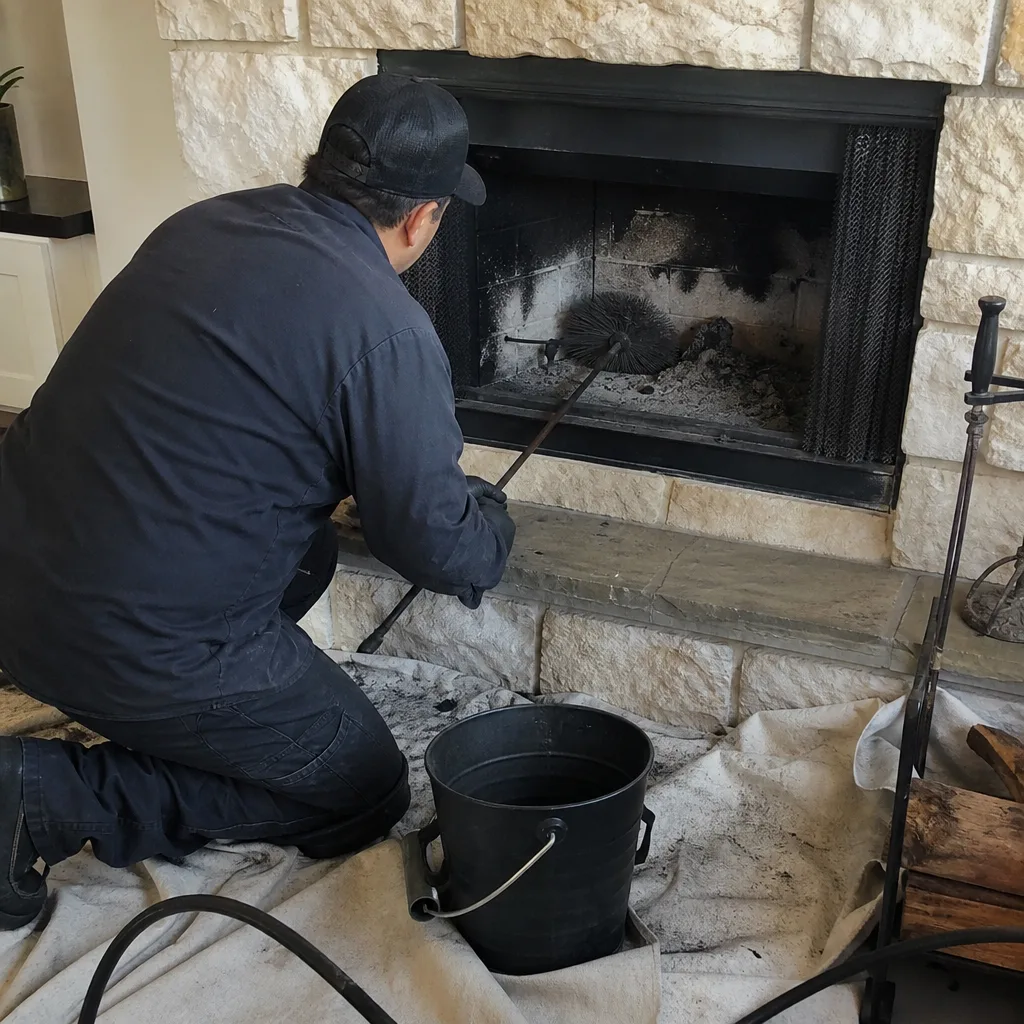
These ranges reflect San Jose market rates as of early 2026, drawn from our own pricing and competitive monitoring across Santa Clara County. Every range assumes a standard wood-burning fireplace with single flue and accessible roof.
| Service | Price Range | What It Includes |
|---|---|---|
| Basic sweep (no inspection) | $99-$180 | Brush cleaning of flue, smoke chamber, and firebox; debris removal; verbal condition summary |
| Level 1 inspection with sweep | $180-$280 | Visual inspection of accessible portions; written checklist; no camera, no roof inspection |
| Level 2 inspection with sweep | $280-$450 | Camera scan of full flue; photo documentation; roof and attic inspection; written report with findings and recommendations |
| Stage 2 creosote chemical treatment | $150-$300 | Application of creosote-modifying agent; return visit for removal after curing period |
| Stage 3 rotary cleaning | $300-$500 | Mechanical removal of glazed creosote with chains or whips; often requires multiple passes |
| Chimney cap replacement (standard) | $180-$350 | Galvanized or stainless steel cap; installation; critter and moisture protection |
| Chimney cap replacement (premium) | $350-$600 | Copper or custom-fabricated cap; extended warranty |
| Firebox refractory repair (minor) | $200-$400 | Panel replacement or crack sealing with HeatShield or similar refractory compound |
| Flue liner repair (spot) | $400-$800 | Localized liner patching or joint repair; camera-verified |
| Full liner replacement (stainless) | $2,500-$4,500 | Insulated stainless steel liner; proper sizing; connection to appliance; permit and inspection |
The gap between basic sweep and Level 2 inspection, $180-$270, represents the camera equipment, the additional 45-60 minutes on site, the photo archiving system, and the technician training to interpret what the camera reveals. For homeowners in San Jose’s older neighborhoods like Rose Garden or Naglee Park, where chimneys may date to the 1940s or 1950s, that gap is not optional. Deteriorated terra cotta liners, common in pre-1960 construction, show hairline cracks invisible from the firebox. Only camera documentation reveals them.
We price every job in writing before work starts, under Clause 1 of the Haven Standard. The scope, the price, and the warranty terms are on paper. The technician cannot add charges without a new written authorization. This eliminates the “while we were up there” surprise that generates most complaints in our industry.
The Real Cost of Deferred Cleaning: Creosote Stages Explained
Creosote accumulation follows a predictable progression, and the cost to address it escalates non-linearly. Understanding the stages helps explain why annual cleaning saves money long-term.
Stage 1: Fine soot and light flaky deposit. Brushes off easily during standard sweep. Cost: included in basic or Level 2 service. Time since last cleaning: typically 1-2 seasons of moderate use.
Stage 2: Crunchy, tar-like flakes that adhere to flue walls. Requires chemical modifier (PCR, Poultice Creosote Remover, or similar) to break down before mechanical removal. The product needs 24-72 hours to cure. A second visit is required. Cost: $150-$300 additional. Time since last cleaning: typically 2-4 seasons.
Stage 3: Glazed, hardened creosote, glossy and dense. Forms when Stage 2 is heated repeatedly without removal. Requires rotary mechanical cleaning with chains, whips, or specialized cutting heads. Multiple passes. High risk of liner damage if executed improperly. Cost: $300-$500 additional, with possible liner repair if the cleaning reveals damage. Time since last cleaning: typically 3+ seasons, or frequent smoldering fires.
The math is stark. A homeowner who sweeps annually at $280-$450 spends $1,400-$2,250 over five years. A homeowner who skips three seasons, accumulates Stage 3 creosote, and needs rotary cleaning plus potential liner work spends $600-$1,300 in a single visit, with elevated fire risk in the interim and possible structural damage. In San Jose, where the Santa Clara County Fire Department responds to 40-60 chimney fires annually, the safety cost compounds the financial one.
Our 38,000+ inspections since 2009 show a clear pattern in San Jose’s climate. The combination of mild winters (encouraging partial burns and smoldering) and marine moisture creates ideal conditions for Stage 2 progression. Homeowners who burn on weekend evenings only, thinking light use means less maintenance, often present the worst creosote. Incomplete burns produce more uncombusted hydrocarbons than hot, active fires.
Level 1 vs. Level 2 Inspection: Why the Price Gap Exists
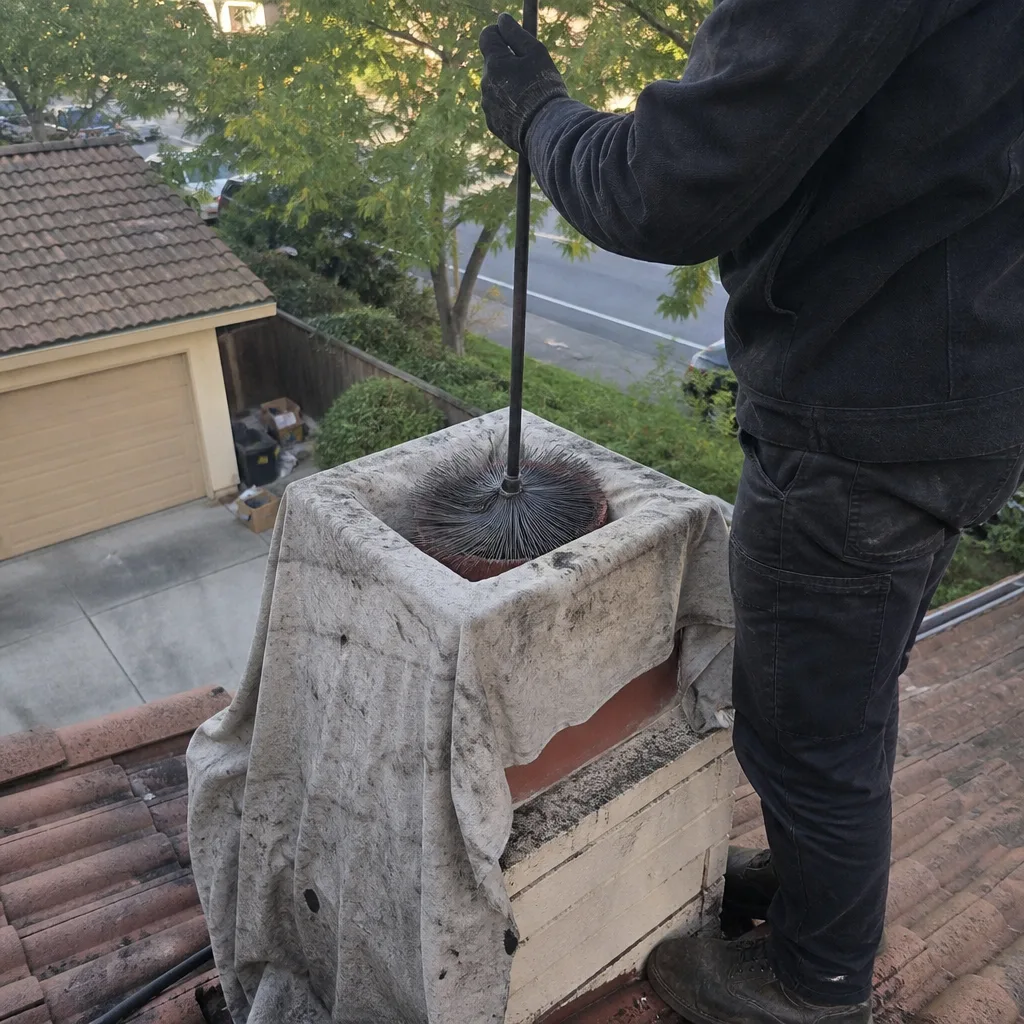
NFPA 211 defines three inspection levels. Most San Jose homeowners encounter only Level 1 and Level 2. The distinction is not marketing language; it is a documented standard with specific protocols.
A Level 1 inspection is a visual examination of readily accessible portions of the chimney exterior, interior, and connecting appliance. The technician uses a flashlight and mirror. No tools are used to open or remove components. No camera enters the flue. The output is typically a checklist. This is appropriate when the chimney has not changed, no problems are suspected, and the appliance is the same as the previous inspection. Price with sweep: $180-$280.
A Level 2 inspection adds camera documentation of the full flue interior, roof inspection of the crown and cap, and attic inspection of clearances where accessible. It is required when property changes hands, after chimney fire or seismic event, or when the appliance or liner is replaced. The camera scan produces video or still imagery showing liner condition, joint alignment, and obstructions. Price with sweep: $280-$450.
The operational difference is substantial. A Level 1 inspection of a 25-foot flue takes 10-15 minutes. A Level 2 camera scan takes 45-60 minutes, plus setup and documentation time. The camera system itself represents $3,000-$8,000 in equipment investment. The technician must be trained to interpret what the camera reveals: distinguishing between surface staining and active deterioration, identifying displaced liner joints, recognizing the early spalling (surface flaking) that precedes structural failure.
In our experience across San Jose neighborhoods, the flashlight check misses critical conditions in roughly 15% of inspections. Hairline cracks in terra cotta liners, mortar joint erosion, and partial blockages from deteriorated chimney swift nests are invisible from the firebox. The camera finds them. That is why Clause 4 of the Haven Standard requires a photo record on every job we perform, not as an upgrade but as baseline practice since 2009.
Real estate transactions in San Jose increasingly require Level 2 documentation. Buyers in competitive markets like Willow Glen or Japantown use inspection findings in negotiation. Sellers who cannot produce documentation face price concessions or repair credits. The $180-$270 premium for Level 2 pays for itself in transaction leverage.
Legitimate Add-Ons vs. Soft Upsells
Not every recommended additional service is a cash grab. But the chimney industry has enough bad actors that homeowners should distinguish between evidence-based recommendations and pressure tactics.
Legitimate add-ons with clear diagnostic criteria:
- Chimney cap replacement when the existing cap is rusted, missing mesh, or improperly sized. Evidence: photo of corrosion, measurement showing gap larger than 3/4 inch that admits animals.
- Crown sealing when hairline cracking is visible and water intrusion is documented. Evidence: photo of crack pattern, moisture meter reading of adjacent masonry.
- Liner repair or replacement when camera scan shows gaps, cracks, or improper sizing for the appliance. Evidence: camera footage with measurement overlays, NFPA 211 sizing calculation.
- Smoke chamber parging (smoothing with refractory mortar) when corbelled brick creates turbulence and creosote accumulation. Evidence: camera footage showing rough surface and buildup pattern.
Soft upsells to question:
- “Your chimney needs waterproofing” without evidence of active leaks or spalling. Waterproofing sealants on sound masonry are often unnecessary in San Jose’s dry-summer climate.
- “You need a new liner” based solely on age, without camera evidence of failure. Terra cotta liners can function for 50+ years if intact.
- “Urgent crown rebuild” for hairline cracks that can be sealed. Full crown replacement ($800-$1,500) should follow documented deterioration, not visual concern.
- Any recommendation delivered verbally after work has begun, without written scope and price. This is the classic escalation pattern: technician arrives for $99 sweep, discovers “dangerous condition,” demands immediate expensive repair.
The Haven Standard’s Clause 1 exists specifically to prevent this. Written price before work starts means the technician cannot escalate mid-job. If new conditions are found, the work stops, new scope is written, and the homeowner approves or declines. No exceptions in 38,000 jobs since 2009.
We source materials through our Haven buying network from DuraFlex, HeatShield, Gelco, and Olympia Chimney specifically to keep customer prices honest. Manufacturer-direct procurement eliminates distributor markup that inflates competitor quotes.
How to Lock In a Written Quote Before Work Starts
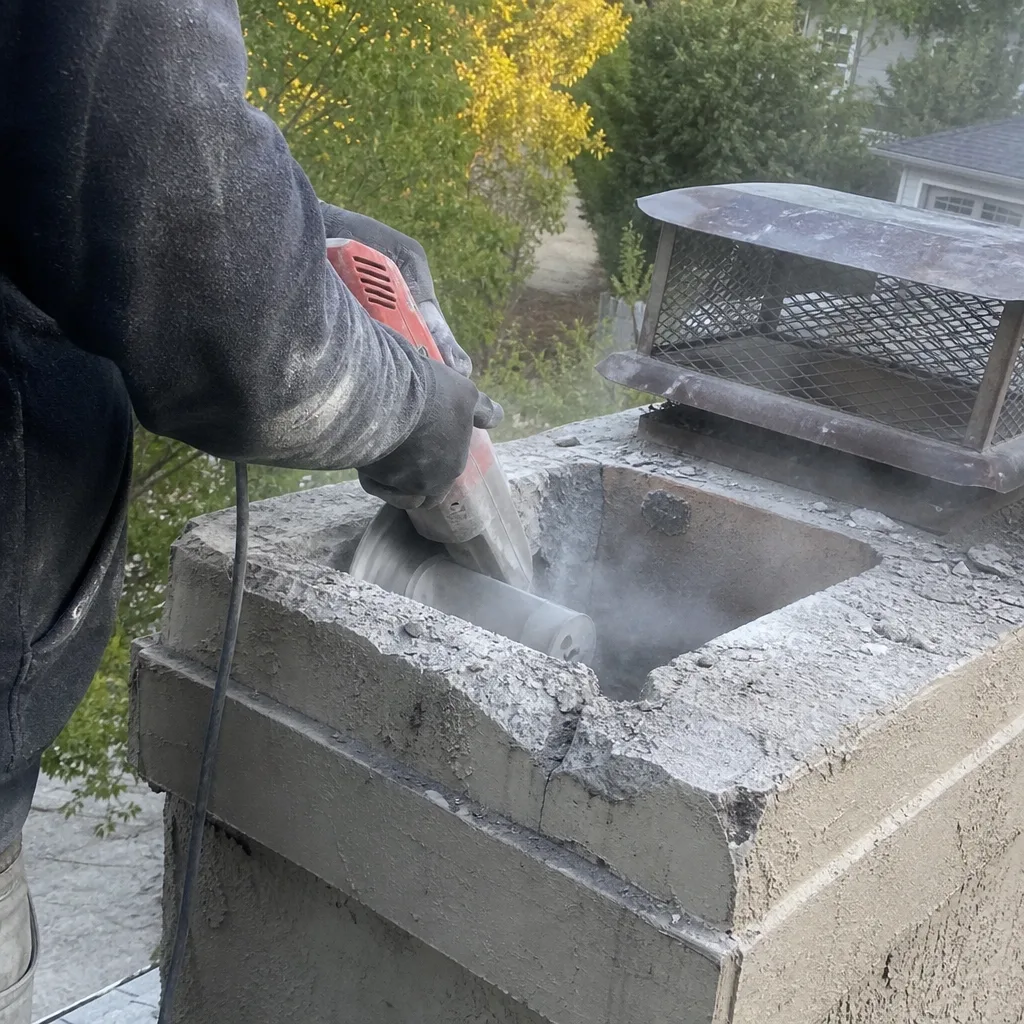
A written quote is not a nicety in chimney work. It is the primary defense against bait-and-switch pricing. Here is how to obtain and verify one.
- Request itemized scope before scheduling. A legitimate company emails or texts a written scope with line items: sweep, inspection level, any treatments, and material specifications. Vague language like “cleaning and inspection” without specificity is a red flag.
- Confirm inspection level explicitly. Ask: “Does this include a camera scan of the full flue?” If the answer is equivocal, assume Level 1 or less.
- Verify documentation deliverables. What does the homeowner receive? Photos? Video? Written report? How soon? We provide photo records within 24 hours via email, archived under Haven Standard Clause 4.
- Ask about technician assignment. Will a named, background-checked technician arrive? Or a rotating subcontractor? We assign named technicians and text when they are en route.
- Request proof of insurance. General liability and workers’ compensation certificates should be available on request. In California, workers’ comp is mandatory for companies with employees. Absence suggests illegal operation.
- Get warranty terms in writing. What is covered and for how long? Our 365-Day Done Right Promise covers workmanship defects; manufacturer warranties cover materials.
If a contractor refuses written pricing, the reason is usually that the business model depends on in-home upselling. The $99 special exists to get a foot in the door. The average invoice from these operators, based on consumer complaints filed with the California State License Board, runs $400-$800 after “discoveries.”
Our practice is the inverse. We diagnose, document, and price before any work begins. The homeowner sees what we see via camera footage, understands the scope, and approves the price. Only then does the brush enter the flue. This is slower. It is also why our complaint rate is negligible across 38,000 jobs.
San Jose-Specific Factors: Climate, Codes, and Roof Access
San Jose’s geography and regulatory environment create conditions that affect chimney maintenance cost and urgency.
Climate: The Mediterranean climate, with dry summers and mild, wet winters, produces unique wear patterns. Thermal cycling, summer heat followed by winter rain, accelerates crown and mortar deterioration. The lack of hard freezes reduces frost spalling compared to mountain regions, but the moisture-dryness oscillation creates its own stress. In hillside neighborhoods like Almaden Valley and Communications Hill, wind exposure increases cap and crown weathering.
Air quality regulations: The Bay Area Air Quality Management District enforces Wood Burning Regulation 6, Rule 3, which restricts wood burning on Spare the Air days and requires EPA-certified devices in new installations. While this does not directly affect cleaning cost, it affects appliance selection and liner sizing. Homeowners upgrading to EPA-certified inserts often need liner resizing, which triggers Level 2 inspection requirements.
Seismic considerations: San Jose’s location on the Hayward Fault and proximity to the San Andreas Fault means chimneys have experienced cumulative seismic stress even without major recent events. The 1989 Loma Prieta earthquake damaged thousands of chimneys across Santa Clara County. Older unlined or partially lined chimneys are particularly vulnerable. A camera scan can reveal stress cracks invisible from below.
Roof access reality: Spanish and mission-style tile roofs, common in neighborhoods like Willow Glen and Rose Garden, cannot support ladder pressure directly. Technicians require walk boards or ridge hooks, adding setup time. Steep pitches on hillside homes require additional fall protection. Some companies surcharge $50-$100 for tile or steep roof access. Others, including Level Two, include this in standard pricing for most residential configurations.
Permit requirements: The City of San Jose requires permits for liner replacement, chimney rebuilds, and structural modifications. Permit fees run $150-$400 depending on project scope. A contractor who proposes major work without mentioning permits is either uninformed or evading oversight. We handle permit filing as standard on all projects requiring it.
Common Mistakes to Avoid
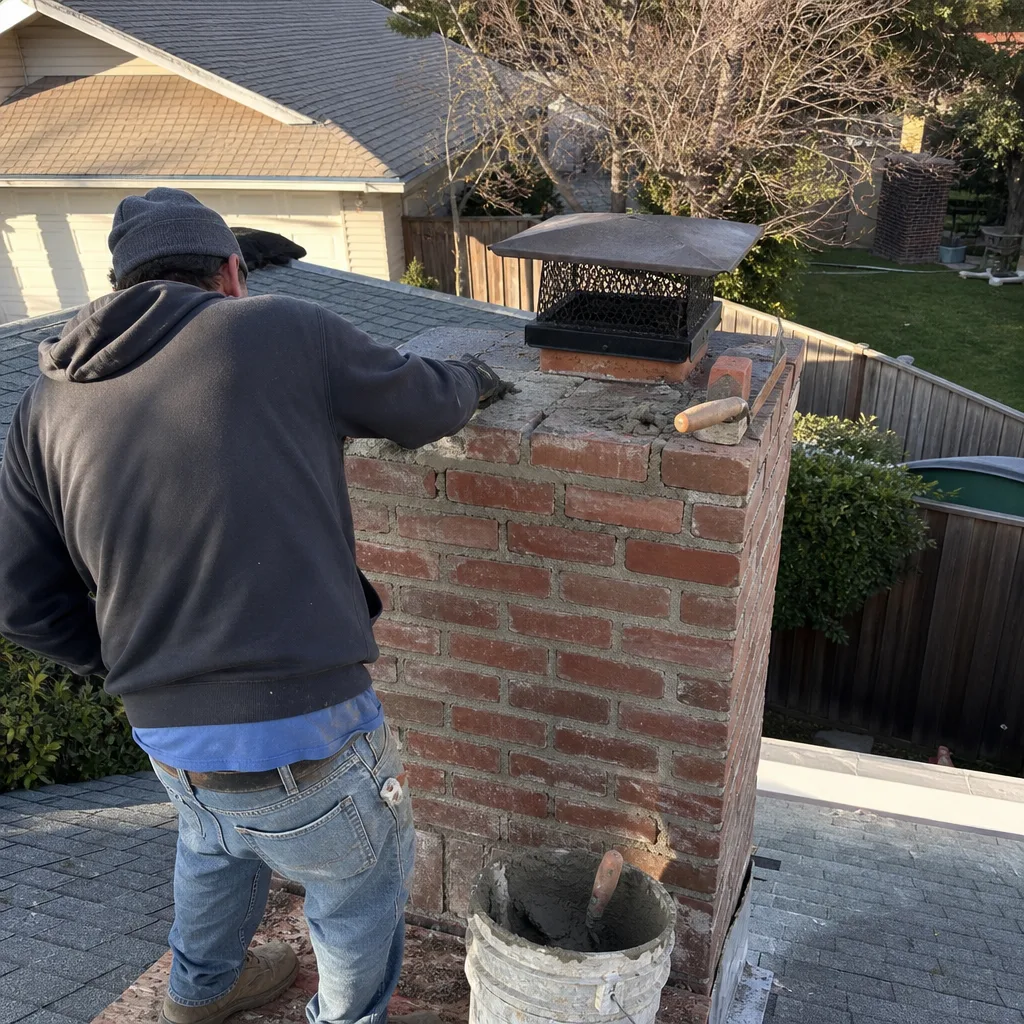
- Booking based on price alone without defining inspection level. The $99 special and the $400 documented sweep are not comparable services. Define what you need first, then compare prices for equivalent scope.
- Accepting verbal recommendations without photo evidence. Any condition requiring repair should be visible to you. If the technician says “your liner is cracked” but cannot show you the camera image, decline the repair.
- Skipping cleaning because of light use. In San Jose’s mild climate, infrequent smoldering fires produce more creosote than frequent hot fires. Annual inspection is the safer benchmark.
- Ignoring preseason scheduling. October booking attempts in the Bay Area often face 3-4 week delays. Schedule in August or September for fall readiness.
- Hiring unlicensed operators for roof work. California requires a C-29 masonry contractor license for structural chimney repairs. A C-61/D-49 (sweep specialty) or B-general license does not authorize rebuilds. Verify license class at cslb.ca.gov.
- Neglecting to request documentation for insurance. After a chimney fire or property sale, insurers and buyers want records. The verbal all-clear from a $99 sweep provides nothing.
- Assuming all “inspections” are equal. A flashlight look, a mirror on a pole, and a camera scan are three different standards with three different reliabilities. Ask specifically which you are receiving.
When to Call a Professional
Call for inspection before burning season if it has been more than 12 months since your last documented cleaning. Call immediately if you notice smoke drafting into the room, a strong tar odor during fires, visible creosote flakes in the firebox, or white efflorescence (salt deposits) on exterior brick indicating moisture intrusion. After any seismic event, even minor, a Level 2 camera inspection verifies structural integrity.
For homeowners in San Jose neighborhoods from Downtown to Silver Creek, from Almaden to Berryessa, Level Two Chimney San Jose home provides documented inspection and cleaning under the Haven Standard. We offer free estimates, free second opinions on any competitor’s written quote, and live phone support at any hour. Call (669) 291-2770 to schedule.
Frequently Asked Questions
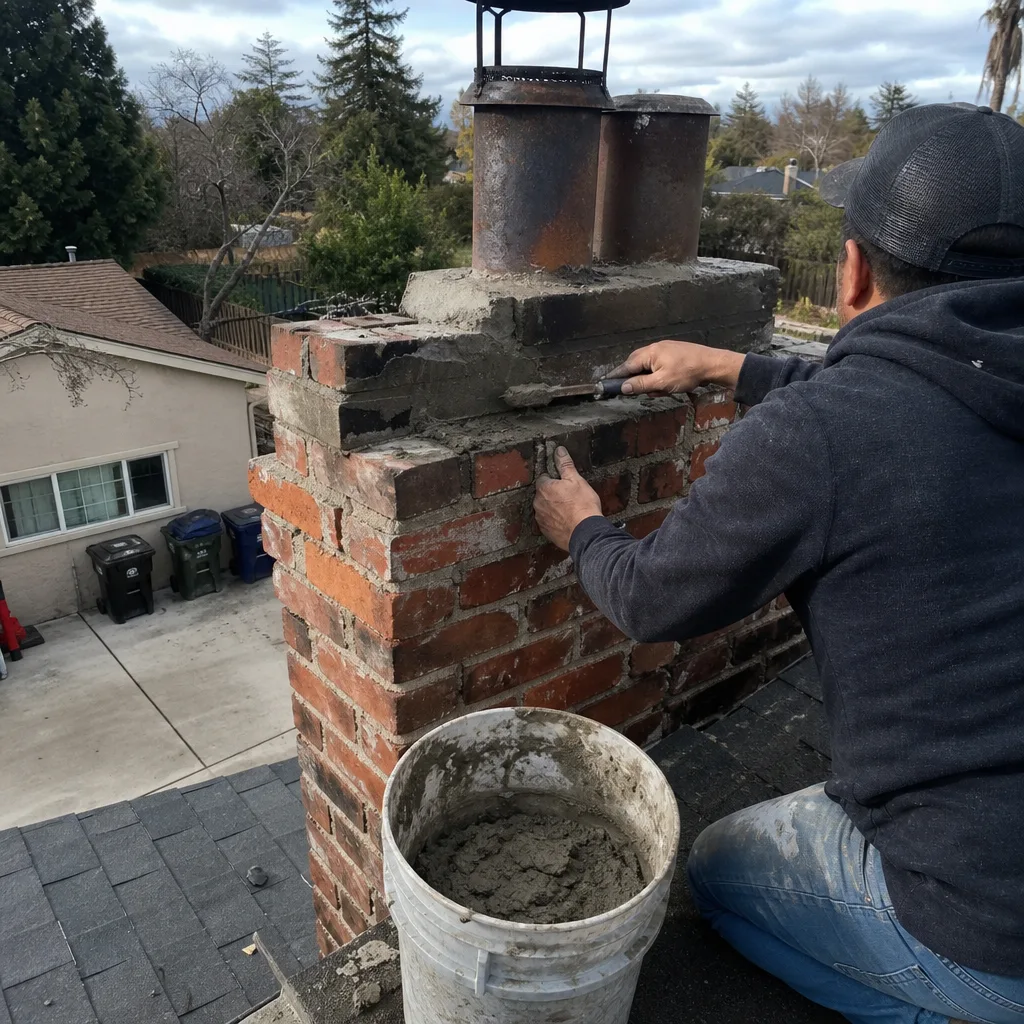
A basic sweep runs $99-$180, while a documented Level 2 inspection with camera scan and photo record costs $280-$450. Chemical treatment for Stage 2 creosote adds $150-$300, and rotary cleaning for Stage 3 glazed creosote can bring the total to $600-$800. Call (669) 291-2770 for a written quote specific to your chimney - estimates are free.
You need a new liner only if camera inspection reveals cracks, gaps, or improper sizing for your appliance, documented with footage you can see. Age alone does not mandate replacement. We provide free second opinions on any competitor’s liner replacement quote.
NFPA 211 recommends annual inspection, with cleaning frequency determined by creosote accumulation. In San Jose’s climate, with mild winters encouraging smoldering fires, annual inspection and cleaning as needed is the safest practice. Heavy users may need mid-season attention.
Skipped cleaning allows creosote progression from Stage 1 (brushable soot) to Stage 2 (chemical treatment required) to Stage 3 (rotary mechanical removal, $300-$500 additional). At any stage, accumulated creosote increases chimney fire risk and can produce carbon monoxide if drafting is obstructed. Deferred maintenance costs more and endangers occupants.
A Level 1 inspection is a visual check of accessible areas with flashlight and mirror, producing a checklist. A Level 2 inspection adds camera scan of the full flue, roof and attic inspection, and photo documentation, producing a written report with visual evidence. Level 2 is required for real estate transactions, after fires or seismic events, and when appliances change.
Homeowners can remove light soot from the firebox and smoke chamber with proper brushes, but flue cleaning requires roof access, fall protection, and the ability to evaluate liner condition. More critically, without camera inspection you cannot assess hidden deterioration. Given San Jose’s seismic history and the prevalence of older terra cotta liners, professional evaluation with documentation is the prudent approach. We do not recommend DIY flue cleaning.
They are not the same service. The $99 special typically includes brush cleaning and a verbal condition summary, with no documentation, no camera, and often no insurance. The $400 service includes NFPA 211 Level 2 camera inspection, photo record, written report, and warranty documentation. The same brush may be used, but the deliverables differ fundamentally.
The Bottom Line
San Jose chimney cleaning prices in 2026 range from $99 to $800+ depending on what the visit actually produces: a clean flue alone, or a clean flue with documented condition evidence you can use for insurance, real estate, and safety decisions. The $180-$270 premium for Level 2 inspection with camera documentation is not an upsell; it is the difference between guessing and knowing. Deferred cleaning escalates cost non-linearly through creosote stages. Written pricing before work starts, photo evidence for all recommendations, and warranty documentation are baseline standards, not luxuries. For homeowners who research before they call, the relevant question is not “how cheap?” but “how documented?”
Written by Corrine Halstead, Owner at Level Two Chimney San Jose, serving San Jose since 2009.