
Last updated September 22, 2026
Level 1 sweep and inspection to the NFPA 211 annual standard - flue, crown, cap, and flashing checked and photographed
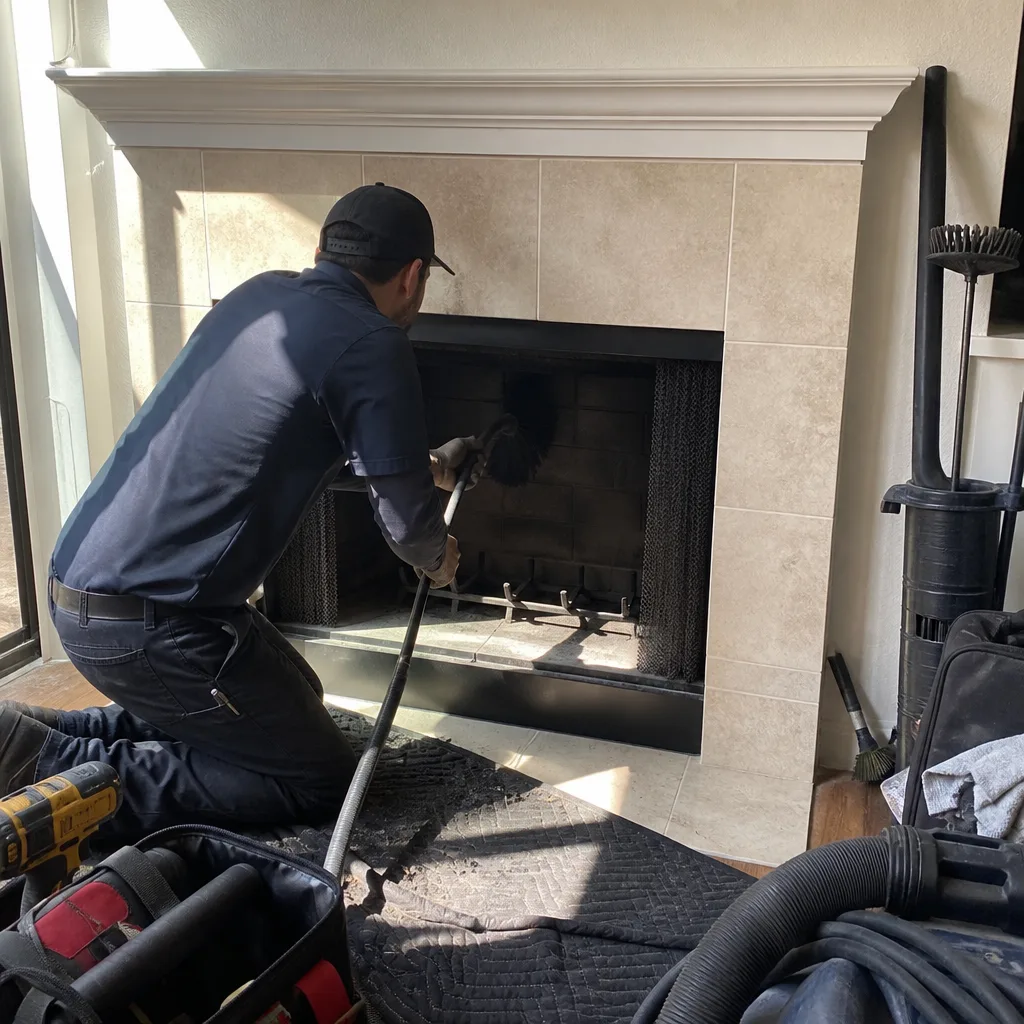
Chimney sweep logs do not sweep chimneys. They loosen some creosote - which then falls where a brush and vacuum still have to collect it.
Flue relining
 Before
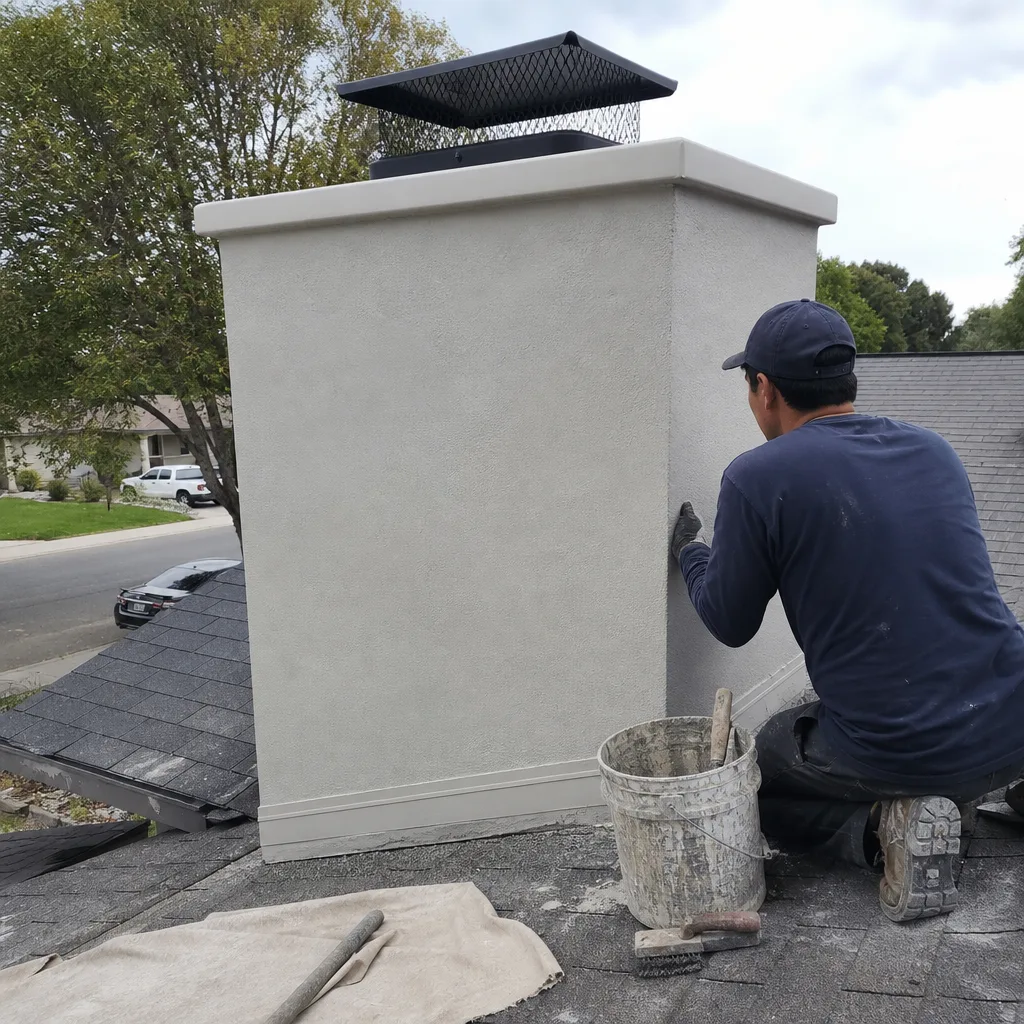 After
After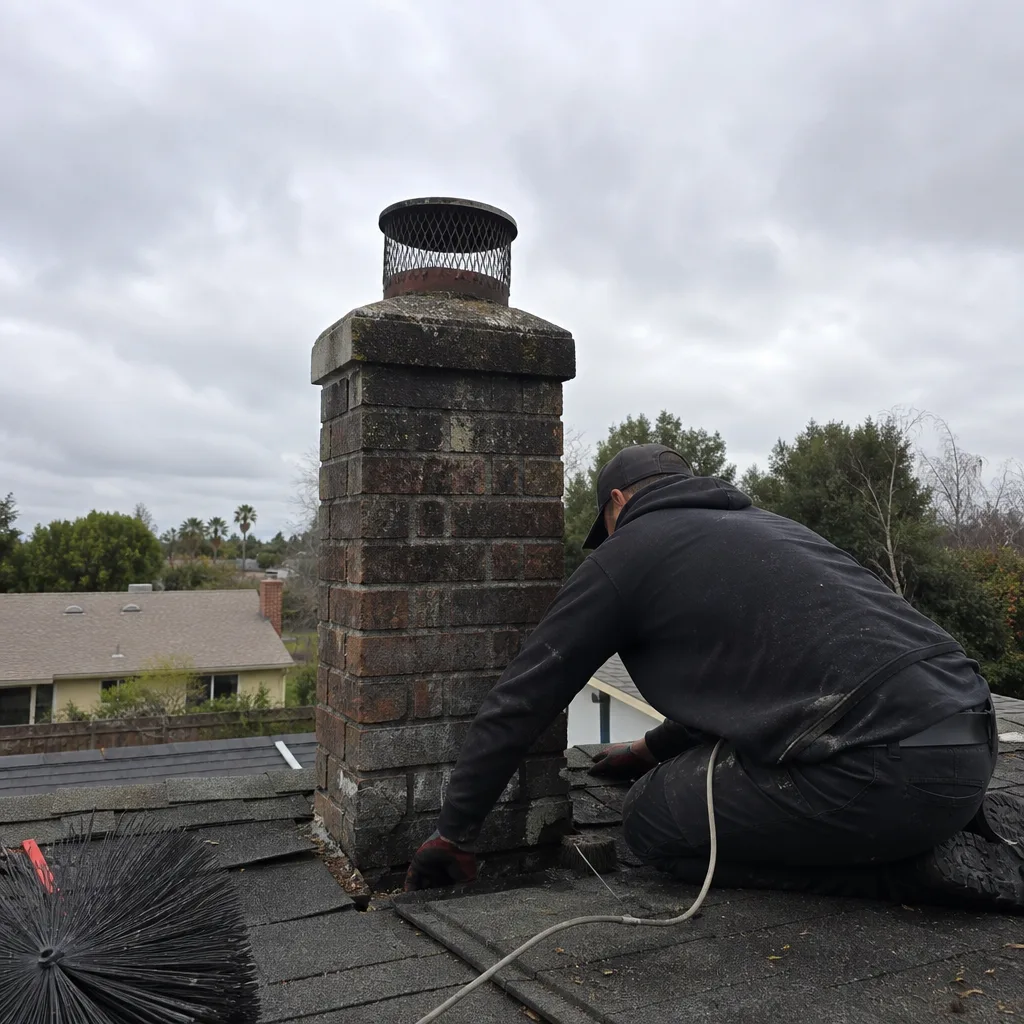 Before
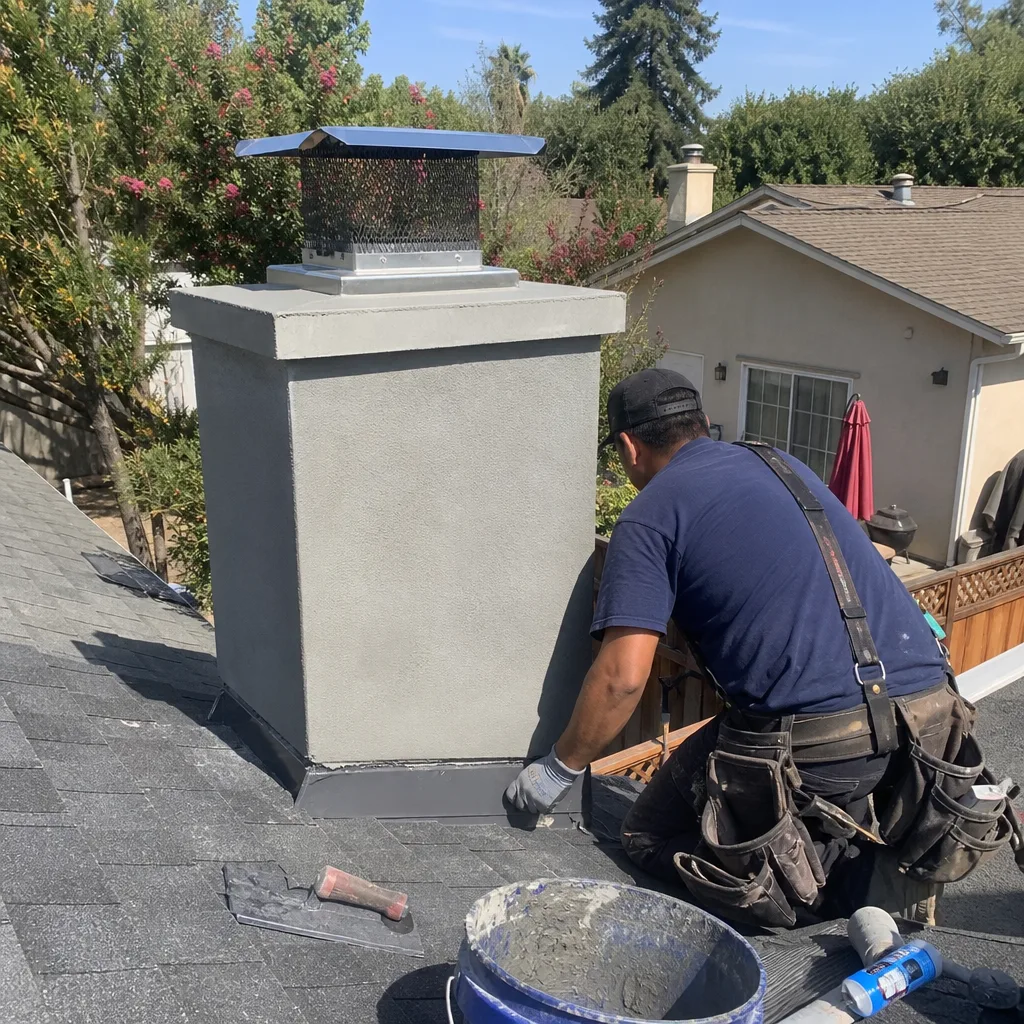 After
After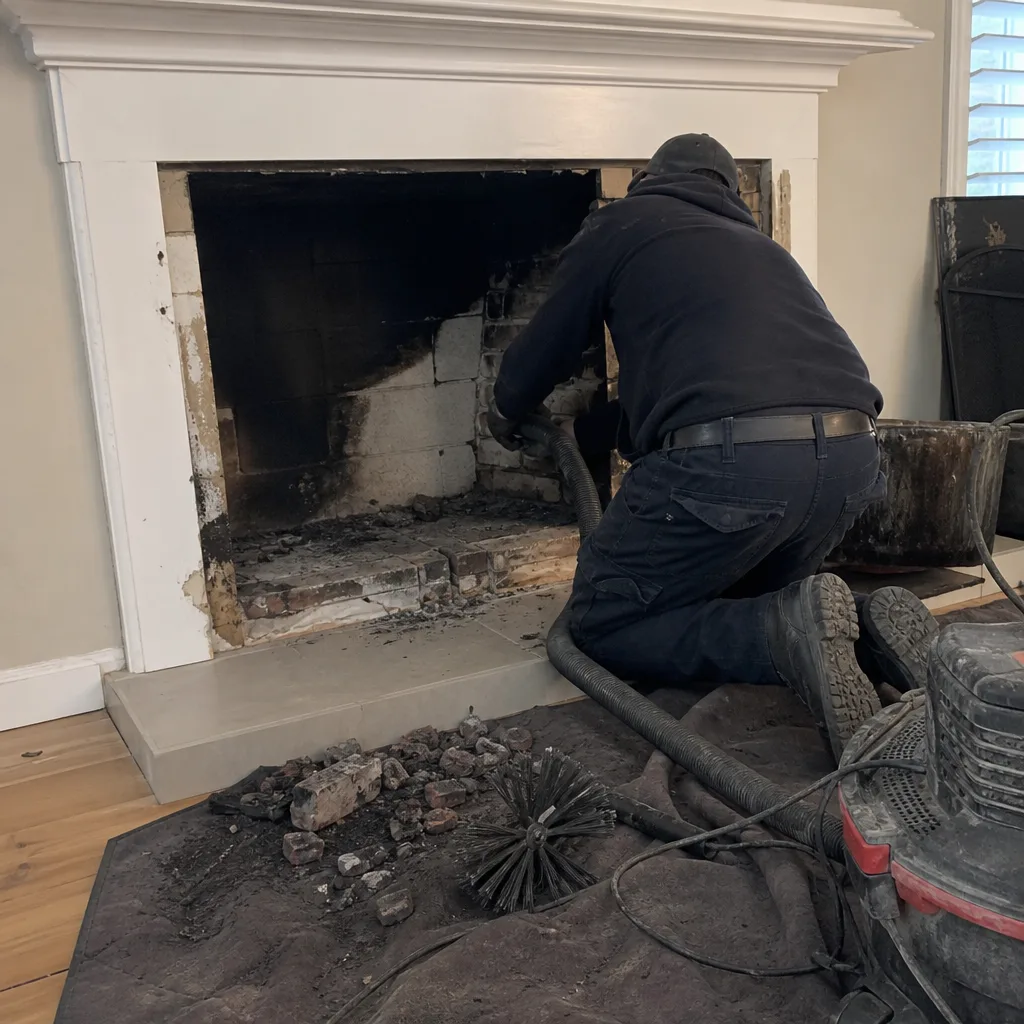 Before
 After
AfterChimney Cleaning & Sweep Maintenance Checklist for San Jose Homeowners
Here’s the thing about maintenance checklists: they’re only as good as the proof they leave behind. We’ve inspected over 38,000 chimneys across San Jose since 2009, and the homeowners who fare best in insurance claims, home sales, and safety outcomes aren’t the ones who “kept up with it.” They’re the ones who can produce dated photos, written findings, and a paper trail anyone can follow without calling them. In Santa Clara County’s Mediterranean climate, where coastal moisture creeps inland overnight and summer temperature swings stress masonry, a verbal promise that you “had it checked” dissolves fast. This guide gives you a checklist built around evidence each task was completed, not just attempted.
Quick Answer
A complete chimney maintenance checklist for San Jose homeowners includes annual Chimney Cleaning & Sweep with exterior inspection of mortar, crown, and cap; interior camera-scan verification of flue liner condition and creosote buildup; documented draft testing and damper operation; and organized photo records with written findings. Low-use gas inserts need annual inspection but may skip sweeping; wood-burning fireplaces used 20+ times per season require annual sweeping and Level 2 inspection under NFPA 211.
Table of Contents
- Exterior Checklist: Bay Area Conditions That Damage Chimneys
- Interior Checklist: What a Camera Reveals That Eyes Cannot
- What to Document Yourself Between Professional Visits
- How to Organize Your Maintenance Paper Trail
- Sweep Frequency for San Jose Burn Patterns
- What Chimney Maintenance Costs in San Jose
- Common Mistakes to Avoid
- When to Call a Professional
- Frequently Asked Questions
 Before
 After
AfterExterior Checklist: Bay Area Conditions That Damage Chimneys
San Jose sits in a tricky zone for masonry. We’re far enough inland to get hot, dry summers that pull moisture from mortar joints. Then the marine layer pushes through the Calaveras Fault gap on summer nights, reintroducing humidity before the sun bakes it out again. That wet-dry cycling is what causes spalling, the flaking you see on brick faces when water trapped in the masonry freezes and expands. Except here, it doesn’t always freeze. The damage comes from salt crystallization and thermal shock, which looks different and gets misdiagnosed by inspectors used to Midwest freeze-thaw patterns.
Here’s what to check, photograph, and date:
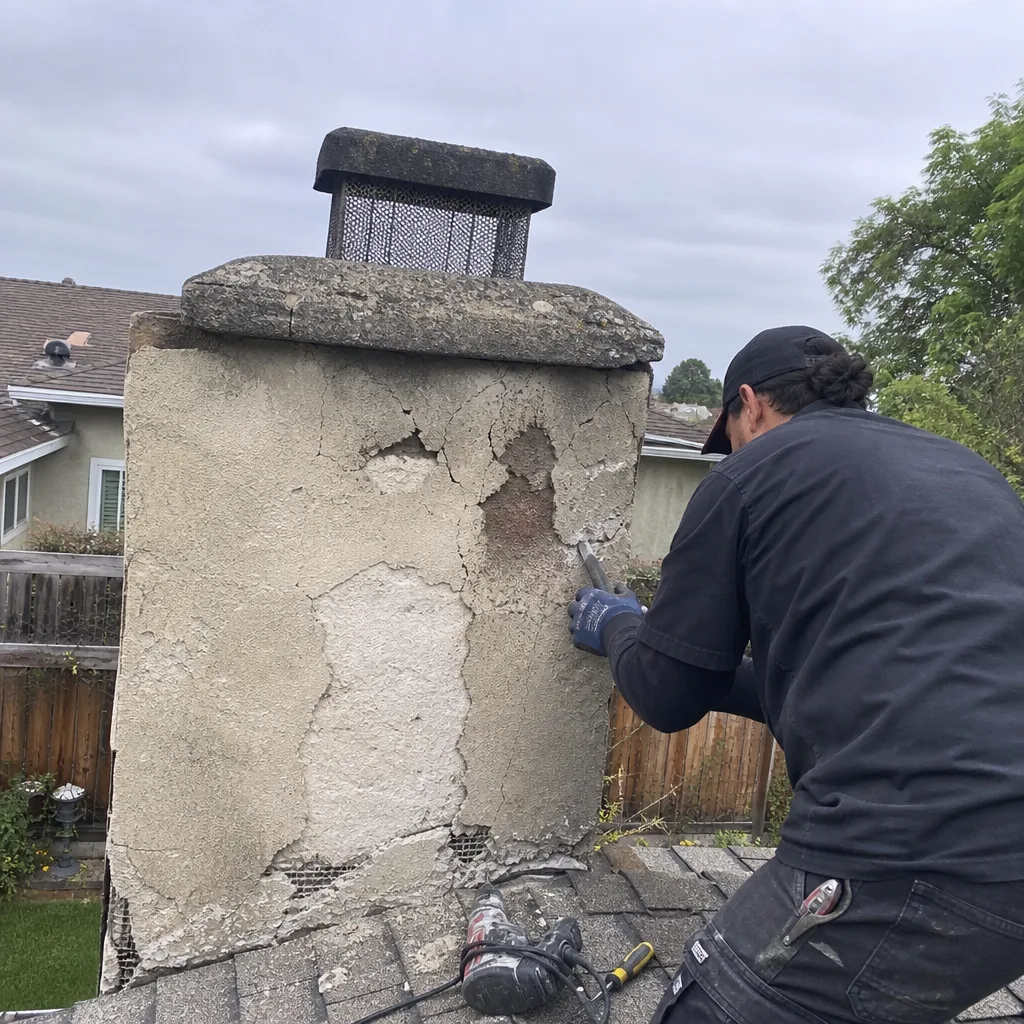
- Mortar joint integrity. Run a flathead screwdriver along horizontal bed joints. If you can dig out mortar powder to a quarter-inch depth, the joint is eroding. In Willow Glen and the Rose Garden, we see accelerated erosion on south-facing exposures where thermal cycling is most extreme. Photo the test spot with a coin for scale.
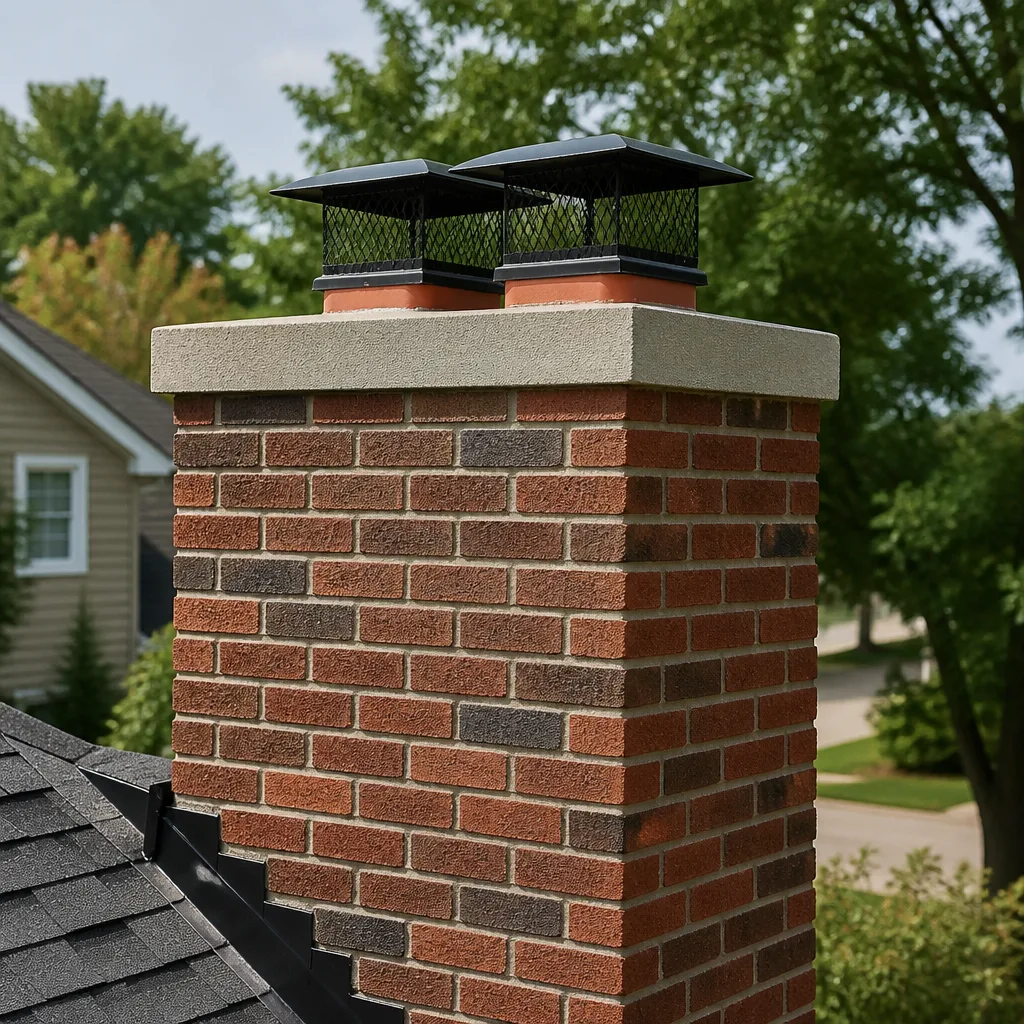
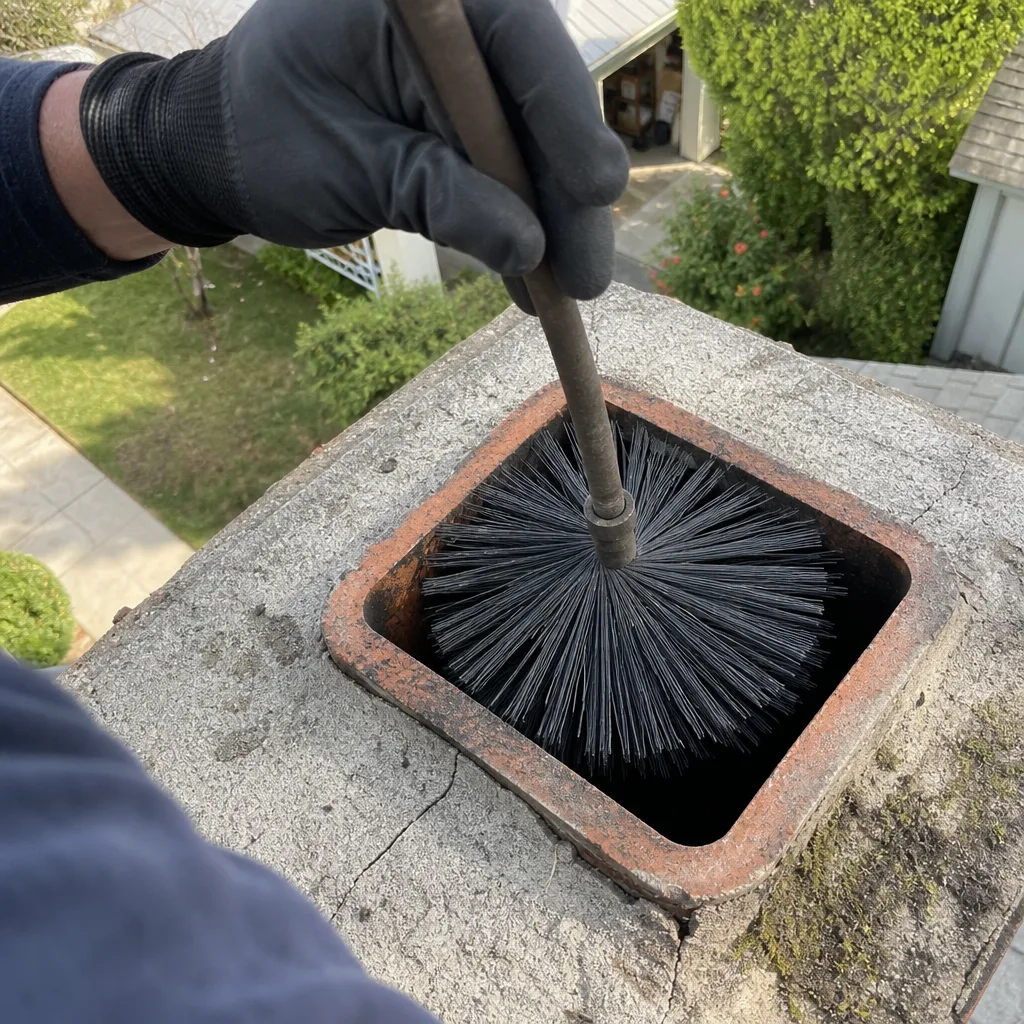
- Crown condition. The concrete slab topping your chimney is not the cap. It slopes away from the flue to shed water. Hairline cracks are normal; cracks wider than a dime, or any crack that runs to the flue edge, are failure points. San Jose’s temperature swings, 50°F+ some days, turn hairlines into pathways in a single season. Photo from above if safely accessible, or from the ground with zoom.
- Cap and screen. The metal cap sits atop the crown, covers the flue opening, and includes mesh to block animals. Check for rust-through, screen separation, and proper overhang. In Almaden Valley and the hills, we’ve replaced caps after raccoon damage that started with a bent screen corner. A gap smaller than your thumb is enough.
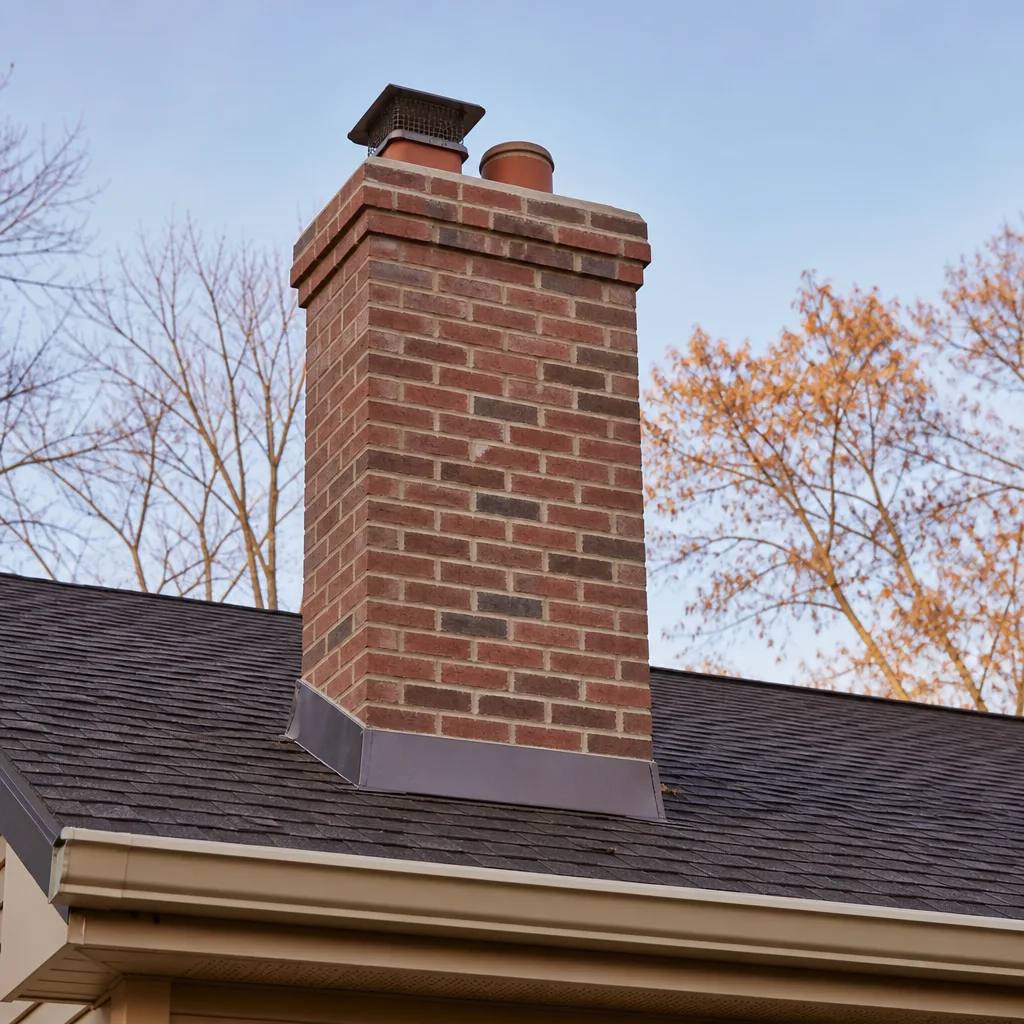
- Flashing at the roofline. The metal skirt where chimney meets roof is the most common leak point we document. Look for lifted corners, caulk separation, or staining on the ceiling inside. In San Jose’s older neighborhoods like Naglee Park and Hanchett Park, original flashing from the 1950s-70s is often embedded in degraded roofing cement that cracks in the first dry spell.
- Cricket or saddle. On chimneys wider than 30 inches on the uphill side, code requires a peaked deflector behind the chimney to divert water. Missing or improperly flashed crickets cause concentrated runoff that roofs and walls absorb. We’ve documented $8,000-$15,000 in collateral damage from this single omission in the foothills above Alum Rock.
For each item, your photo should include the date, the specific location on your property, and any measurement you can safely obtain. “Crown crack, northeast corner, 3/16 inch wide, 2 inches from flue tile” is a record. “Crack in crown” is a rumor.
Materials matter when replacement becomes necessary. We source caps and flashing components through Famco and Copperfield, procured through Haven’s buying network to keep customer prices honest. The specification sheet becomes part of your Clause 4 documentation.
Interior Checklist: What a Camera Reveals That Eyes Cannot
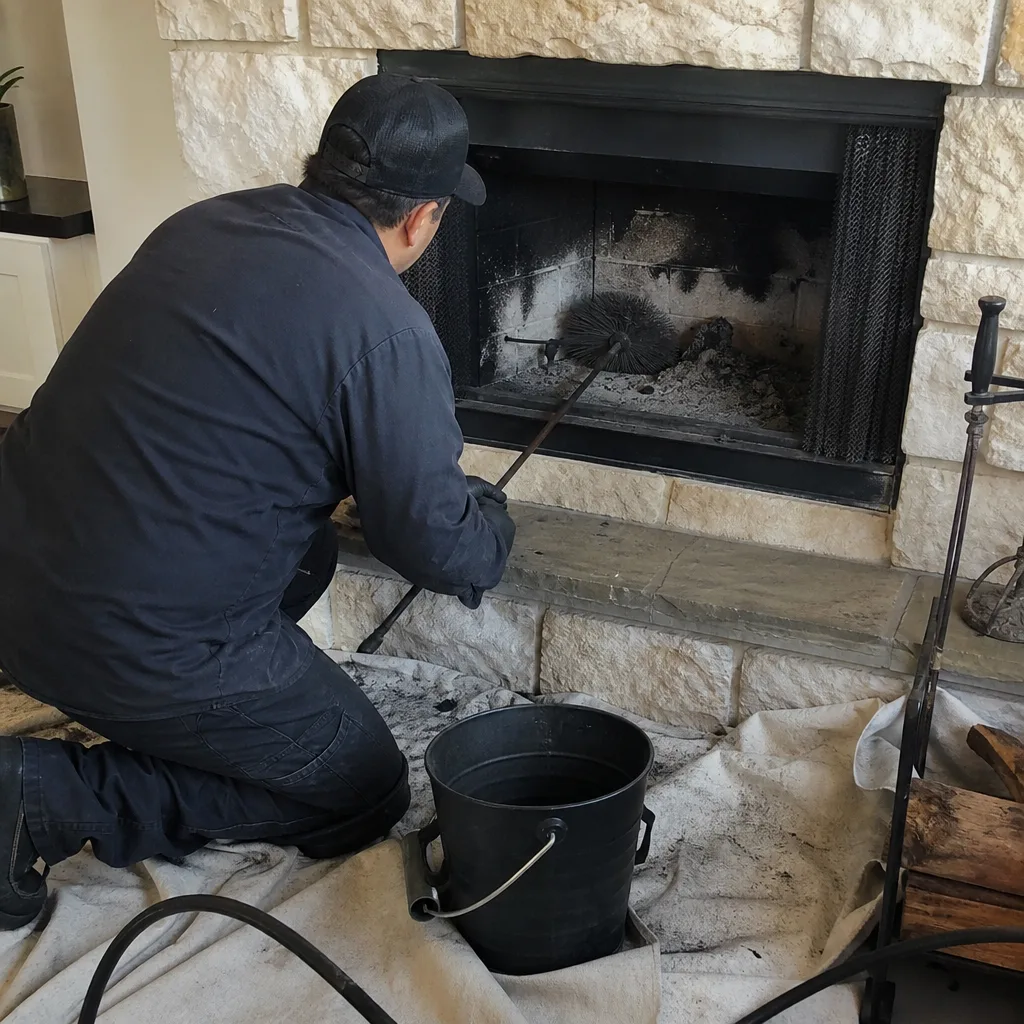
A flashlight inspection of a chimney interior tells you what the flue looks like from the bottom looking up, or the top looking down, in a straight line. Most chimneys are not straight. Offsets, smoke chambers, and liner joints are where failures occur, and they’re invisible to direct line of sight. That’s why NFPA 211 Level 2 inspection requires a camera scan, and why Clause 4 of the Haven Standard has required documented photo records on every job since 2009, years before insurers or regulators made it routine.
Here’s what the camera is checking for, and what your documentation should show:
- Liner gaps and separations. Clay tile liners shift with thermal cycling. A gap as narrow as 1/8 inch between tiles allows combustion gases to enter the chimney wall cavity. In San Jose’s older homes, particularly in Japantown and the original downtown grid, we’ve found liner systems from the 1920s-40s still in place, with multiple offset joints that have migrated over decades. The camera catches the gap; the photo proves it was there before any work was proposed.
- Hidden creosote staging. Creosote, the tar-like combustion byproduct that fuels chimney fires, forms in stages. Stage 1 is flaky soot, easily brushed. Stage 2 is crunchy chips. Stage 3 is glazed, hardened, and requires chemical treatment or rotary removal. The progression happens in hidden pockets, above offsets, and in smoke chamber corners where brushes don’t reach without deliberate technique. A visual inspection from the firebox sees none of this. The camera does.
- Smoke chamber integrity. The smoke chamber is the area above the damper and below the flue, where fireplace walls slope inward to meet the flue opening. Parging, the smooth mortar coating, cracks and falls away with heat cycling. Exposed brick in the smoke chamber creates turbulence that reduces draft and deposits creosote. NFPA 211 requires parging repairs when more than 1/8 inch of surface is exposed. Only a camera documents this from below.
- Damper operation and seal. The damper closes when the fireplace isn’t in use, preventing conditioned air loss. Check full open, full close, and intermediate positions. A damper that won’t fully close costs you heating and cooling dollars year-round. In San Jose, where many homeowners run gas inserts with the damper pinned open for venting, we document the pinned position and the reason, so future inspectors don’t flag it as a defect.
Your professional inspection should deliver: dated photos or video of the full flue length, a written description of liner condition with measurements where relevant, creosote classification by stage and location, smoke chamber condition with parging assessment, and damper operation notes. Anything less is a flashlight look, not an inspection.
Chimney Cleaning & Sweep in San Jose includes this Level 2 camera scan and documented photo record as standard, not an upgrade.
What to Document Yourself Between Professional Visits
Professional inspection annually is the baseline. What you do between visits determines whether that inspection finds stable conditions or accelerated deterioration. The key is creating records that a future inspector, buyer, or adjuster can interpret without your presence.
Draft test method. With the damper fully open and no fire burning, hold a lit stick of incense or a smoke pencil at the firebox opening. Smoke should draw steadily up the flue. Backdraft, spillage into the room, or lazy movement indicates blockage, negative pressure conditions, or flue sizing issues. Date the test, note weather conditions (temperature, wind direction, whether doors and windows are open), and photo the smoke behavior. A draft that fails on a 65°F still morning in San Jose is different from one that fails during a Santa Ana wind event.
Smoke behavior log. When burning, note: does smoke ever enter the room on startup? Does it clear within 2-3 minutes? Does opening a window change behavior? These observations, dated, help diagnose whether a problem is flue-related or pressure-related. San Jose’s tight new construction, particularly in communications Hill and the newer Berryessa developments, often has negative pressure issues from exhaust fans and HVAC systems that masquerade as chimney defects.
Damper operation notes. Monthly, cycle the damper through full open, full close, and intermediate positions. Note any grinding, sticking, or incomplete closure. Photo the closed damper from below with a flashlight; a visible gap is a failed seal.
Exterior visual scan. After any seismic event, windstorm, or heavy rain, walk the exterior. New cracks, displaced cap elements, or flashing separation should be photo-documented immediately. San Jose’s proximity to the Calaveras and Hayward faults means even minor seismic events can shift chimney structures incrementally.
Burn record. For wood-burning fireplaces, log dates, duration, and wood species. Seasoned hardwood (oak, almond, walnut) burns cleaner than softwood or unseasoned wood. A burn record establishes whether your creosote accumulation rate aligns with your sweep schedule. For more detail, see our Chimney Cleaning Warning Signs: A San Jose Homeowner’s Reference Guide.
How to Organize Your Maintenance Paper Trail
The goal is a file that speaks for itself. We’ve seen homeowners lose thousands in insurance disputes because their “maintenance” was a verbal agreement with a sweep who retired, or a receipt that said “chimney service – $189” with no scope, no findings, no photos.
Here’s the structure we recommend, and what Clause 4 of the Haven Standard delivers on every Level Two job:
- Job record folder. Physical or digital, dated by service date. Contents: written scope of work (what was done), written price (what it cost), written warranty (what’s covered and for how long), photo/video documentation (what was found), technician notes (conditions, recommendations, timeline), and material specifications (if replacement components were installed).
- Annual summary sheet. A single page per calendar year listing: service dates, provider name and license, scope of each visit, findings summary, recommended follow-up with due dates, and your own between-visit documentation references.
- Component lifecycle tracker. Major elements, liner, crown, cap, flashing, with installation or last-replacement date, expected service life, and condition at last inspection. A stainless steel liner from DuraFlex rated for 15 years with your burn pattern should be flagged for evaluation at year 12, not year 16.
- Transfer package. When you sell, compile the annual summaries, last three professional reports, and active warranties into a single binder. In San Jose’s competitive market, this documentation distinguishes your listing. Buyers’ inspectors have less to flag; insurers have less to exclude.
The Haven Standard’s written price, written scope, and written warranty, delivered before work starts, creates this structure automatically. You’re not organizing scraps; you’re filing complete records.
Sweep Frequency for San Jose Burn Patterns
How often you need professional service depends on what you burn, how often, and how you burn it. Our The Complete Guide to Chimney Cleaning in San Jose breaks this down in full. San Jose’s climate and housing stock create distinct patterns.
Wood-burning fireplaces, 20+ fires per season. Annual sweeping and Level 2 inspection. No exceptions. The EPA and NFPA 211 agree on this frequency, and San Jose’s Air Quality Management District rules on visible emissions make clean combustion a regulatory as well as safety matter. Seasoned hardwood burned hot and fast produces less creosote than smoldering fires; but 20+ fires still deposits enough Stage 1-2 creosote to require removal. We see the highest Stage 3 accumulation in homes where owners “keep a fire going all day” with the damper choked.
Wood-burning fireplaces, occasional use (5-15 fires). Annual inspection; sweep every 1-2 years depending on inspection findings. The camera determines this, not the calendar. A single season of poor wood or smoldering practice can create hazardous accumulation.
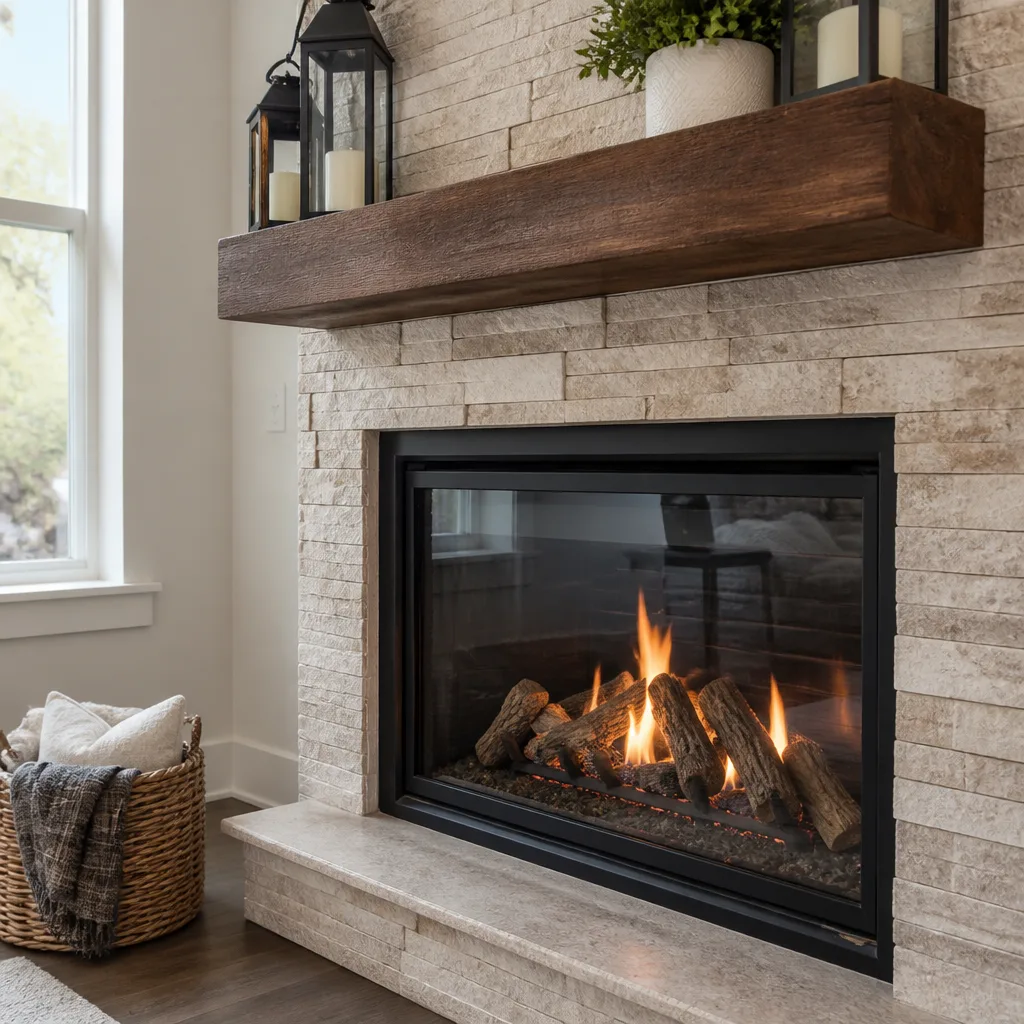
Gas inserts and log sets. Annual inspection, but sweeping is often unnecessary. Gas burns clean; the concern is debris obstruction, valve condition, and vent integrity. However, many San Jose homeowners converted wood fireplaces to gas without proper liner sizing, creating draft and condensation issues that the annual inspection catches. In the Almaden and Evergreen foothills, where power outages drive generator and fireplace use, we’ve found gas inserts with debris from prior wood use still lodged above the conversion point.
Pellet stoves. Manufacturer schedule, typically professional inspection annually and ash removal by the owner weekly during season. Pellet venting systems have specific cleaning requirements distinct from masonry chimneys.
Zero-clearance factory-built fireplaces. Annual inspection per manufacturer. These systems have metal chimneys with different failure modes than masonry, including weld separation and chase cover deterioration that San Jose’s sun exposure accelerates.
The “cleaning” in chimney cleaning is removal of combustible deposits. The “inspection” is verification of structural and functional integrity. They’re related but not identical. A gas fireplace may need no sweeping but still require liner repair. A wood fireplace swept annually may still develop a cracked crown. The checklist addresses both.
Fireplace Services in San Jose covers conversion, repair, and maintenance across all fuel types.
What Chimney Maintenance Costs in San Jose
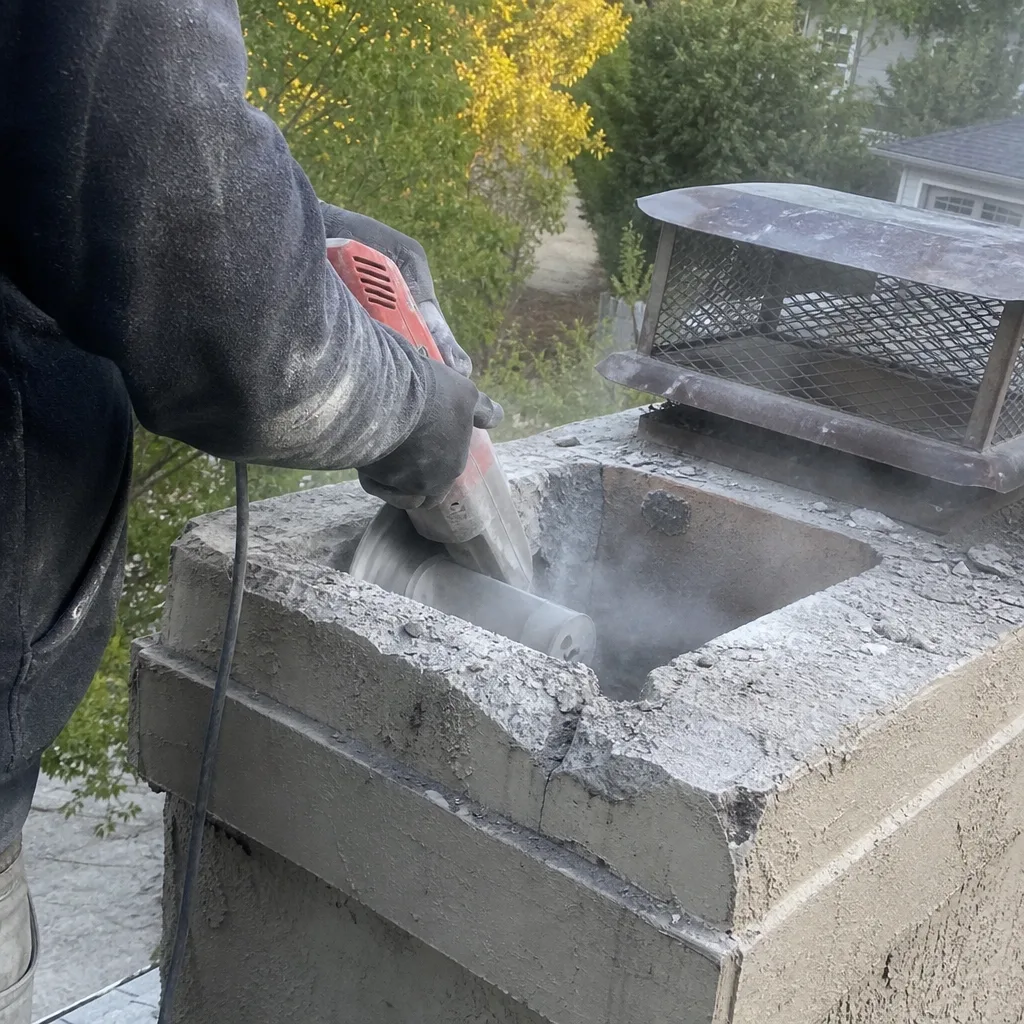
Price transparency is Clause 1 of the Haven Standard: a written price, written scope, and written warranty before anyone starts. Here’s what San Jose homeowners should expect to see on that written estimate.
| Service | Typical Range | What Affects Price |
|---|---|---|
| Level 2 inspection with camera scan | $250-$400 | Number of flues, roof access difficulty, documentation format |
| Chimney sweep (single flue, standard access) | $180-$280 | Creosote stage, liner type, debris volume |
| Inspection + sweep combined | $350-$550 | Combined scope discount varies by provider |
| Crown repair (minor crack sealing) | $300-$600 | Crown size, access, material (silicone vs. new pour) |
| Crown replacement | $1,200-$2,500 | Dimensions, flue count, forming complexity |
| Stainless steel liner (single flue, typical length) | $2,800-$5,500 | Diameter, length, insulation requirement, appliance type |
| Chimney cap replacement | $250-$600 | Size, material (galvanized vs. stainless vs. copper), mesh specification |
| Smoke chamber parging | $800-$1,800 | Chamber size, access, material (cementitious vs. refractory) |
These are San Jose market ranges based on our 2024-2025 pricing through Haven’s buying network. Your specific written estimate may fall outside this range if conditions are unusual. We deliver that estimate before work starts, with no obligation. A Free Second Opinion on any competitor’s written quote is always available.
What should raise your suspicion: a quote given over the phone without inspection, a price that seems to change when the technician arrives, or a “free inspection” that finds expensive problems without documentation. The Haven Standard exists because these practices were common when we started in 2009 and remain common now.
Chimney Repair in San Jose covers the full scope of structural and component repair with written pricing.
Common Mistakes to Avoid
- Treating “chimney sweep” and “chimney inspection” as the same service. Sweeping removes deposits. Inspection evaluates condition. A sweep can happen without finding a cracked liner; an inspection can recommend repair without sweeping. Know which you’re paying for and what documentation you receive for each.
- Skipping exterior checks until there’s a leak. By the time water shows on your ceiling, the damage path runs through roofing, sheathing, and insulation. San Jose’s dry summers let moisture damage accumulate hidden until the first heavy rain reveals it. Exterior checks in September, before burning season, catch this in time.
- Burning unseasoned wood “because it’s cheaper.” Green or wet wood burns at lower temperatures, producing more smoke and more creosote. The money saved on wood is spent on more frequent sweeping, and the fire risk rises disproportionately. In the Bay Area, true seasoned hardwood has been split and stacked for 12+ months.
- Assuming gas means zero maintenance. Gas fireplaces don’t create creosote, but they do create condensation, debris from deteriorating logs, and venting issues from improper conversions. We’ve found bird nests in gas flues, cracked refractory panels, and valves leaking enough gas to trigger detector alarms.
- Accepting verbal findings without photos. “Your liner looks fine” is not a record. “Your liner has three visible clay tiles with hairline cracking, documented in photos 7-9 of your report” is. Six months later, you won’t remember what was said. The photos don’t forget.
- Ignoring San Jose’s specific air quality rules. The Bay Area Air Quality Management District restricts wood burning on Spare the Air days, and visible emissions standards apply even on permitted days. A poorly maintained chimney produces visible smoke that neighbors can report. Maintenance is compliance.
- Storing documentation in one place. Paper records burn, flood, or get lost in moves. Digital records get trapped in obsolete formats or locked accounts. Maintain both, and give a trusted contact access in case you’re unavailable when the documentation is needed.
When to Call a Professional
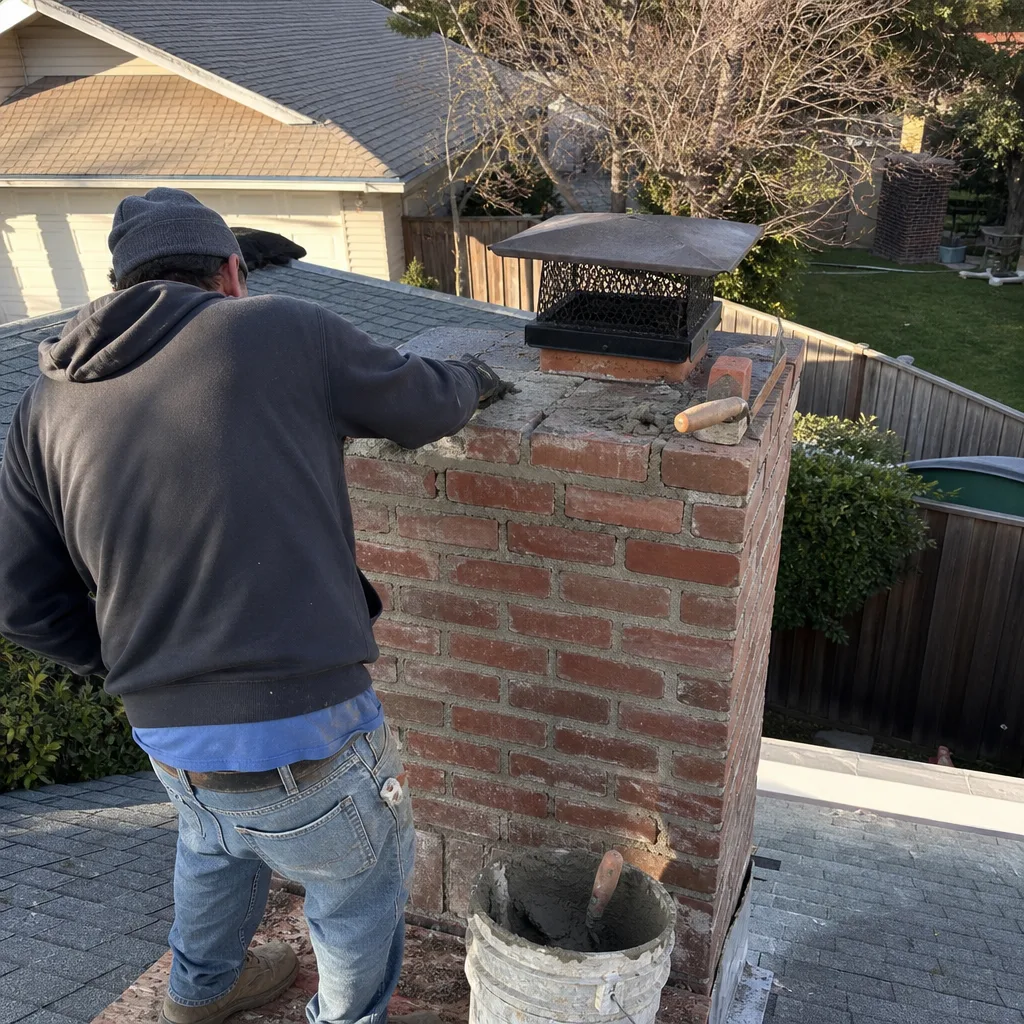
Call for a Level 2 inspection before the first fire of the season if: you’ve never had a camera scan, you’ve changed fuel types, you’ve noticed draft changes or smoke spillage, or it’s been more than 12 months since professional service. Call immediately if you experience a chimney fire (roaring sound, dense smoke, hot exterior walls), if your carbon monoxide detector alarms, or if you find debris, animal nesting material, or masonry fragments in the firebox.
Level Two Chimney San Jose offers free estimates throughout San Jose. Every estimate includes a written scope, written price, and written warranty before any work begins, under Clause 1 of the Haven Standard. Call (669) 291-2770 to schedule. Live phone support runs 24 hours a day, 7 days a week.
Level Two Chimney San Jose home
Frequently Asked Questions
A standard chimney sweep for a single flue in San Jose typically runs $180-$280, with a Level 2 camera inspection adding $250-$400. Combined inspection and sweep services usually range $350-$550. Call (669) 291-2770 for a written estimate with exact pricing for your system.
You should never accept a liner replacement recommendation without dated photo or video evidence of the specific defect, a written explanation of why repair isn’t viable, and a second opinion if you have any doubt. At Level Two, we provide all three automatically, and our Free Second Opinion on any competitor’s written quote is always available. A liner with minor tile cracks can often be repaired; a liner with gaps, shifted tiles, or missing sections typically cannot.
Wood-burning fireplaces used regularly need annual sweeping and inspection. Gas inserts need annual inspection but often no sweeping. The specific frequency depends on your burn record, fuel type, and inspection findings, not the calendar alone. In San Jose’s climate, low-use wood fireplaces may extend to 18-24 months if the camera confirms minimal accumulation.
Skipped maintenance leads to creosote accumulation that fuels chimney fires, liner deterioration that allows combustion gases into living spaces, and crown or flashing failure that causes water damage to structural elements. Carbon monoxide exposure and house fires are the severe outcomes; thousands in concealed water damage is the common one. The documentation gap also creates problems at sale or claim time, when unverifiable maintenance history reduces your negotiating position.
Homeowners can and should perform the between-visit documentation we describe: draft tests, damper checks, exterior visual scans, and burn logging. However, interior flue inspection requires specialized camera equipment and training to interpret. Creosote removal, especially Stage 3 glazed deposits, requires rotary equipment and protective protocols. Liner and structural evaluation requires knowledge of NFPA 211 and local code. We recommend professional service for these elements.
A Level 1 inspection is a visual examination of readily accessible portions of the chimney, appropriate for systems with no changes and continued use. A Level 2 inspection, required for property transfers, fuel changes, or suspected damage, includes camera scan of internal surfaces, accessible portions of the attic and basement, and written documentation. Level Two Chimney Co. performs Level 2 as our default because it provides the documentation that makes maintenance verifiable.
The Bottom Line
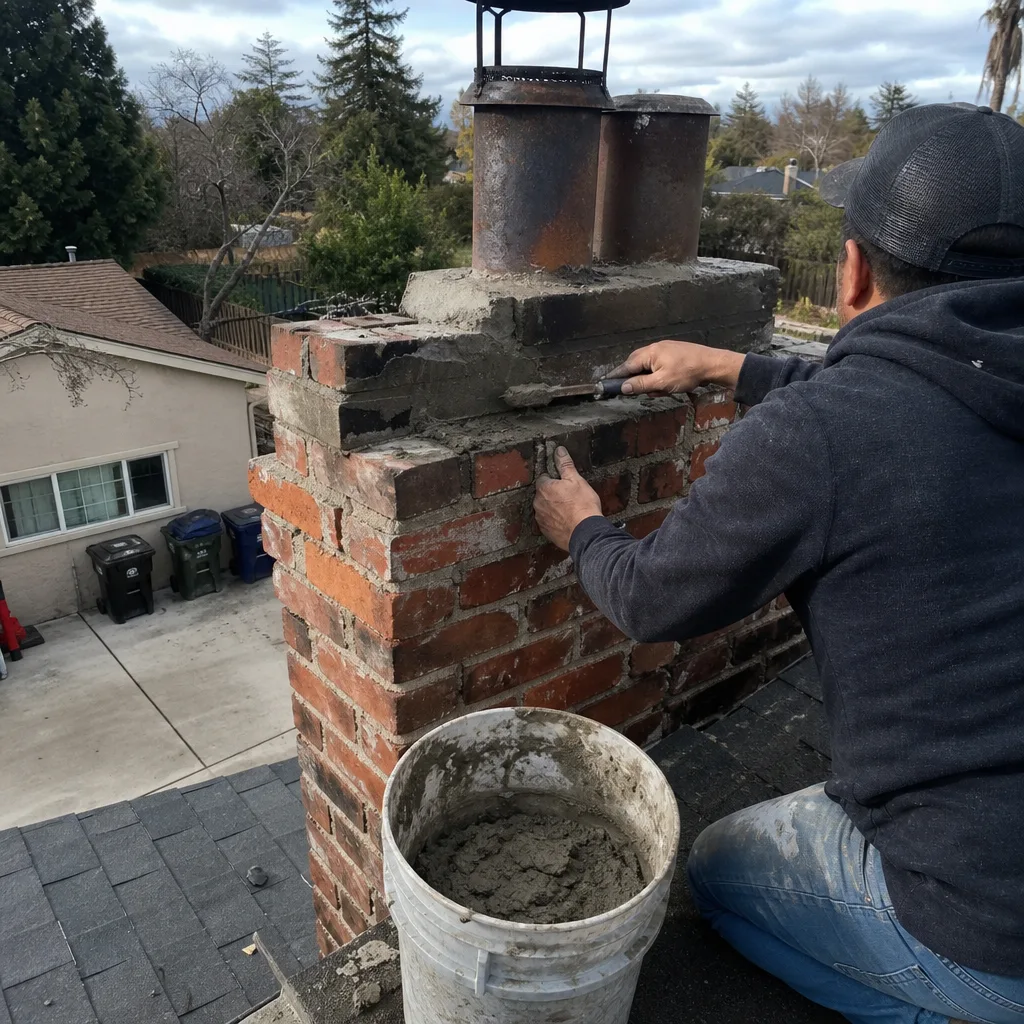
A chimney maintenance checklist without documentation is a memory aid, not a record. For San Jose homeowners, the specific risks are Bay Area moisture cycling on exteriors, hidden interior deterioration invisible to direct sight, and burn patterns that vary dramatically by fuel type and frequency. The checklist that protects you includes annual professional camera-scan inspection, systematic exterior checks with photo evidence, personal documentation between visits, and organized records that transfer with your property. Explore more guides & resources for ongoing maintenance support. The cost of professional service is known and bounded; the cost of undocumented failure is not.
Level Two Chimney Co. has operated under the Haven Standard since 2009, completing more than 38,000 inspections and cleanings with a written price before work starts, a documented photo record on completion, and the 365-Day Done Right Promise on every job. Call (669) 291-2770 for a free estimate. Live phone support, 24 hours a day, 7 days a week.
Written by Corrine Halstead, Owner at Level Two Chimney San Jose, serving San Jose since 2009.