
Last updated September 22, 2026
Level 1 sweep and inspection to the NFPA 211 annual standard - flue, crown, cap, and flashing checked and photographed
Chimney sweep logs do not sweep chimneys. They loosen some creosote - which then falls where a brush and vacuum still have to collect it.
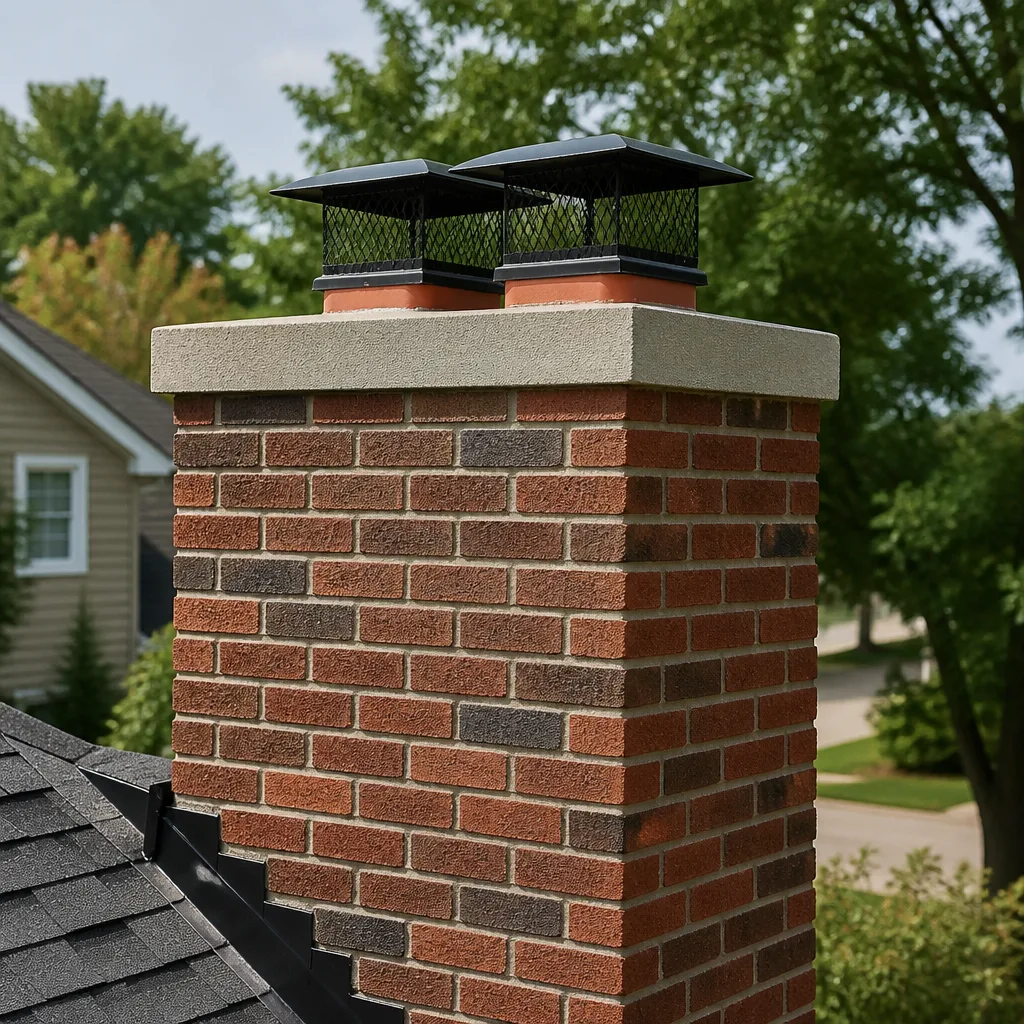
Flue relining
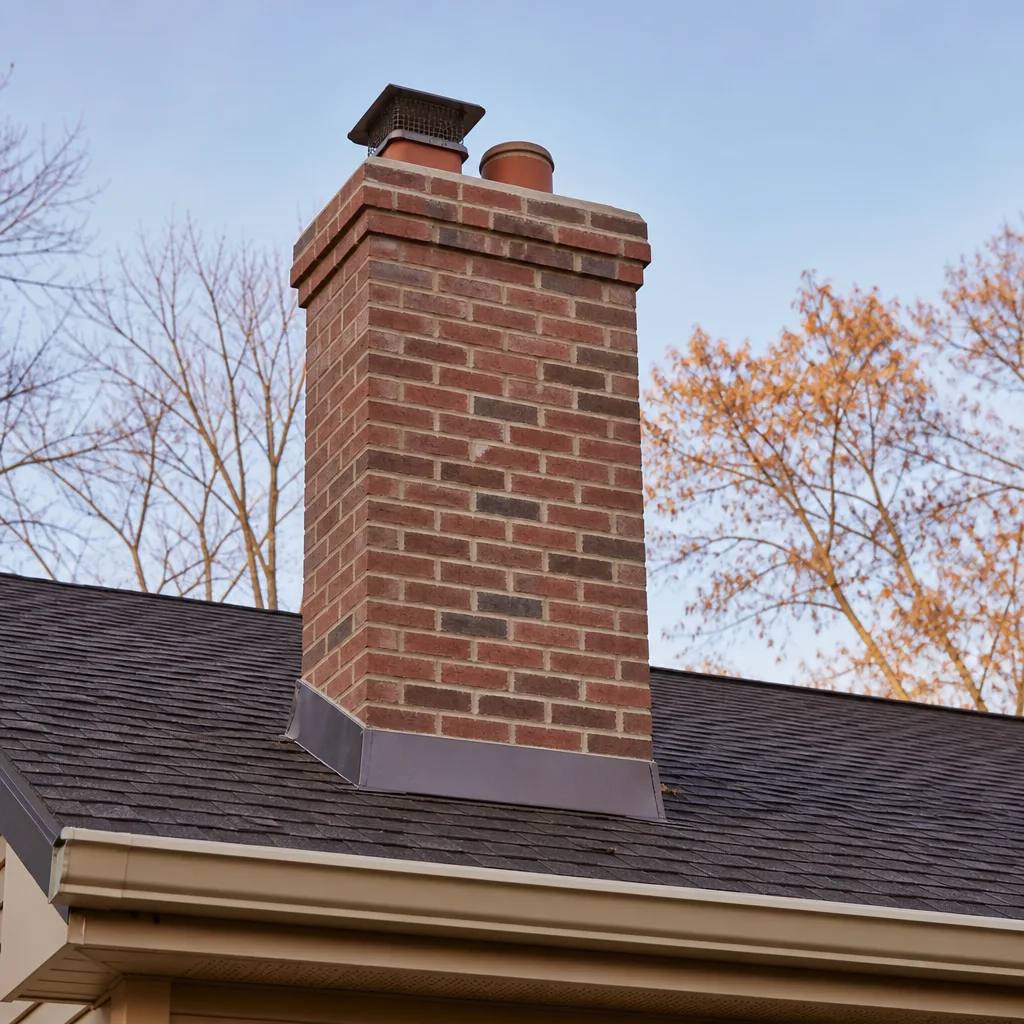
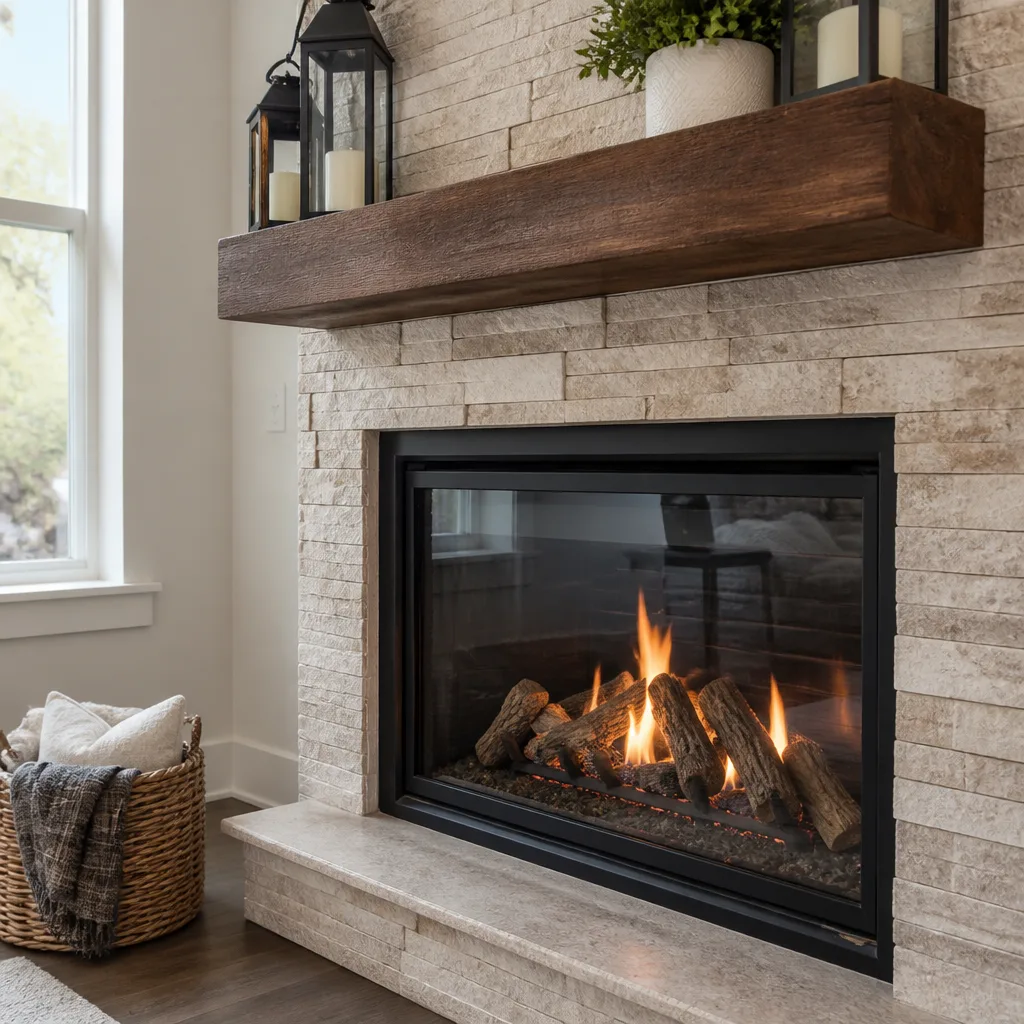
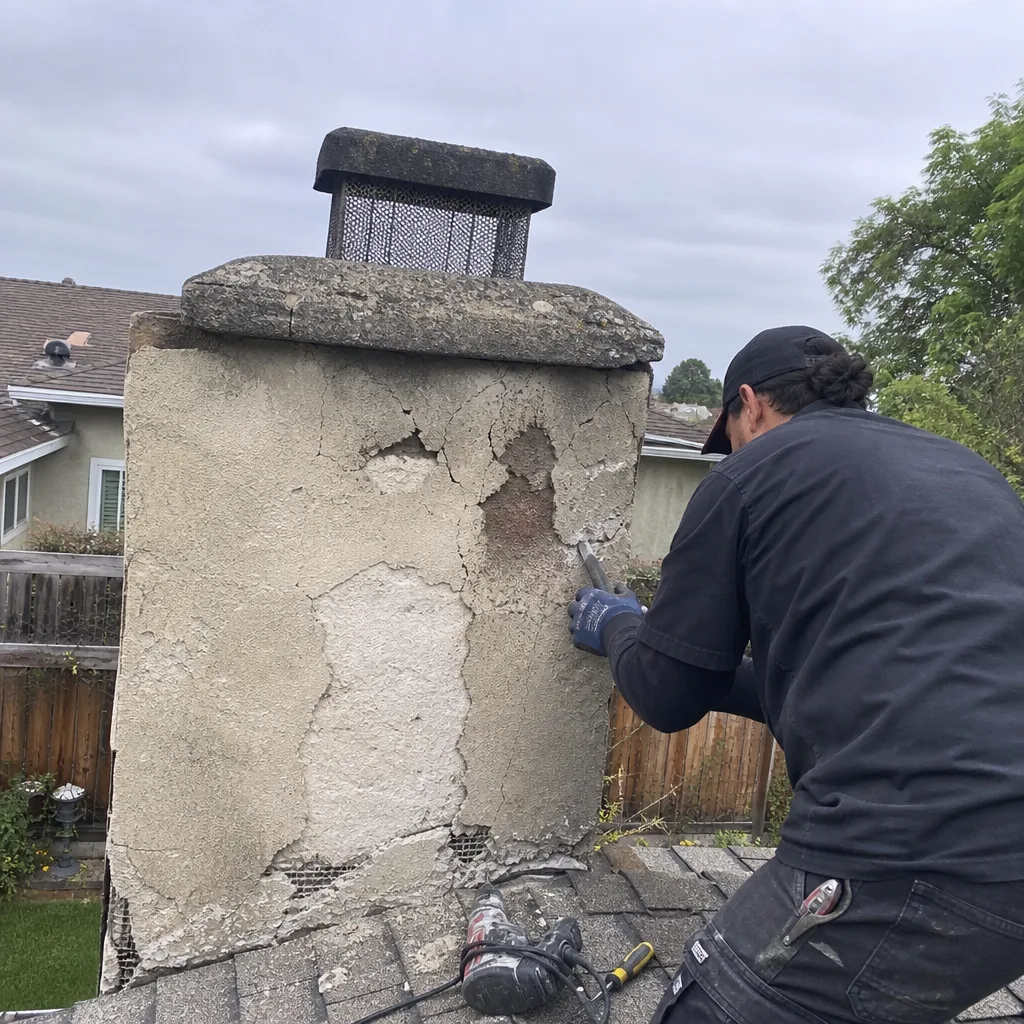 Before
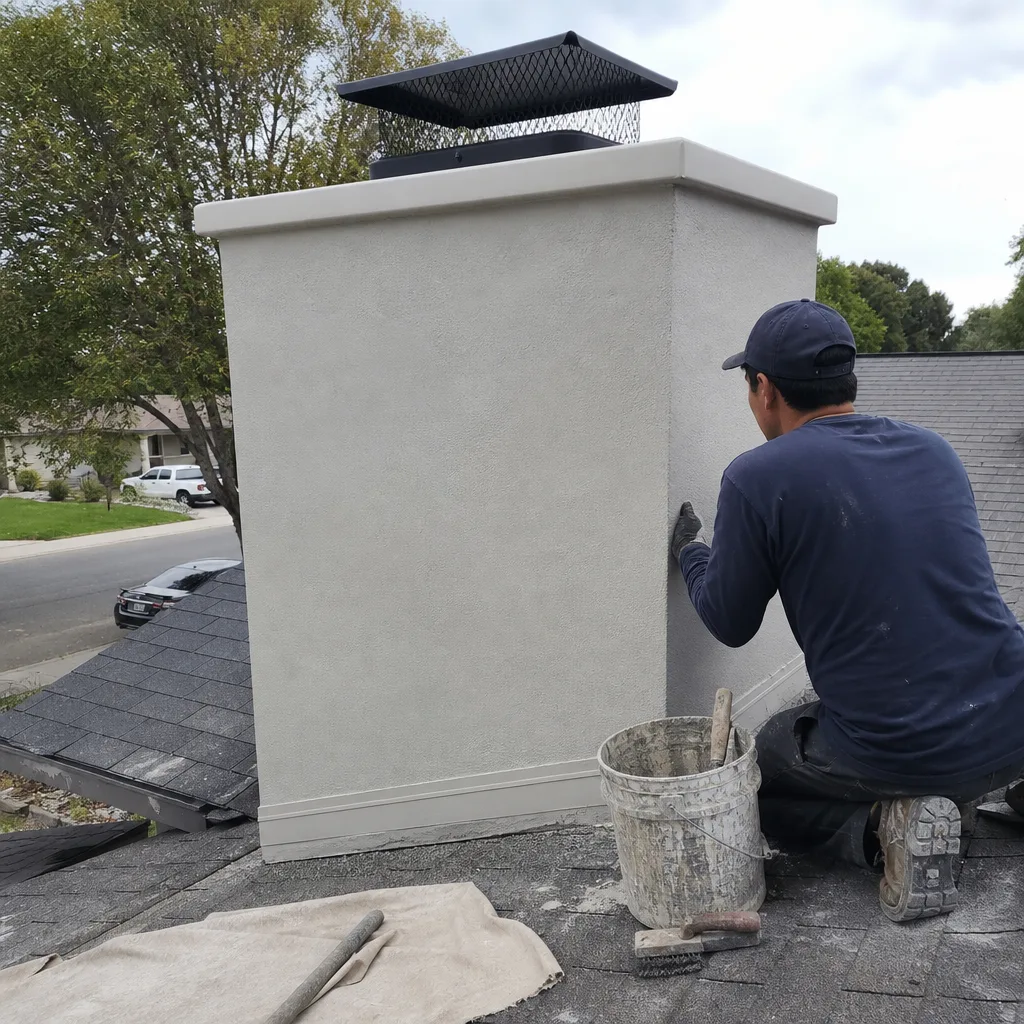 After
After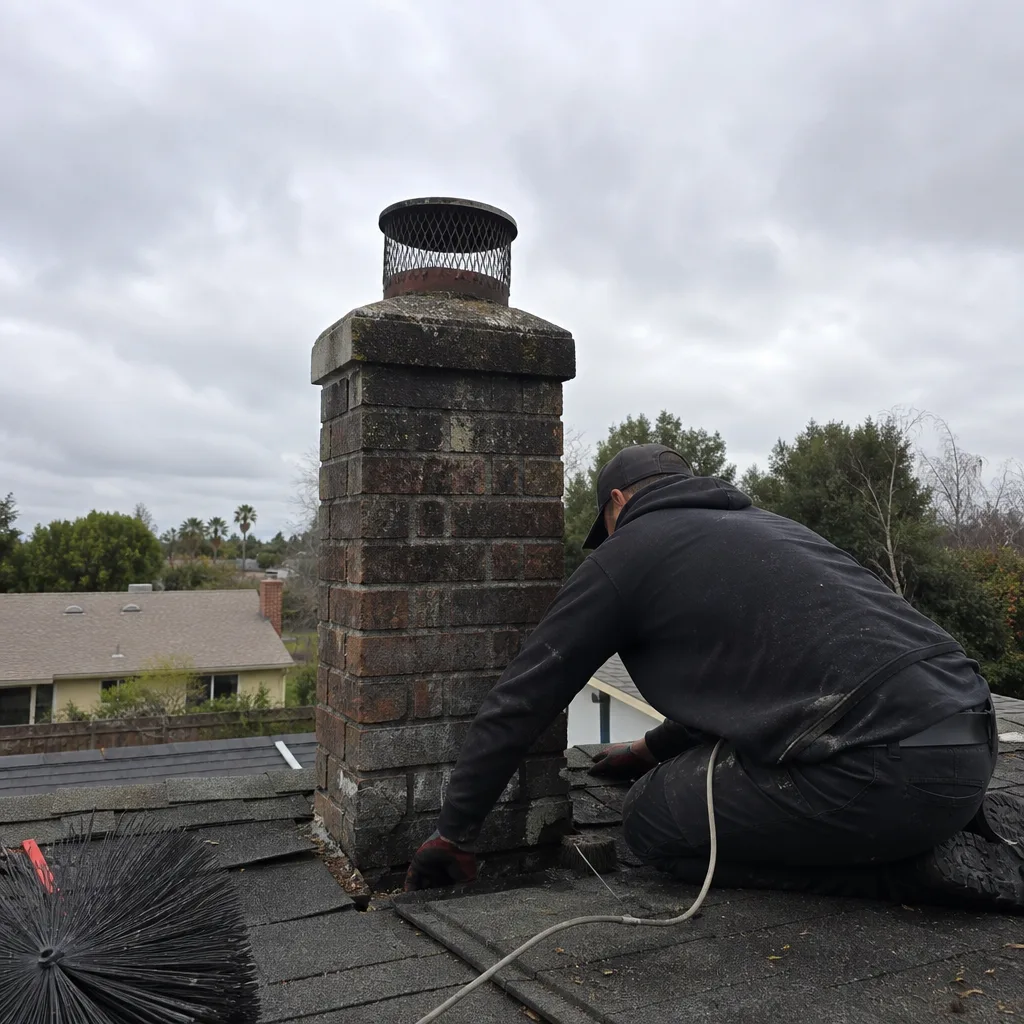 Before
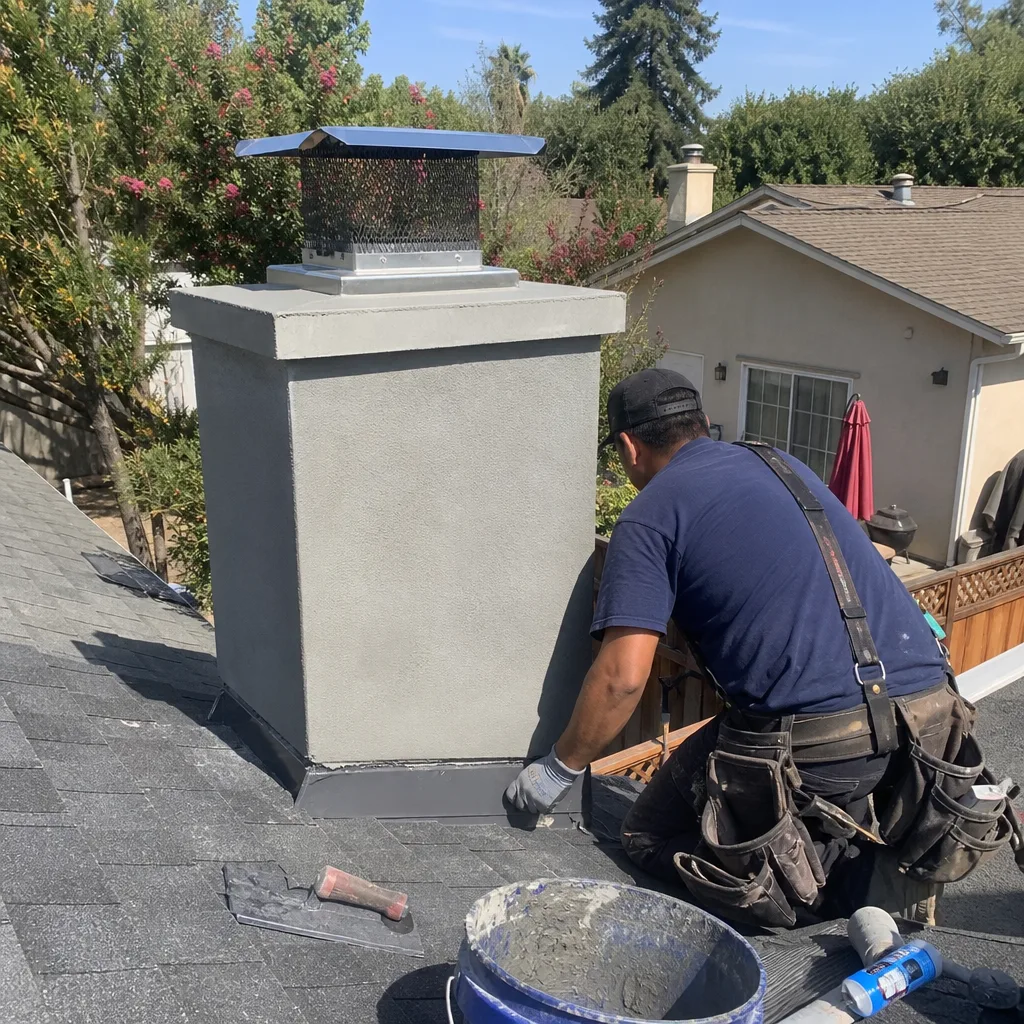 After
After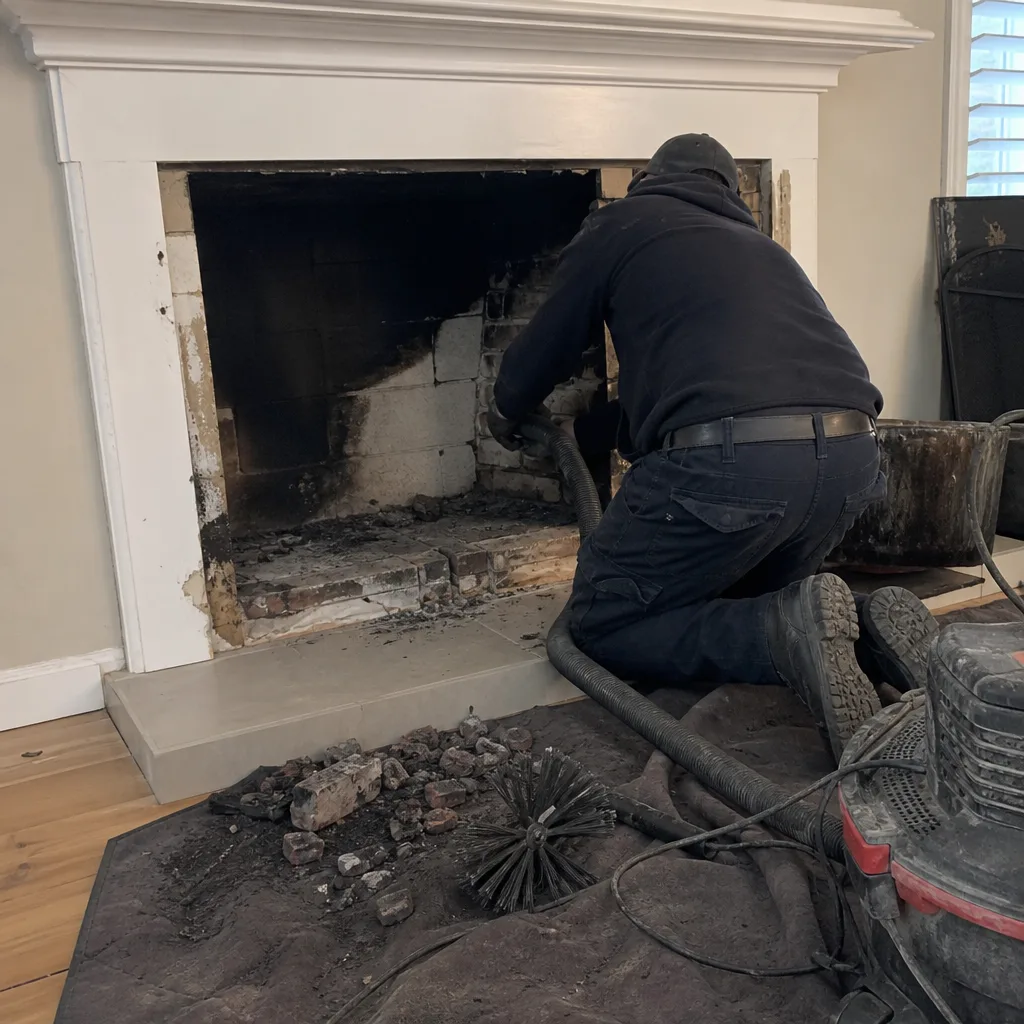 Before
 After
AfterDIY vs Professional Chimney Cleaning: The San Jose Homeowner’s Decision Guide
Here’s something most chimney sweep companies won’t tell you: you can legally clean your own chimney in California, and for a small percentage of San Jose homes, it might even make sense. But here’s what they also won’t mention - the DIY versus professional debate isn’t really about cost or safety. It’s about documentation. In 15 years of inspecting chimneys across San Jose, from Willow Glen’s 1920s bungalows to the new builds sprouting in Berryessa, we’ve seen the same pattern repeat. A homeowner spends a Saturday brushing their flue, feels accomplished, and believes they’re covered. Then their insurance company denies a fire claim, or a buyer’s agent requests a Level 2 inspection report, or a fire investigator asks for documented maintenance history. That DIY cleaning? It has no standing. This guide walks through exactly what you can do yourself, what you structurally cannot accomplish without professional equipment and liability coverage, and why the documentation gap matters more than most San Jose homeowners realize.
Quick Answer
Most San Jose homeowners can handle basic chimney maintenance like accessible flue brushing and visual damper checks, but professional cleaning includes camera-scan liner inspection, creosote stage classification, and a documented photo record that insurers and real estate transactions require. For year-round guidance on protecting your system, see our seasonal chimney cleaning care for San Jose. For the average San Jose home, professional chimney cleaning runs $189-$349 and includes the NFPA 211 Level 2 inspection documentation that DIY cannot produce.
Table of Contents
- What DIY Chimney Cleaning Can Actually Accomplish
- What DIY Structurally Cannot Do
- The Real Equipment Cost of Doing DIY Right
- California Permit Rules That Override the DIY Option
- The Insurance and Real Estate Documentation Gap
- Honest Cost Comparison: DIY Break-Even for San Jose
- How San Jose’s Climate Changes the Math
- When to Call a Professional
 Before
 After
AfterWhat DIY Chimney Cleaning Can Actually Accomplish
Let’s start with what’s genuinely possible. A competent San Jose homeowner with basic mechanical skills can perform several chimney maintenance tasks safely and effectively. We’re not going to pretend otherwise - that would insult your intelligence and waste your time.
Accessible Flue Brushing
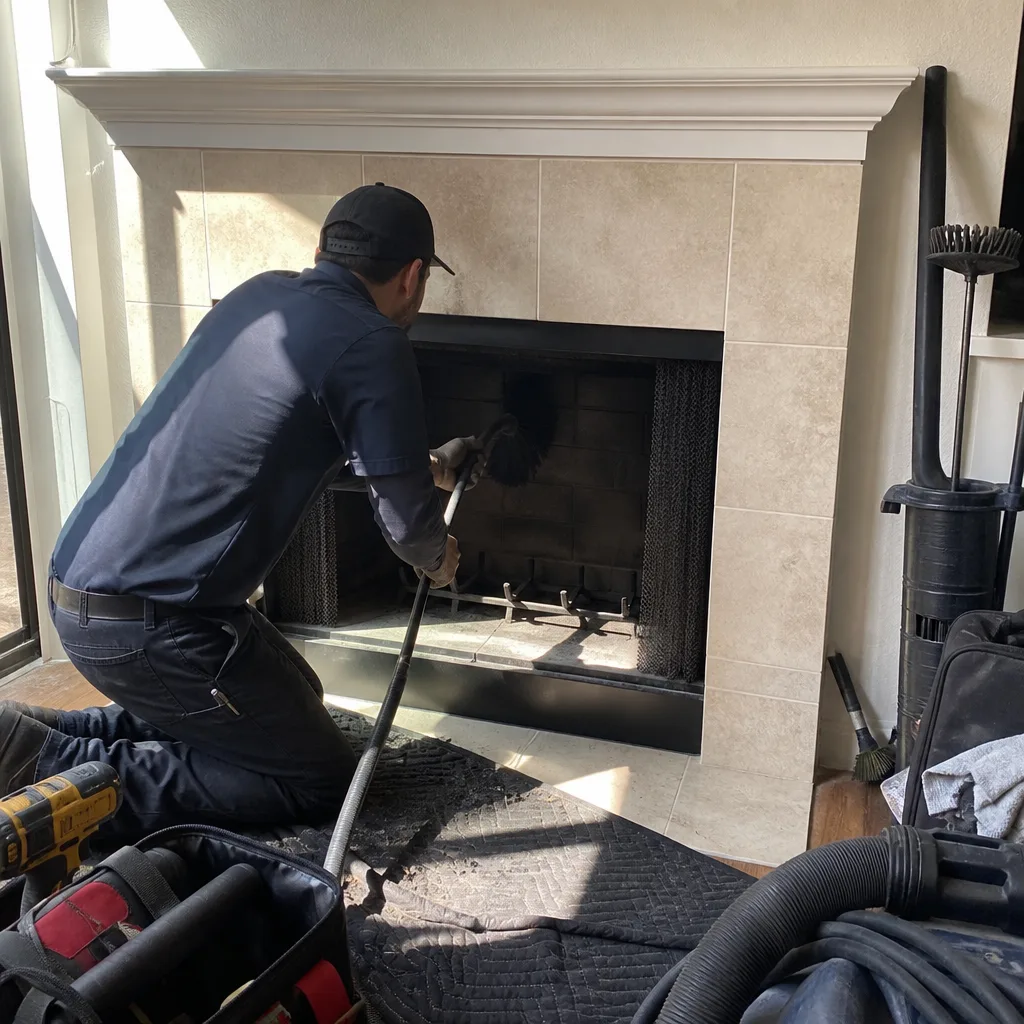
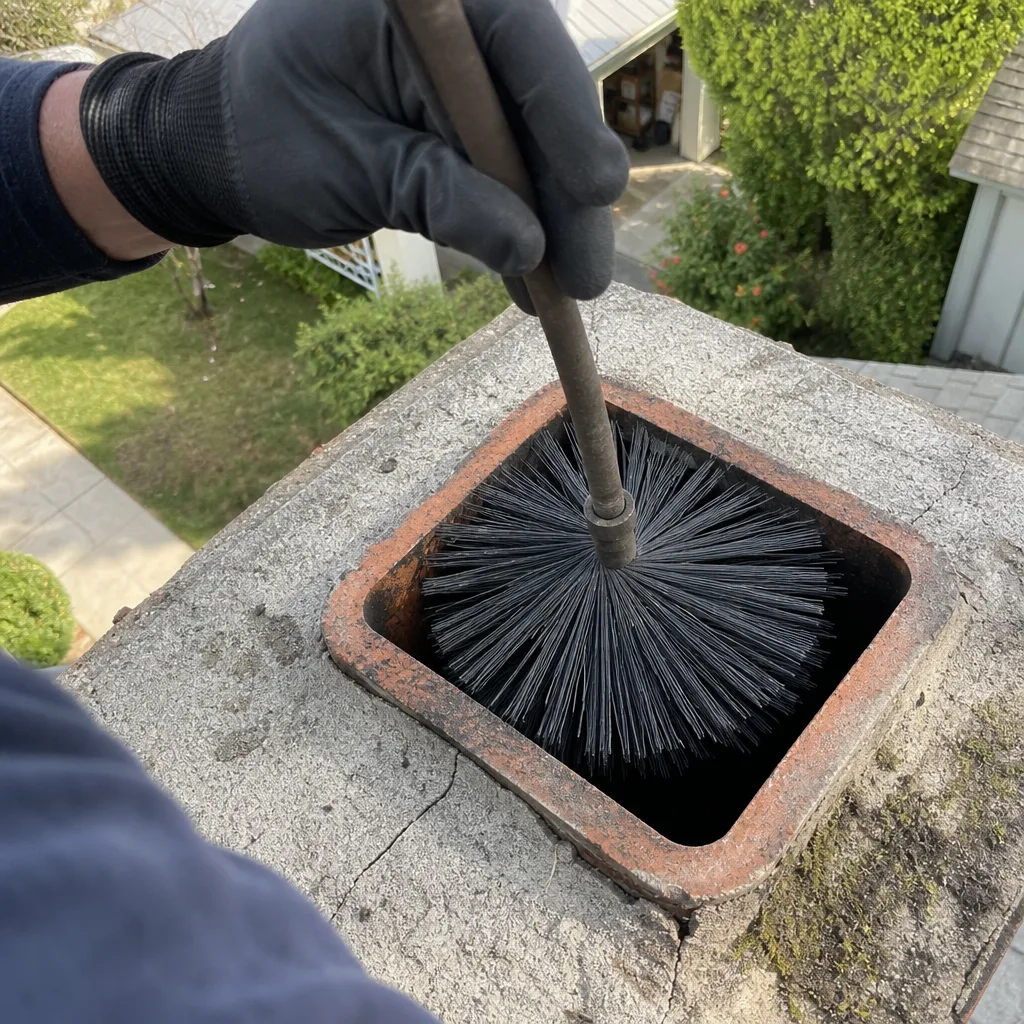
If your chimney has a straight, masonry flue with no offsets or bends, and the fireplace opening is accessible without ladder work on a steep roof, you can brush out Stage 1 creosote - the fluffy, soot-like deposit that forms with clean-burning fires. You’ll need a chimney brush sized to your flue diameter (typically 6″, 8″, or 10″ for residential fireplaces), flexible fiberglass or poly rods long enough to reach the top, a sturdy ladder, and a HEPA-rated shop vacuum for ash and debris control. The process is straightforward: attach rods incrementally, push the brush up with a twisting motion, add rods until you reach the top, then pull back down with the same twisting action. Expect to spend 2-3 hours for a first attempt, including setup and cleanup.
What you cannot assess: whether the creosote has progressed to Stage 2 (shiny, tar-like flakes) or Stage 3 (hardened, glazed, and highly combustible). Stage 1 brushes off. Stage 3 requires chemical treatment and professional removal - brushing it yourself risks compacting it against the flue wall, which actually increases fire hazard.
Damper Operation and Visual Smoke Chamber Check
You can verify that your throat damper opens fully, closes completely, and seals reasonably well. Light a stick of incense near the closed damper - if smoke drifts up the flue, the seal is compromised. Visually inspect the smoke chamber (the area above the damper and below the flue) for sloped walls that funnel smoke upward. Look for cracked masonry, deteriorated mortar, or black staining that indicates past smoke spillage. These are legitimate homeowner checks that require no special equipment.
Exterior Cap and Crown Visual Inspection
From ground level or a secure ladder at gutter height, you can spot obvious crown cracks, missing cap mesh, or rust stains that indicate metal deterioration. In San Jose’s dry-summer climate, crown cracks are common - thermal expansion from summer roof temperatures exceeding 140°F stresses the concrete. What you cannot determine: whether cracks have penetrated to the interior, whether the crown slope still sheds water effectively, or whether freeze-thaw damage from occasional winter lows below 32°F has compromised the structural integrity.
The Honest Skill Assessment
DIY flue brushing demands comfort working on a roof, basic understanding of combustion systems, and the discipline to stop when you encounter something unexpected. We’ve responded to calls in Almaden Valley and Cambrian Park where homeowners started a simple brushing, dislodged a damaged liner section they didn’t know was damaged, and created a carbon monoxide pathway into the home. The threshold question isn’t “can I save money?” It’s “will I recognize when I’ve found something that changes the job?”
What DIY Structurally Cannot Do
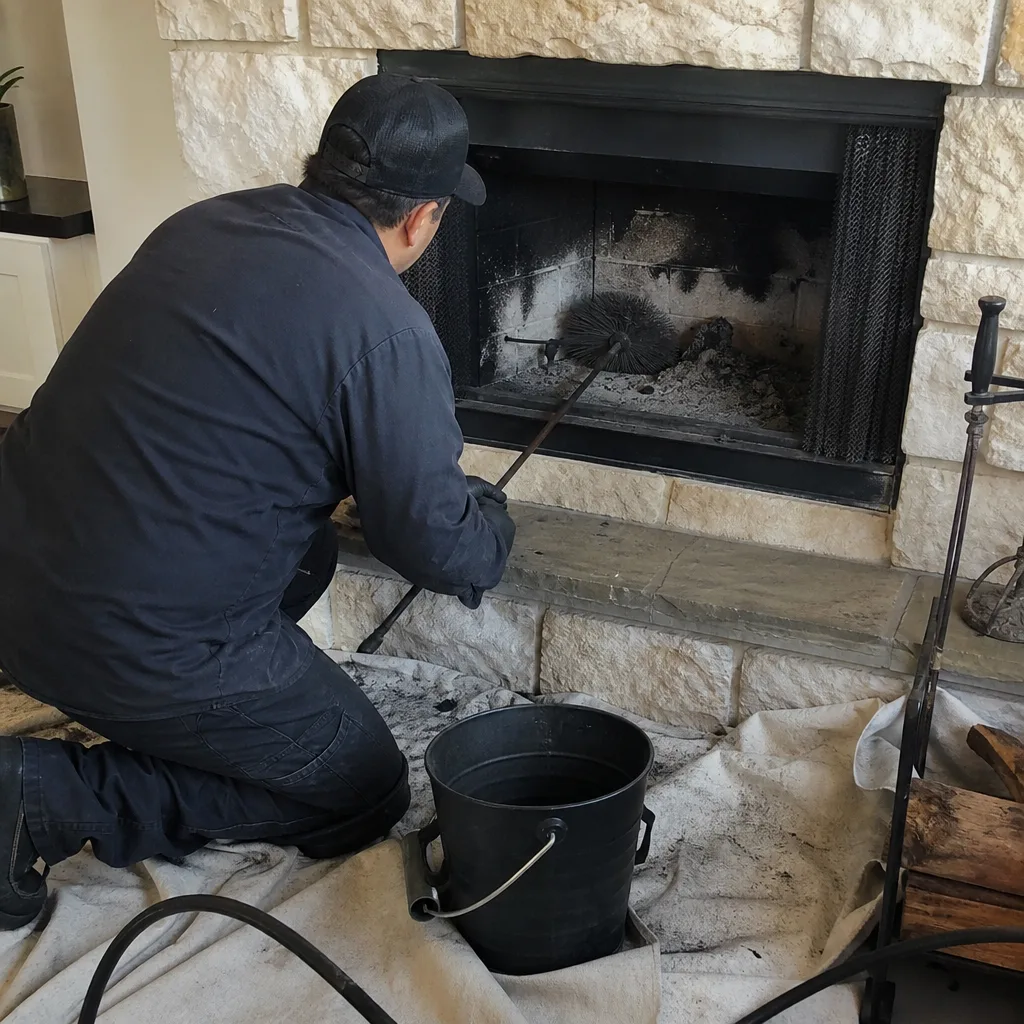
This is where we separate maintenance from inspection. The tasks below require equipment, training, and professional liability coverage that no homeowner possesses. More importantly, they produce the documented findings that third parties - insurers, buyers, fire officials - will request.
Camera-Scan Liner Inspection
An NFPA 211 Level 2 inspection requires a camera system lowered through the entire flue length, recording video of the liner interior from firebox to crown. Professional-grade chimney cameras (we use systems from Wohler and Chim-Scan) cost $3,500-$8,000, feature self-leveling heads, LED lighting, and 90° articulation for viewing liner joints and offsets. The camera reveals:
- Cracked clay tile liners - hairline fractures that widen under thermal stress
- Spalling (flaking) liner surfaces that reduce flue diameter and accelerate creosote buildup
- Missing mortar between tile joints, creating gaps for heat transfer to combustible framing
- Shifting or settled liner sections, common in San Jose’s clay-heavy soils that expand and contract seasonally
- Obstructions: bird nests, collapsed masonry, or degraded chimney swift nests protected under federal law
Without this documentation, you are maintaining a system you cannot see. Clause 4 of the Haven Standard requires a photo record on every job precisely because visual inspection of the flue interior is impossible without it.
Creosote Stage Classification
Professional sweeps classify creosote by stage, which determines removal method and fire risk assessment. Stage 1 (soot) brushes away. Stage 2 (flakes) requires more aggressive mechanical removal. Stage 3 (glazed) demands chemical treatment - typically powdered magnesium-based catalysts applied over multiple heating cycles - followed by mechanical removal. Misidentifying Stage 3 as Stage 1 and brushing it is like polishing a scratch into a car finish: you make it worse. We’ve removed glazed creosote from San Jose chimneys where homeowners brushed faithfully every season for years, never realizing they were compacting the hazard deeper into the liner pores.
Draft Pressure Measurement
Proper chimney draft (measured in Pascals) ensures combustion gases exit rather than spill into living space. Draft testing requires a digital manometer, smoke pencil, and knowledge of the home’s negative pressure dynamics - kitchen exhaust fans, whole-house fans, and tightly sealed new construction in neighborhoods like Communications Hill all affect performance. The San Jose Building Code references NFPA 211 standards for minimum draft requirements. DIY has no access to this diagnostic.
Professional Liability and Documentation Chain
When Level Two Chimney San Jose completes an inspection, the findings carry Errors & Omissions insurance and general liability coverage. If we miss a cracked liner that later contributes to a fire, our documentation is discoverable and our insurance responds. Your DIY cleaning journal has no such standing. This matters for:
- Insurance claims: Most homeowner policies require “professional maintenance” for chimney-related fire coverage. DIY cleaning logs are routinely excluded.
- Real estate transactions: California’s Transfer Disclosure Statement asks about chimney condition. “Professionally inspected annually” carries weight; “I clean it myself” triggers buyer requests for immediate professional inspection.
- Fire investigation: Post-fire, investigators reconstruct maintenance history. Professional inspection reports with photo documentation are evidence; homeowner testimony is not.
The Real Equipment Cost of Doing DIY Right
The internet is full of “$50 chimney cleaning kit” articles that omit what you’d actually need to replicate professional-grade maintenance. Here’s the honest accounting for a San Jose homeowner who wants to do this properly, not just adequately.
| Item | Purpose | Cost Range |
|---|---|---|
| Chimney brush (properly sized) | Flue wall contact for soot removal | $35-$75 |
| Flexible rods (20-30 ft) | Reach full flue length | $60-$120 |
| HEPA shop vacuum | Safe ash and fine particulate containment | $200-$400 |
| Extension ladder (28-32 ft) | Roof access for two-story San Jose homes | $250-$500 |
| Basic chimney camera | Liner visual inspection (consumer grade) | $400-$800 |
| Personal protective equipment | Respirator, goggles, gloves, coveralls | $75-$150 |
| Digital manometer | Draft pressure verification | $150-$300 |
| Creosote stage test kit | Chemical identification of Stage 2/3 | $50-$100 |
| Total | $1,220-$2,445 |
These are one-time costs, but several items have limited lifespan. Brushes wear, rods fatigue, camera technology obsoletes. More importantly, this equipment purchases capability, not judgment. The camera shows you images; it doesn’t tell you whether a crack is active or historical, whether spalling is progressive or stable, or whether that offset in the liner meets code clearance requirements.
Materials matter too. Professional sweeps source brushes and rods through suppliers like Copperfield and Famco, whose products are rated for the temperature cycles and mechanical stress of chimney work. Hardware store brushes with plastic bristles melt against hot flue walls. We’ve extracted melted brush heads from San Jose chimneys - not a frequent call, but memorable when it happens.
California Permit Rules That Override the DIY Option
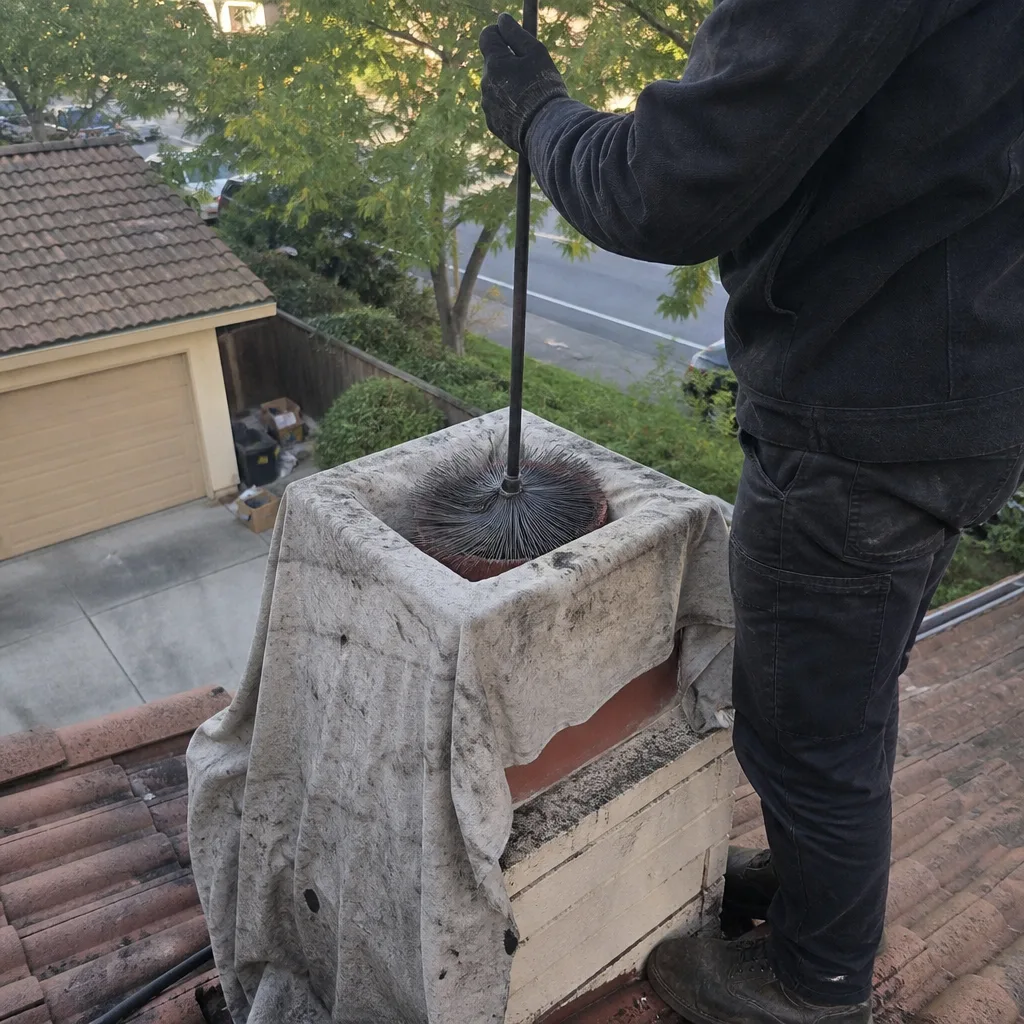
California law draws a bright line between maintenance and construction. You can maintain; you cannot modify without permits and licensed contractors. Several chimney tasks that San Jose homeowners encounter cross this line.
Tasks Requiring Licensed Contractors
- Liner replacement or repair: Installing a new stainless steel liner (DuraFlex, Olympia Chimney, or equivalent) or repairing an existing liner with HeatShield cerfractory foam is construction, not maintenance. Requires a C-29 masonry contractor license or C-36 plumbing license depending on scope, plus San Jose building permit.
- Crown rebuilding or resurfacing: Crown repair exceeding minor crack sealing (under 1/4 inch) requires permit. Full crown replacement is structural work.
- Smoke chamber parging: Applying refractory mortar to smooth smoke chamber walls - common in San Jose’s pre-1970s housing stock - is fire-safety construction requiring permit and licensed execution.
- Chimney cap installation with spark arrestor: If the installation involves modifying the flue opening or attaching to the crown with masonry anchors, permit required.
- Any work after fire damage or structural compromise: San Jose Fire Department and building official coordination mandatory.
The permit threshold matters for documentation too. Permitted work generates inspection records that transfer with the property. Unpermitted work, even competently done, becomes a disclosure issue at sale and can complicate insurance claims.
San Jose’s specific requirements: the City of San Jose Building Division enforces the California Residential Code, which adopts NFPA 211 by reference. Chimney permits require plan submission for structural modifications, and final inspection includes visual verification of liner condition and proper clearances to combustibles. We’ve handled permit coordination for hundreds of San Jose jobs - the process typically takes 2-3 weeks from application to final, longer if corrections are required.
The Insurance and Real Estate Documentation Gap
This is the core thesis, and it’s where most DIY versus professional guides fail their readers entirely. They compare brush prices and call it analysis. They don’t address what happens when the chimney matters to someone other than the homeowner.
The Insurance Problem
Standard California homeowner policies contain a maintenance clause for solid-fuel heating systems. The language varies by carrier, but the pattern is consistent: coverage for chimney-related fire damage requires evidence of “regular professional inspection and cleaning.” Some carriers specify NFPA 211 compliance; others use broader language. What they share: exclusion of DIY maintenance as satisfying the requirement.
We’ve reviewed denied claims for San Jose homeowners in neighborhoods from Rose Garden to Seven Trees. The scenario repeats: fire investigator finds creosote ignition as cause, insurer requests maintenance records, homeowner produces personal cleaning log, insurer denies based on non-professional maintenance. The homeowner then faces out-of-pocket rebuild costs exceeding $50,000 for structure and content damage, plus potential subrogation from neighbors if fire spread.
Documentation from Chimney Cleaning & Sweep in San Jose includes dated photo record, written scope, and technician certification - the evidence chain insurers accept.
The Real Estate Transaction Problem
California’s Residential Purchase Agreement includes a chimney inspection contingency in most standard forms. Buyer’s agents in San Jose’s competitive market increasingly request Level 2 inspection reports upfront, not as contingency but as offer strength. A seller with annual professional inspection reports can disclose confidently; a seller with DIY history faces either buyer insistence on immediate professional inspection (at seller expense, with findings potentially derailing timeline) or price reduction to account for unknown condition.
In San Jose’s market, where median days on market can drop below 14 in spring selling season, a 2-week inspection delay is transaction-expensive. Professional documentation is transaction insurance.
The Fire Investigation Problem
Post-fire, the California State Fire Marshal and local fire departments reconstruct events. NFPA 921 guides fire cause determination. Maintenance history is always examined. Professional inspection reports with photo documentation are entered as evidence; homeowner testimony about personal cleaning practices is noted but carries minimal weight. The documentation gap becomes a liability gap.
Honest Cost Comparison: DIY Break-Even for San Jose
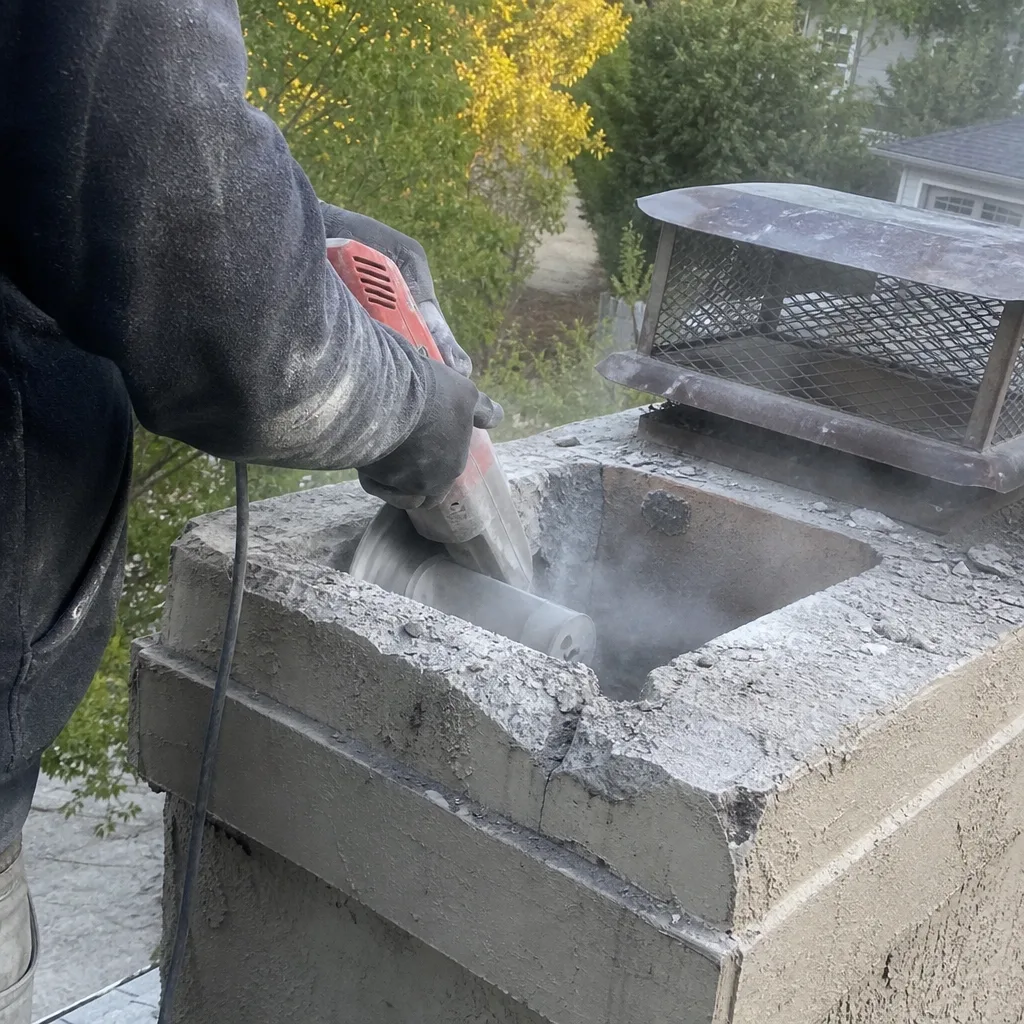
Let’s run the numbers without the usual internet fantasy. Professional chimney cleaning and Level 2 inspection in San Jose ranges from $189 for a straightforward gas fireplace flue to $349 for a wood-burning masonry chimney with multiple flues or access complications. For a detailed breakdown of what drives these figures, see our chimney cleaning cost breakdown for San Jose homeowners. The median San Jose home we service falls around $249.
Against the $1,220-$2,445 equipment investment, the break-even math depends on frequency and assumptions:
- Wood-burning primary heat source: Annual cleaning recommended. Break-even at 5-10 years - but this assumes zero equipment replacement, zero injury risk, zero misdiagnosis cost, and ignores the documentation value entirely.
- Occasional fireplace use (20-30 fires/year): Cleaning every 2-3 years. Break-even extends to 10-15 years, well beyond equipment lifespan.
- Gas fireplace only: Inspection every 2 years, minimal cleaning. DIY makes no financial sense; the equipment cost exceeds decades of professional service.
The honest break-even for San Jose: if you burn wood as primary heat, possess roof-work comfort, already own ladder and vacuum, and value your time at zero, you might approach break-even in 6-8 years. Add any complication - steep roof in the foothills, two-story construction in Willow Glen, uncertainty about creosote stage - and the math inverts quickly.
More importantly, break-even analysis treats chimney maintenance as pure expense. It’s not. It’s risk management with documentation value. Professional service produces transferable, verifiable records. DIY produces clean flues and personal satisfaction, neither of which transfers to buyers, insurers, or investigators.
How San Jose’s Climate Changes the Math
San Jose’s specific climate patterns create chimney conditions that differ from national averages, and DIY guides written for Midwest or Northeast markets mislead local homeowners.
The Dry-Summer, Mild-Winter Pattern
Santa Clara Valley’s Mediterranean climate means extended dry periods (May through October with negligible rainfall) followed by concentrated winter use. Masonry chimneys undergo thermal cycling: summer roof temperatures above 130°F expand materials, winter firing contracts them. Clay flue tiles, common in San Jose’s pre-1990 housing stock, are particularly vulnerable. The cycling creates hairline cracks that widen over seasons - invisible from the firebox, visible only on camera.
DIY brushing doesn’t address this; it may even mask it by removing soot that would otherwise signal draft problems. We’ve found cracked liners in San Jose chimneys where homeowners reported “perfect performance” because visible soot was minimal - the cracks were venting combustion gases into the wall cavity, undetected until camera inspection.
Earthquake Country Considerations
San Jose’s seismic risk affects chimney structural integrity. The 1989 Loma Prieta earthquake damaged thousands of chimneys across Santa Clara County; many were repaired cosmetically without liner inspection. Subsequent smaller quakes cause cumulative settling. A chimney that was sound in 2010 may have shifted liner sections by 2024. Camera inspection detects this; visual inspection from the firebox does not.
Air Quality Regulations
The Bay Area Air Quality Management District regulates wood-burning on Spare the Air days. San Jose homeowners with EPA-certified inserts face different maintenance schedules than those with open hearths. Professional inspection verifies insert installation compliance and gasket condition - DIY assessment of these systems is genuinely difficult without manufacturer training.
When to Call a Professional
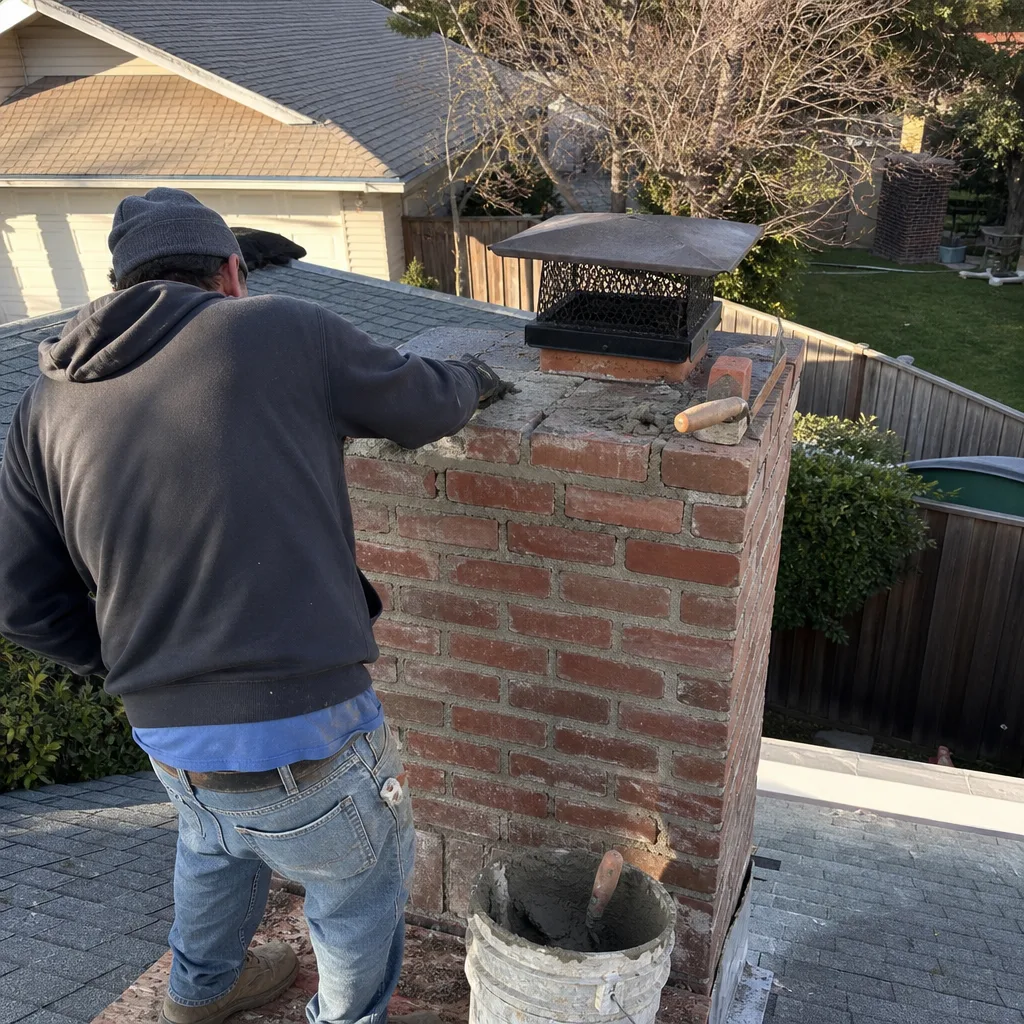
Certain conditions make DIY inappropriate regardless of skill or equipment. Call a professional immediately if you observe:
- Smoke spillage into the room during normal firing
- Visible cracks in the firebox or smoke chamber
- White efflorescence (salt deposits) on exterior brick, indicating moisture penetration
- Animals or nesting materials in the flue
- Any chimney fire history, however minor - even a brief “puffing” incident
- Purchase of a home with unknown chimney history
- Planning to install or modify any heating appliance
These are not maintenance situations; they are diagnostic and potentially hazardous conditions requiring documented professional assessment. Level Two Chimney San Jose home provides free estimates - call (669) 291-2770 to schedule. Every estimate includes written scope, written price, and no obligation to proceed.
Common Mistakes to Avoid
- Using a household vacuum for ash cleanup: Standard vacuums lack HEPA filtration and can disperse fine particulate through the exhaust. Worse, hot embers hidden in ash can ignite vacuum contents. We’ve responded to secondary fires in San Jose homes from this exact error.
- Brushing a damaged liner: If clay tiles are cracked or spalling, brush contact dislodges material and can worsen the breach. The correct response to suspected liner damage is camera inspection, not more aggressive brushing.
- Ignoring the smoke chamber: DIY guides focus on the flue because it’s accessible. The smoke chamber - the inverted funnel above the damper - accumulates creosote and is where many chimney fires originate. It’s also where DIY access is most limited.
- Assuming gas fireplaces need no inspection: Gas flues deteriorate from condensate and draft-induced moisture. San Jose’s occasional winter inversions can create downdraft conditions that accelerate corrosion. Annual inspection is still warranted.
- Cleaning from the top only: Some kits recommend top-down brushing from the roof. This misses the firebox and smoke chamber entirely, and deposits debris at the bottom that must still be removed. Complete cleaning requires bottom access too.
- Missing permit triggers: San Jose homeowners who install their own caps or repair crowns without checking permit requirements face correction orders at sale inspection. When in doubt, verify with the City of San Jose Building Division before starting work.
Frequently Asked Questions
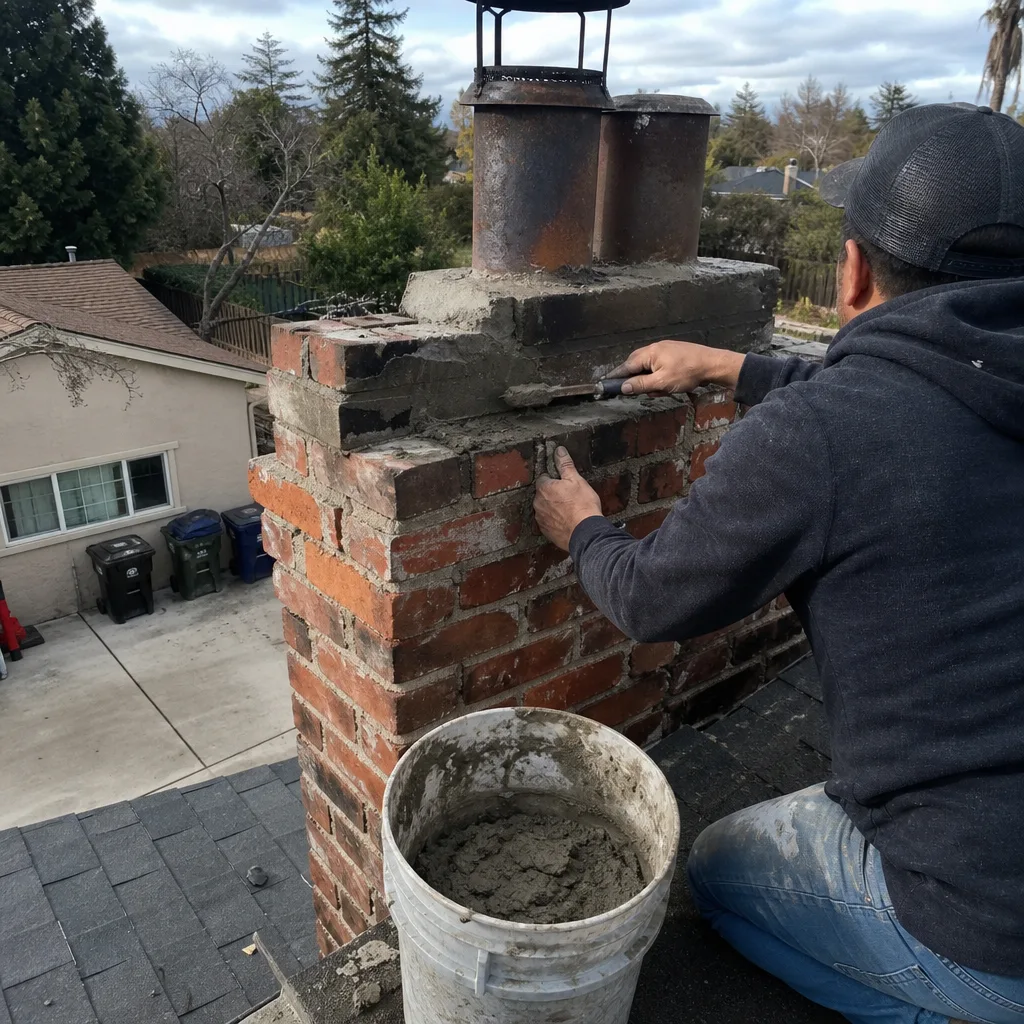
Professional chimney cleaning with NFPA 211 Level 2 inspection in San Jose typically costs $189-$349 depending on flue type, access difficulty, and number of appliances served. Gas fireplace flues at ground level with straight access fall at the lower end; multi-flue masonry chimneys on steep roofs in the foothills fall higher. Every job from Level Two Chimney San Jose includes written price before work starts, camera-scan photo documentation, and the 365-Day Done Right Promise. Call (669) 291-2770 for a specific quote - estimates are free.
You need a new liner if camera inspection reveals cracks, spalling, or gaps that compromise the flue’s ability to contain combustion gases and protect combustible framing - not before. Many San Jose chimneys with clay tile liners show cosmetic surface cracking that doesn’t require replacement; others show active breaches that do. The only valid determination comes from documented camera inspection with measurements. We provide free second opinions on any competitor’s written liner replacement quote, with our own camera findings for comparison.
Wood-burning chimneys used as primary heat should be inspected and cleaned annually; occasional use (fewer than 30 fires per season) can extend to every 2-3 years with professional assessment. For more guides & resources on keeping your system safe and documented, explore our blog. Gas fireplaces need inspection every 1-2 years for flue condition and appliance integrity. San Jose’s dry climate doesn’t reduce frequency - thermal cycling and occasional winter moisture create conditions that require regular monitoring regardless of rainfall patterns.
Skipped maintenance allows creosote accumulation, which increases chimney fire risk; liner deterioration to progress undetected, risking carbon monoxide intrusion or structural fire; and minor issues (crown cracks, cap damage) to become major repairs. In San Jose’s real estate market, it also creates documentation gaps that complicate sale transactions and insurance claims. The cost of deferred maintenance typically exceeds the cost of regular service by substantial margins - we’ve replaced $4,200 liners that annual $249 inspections would have caught in repairable condition.
Most California homeowner policies exclude DIY chimney maintenance from satisfying their professional maintenance requirements. You can clean your own chimney; your insurer can deny related claims for non-compliance with policy terms. The documentation gap is the issue, not the cleanliness of the flue. For valid coverage, maintain records of professional inspection with photo documentation.
General home inspections in San Jose typically include a Level 1 chimney inspection - visual examination from the exterior and accessible interior, without camera or roof work. This misses liner condition, hidden creosote stages, and many structural issues. A home inspection is not equivalent to a professional chimney inspection and should not be relied upon for maintenance planning or transaction documentation.
The Bottom Line
DIY chimney cleaning is legally permitted and mechanically possible for a subset of San Jose homeowners with straightforward systems, basic equipment investment, and comfort working at height. What it cannot produce - camera-documented liner condition, creosote stage classification, draft verification, and professional liability coverage - matters more than most guides acknowledge. The documentation gap becomes visible only when you need it: during an insurance claim, a home sale, or a fire investigation. Professional service from Chimney Repair in San Jose or Fireplace Services in San Jose closes that gap with records that transfer, verify, and protect. For most San Jose homeowners, the cost difference between proper DIY and professional service is modest; the documentation difference is categorical.
Call (669) 291-2770 for a free estimate. We’ll provide written scope, written price, and camera documentation - before any work begins, with no obligation to proceed.
Written by Corrine Halstead, Owner at Level Two Chimney San Jose, serving San Jose since 2009.