
Last updated September 22, 2026
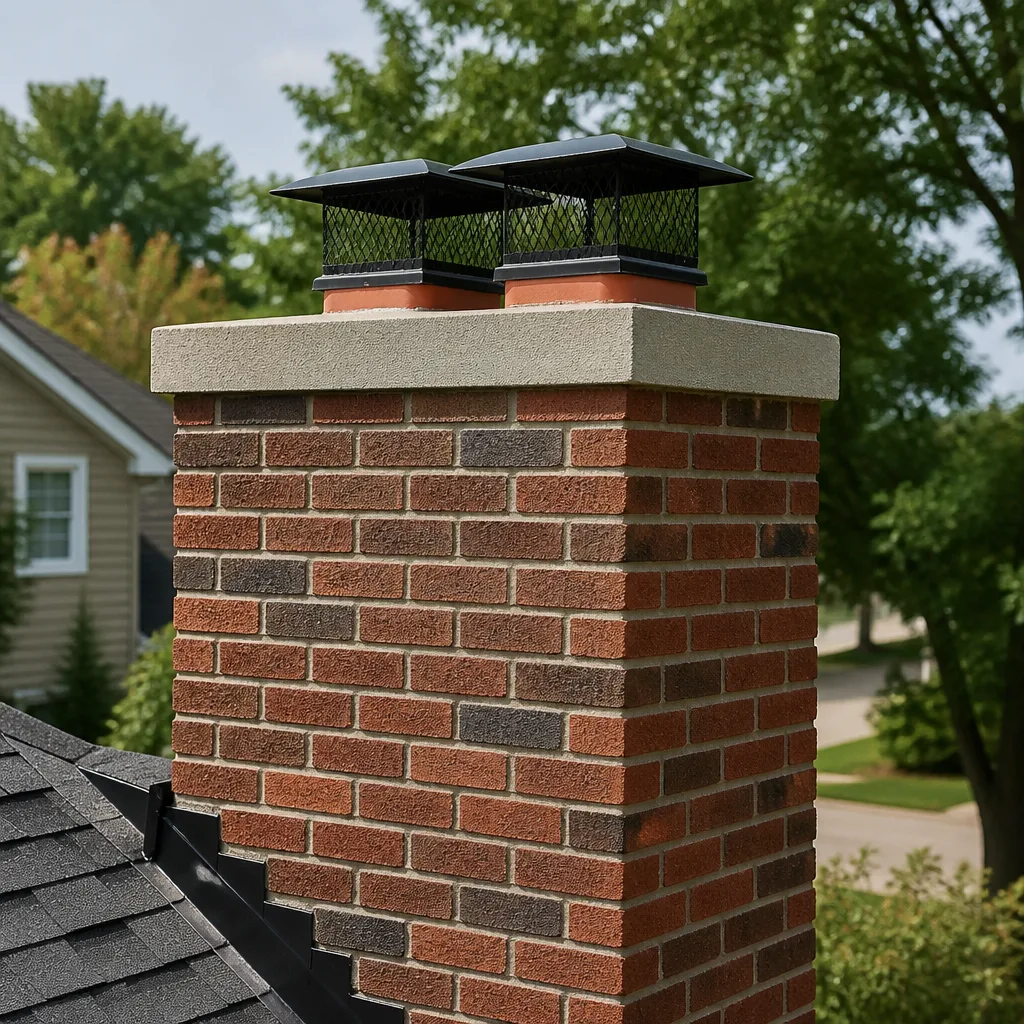
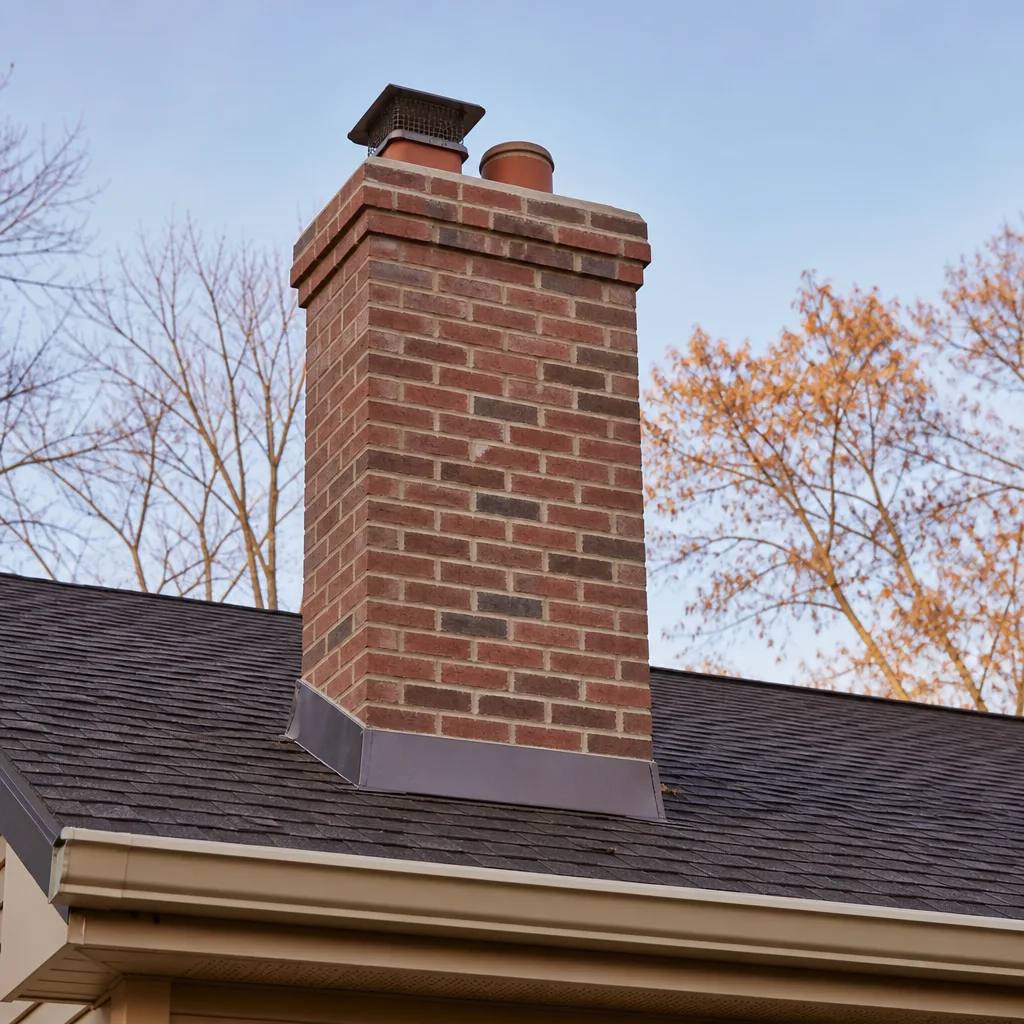
Level 1 sweep and inspection to the NFPA 211 annual standard - flue, crown, cap, and flashing checked and photographed
Chimney sweep logs do not sweep chimneys. They loosen some creosote - which then falls where a brush and vacuum still have to collect it.
Flue relining
 Before
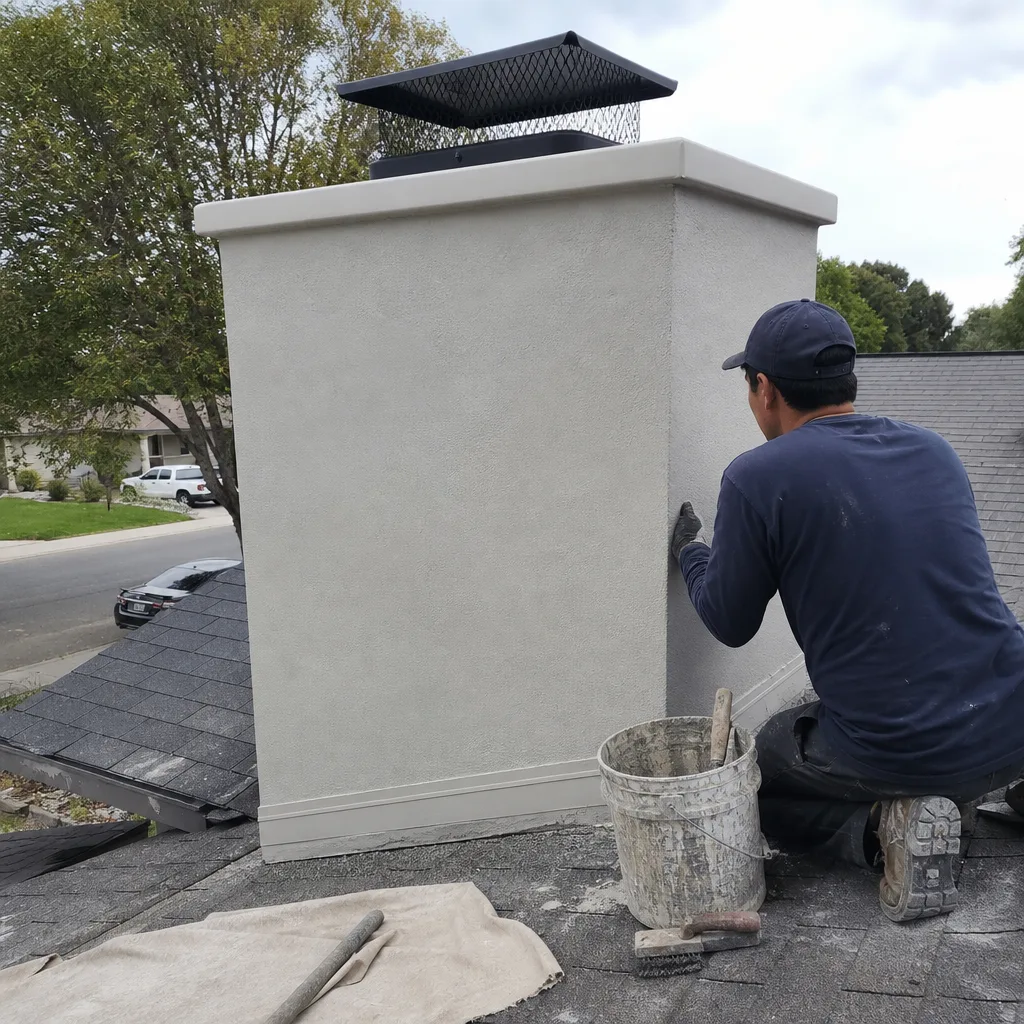 After
After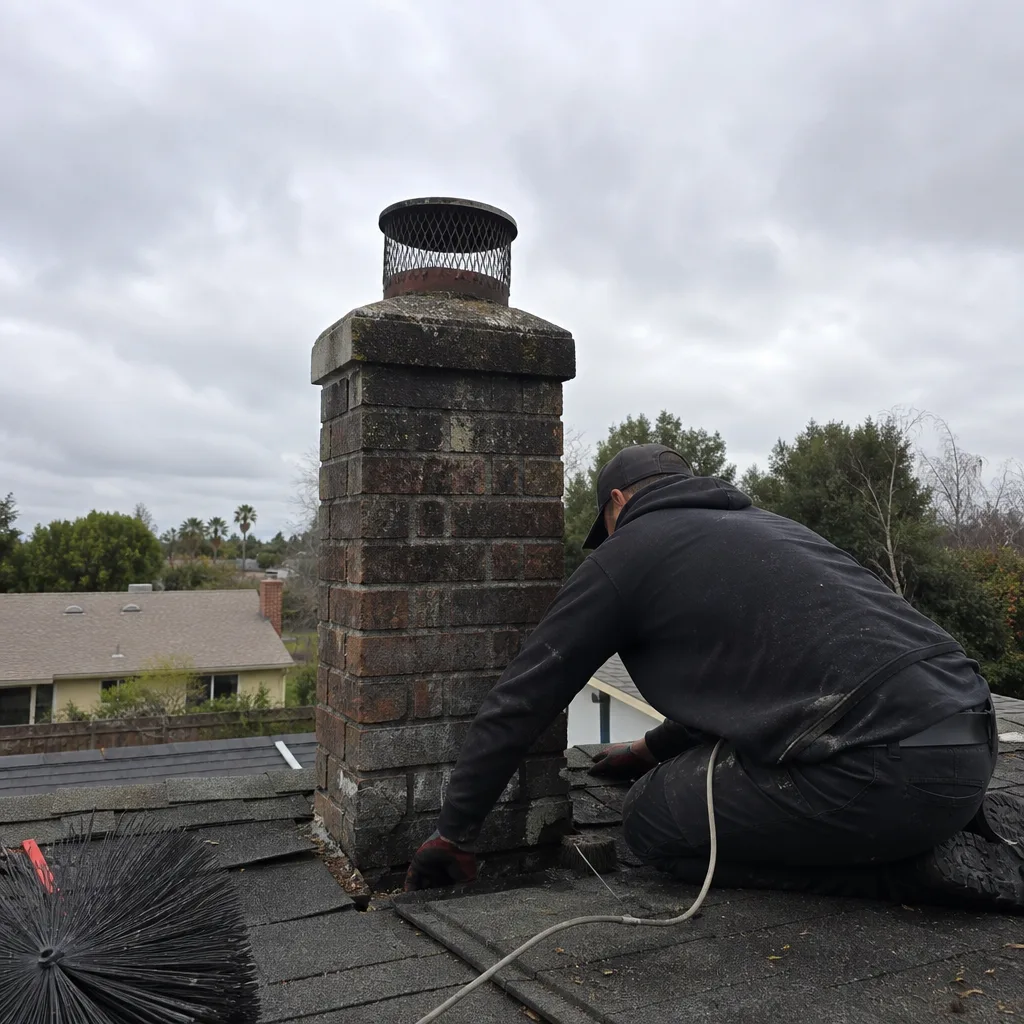 Before
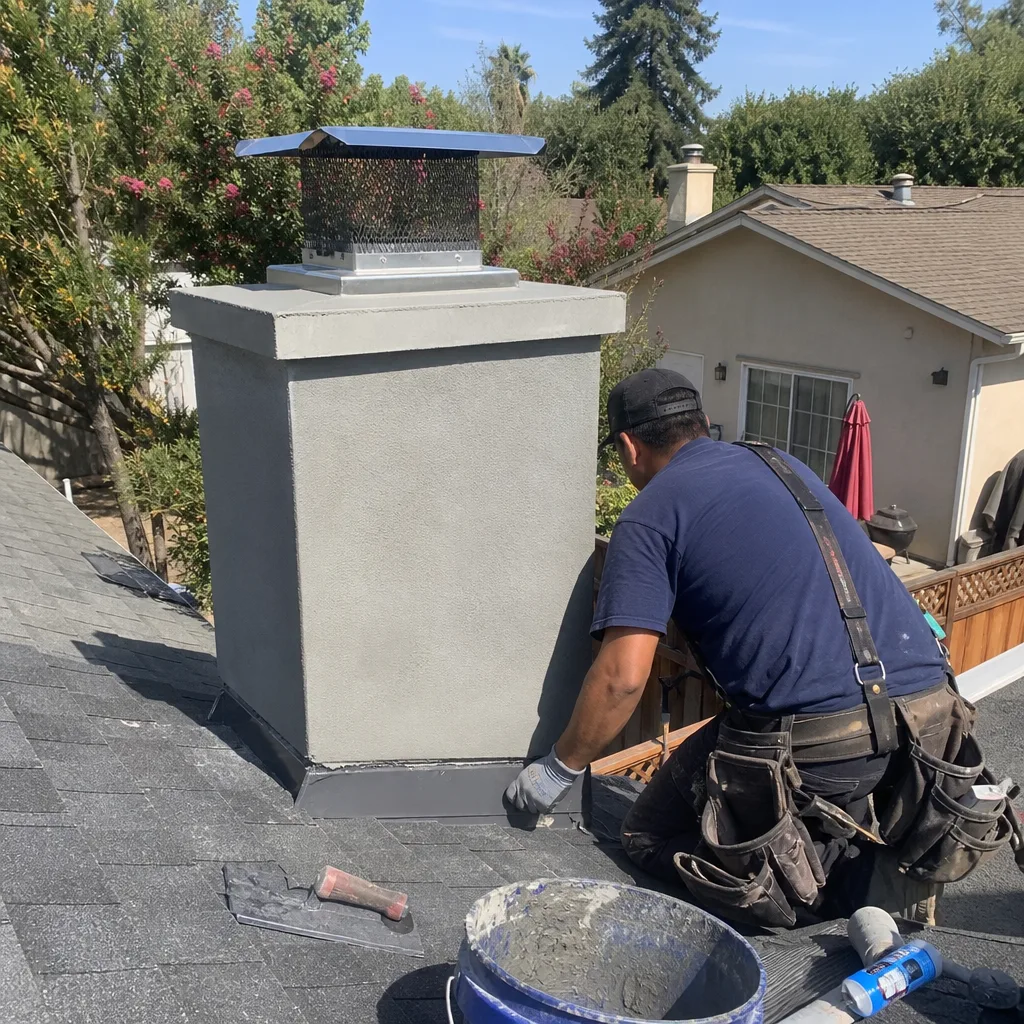 After
After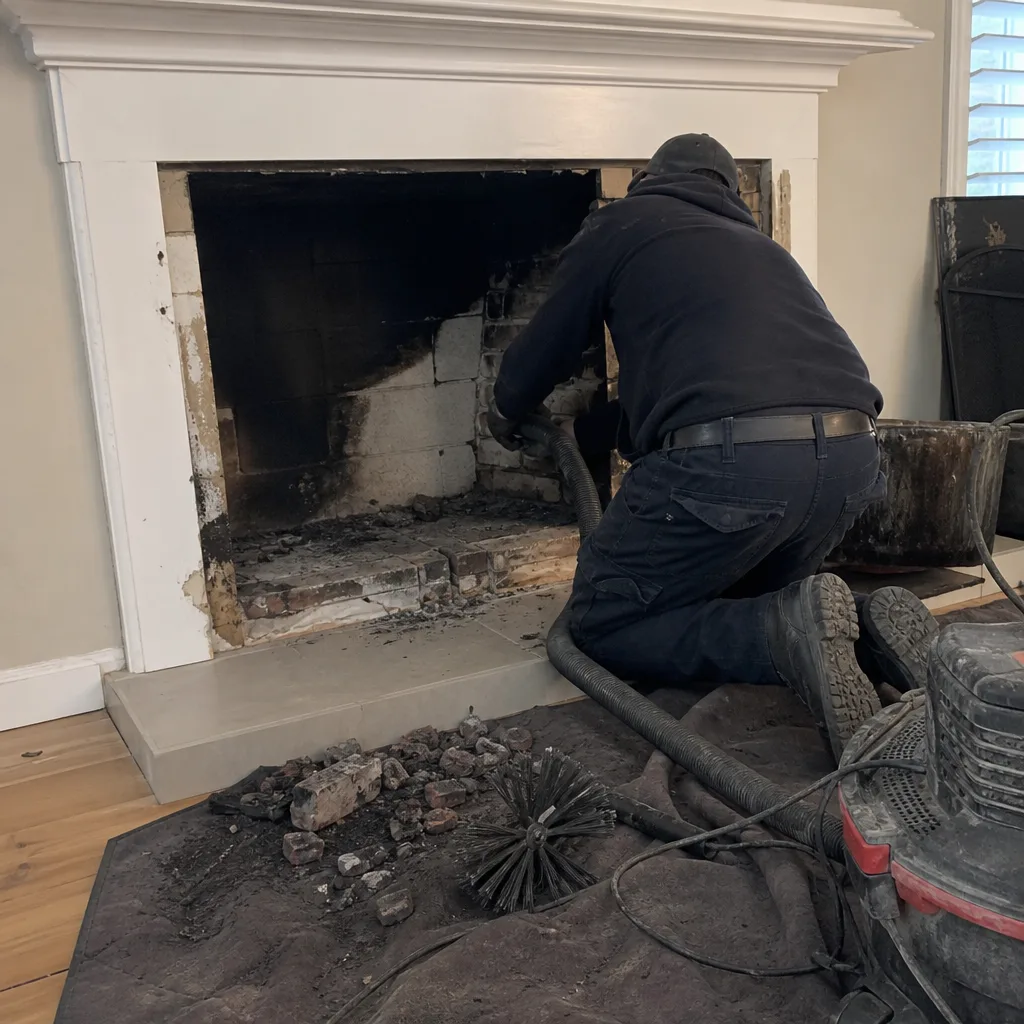 Before
 After
AfterThe Complete Guide to Chimney Cleaning in San Jose
The NFPA estimates that 25% of home heating fires involve chimneys that were “recently serviced.” In San Jose, where mild winters mean many homeowners fire up their fireplaces only a dozen times a year, that statistic confuses people. The gap isn’t how often you schedule service. It’s what the technician actually documented while they were there. Most San Jose homeowners conflate “cleaning” with “inspection” and end up with neither job done properly. This guide separates the two, defines what each should produce in writing, and explains why the camera footage matters more than the sweep’s verbal assurance that “you’re good to go.” For more guides & resources on chimney care, see our blog.
Quick Answer
Chimney cleaning in San Jose costs $180-$340 for a standard sweep with Level 1 inspection, and $340-$520 for a Level 2 camera inspection with documented photo record. A proper job produces a written scope, before/after images, and warranty terms - not a verbal “all clear.” In San Jose’s fog-belt climate, humidity accelerates liner corrosion in neighborhoods like Willow Glen and Almaden Valley, making camera documentation especially important for homes built between 1960 and 1990.
Table of Contents
- Level 1 vs. Level 2: The Mechanical Difference
- What Creosote Stages Look Like on Camera
- San Jose-Specific Risk Factors
- What a Completed Job Should Produce on Paper
- How to Read a Sweep’s Invoice
- How Often Should a San Jose Chimney Be Swept?
- Chimney Cleaning Cost in San Jose
- Common Mistakes to Avoid
- When to Call a Professional
- Frequently Asked Questions
 Before
 After
AfterLevel 1 vs. Level 2: The Mechanical Difference
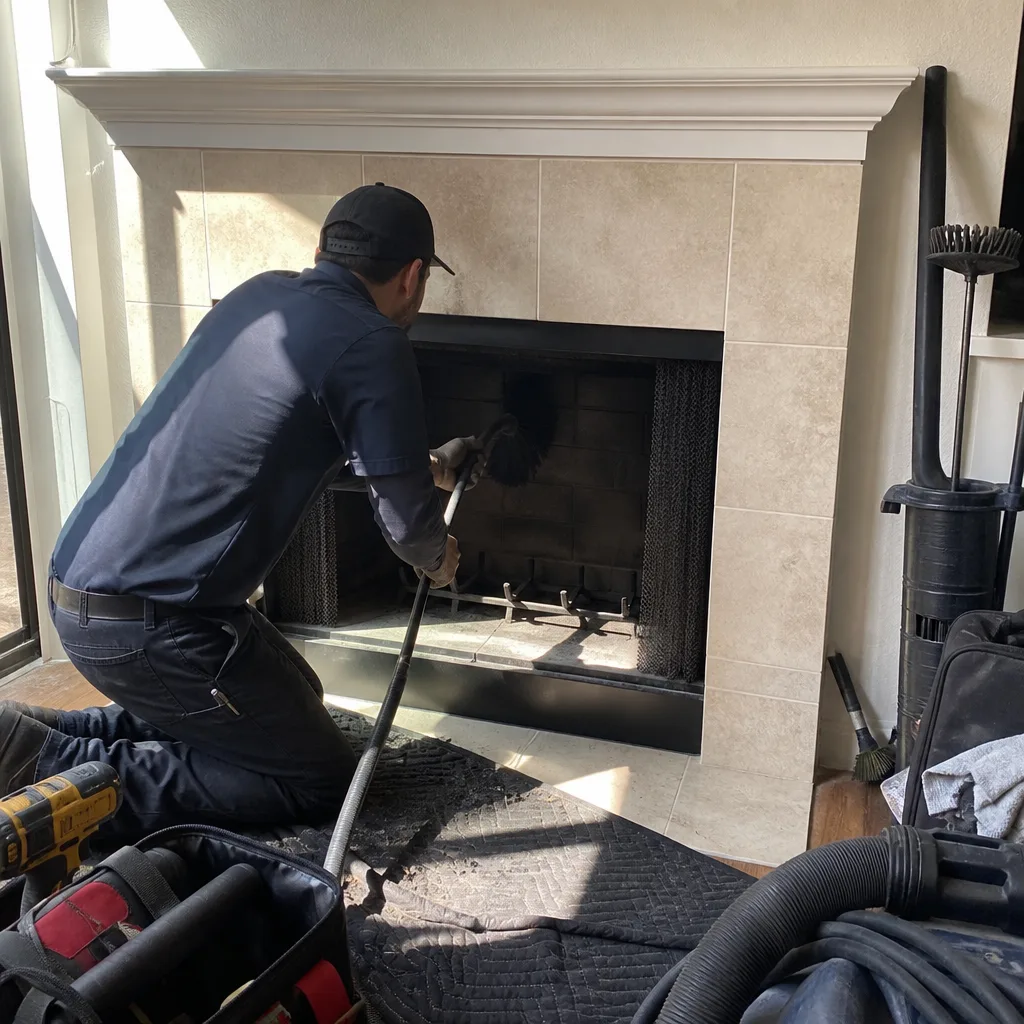
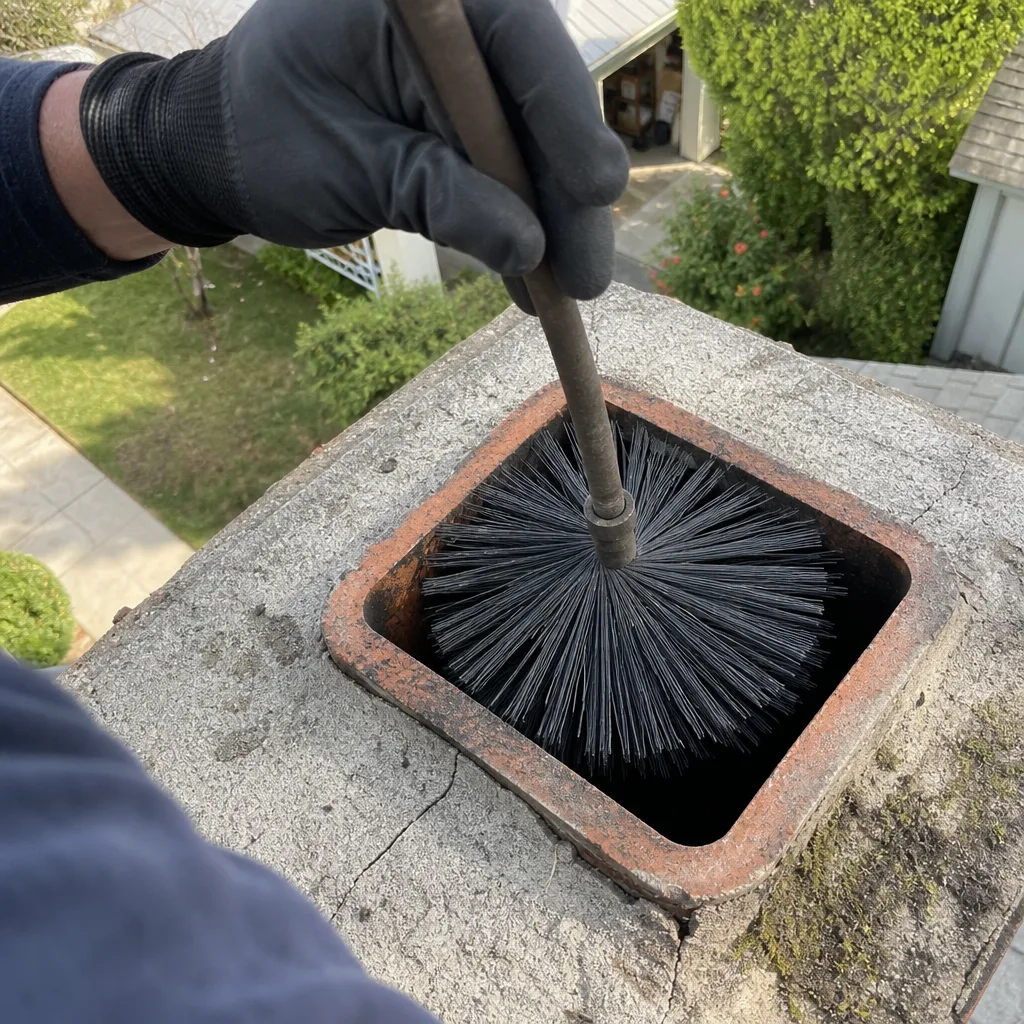
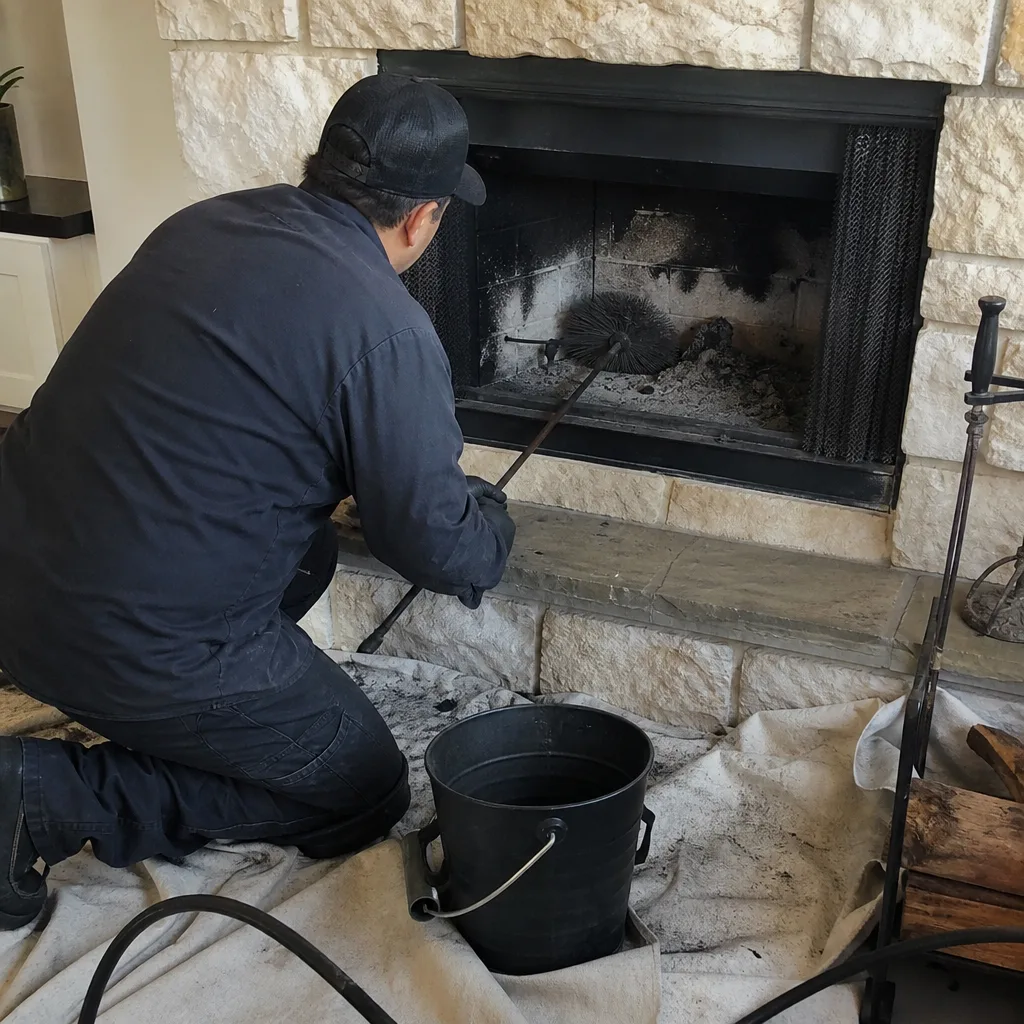
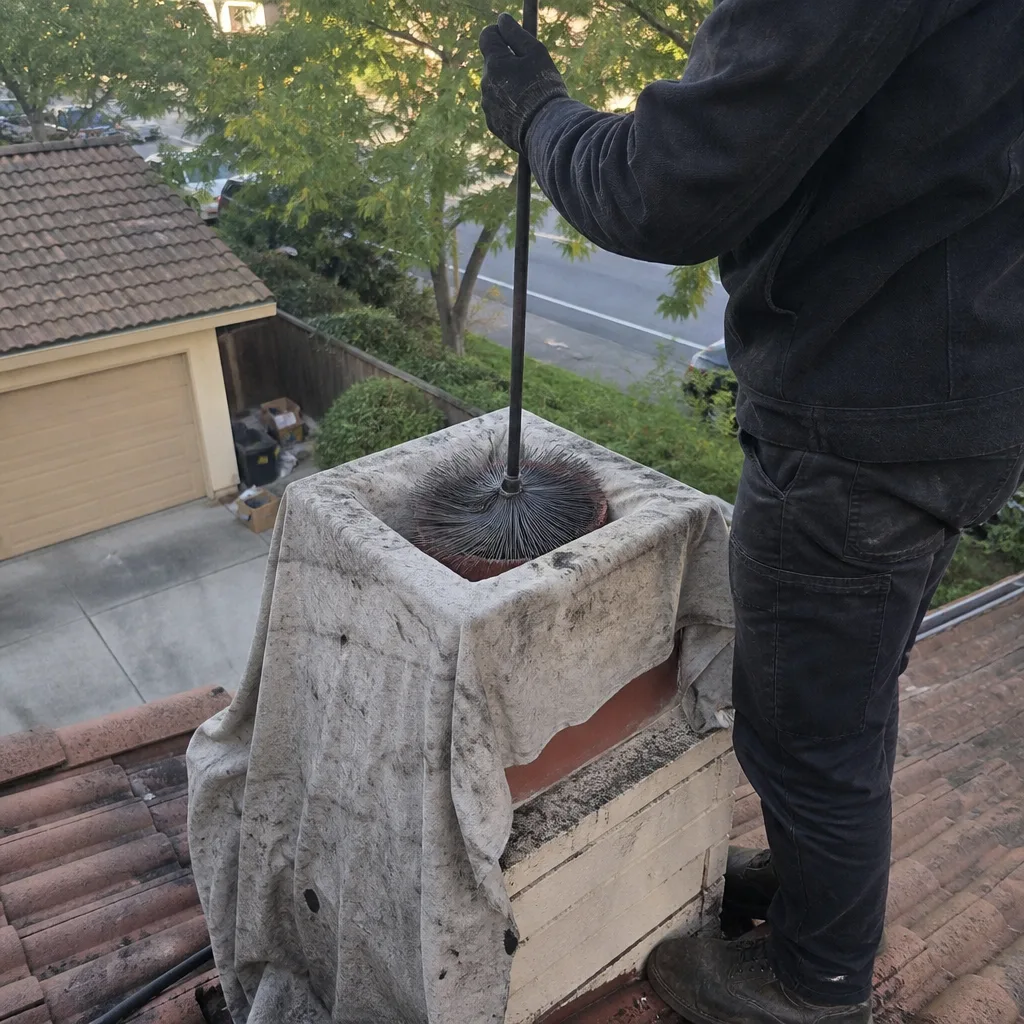
A Level 1 chimney sweep is a brush-and-vacuum job. The technician runs brushes through the flue, vacuums the smoke chamber and firebox, and does a visual check of accessible portions with a flashlight. No tools are moved. No interior surfaces are examined beyond what the eye can see from the hearth or roof. The NFPA 211 standard calls this “readily accessible” examination.
A Level 2 inspection is fundamentally different. It requires a camera scan of the entire flue interior, from firebox to crown, plus examination of attics, crawl spaces, and other accessible areas where the chimney passes through the structure. At Level Two Chimney San Jose home, we’ve performed this as our default since 2009 - years before insurers or regulators began requesting documentation. That practice became Clause 4 of the Haven Standard.
Here’s when each level applies:
- Level 1: Annual maintenance on a system with no changes, no problems, and no real estate transaction. Think of it as the oil change - routine, scheduled, preventive.
- Level 2: Required by NFPA 211 after any real estate transaction, after a chimney fire or operational malfunction, after weather damage or seismic event, or when the fuel type or appliance changes. In California, most home insurers now expect Level 2 documentation for properties sold since 2020.
The critical distinction: your insurer doesn’t care that someone “looked at” your chimney. They care that a qualified technician documented its condition with photographic evidence. In our experience across 38,000+ inspections, the flashlight pass misses roughly 40% of liner damage that the camera reveals in San Jose’s older housing stock.
We’ve seen this repeatedly in neighborhoods like Rose Garden and Naglee Park, where 1920s craftsmen homes have original terra cotta flue liners. The surface looks sound to a flashlight glance. The camera shows hairline fractures, spalling (surface flaking), and mortar loss that would allow combustion gases into wall cavities. These aren’t theoretical risks. They’re the reason Level 2 became our baseline.
What Creosote Stages Look Like on Camera
Creosote, the combustion residue that builds up in flue liners, comes in three stages. Each requires a different cleaning method and carries a different fire risk. A flashlight pass from the firebox cannot reliably distinguish between them. The camera can.
Stage I (Soot): Fine, dusty, black or brown powder. Brushes remove it easily. On camera, it looks like a thin film coating the liner surface. Low fire risk if removed annually.
Stage II (Crunchy flakes): Hardened, porous flakes that cling to the liner. Requires rotary chains or whips, not standard brushes. On camera, you see irregular, popcorn-like protrusions. Moderate fire risk - these flakes can ignite and create a sustained chimney fire.
Stage III (Glazed creosote): Shiny, tar-like, nearly glass-hard coating. Cannot be removed with mechanical brushing alone. Requires chemical treatment (we use HeatShield or similar refractory compounds) followed by mechanical removal. On camera, it appears as a thick, dark, reflective glaze. High fire risk - this is the fuel source for the destructive chimney fires that reach 2,000°F and crack liners.
The price difference is substantial. Stage I cleaning in San Jose runs $180-$240. Stage II runs $240-$340. Stage III treatment starts at $520 and can reach $1,200 if multiple flue treatments are needed. The camera inspection, included in our Level 2 service, is what prevents a Stage I quote from turning into a Stage III surprise after the technician is already in your home.
In the Santa Clara Valley, we see Stage III buildup most often in two scenarios: homeowners who burn unseasoned oak or eucalyptus (common in the foothills above Almaden Valley and Evergreen), and properties with exterior chimneys on north-facing walls where the flue stays cold, causing incomplete combustion. The cold flue condenses more creosote. The camera finds it before it becomes a hazard.
San Jose-Specific Risk Factors
San Jose’s climate and housing stock create conditions that generic chimney advice misses. Here’s what we document differently here than in drier inland markets.
Fog-belt humidity and liner corrosion: The marine layer that rolls through Willow Glen, Almaden Valley, and the western foothills keeps chimney liners damp for weeks at a time. Stainless steel liners corrode faster in this environment than in Sacramento or Fresno. Clay liners absorb moisture, then spall during the first hard freeze. We see this pattern repeatedly in homes off Meridian Avenue and in the Rose Garden district, where 1940s-1970s construction used lower-grade terra cotta. The camera reveals corrosion pitting that a flashlight pass misses entirely.
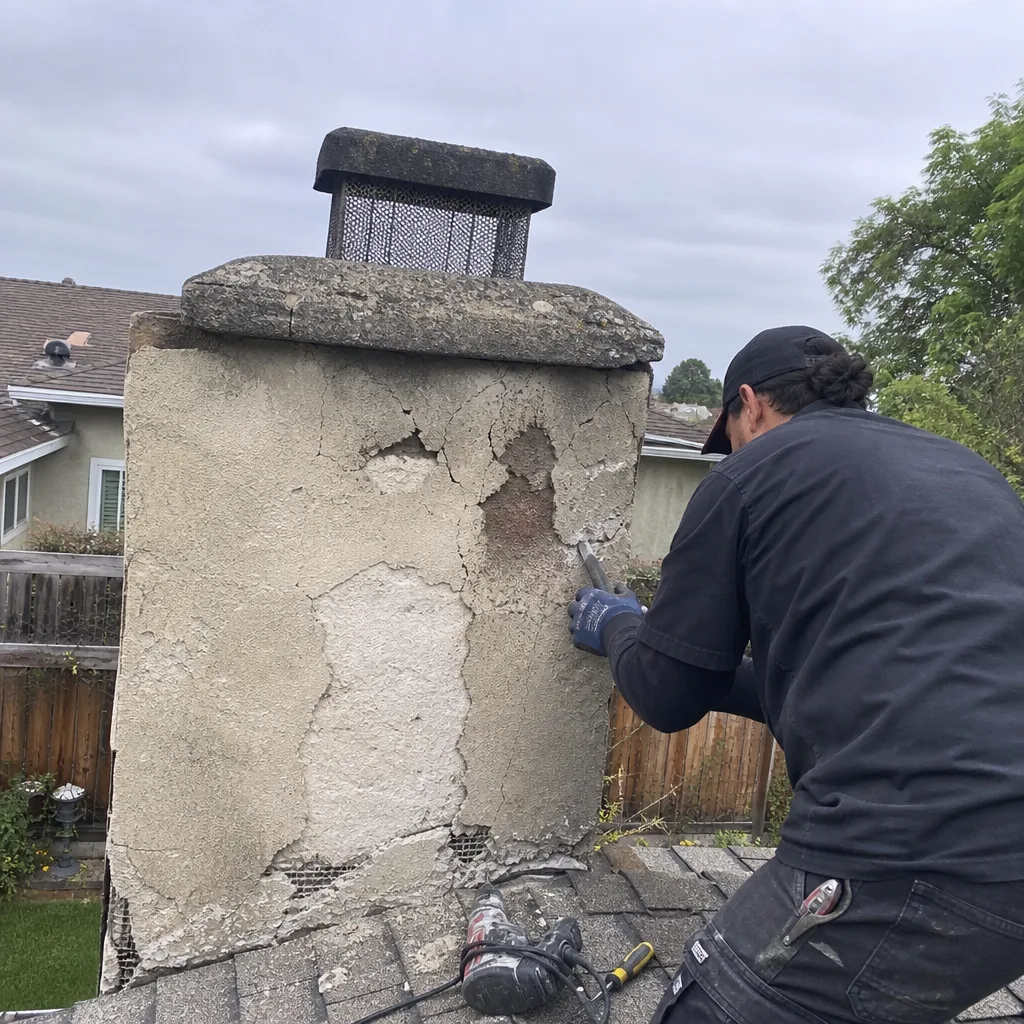
Seismic settling and chimney separation: The Calaveras Fault and associated fault systems create micro-movements that stress masonry chimneys. In our 38,000+ inspections since 2009, we’ve documented hundreds of cases where the chimney has pulled slightly away from the house frame, creating gaps in the flashing or cracks in the crown. These aren’t dramatic tilts. They’re 1/8-inch gaps that admit water and compromise draft. The camera inspection includes the crown and exterior; the Level 1 sweep does not.
Air quality regulations and burn season: The Bay Area Air Quality Management District restricts wood burning on Spare the Air days from November through February. Many San Jose homeowners compress their burning into fewer, hotter fires - which actually increases creosote production if the wood isn’t properly seasoned. We advise our customers in Campbell, Los Gatos, and the San Jose hills to burn only wood with under 20% moisture content, verified with a $20 moisture meter.
HOA and historic district requirements: Properties in the Hensley Historic District and certain Willow Glen neighborhoods face additional restrictions on exterior chimney modifications. Our documentation includes photos that satisfy both the NFPA standard and local architectural review requirements - another reason the photo record matters beyond safety alone.
What a Completed Job Should Produce on Paper
A proper chimney service should leave you with documents, not just a clean flue. Here’s what Clause 1 and Clause 4 of the Haven Standard require - and what you should demand from any sweep in San Jose.
The written price and scope (Haven Standard Clause 1): Before any work begins, you receive a written price for the specific work, a written scope describing what will be done, and a written warranty covering the work. Not an estimate. Not a range. A fixed price for a defined scope. At Level Two Chimney San Jose, we don’t start until you have this in hand. The practice is embedded in the H.A.V.E.N. acronym: “Have it in writing.”
The photo record (Haven Standard Clause 4): Every visit produces dated, labeled photographs of the flue interior, smoke chamber, firebox, damper, crown, and exterior condition. These aren’t snapshots for our files. They’re your documentation for insurance, real estate disclosure, or warranty claims. We’ve maintained this archive since 2009. When a customer in Almaden Valley needed to document pre-existing condition for a home sale in 2023, we pulled their 2017, 2019, and 2021 records in under ten minutes.
The inspection report: For Level 2 services, this includes camera footage (typically 3-5 minutes of flue scan), still images of any findings, and a narrative description of liner condition, creosote class, structural integrity, and clearances to combustibles. The report should reference NFPA 211 compliance specifically, not generic “safety” language.
The completion invoice: This should itemize what was done, what materials were used (including brand names like DuraFlex or Olympia Chimney if liners or caps were installed), and what warranty applies. It should not be a single line reading “chimney service - $340.”
What you should never accept: a verbal “you’re good to go” with no paper, a carbon-copy receipt with no findings noted, or a promise that “we’ll email the report” that never arrives. Documentation is the product. The cleaning is the procedure.
How to Read a Sweep’s Invoice
Homeowners in San Jose often tell us they paid for a “cleaning and inspection” but can’t tell us what was inspected or what condition their chimney is in. The invoice reveals whether you paid for documentation or just a service call.
Here’s how to read what you received:
| Invoice Line | What It Means | Red Flag? |
|---|---|---|
| “Chimney sweep” | Brushing and vacuuming only | Yellow - no inspection specified |
| “Level 1 inspection” | Visual check of accessible areas | Yellow - no camera, no documentation |
| “Level 2 inspection” | Camera scan, full NFPA 211 protocol | Green - verify photo record was provided |
| “Camera inspection” | Camera was used; verify footage was given to you | Yellow - some firms charge extra for the video file |
| “Safety check” | Undefined term, no standard | Red - request specific standard referenced |
| “Creosote removal” | Does not specify stage or method | Yellow - Stage III requires chemical treatment, not just brushing |
| “Recommended repairs” | Verbal or handwritten add-on | Red - demand written scope and price before approving |
The invoice should also show labor and materials separately if any parts were installed. A cap from Gelco or a liner from DuraFlex should be itemized by name, not buried in a lump sum. Our invoices at Chimney Cleaning & Sweep in San Jose separate every component - it’s the only way you can compare quotes apples-to-apples, which is why we also offer our Free Second Opinion on any competitor’s written estimate.
If your invoice has no photos attached, no standard referenced, and no warranty language, you paid for a service call, not a documented inspection. In the event of a chimney fire or insurance claim, that paperwork gap becomes expensive.
How Often Should a San Jose Chimney Be Swept?
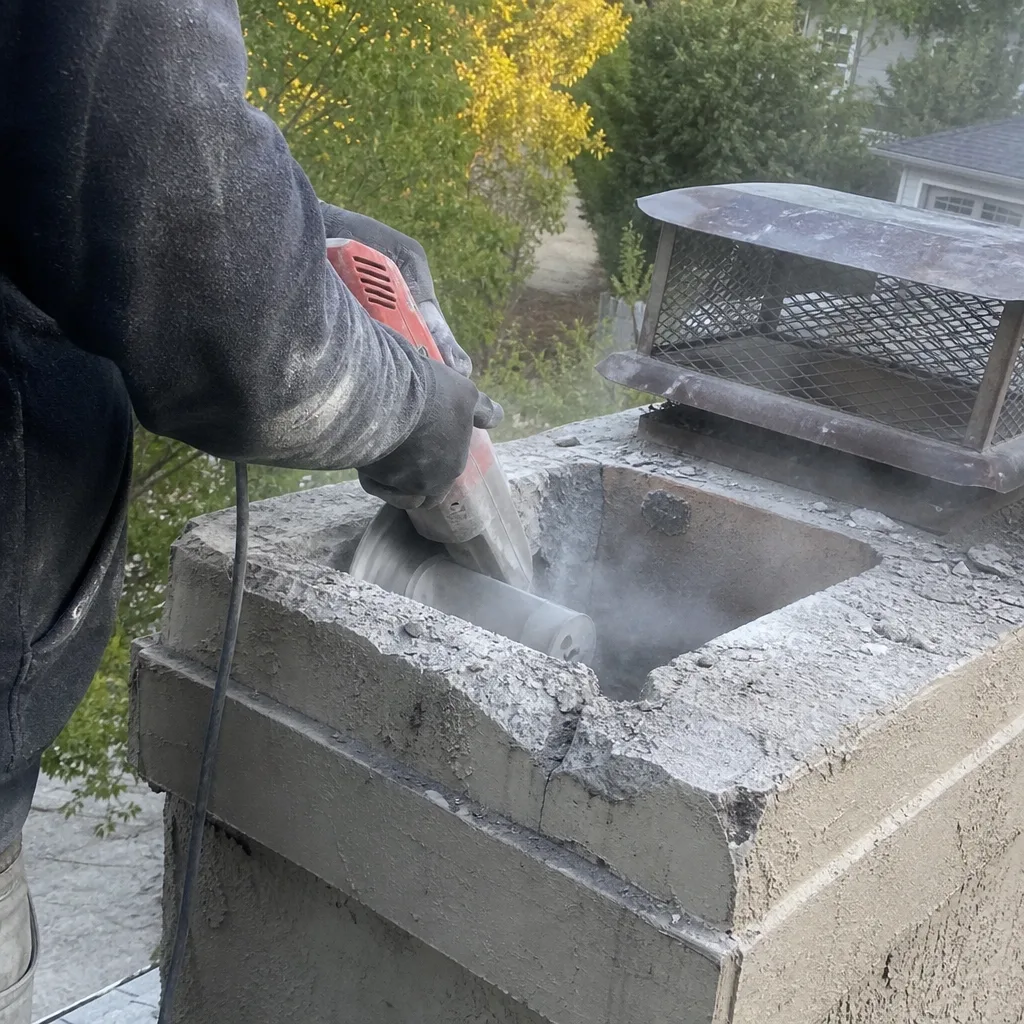
The NFPA 211 standard recommends annual inspection for all chimneys, and cleaning “as necessary” based on creosote accumulation. “As necessary” varies dramatically by use patterns, fuel type, and local conditions.
For San Jose homeowners, we suggest this framework:
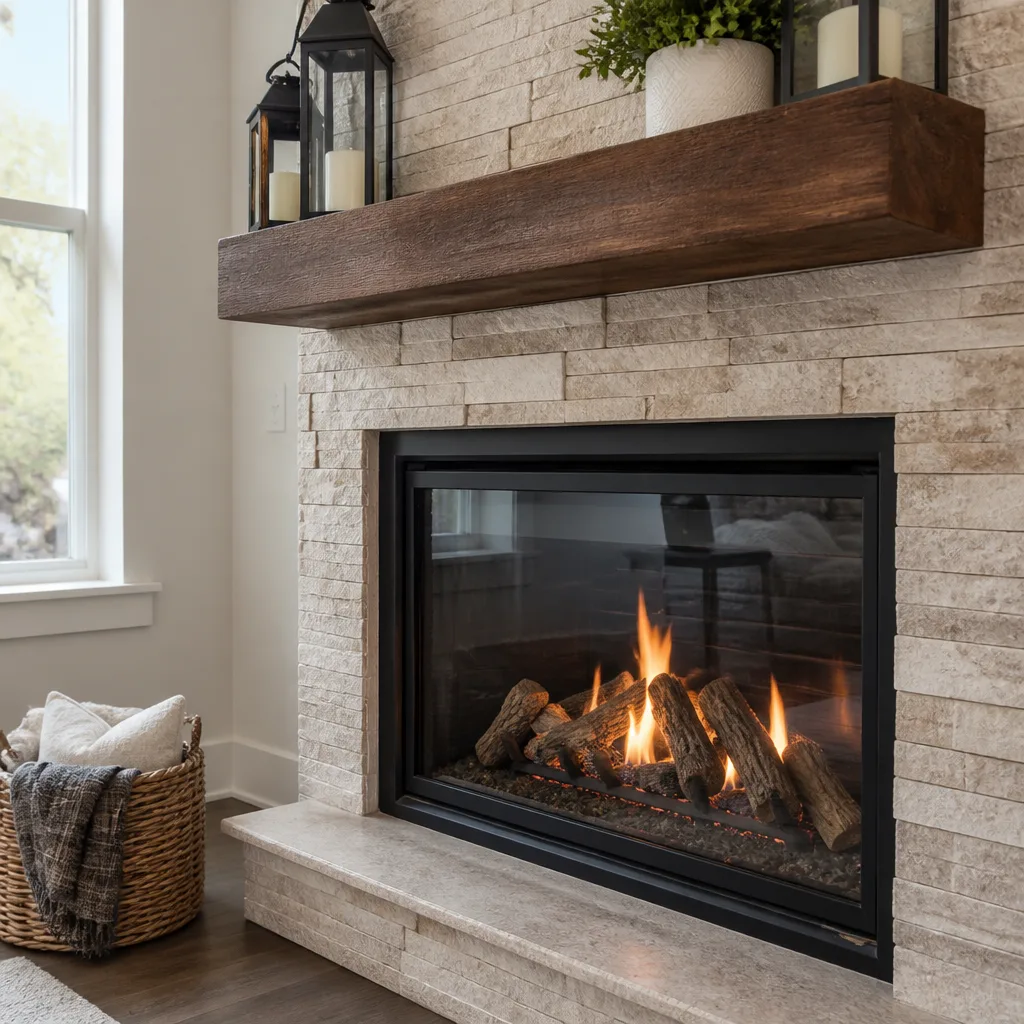
- Gas fireplaces with inserts: Annual inspection, cleaning typically every 2-3 years unless debris or animal nesting is found. The camera still matters - we find cracked refractory panels and deteriorated liners in gas units regularly, especially in homes near the foothills where thermal cycling is more extreme.
- Wood-burning fireplaces, occasional use (1-2 fires/week in season): Annual Level 2 inspection with sweep as needed. Most of our San Jose customers in this category need cleaning every 1-2 years.
- Wood-burning fireplaces, frequent use (3+ fires/week): Annual Level 2 inspection and sweep. In heavy-use homes above 1,000 feet elevation - think the hills above Almaden Valley or along Sierra Road - we sometimes recommend mid-season checks if Stage II creosote is detected.
- Pellet stoves: Annual professional inspection, though ash removal is typically owner-performed monthly during season. The venting system still needs camera documentation annually.
- Never-used or decorative fireplaces: Still inspect every 2-3 years. We’ve found bird nests, deteriorated mortar, and water damage in “never used” chimneys across San Jose, particularly in homes with mature trees that drop debris onto uncapped flues.
The specific trigger for cleaning isn’t calendar time. It’s creosote thickness. The NFPA calls for cleaning when accumulation reaches 1/8 inch. A flashlight guess can’t measure this. The camera can, and our reports include measurement references.
Chimney Cleaning Cost in San Jose
Price transparency is central to how we operate. Here’s what chimney cleaning costs in the San Jose market, with the documentation you should receive at each tier.
| Service | Price Range | What It Includes | Documentation Provided |
|---|---|---|---|
| Level 1 sweep and basic inspection | $180-$240 | Brush and vacuum of flue, smoke chamber, firebox; visual check with flashlight | Written invoice; no photo record standard |
| Level 2 inspection with sweep | $340-$520 | Camera scan of full flue; sweep as needed; exterior evaluation; attic/crawl space check if accessible | Written scope and price before work; dated photo record; NFPA 211 compliance report; 365-Day Done Right Promise |
| Stage III creosote treatment | $520-$1,200 | Chemical application, cure time, rotary mechanical removal, follow-up camera verification | Before/after photo comparison; treatment product specified (HeatShield or equivalent); warranty on treatment effectiveness |
| Chimney cap installation | $280-$680 | Custom-fit cap, spark arrestor, animal screening; materials from Gelco, Famco, or equivalent | Product specification; installation photos; warranty terms |
| Stainless steel liner installation | $2,800-$5,500 | Custom-measured liner from DuraFlex or Olympia Chimney; insulation; connection; camera verification of fit | Full photo record of installation; manufacturer warranty; installation warranty under Haven Standard |
These ranges reflect San Jose’s market specifically. Labor costs run higher here than in the Central Valley, but material costs through our Haven buying network stay controlled. We don’t markup materials to subsidize labor - the price you see is the price that covers the work, the documentation, and the warranty.
Be wary of quotes below $150 for any service that includes “inspection.” At that price point, you’re getting a brush run and a flashlight glance, not documentation you can use. The real cost of cheap service shows up when you need to prove chimney condition to an insurer, buyer, or warranty provider.
Common Mistakes to Avoid
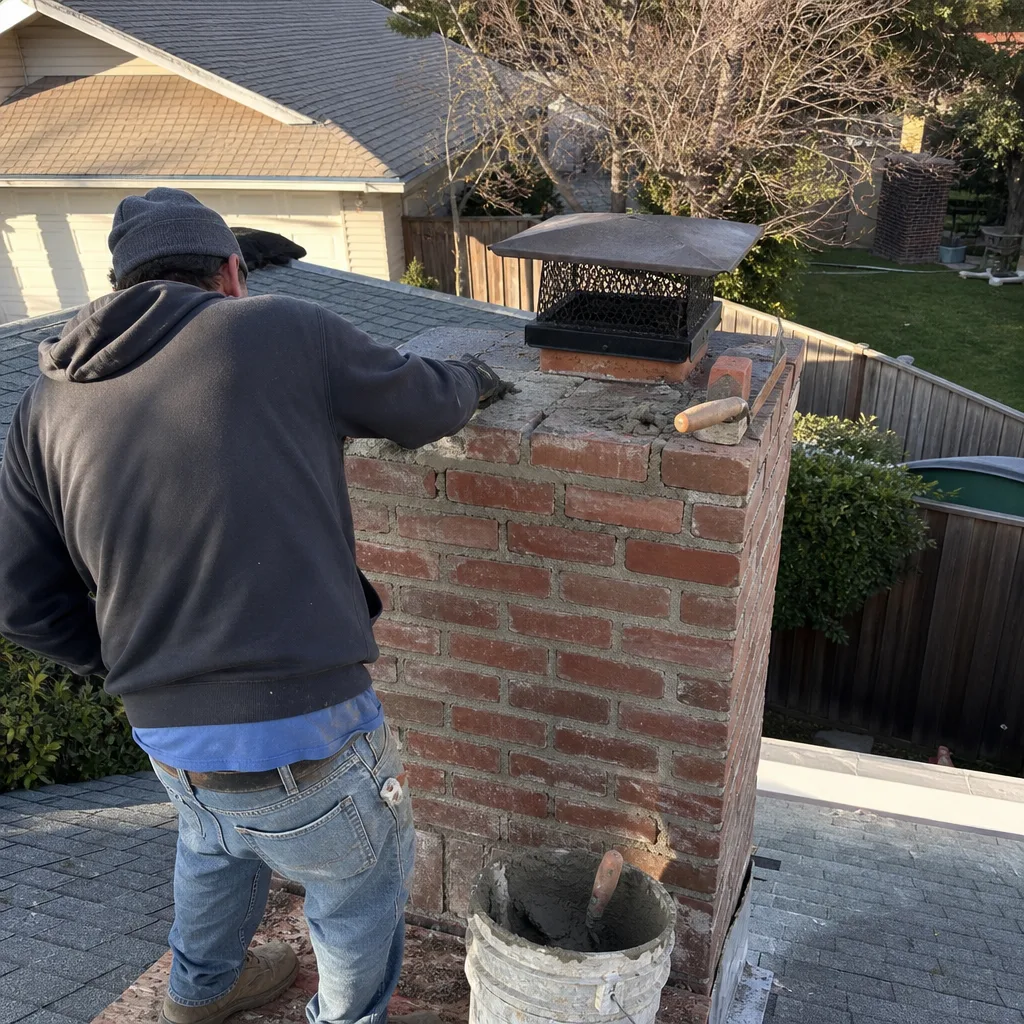
- Booking a “sweep” assuming it includes inspection. In San Jose, many low-price sweeps are exactly that: brushes and a vacuum. The “inspection” is a 30-second flashlight look. Confirm the standard (Level 1 or 2) before booking.
- Ignoring humidity damage because you rarely burn. In Willow Glen and west San Jose, fog-belt moisture corrodes stainless liners even in unused chimneys. Annual camera checks catch this before the liner fails completely.
- Accepting verbal repair recommendations. If a technician says you need a new liner or crown repair, demand camera evidence you can see, and a written price before any work proceeds. We’ve provided Free Second Opinions that found recommended $4,000 repairs were unnecessary - the “damage” was cosmetic staining visible only with poor lighting.
- Burning unseasoned wood from backyard trees. That oak or eucalyptus you felled in Los Gatos or the Santa Cruz Mountains? If it hasn’t dried 12+ months, it’s 40-50% moisture and will glaze your flue with Stage III creosote in a single season.
- Skipping service before a home sale. California disclosure requirements put chimney condition on the seller. A documented Level 2 inspection before listing prevents last-minute negotiation surprises. We’ve performed pre-sale inspections in Cambrian Park and Blossom Valley that saved deals by documenting sound condition - or identified issues the seller could fix proactively.
- Assuming a new home means a clean chimney. New construction in North San Jose and Berryessa often has construction debris, mortar droppings, or even worker trash in the flue. The first fire should never be the first inspection.
When to Call a Professional
Call for service before the situation becomes urgent. Specific triggers: visible creosote flakes falling into the firebox, a strong tar smell when the fireplace isn’t in use, white or orange staining on exterior masonry (indicating moisture intrusion), draft problems or smoke backup, any chimney fire event (rapid rumbling, dense smoke, flame visible from the top), or before any real estate transaction.
Carbon monoxide risk is real but invisible. A deteriorated liner or blocked flue can vent combustion gases into living spaces. If your CO detector alarms and you can’t identify a source, treat the chimney as a suspect and schedule a Level 2 inspection.
Level Two Chimney San Jose offers free estimates in San Jose - call (669) 291-2770. Our live phone support runs 24 hours a day, 7 days a week. You’ll speak to a person, not a voicemail system, and we’ll schedule a named, background-checked technician who texts when en route. Every quote is written, every visit is documented, and every job carries the 365-Day Done Right Promise.
Frequently Asked Questions
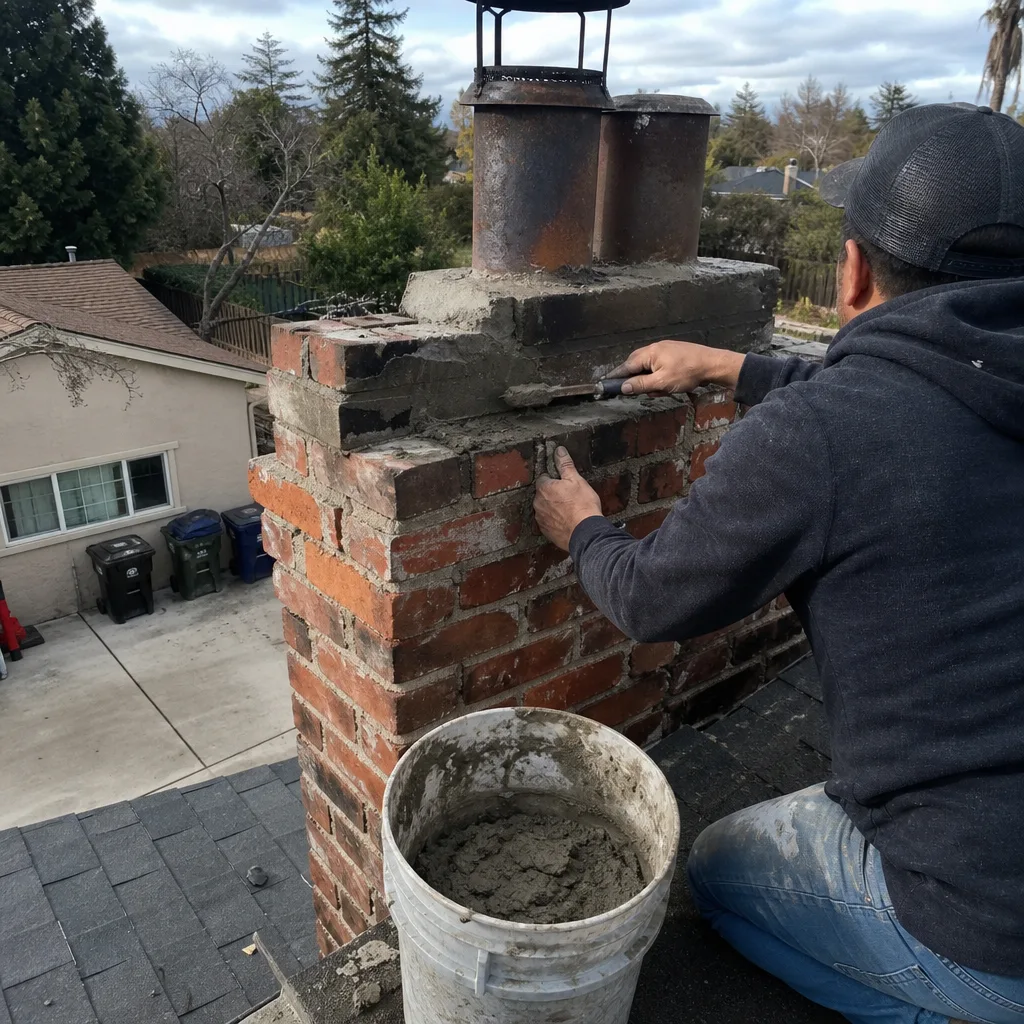
A standard Level 1 chimney sweep in San Jose costs $180-$240, while a Level 2 inspection with camera scan and documented photo record runs $340-$520. Stage III creosote treatment starts at $520. Call (669) 291-2770 for an exact quote - estimates are free and include a written price before any work begins.
You shouldn’t approve liner replacement without seeing camera evidence of the damage yourself. At Level Two Chimney San Jose, we show you the footage, explain what the defect means for safety and function, and provide a written price for options including repair versus replacement. Our Free Second Opinion service exists specifically for this concern - bring us any competitor’s written estimate and we’ll review it against what our camera finds.
The NFPA recommends annual inspection for all chimneys, with cleaning frequency based on creosote accumulation rather than calendar time. Most San Jose homeowners with occasional wood-burning use need sweeping every 1-2 years; gas fireplace users typically need cleaning every 2-3 years. Fog-belt humidity in neighborhoods like Willow Glen accelerates liner corrosion, making annual camera inspection prudent even for rarely used systems.
Skipped maintenance allows creosote to accumulate, progressing from Stage I soot to Stage III glazed deposits that fuel chimney fires reaching 2,000°F. In San Jose’s older housing stock, that heat cracks terra cotta liners and allows combustion gases into wall cavities. Moisture intrusion from cracked crowns or deteriorated flashing compounds the damage. The cost of deferred maintenance typically exceeds preventive service by 10-20x when liner replacement or masonry rebuild becomes necessary.
A sweep is a cleaning procedure - brushes, vacuum, debris removal. An inspection is an evaluation of system condition against the NFPA 211 standard. A Level 1 inspection is visual only; a Level 2 inspection requires camera documentation of the flue interior. Many San Jose homeowners believe their “sweep and inspection” included full documentation when it was only a brush run and flashlight glance. Verify the standard and demand the photo record.
Most California insurers now request Level 2 inspection documentation for properties sold since 2020, and some require it for renewal of policies on homes with wood-burning fireplaces. After any chimney fire claim, expect the insurer to demand documented pre-loss condition. The photo record from your annual service is your evidence that maintenance was performed to standard.
Mechanical brushing of a ground-level fireplace is physically possible for a homeowner, but we don’t recommend it - see our DIY vs Professional Chimney Cleaning: The San Jose Homeowner’s Decision Guide for why. Without camera equipment, you cannot assess liner condition or verify complete creosote removal. Roof access for exterior inspection involves fall risk. And critically, self-service produces no documentation that satisfies insurer or disclosure requirements. The cost of professional service includes the record that protects your largest asset.
The Bottom Line
Chimney cleaning in San Jose is not a commodity service. The difference between a $180 brush run and a $340 documented Level 2 inspection is the difference between a receipt and a protective record. In a market with fog-belt corrosion, seismic settling, and insurer documentation requirements, the camera footage matters more than the sweep’s verbal assurance. Demand the written price before work starts, the photo record on completion, and the warranty that backs both. That’s what the Haven Standard requires. It’s what we’ve delivered on 38,000+ visits since 2009. And it’s what your chimney, your home, and your insurer actually need.
Ready for service that produces documentation you can use? Call Level Two Chimney San Jose at (669) 291-2770 for a free estimate. We’ll provide a written price before any work begins, perform a camera-scan inspection with photo record, and back every job with our 365-Day Done Right Promise. Live phone support is available 24 hours a day, 7 days a week.
Written by Corrine Halstead, Owner at Level Two Chimney San Jose, serving San Jose since 2009.