
Last updated September 22, 2026
Level 1 sweep and inspection to the NFPA 211 annual standard - flue, crown, cap, and flashing checked and photographed
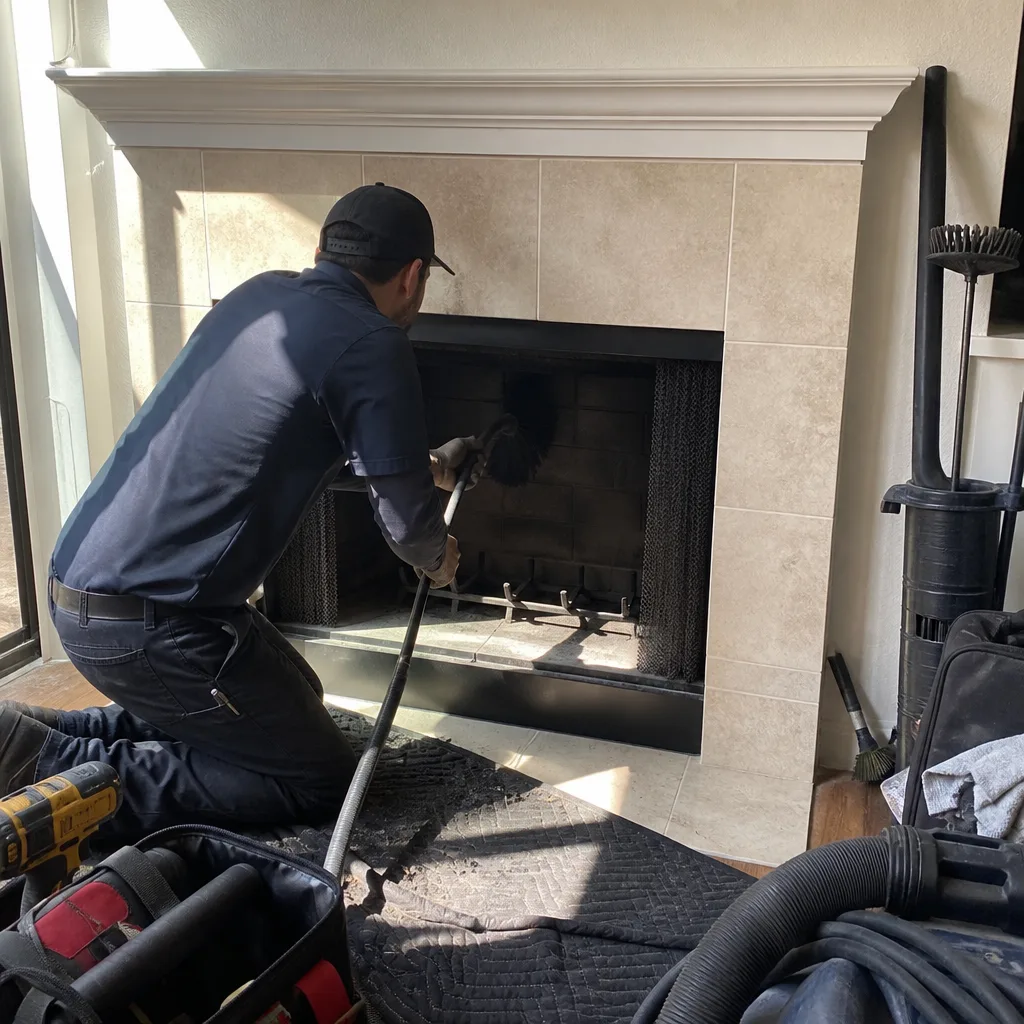
Chimney sweep logs do not sweep chimneys. They loosen some creosote - which then falls where a brush and vacuum still have to collect it.
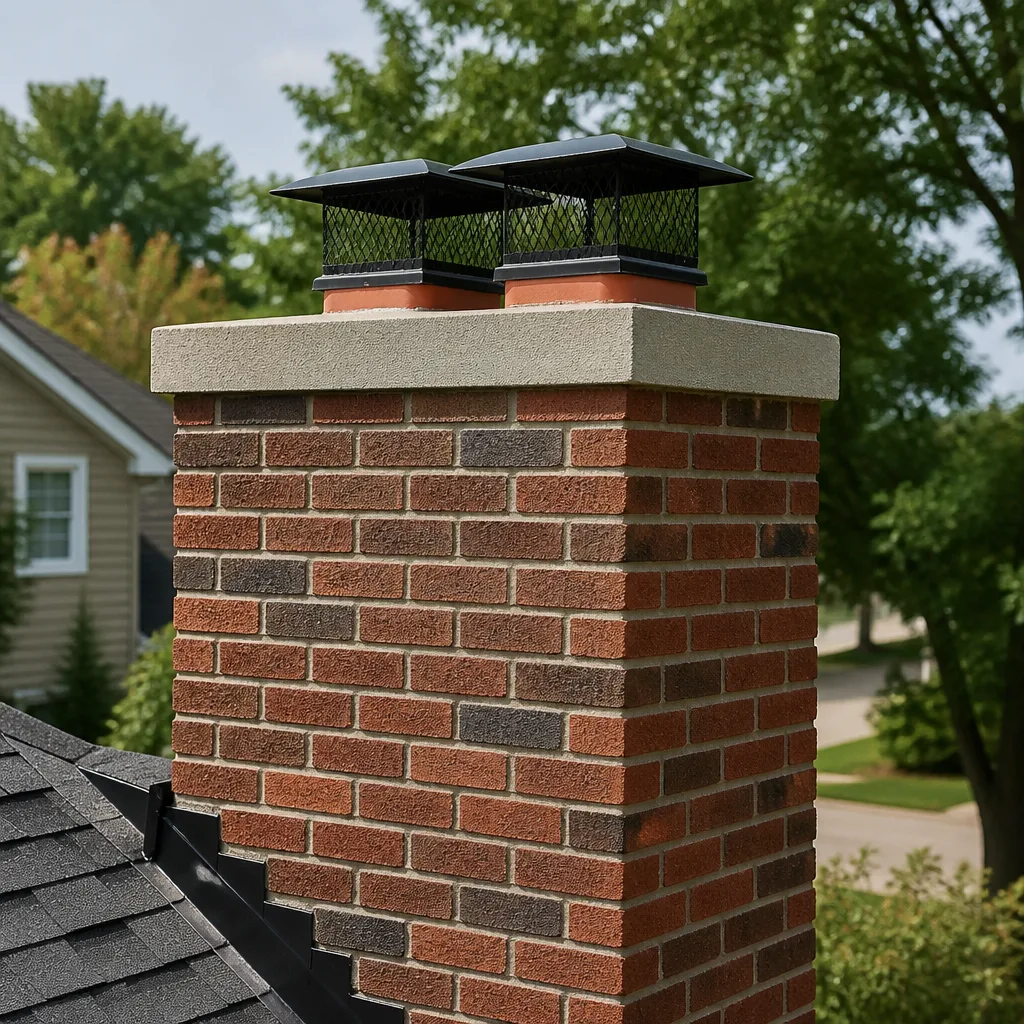
Flue relining
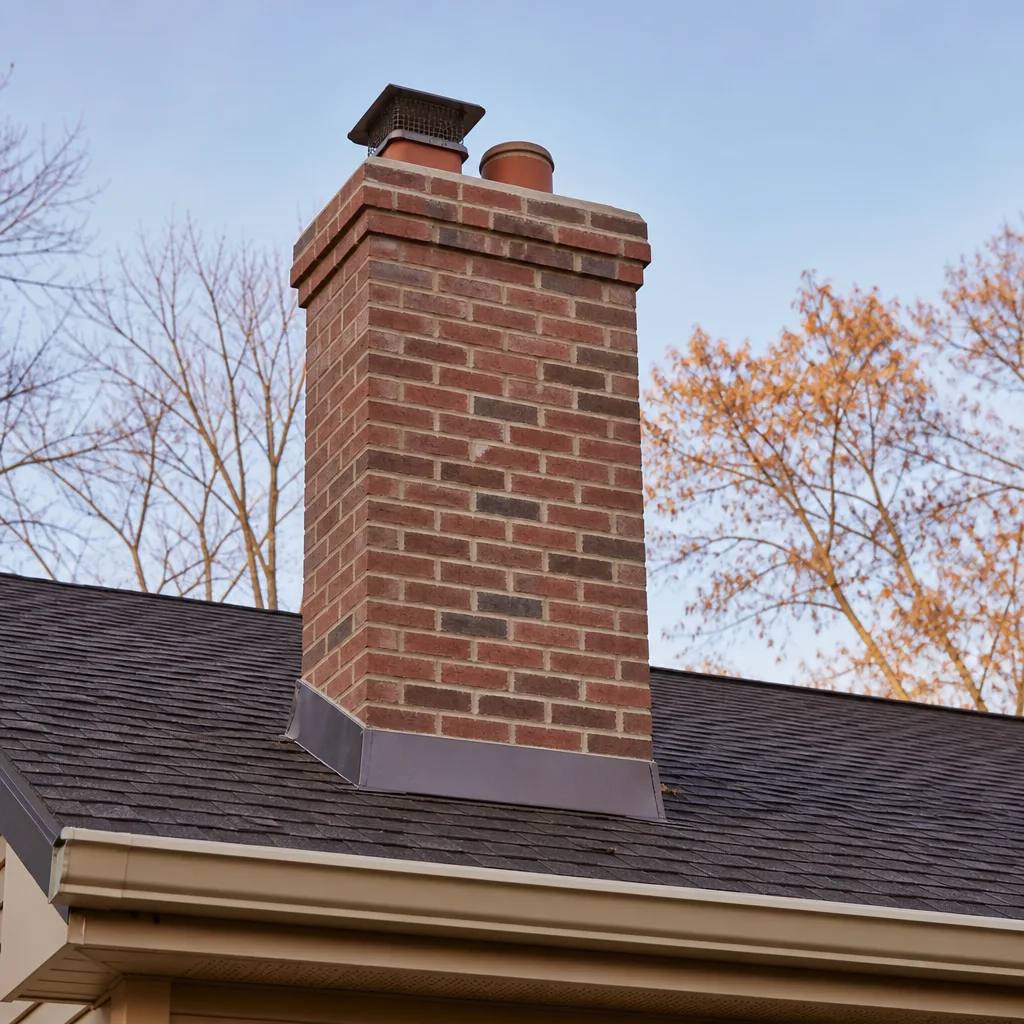
 Before
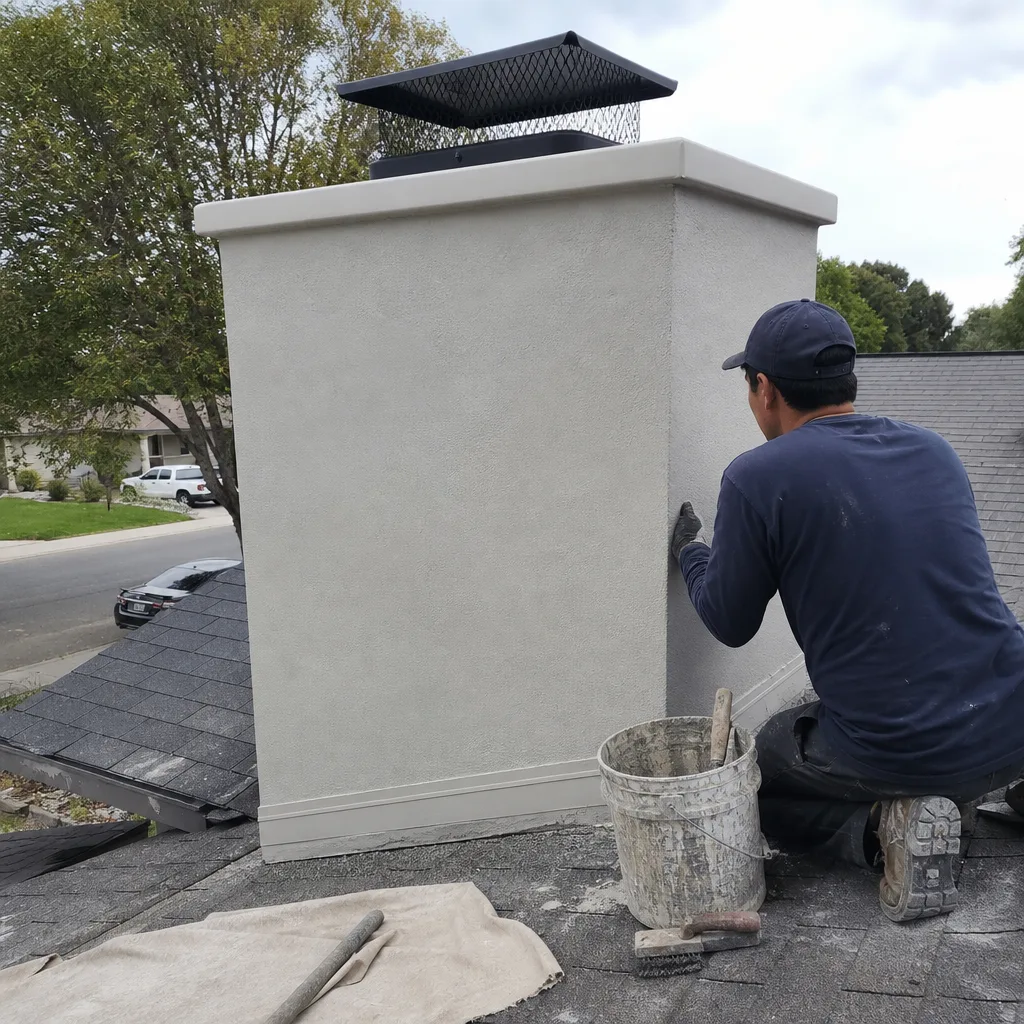 After
After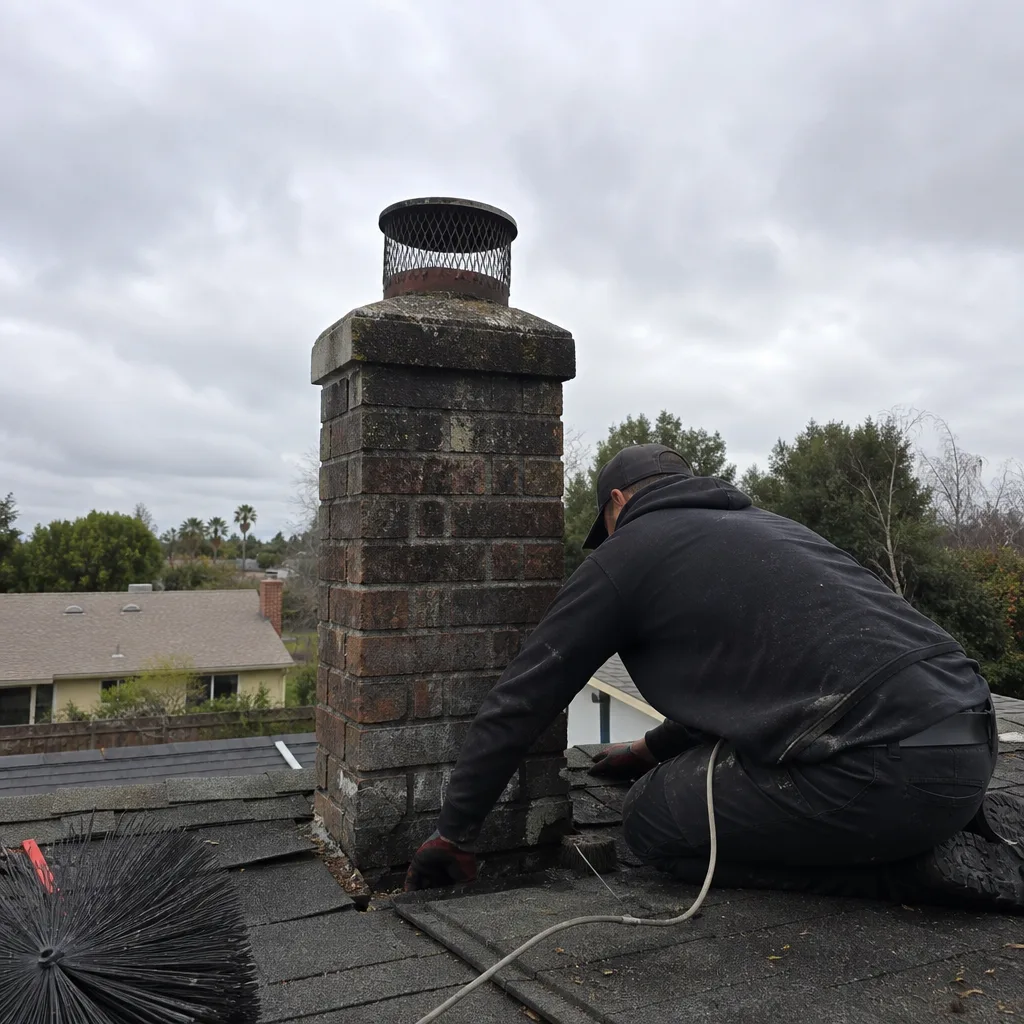 Before
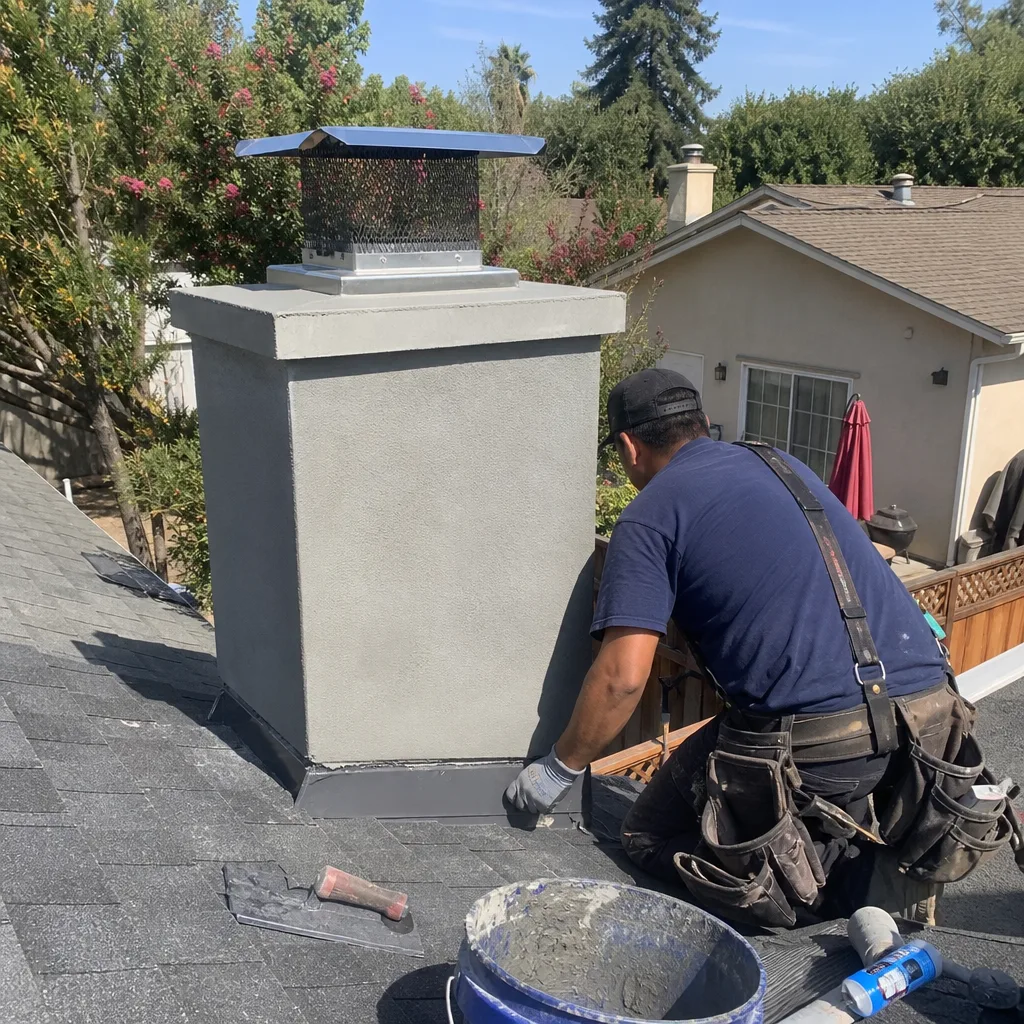 After
After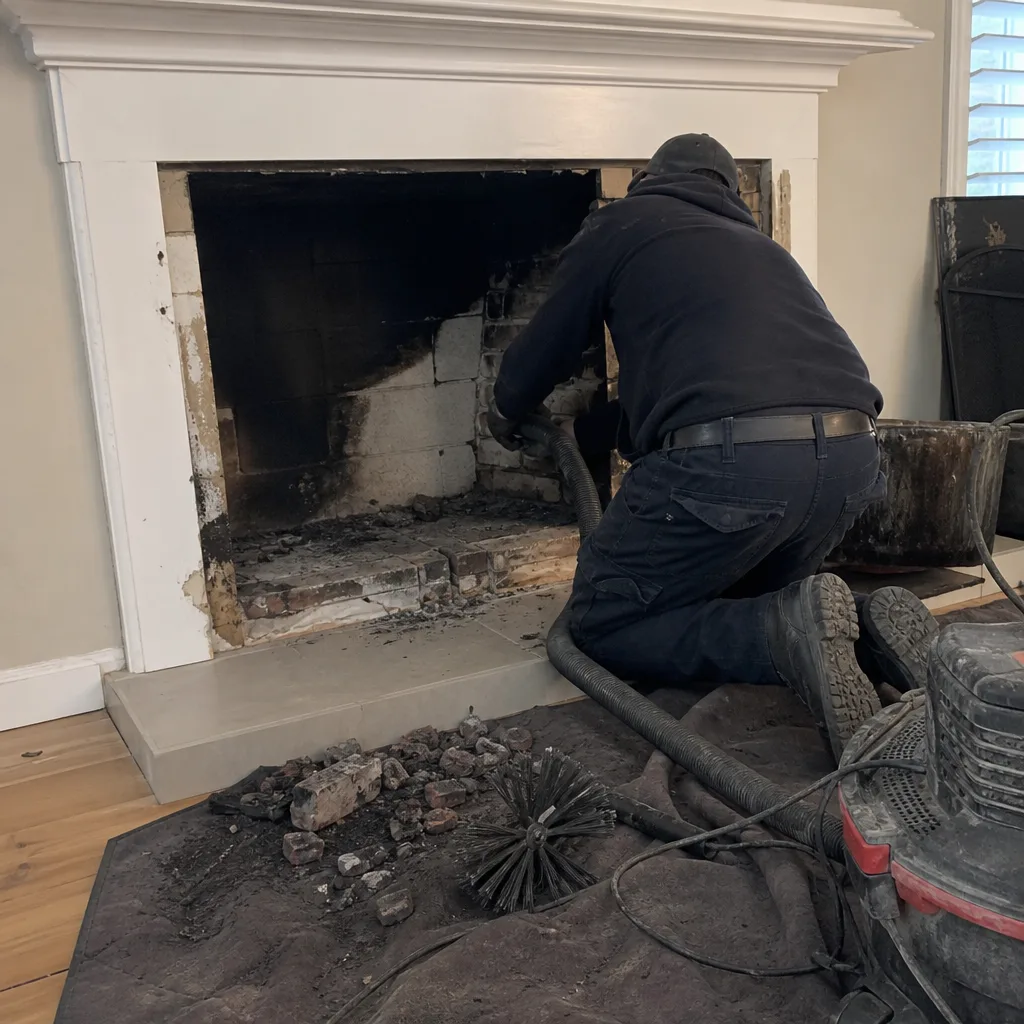 Before
 After
AfterSeasonal Chimney Cleaning Care for San Jose: Year-Round Homeowner’s Guide
National chimney guides tell you to clean before winter. In San Jose, that’s exactly wrong. Homeowners who book their sweep in October - following standard advice - often sit through November Level Two Chimney San Jose home BAAQMD Spare the Air curtailments watching their freshly serviced fireplace go unused, then burn dirty again before the first legal fire night arrives. Since 2009, we’ve completed more than 38,000 chimney inspections and cleanings in the Bay Area, and the pattern repeats every year: timing matters more here than almost anywhere else in the country. This guide builds a maintenance calendar around San Jose’s actual burn windows, fog-season moisture cycles, and the specific risks of mild-climate flue use.
Quick Answer
San Jose homeowners should schedule chimney cleaning in late August or early September to beat the October booking rush and land in the usable burn window before BAAQMD Spare the Air curtailments begin. Spring calls for a post-season moisture assessment focused on flue liner condensation damage, while summer is for clearing bird nesting material from unused flues and inspecting gas insert venting before fall demand spikes. Year-round, gas and wood-burning systems need different monitoring schedules due to San Jose’s low-burn, intermittent-use pattern; see our Chimney Cleaning & Sweep Maintenance Checklist for San Jose Homeowners for a season-by-season breakdown.
Table of Contents
- Fall Timing: Why “Before Winter” Advice Fails in San Jose
- Winter Burning: Navigating Spare the Air Curtailments
- Spring Assessment: Fog Belt Moisture and Post-Season Damage
- Summer Maintenance: Nesting Season and Pre-Fall Prep
- Gas vs. Wood: Different Schedules for San Jose’s Burn Patterns
- The Annual NFPA 211 Level 2 Inspection: What It Actually Covers
- Costs and Scheduling in the San Jose Market
- Common Mistakes to Avoid
- When to Call a Professional
- Frequently Asked Questions
 Before
 After
AfterFall Timing: Why “Before Winter” Advice Fails in San Jose
The national chimney industry runs on Midwest and Northeast calendars. Their burn season starts in October and runs steady through March. San Jose doesn’t work that way.
Here, the first Spare the Air alert typically lands in November, sometimes late October. The Bay Area Air Quality Management District (BAAQMD) bans wood burning on these days - and in recent years, we’ve seen 20-30 curtailment days per season, sometimes concentrated in holiday weeks when families actually want fires. If you clean in October and your first legal burn night isn’t until mid-November, you’ve paid for a sweep that’s already collecting dust before you strike a match.
Our recommended San Jose fall schedule:
- Late August to early September: Book your Chimney Cleaning & Sweep in San Jose. This beats the October rush when every homeowner who read a national guide calls at once. We can usually schedule within a week, and you’ll have first pick of appointment slots.
- Mid-September completion: Sweep and NFPA 211 Level 2 inspection finished. You receive your documented photo record under Haven Standard Clause 4, plus a written scope and written warranty before any work starts - Clause 1 of the Haven Standard.
- Late September to early October: If repairs are needed - liner work, crown sealing, damper replacement - materials from DuraFlex, HeatShield, or Gelco are ordered through our buying network. Summer procurement keeps prices honest and avoids fall backorders.
- Late October onward: You’re ready for the first burn night the moment Spare the Air lifts, not scrambling to book behind the October crowd.
In neighborhoods like Willow Glen and Almaden Valley, where older masonry fireplaces are common, we’ve found September sweeps reveal summer moisture damage that October bookings miss entirely. The fog belt’s summer humidity works into mortar joints all season; catching it before first fire is the point.
Winter Burning: Navigating Spare the Air Curtailments
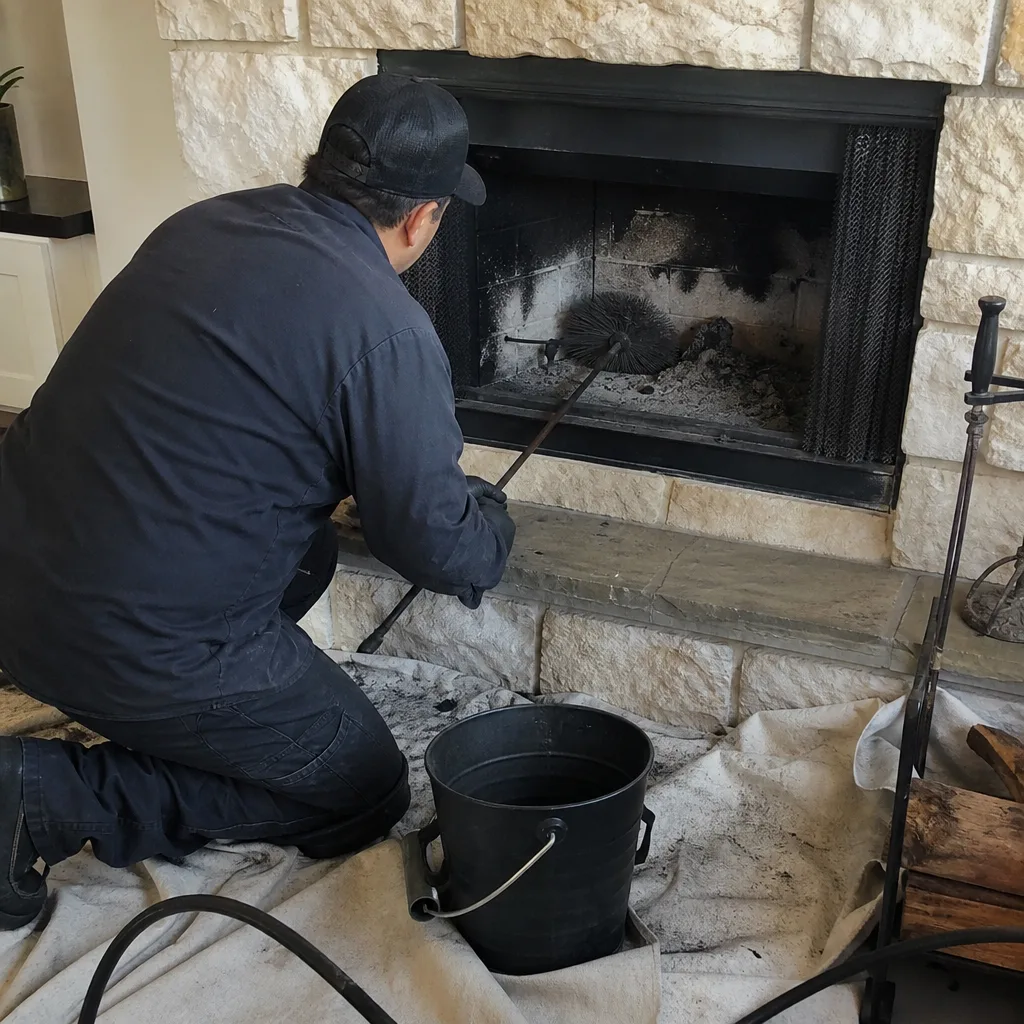
San Jose’s winter chimney use isn’t continuous. It’s stop-start, governed by air quality alerts and temperature swings. This intermittent pattern creates specific maintenance needs that year-round cold-climate burners don’t face.
The BAAQMD operates a daily burn status system: “It is illegal to burn wood, manufactured fire logs, or any other solid fuel when the Air Quality Alert is in effect.” Alerts are declared by noon for that day and the next. You check online or call 1-877-4NO-BURN. First violations bring warnings; repeat violations bring fines starting at $100.
What this means for your chimney:
- Creosote doesn’t bake off between burns. In cold climates, continuous firing turns light creosote to ash. In San Jose’s start-stop pattern, Class I and II creosote (fluffy or tar-like) accumulates without the sustained heat to consume it. We see heavier creosote loads per hour of actual burn time than Midwest sweeps report.
- Moisture enters during long off periods. A flue that sits cold for two weeks between burns collects condensation. In the Alum Rock and East San Jose hills, where overnight lows drop below fog-line areas, we’ve documented liner corrosion patterns that flatland San Jose fireplaces don’t show.
- Damper gaskets degrade from temperature cycling. Metal dampers expanding and contracting with irregular use fatigue faster than steady-state operation. We check damper seal integrity on every winter inspection; a failed seal pulls heated air up the flue 24/7.
Our winter protocol for San Jose homeowners: a mid-season check if you’ve burned more than 20 times before January, especially if you’re in the hills where temperature swings are sharpest. This isn’t a full sweep - it’s a visual assessment of creosote buildup rate and damper function, documented with photos under Haven Standard Clause 4.
Spring Assessment: Fog Belt Moisture and Post-Season Damage
March through May in San Jose brings the real moisture load. Not rain - the Bay Area’s spring fog and marine layer. A flue that’s been warm all winter cools, draws in humid air, and holds it. This is when we find the damage that winter burning masked.
Specific spring tasks for San Jose:
- Liner condensation inspection. Gas inserts running low-BTU fires all winter produce water vapor that condenses in cooler upper flue sections. We camera-scan for liner deterioration starting at the smoke chamber - the area above the firebox where flue gases turn toward the chimney top. Stainless liners from DuraFlex resist this, but terra cotta liners in older San Jose homes (common in Rose Garden, Naglee Park, and downtown Victorians) show spalling and cracking from freeze-thaw cycling even in our mild climate.
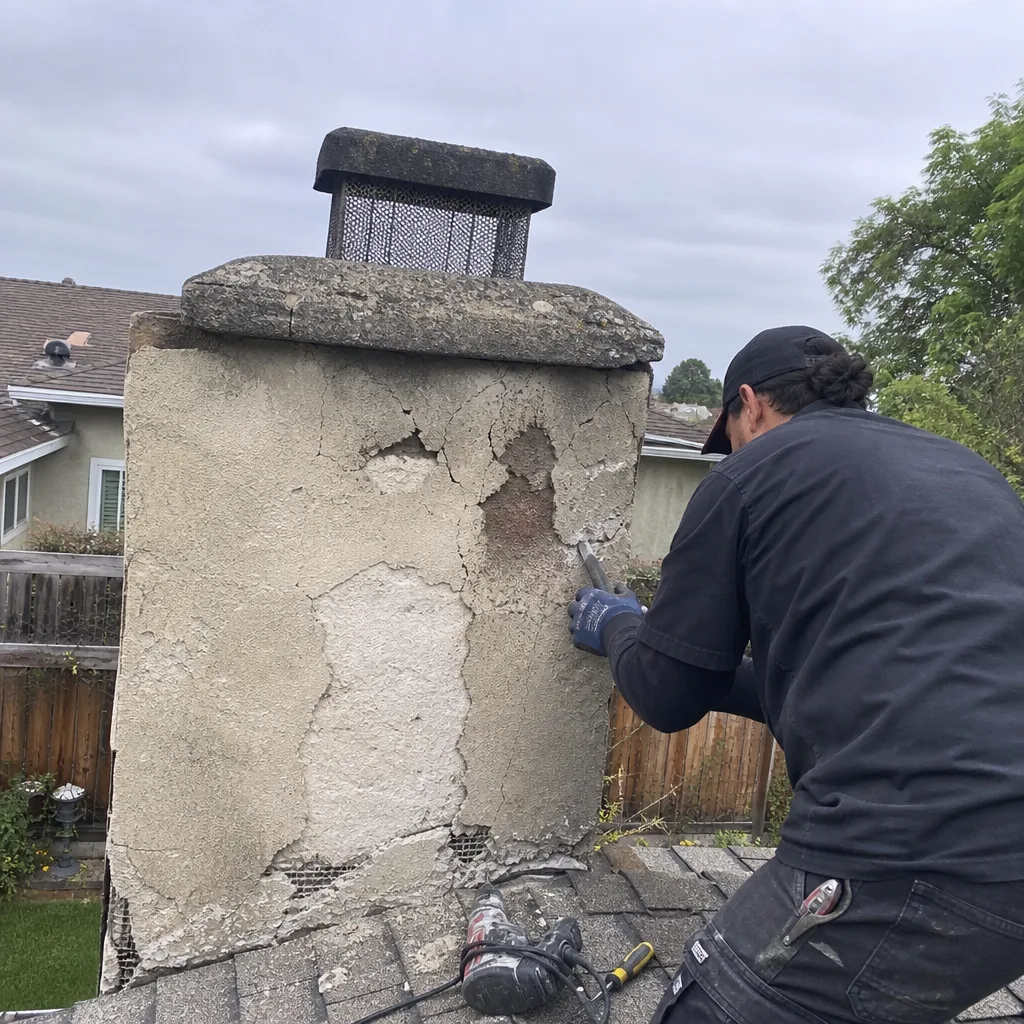
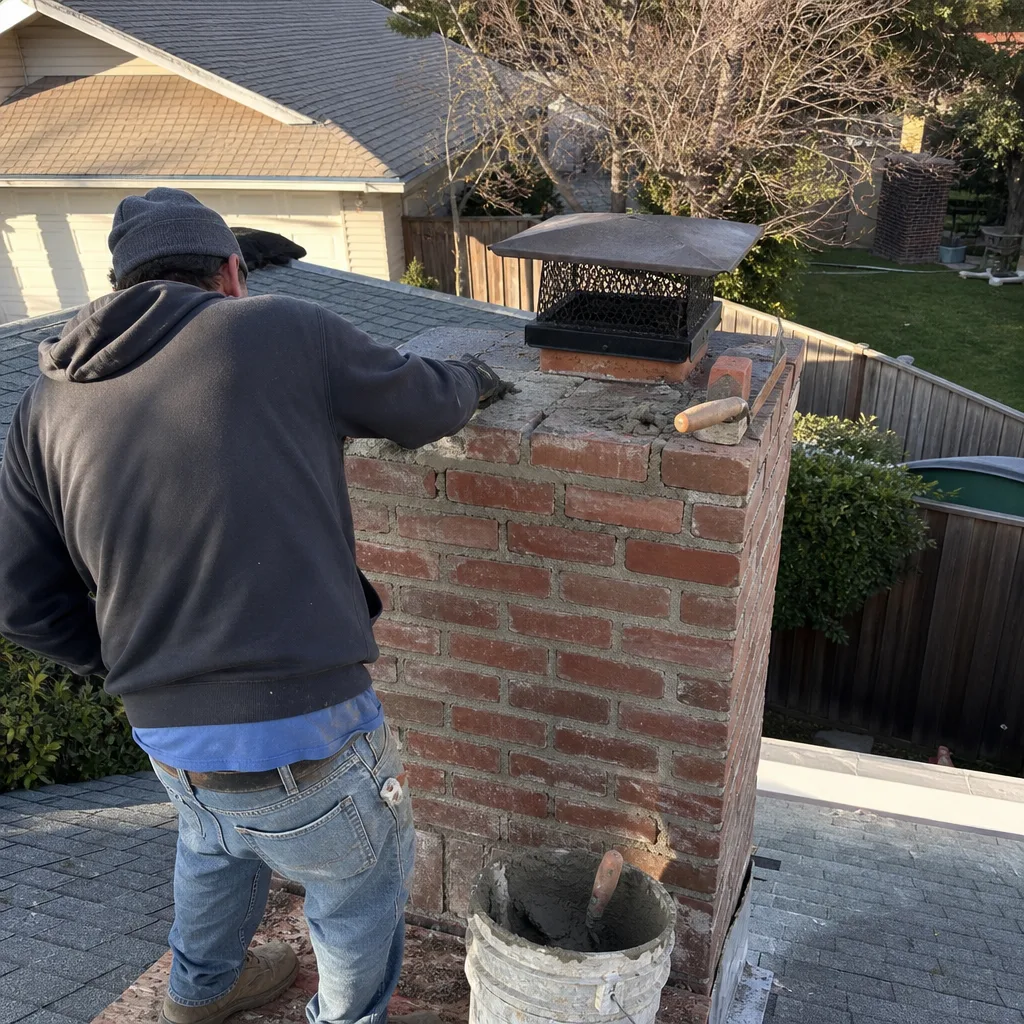
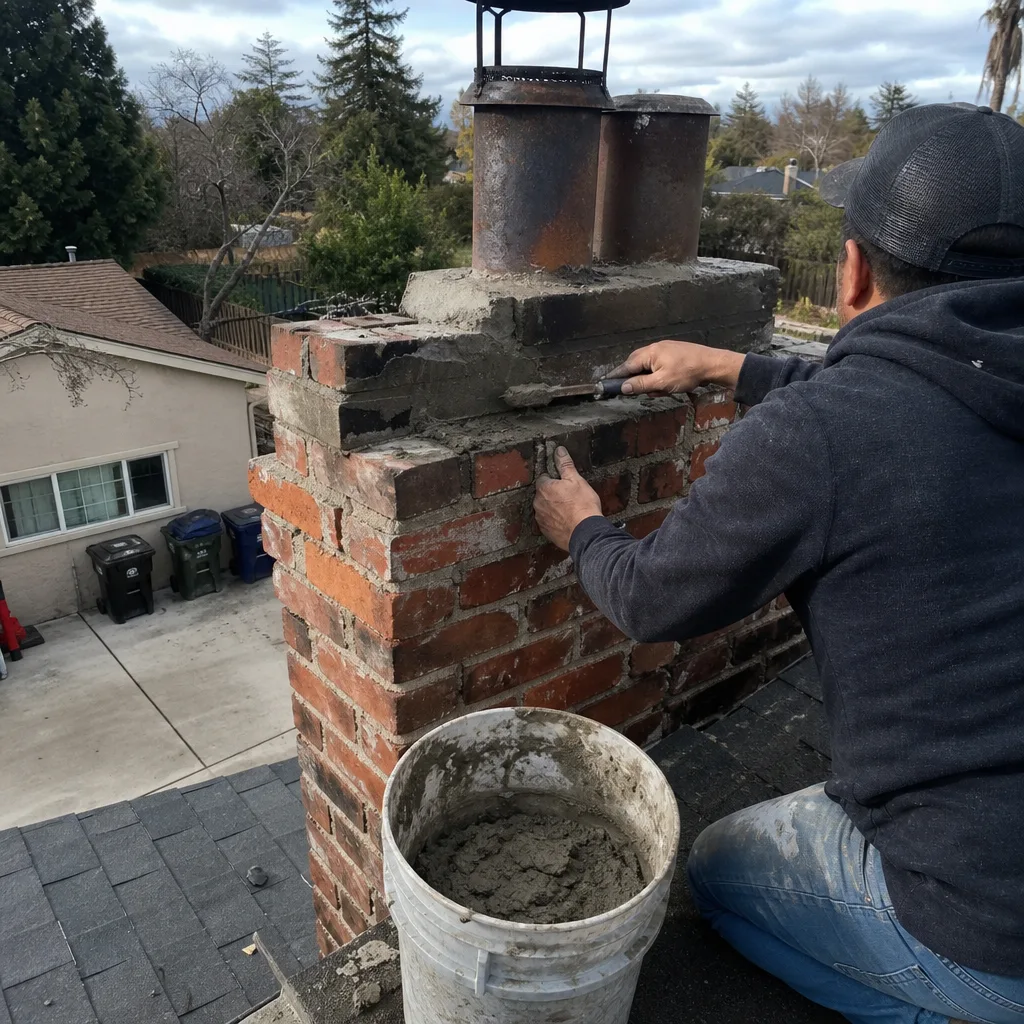
- Crown and cap seal check. The concrete crown at your chimney top and the metal cap above it took winter thermal stress. Spring fog finds any new crack. We document crown integrity with photos; Hairline cracks get sealed with HeatShield CrownCoat or equivalent. Larger cracks need crown rebuild or pour.
- Firebox refractory assessment. The firebrick or refractory panels lining your firebox expand and contract with winter use. Spring is when shifted or cracked panels show movement patterns. We flag panels that won’t survive another season; replacement now means fall readiness, not fall delay.
- Exterior masonry survey. South and west-facing chimney exposures in San Jose take full afternoon sun, then cool rapidly when fog rolls in. Thermal shock accelerates mortar deterioration. We walk the exterior, photo-document, and note repointing needs before winter demand returns.
The Haven Standard requires this documentation: photos, written scope, written warranty. Spring assessments in San Jose typically run $180-$260 for the camera-scan and written report. If we find damage, your written price for repair arrives before any work starts - Clause 1. No exceptions in 16 years.
Summer Maintenance: Nesting Season and Pre-Fall Prep
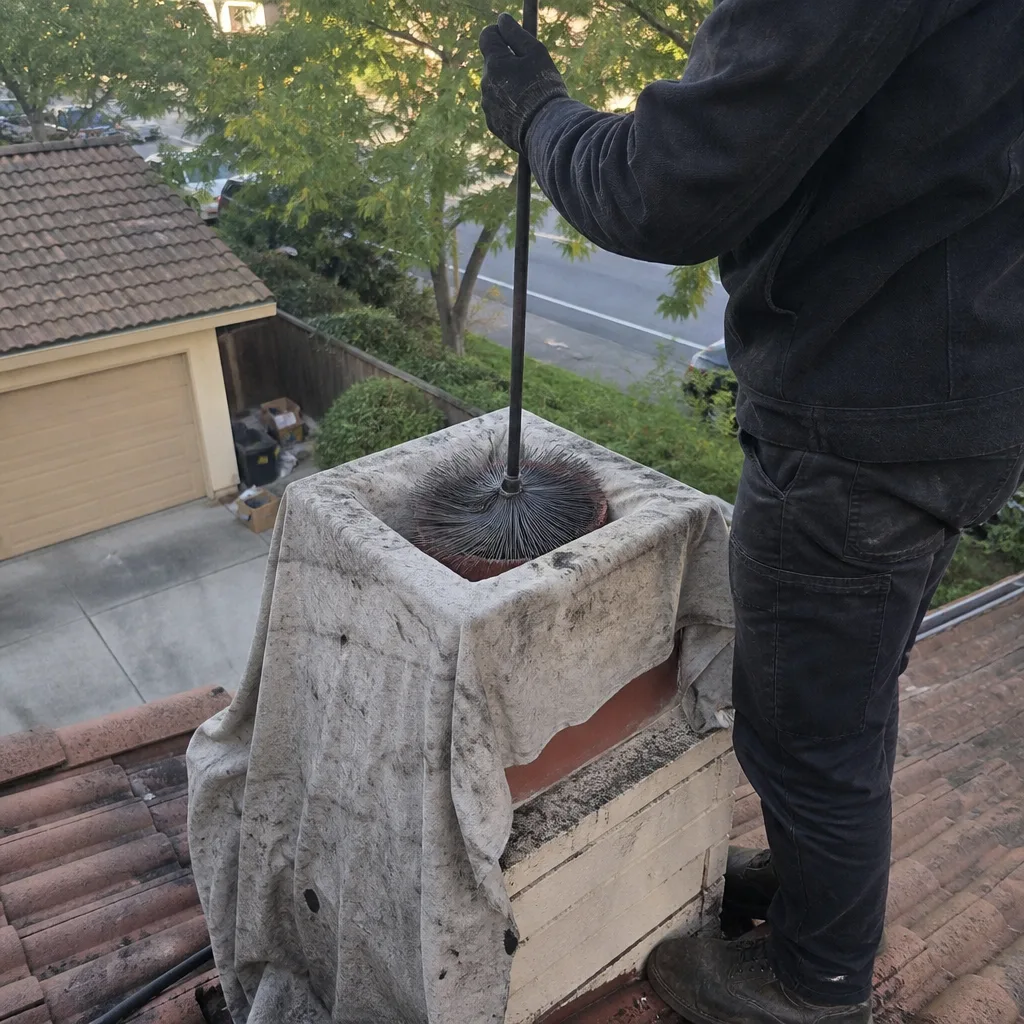
Unused chimneys in San Jose accumulate problems faster than active ones. This surprises homeowners who assume a quiet summer means a quiet flue.
The Bay Area’s mild summers mean birds nest longer into the season. Swifts, sparrows, and occasionally chimney swifts (a protected species - disturbing an active nest carries federal penalties) establish residence in uncapped flues. We remove 40-60 bird nests per summer in San Jose, concentrated in June and July when first clutches fledge and second clutches begin.
Summer maintenance priorities:
- Cap and screen inspection. A proper chimney cap with 1/2-inch mesh screen prevents nesting. We inspect screen integrity; corrosion or damage from winter wind allows entry. Copperfield and Famco caps in our inventory carry specific mesh ratings for California wildlife.
- Flue obstruction check. Even with a cap, debris accumulates: leaves from valley oaks in Cambrian Park, construction dust from San Jose’s endless development cycle, spider webs that trap moisture. We run a visual check - not a full sweep, but a verification that the flue is open and dry.
- Gas insert venting verification. San Jose’s summer gas insert use drops to near zero. The vent termination sits idle, sometimes with a wasp nest in the termination hood. We check B-vent and direct-vent terminations for obstruction before fall startup.
- Pre-booking for fall. August 15 is our internal cutoff for “easy scheduling.” After that, the October rush begins and wait times stretch to 3-4 weeks. Summer booking locks your September slot.
One San Jose-specific note: wildfire smoke summers. The 2020 and 2021 fire seasons pushed particulate levels so high that some homeowners ran their gas inserts with sealed combustion systems as air filtration adjuncts. If you did this, your venting system worked harder than normal; summer inspection of the termination and vent connector is warranted.
Gas vs. Wood: Different Schedules for San Jose’s Burn Patterns
San Jose’s fireplace demographics split roughly 60% gas insert or log set, 40% wood-burning masonry. The maintenance calendars diverge significantly.
Gas systems - what to monitor:
- Vent connector corrosion. Low-BTU, low-temperature gas fires produce acidic condensation in the vent connector (the pipe running from insert to flue). We see pinhole corrosion in B-vent connectors after 8-12 years in San Jose’s intermittent-use pattern. Camera inspection finds this before CO leakage risk develops.
- Log set debris. Decorative gas logs shed particles that accumulate in the firebox and on the burner. Annual cleaning - not just inspection - keeps flame patterns correct and prevents sooting that mimics combustion problems.
- Millivolt pilot and thermopile function. These generate the electricity to open the gas valve. They degrade slowly; fall startup is when failure appears. We test and document output in millivolts during annual service.
- Glass gasket seal. Direct-vent inserts depend on sealed combustion. A failed glass gasket pulls room air into the combustion chamber, dropping efficiency and potentially allowing CO into the home if the heat exchanger is compromised.
Wood systems - what to monitor:
- Creosote class progression. Class I (fluffy, easily brushed) becomes Class II (tar-like, requires chains or rotary tools) in 1-2 seasons of San Jose’s low-temperature, short-duration fires. Class III (glazed, requires chemical treatment or replacement) follows if ignored. We classify and document on every sweep.
- Combustible clearance. San Jose’s 1970s-1990s tract homes (Evergreen, Blossom Valley, parts of Almaden) often have zero-clearance metal fireplaces with specific framing requirements. Renovations by prior owners sometimes compromise clearances. We measure and photo-document.
- Firewood species and moisture. Valley oak and eucalyptus, common local firewood, burn differently than hardwoods. Oak is excellent if seasoned 18+ months; eucalyptus burns hot and fast with more creosote. We ask what you burn and adjust sweep frequency recommendations.
Gas insert owners in San Jose often assume their system needs no attention. In our experience, gas systems require more frequent inspection and less frequent sweeping; wood systems need annual sweeping and benefit from mid-season assessment. The NFPA 211 standard - annual inspection for all, sweeping as needed based on inspection - applies to both, but “as needed” means different things.
The Annual NFPA 211 Level 2 Inspection: What It Actually Covers
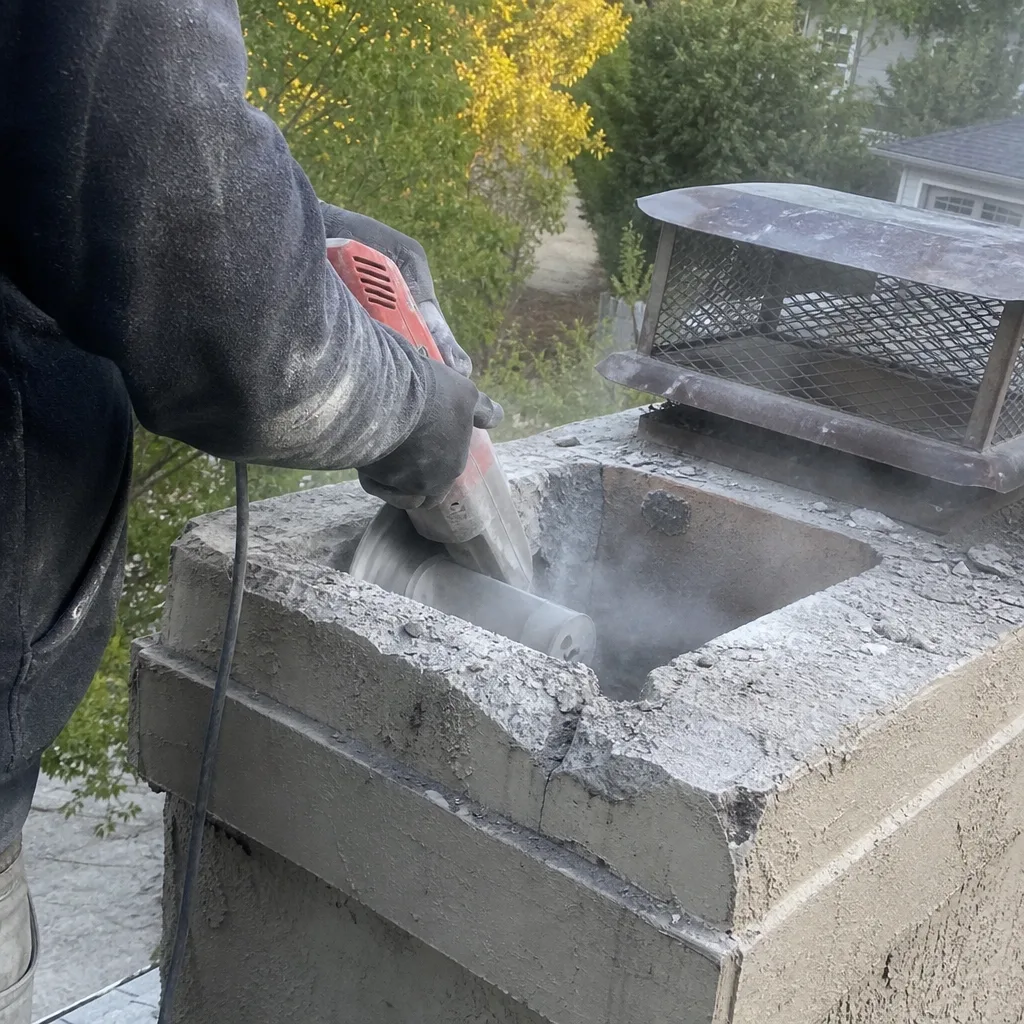
Most San Jose homeowners have never seen a proper Level 2 inspection. The industry default is a flashlight look from the firebox up, or from the roof down - what NFPA 211 calls a Level 1. We stopped performing Level 1 inspections as our standard in 2009, years before insurers or regulators asked for more.
A Level 2 inspection under the Haven Standard includes:
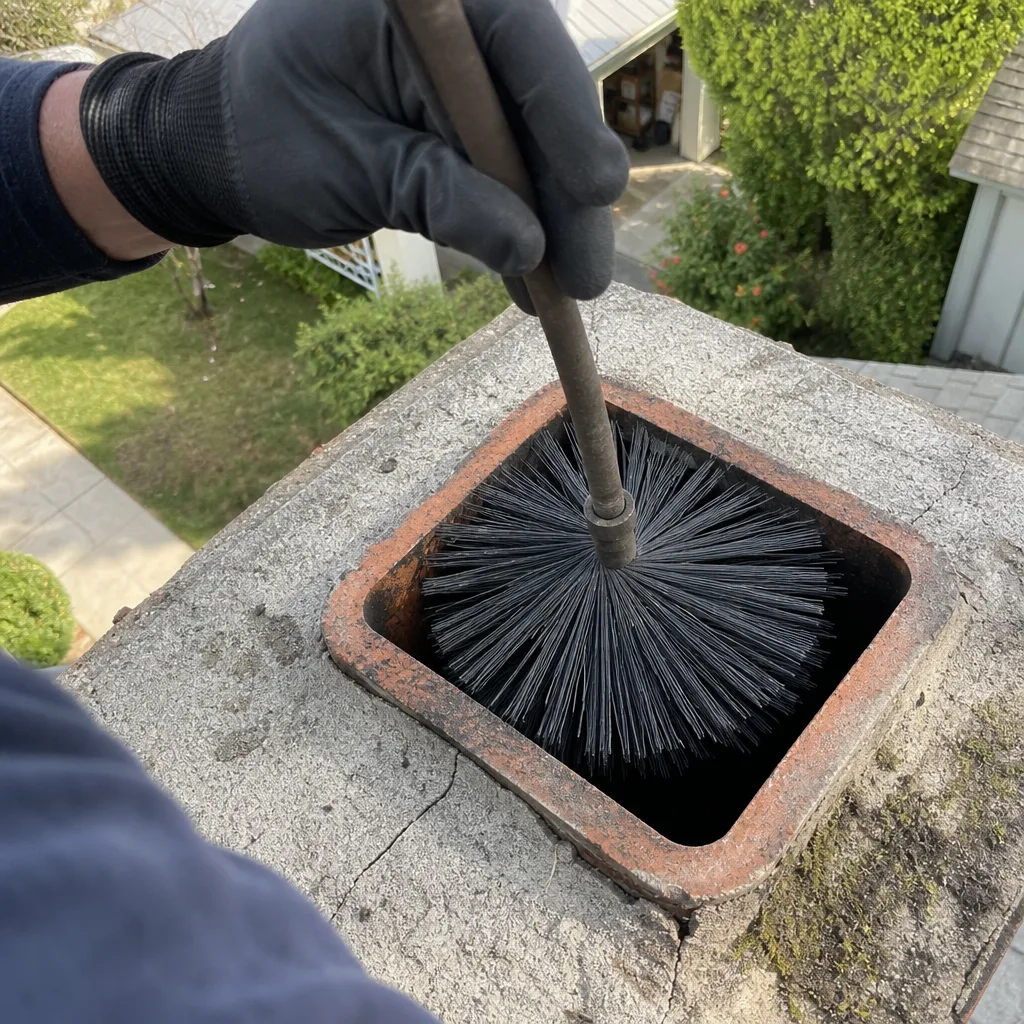
- Interior video scan. A camera on a flexible rod travels the full flue length, from firebox to chimney top. We document liner condition, joint alignment, mortar loss, and any obstruction. You see what we see; the footage is yours.
- Accessible exterior examination. Roof, attic, crawl space - wherever the chimney structure is visible without demolition. We photo-document crown, cap, flashing, and exterior masonry condition.
- Clearance verification. Combustible materials within required distances are measured and documented. This matters in San Jose’s older neighborhoods where built-ins, shelving, or framing modifications may have compromised original clearances.
- Appliance connection inspection. The interface between fireplace, insert, or stove and the flue system. Proper connection, support, and seal are verified.
- Written report with photo record. Haven Standard Clause 4 requires this documentation on every job. You receive: camera footage summary, still photos of findings, written condition assessment, and if work is recommended, a written price and written scope before any work begins - Clause 1.
The difference matters for insurance and real estate. San Jose home sales increasingly require Level 2 documentation; we’ve provided retroactive inspections for transactions where the buyer’s insurer rejected a Level 1 report. Starting with Level 2 annually means your documentation is current when you need it.
Costs and Scheduling in the San Jose Market
Chimney service pricing in San Jose reflects labor costs, travel time across the valley’s spread-out neighborhoods, and the documentation standard you choose - our Chimney Cleaning Cost Breakdown: The San Jose Homeowner’s Reference for 2026 explains what drives these numbers.
Typical San Jose pricing ranges:
| Service | Price Range | What’s Included |
|---|---|---|
| Chimney sweep with Level 2 inspection | $280 - $380 | Full brush sweep, camera scan, photo record, written condition report |
| Level 2 inspection only (gas insert, no sweep needed) | $180 - $260 | Camera scan, appliance check, photo record, written report |
| Chimney cap replacement (standard mesh) | $340 - $520 | Cap, installation, flashing seal, photo documentation |
| Crown repair (HeatShield CrownCoat) | $420 - $680 | Surface prep, application, curing, photo record |
| Liner repair/relining (per foot, stainless) | $85 - $140 | DuraFlex liner, insulation, connection, documentation |
| Firebox refractory panel replacement | $380 - $640 | Panels, fitting, seal, photo record |
Scheduling dynamics specific to San Jose:
- September 1-30: Ideal window. Availability within 3-7 days, no rush pricing, materials in stock.
- October 1-31: Peak demand. Wait times 2-3 weeks, some providers add seasonal surcharges. We don’t, but slots fill.
- November 1-December 15: Emergency-only for most providers. We maintain 24/7 live phone support and schedule as possible, but inspection quality suffers when we’re rushing between holiday-urgent calls.
- January-February: Good availability, but you’re assessing mid-season condition, not pre-season readiness.
- March-May: Spring assessment window. Ideal for moisture damage documentation before dry season.
Every job we quote is in writing before work starts - Clause 1 of the Haven Standard. No verbal estimates, no “we’ll see when we get there” pricing. If you have a competitor’s written estimate, we provide a Free Second Opinion. Bring us their scope and price; we’ll review camera footage if you have it, or run our own scan if you don’t.
Common Mistakes to Avoid
- Booking in October because a national guide said so. In San Jose, this puts you behind the Spare the Air calendar and into peak pricing. September is your month.
- Assuming gas inserts need no service. Vent connector corrosion and millivolt degradation are silent problems. Annual inspection catches them before fall startup failure.
- Ignoring the chimney after a dry winter. San Jose’s “dry” winters still produce fog and condensation. Spring assessment finds the damage while it’s minor.
- DIY cap screen repair with hardware cloth. Wrong mesh size traps creosote or blocks airflow. Proper caps are engineered for your flue size and fuel type.
- Burning on Spare the Air days. Beyond the fine risk, it damages community air quality and your chimney’s creosote load builds irregularly, making next sweep harder.
- Hiring without verifying Level 2 capability. Many San Jose sweeps perform Level 1 flashlight inspections and call them complete. Ask specifically: “Do you camera-scan the full flue?” If they don’t, you’re not getting NFPA 211 Level 2.
- Waiting for visible damage. By the time you see exterior masonry damage or smell smoke in the house, the internal damage is advanced. Camera inspection finds what eyes can’t.
When to Call a Professional
Call for immediate inspection if you notice smoke entering the room, a persistent chemical or rotten-egg odor from the fireplace, visible exterior masonry cracking or leaning, or water staining on walls or ceiling near the chimney. These are not “watch and wait” symptoms in any climate, and San Jose’s seismic history makes structural chimney movement especially worth prompt assessment.
Also call if your system has sat unused for more than 18 months, if you’ve recently purchased the home and have no documentation of prior inspection, or if you’re converting between fuel types - gas to wood, wood to pellet, or installing an insert in an open fireplace. Each conversion requires specific clearance and venting verification that DIY assessment cannot provide, and may trigger Chimney Cleaning Permits, Codes & Inspections in CA: What You Need to Know.
Level Two Chimney San Jose offers free estimates in San Jose. Call (669) 291-2770, and you’ll reach a live person - not a voicemail, not a web form. We assign a named technician, send a text when they’re en route, and deliver your written price before any work starts. Every job carries the 365-Day Done Right Promise: if it’s not done right, we make it right.
Frequently Asked Questions
A complete chimney sweep with NFPA 211 Level 2 camera inspection in San Jose typically costs $280 to $380, depending on flue accessibility, creosote severity, and whether the fireplace is wood-burning or gas. This includes the brush sweep, full video scan, documented photo record under Haven Standard Clause 4, and written condition report. Gas insert inspections without sweeping run $180 to $260. Call (669) 291-2770 for an exact quote - estimates are free.
You need a new liner only if inspection documents specific damage: cracked terra cotta, separated joints, or corrosion holes in metal liners that compromise containment of heat and combustion gases. We never recommend liner replacement without camera evidence you can see yourself. In San Jose’s older neighborhoods like Rose Garden and Willow Glen, terra cotta liners in homes built before 1960 often show spalling from decades of low-temperature gas fires; stainless steel liners from DuraFlex resolve this with a documented 20+ year service life. If a competitor says you need a liner, bring us their written quote for a Free Second Opinion.
Wood-burning fireplaces in San Jose should be swept annually, or after every 50 burns - whichever comes first - due to our start-stop burn pattern that prevents creosote from baking off. Gas inserts need annual inspection but typically only sweeping every 2-3 years unless debris accumulation is documented. The NFPA 211 standard requires annual inspection for all systems; sweeping frequency follows from what inspection finds. In our experience, San Jose’s intermittent use pattern produces heavier creosote per burn hour than continuous cold-climate firing.
Skipped maintenance leads to three predictable outcomes: creosote accumulation increases chimney fire risk (Class III glazed creosote ignites at approximately 451°F, which normal fireplace operation exceeds); moisture and acidic condensation degrade liners and vent connectors, eventually allowing carbon monoxide into living spaces; and minor crown or flashing damage becomes major masonry reconstruction. In San Jose specifically, skipped spring assessments mean fog-season moisture damage progresses unchecked until fall, when repair delays push you past the usable burn window. The cost of deferred maintenance typically exceeds annual inspection by 5-10x when failure finally occurs.
Late August through early September is optimal. You beat the October booking rush, complete any needed repairs before demand spikes, and land ready for the first Spare the Air-free burn night. October bookings in San Jose often result in 2-3 week waits and rushed pre-curtailment service that doesn’t leave time for repair scheduling. Summer booking (June-July) is also viable for pre-booking fall slots, though we can’t predict specific Spare the Air dates that far ahead.
On declared Spare the Air days, all wood burning is prohibited in San Jose and the entire Bay Area. Gas fireplace use is permitted. The curtailment season typically runs November through February, with 20-30 alert days in recent years. Your chimney doesn’t care whether you burned or not - it still needs annual inspection. But your burn count for “sweep after 50 fires” tracking pauses on no-burn days. We recommend checking the BAAQMD status before lighting any wood fire; violations carry fines and, for repeat offenders, mandatory heater replacement requirements.
The Bottom Line
San Jose’s chimney calendar runs on local air quality rules, fog-belt moisture cycles, and a burn pattern that national advice doesn’t address. Clean in September, not October. Assess moisture damage in spring, not summer. Clear nesting material before fall, not after. Gas and wood systems need different attention schedules, but both need annual NFPA 211 Level 2 inspection with camera documentation. The homeowners who stay ahead of this calendar - who book early, document condition, and address findings promptly - use their fireplaces when they want, without the emergency calls and repair delays that catch the October crowd.
Since 2009, Level Two Chimney San Jose has inspected and cleaned more than 38,000 chimneys under the Haven Standard. Every job: written price before work starts, camera-scan photo record included, 365-Day Done Right Promise. No exceptions.
Ready to build your maintenance calendar? Explore more guides & resources, or call (669) 291-2770 for a free estimate. Live person, 24/7. Named technician. Text when we’re en route. Written price before we start.
Written by Corrine Halstead, Owner at Level Two Chimney San Jose, serving San Jose since 2009.