
Last updated September 22, 2026
Level 1 sweep and inspection to the NFPA 211 annual standard - flue, crown, cap, and flashing checked and photographed
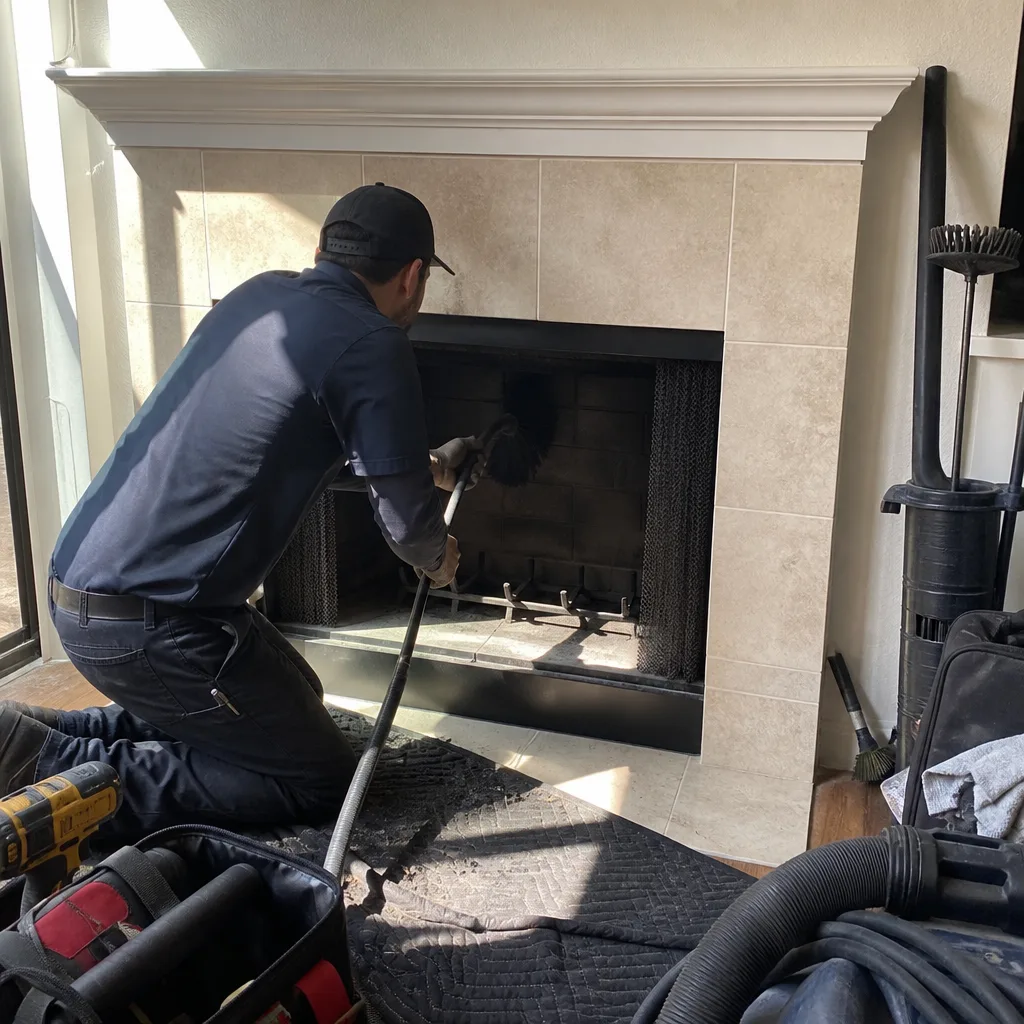
Chimney sweep logs do not sweep chimneys. They loosen some creosote - which then falls where a brush and vacuum still have to collect it.
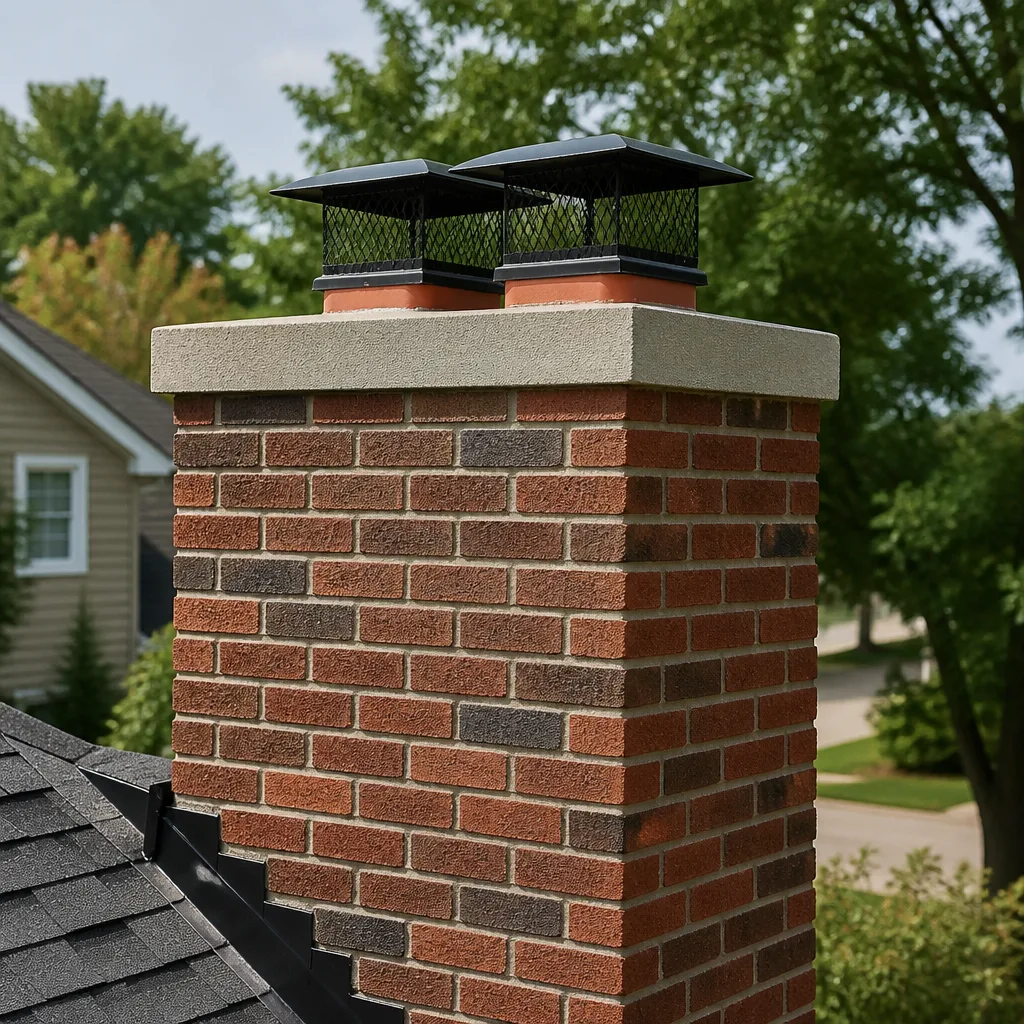
Flue relining
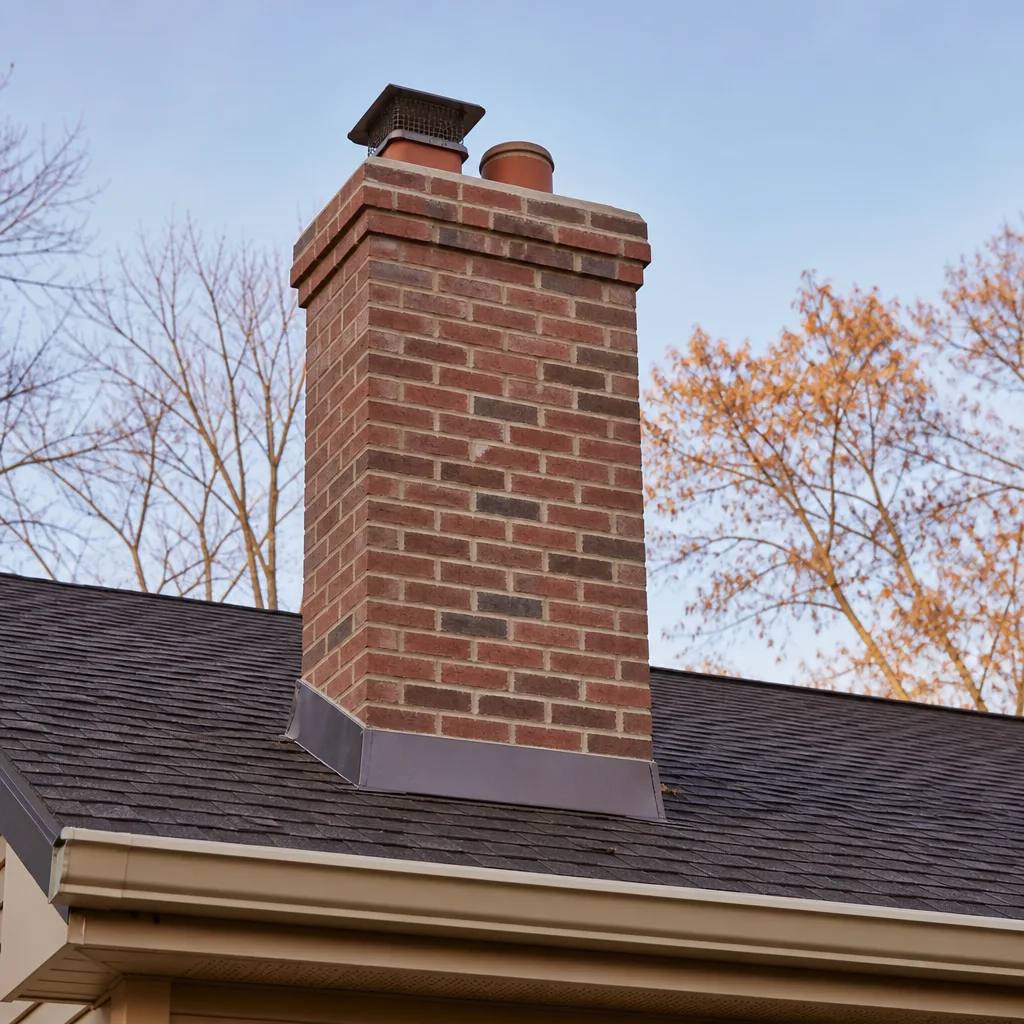
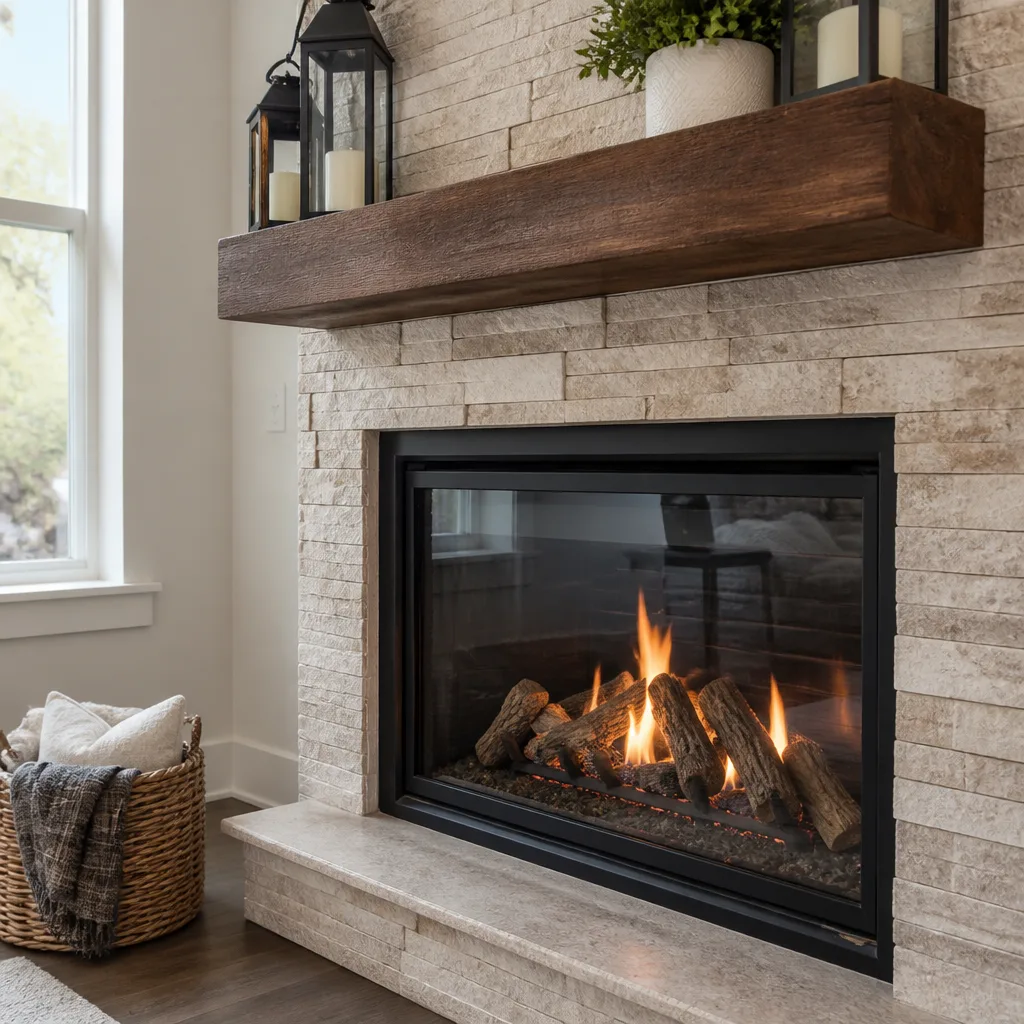
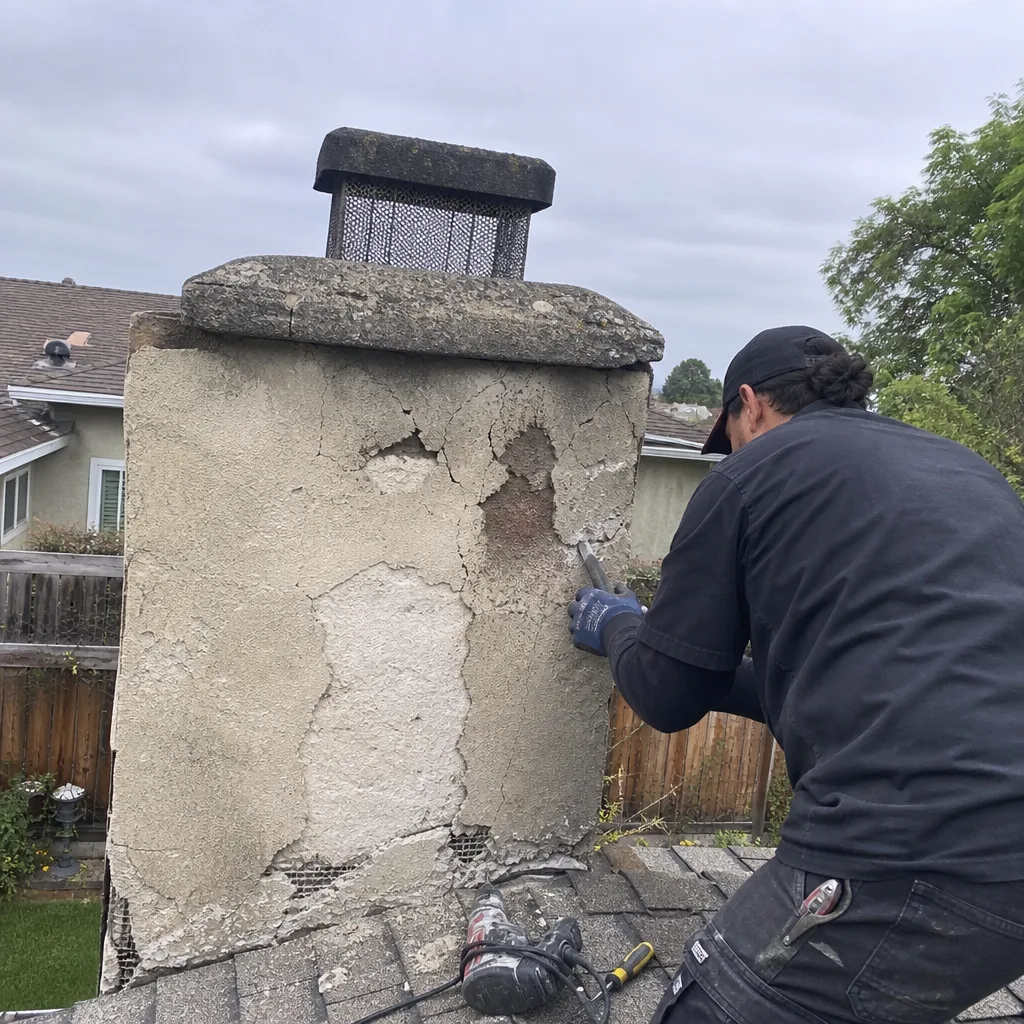 Before
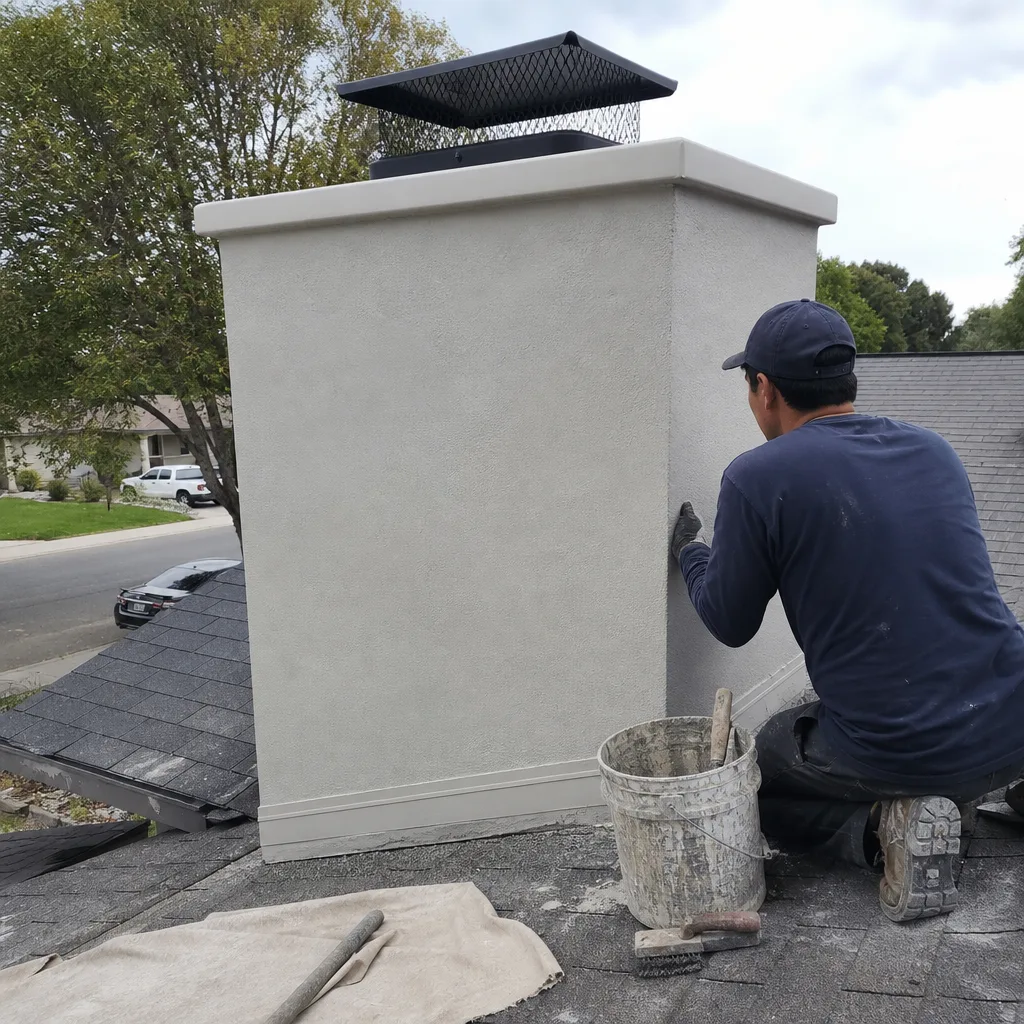 After
After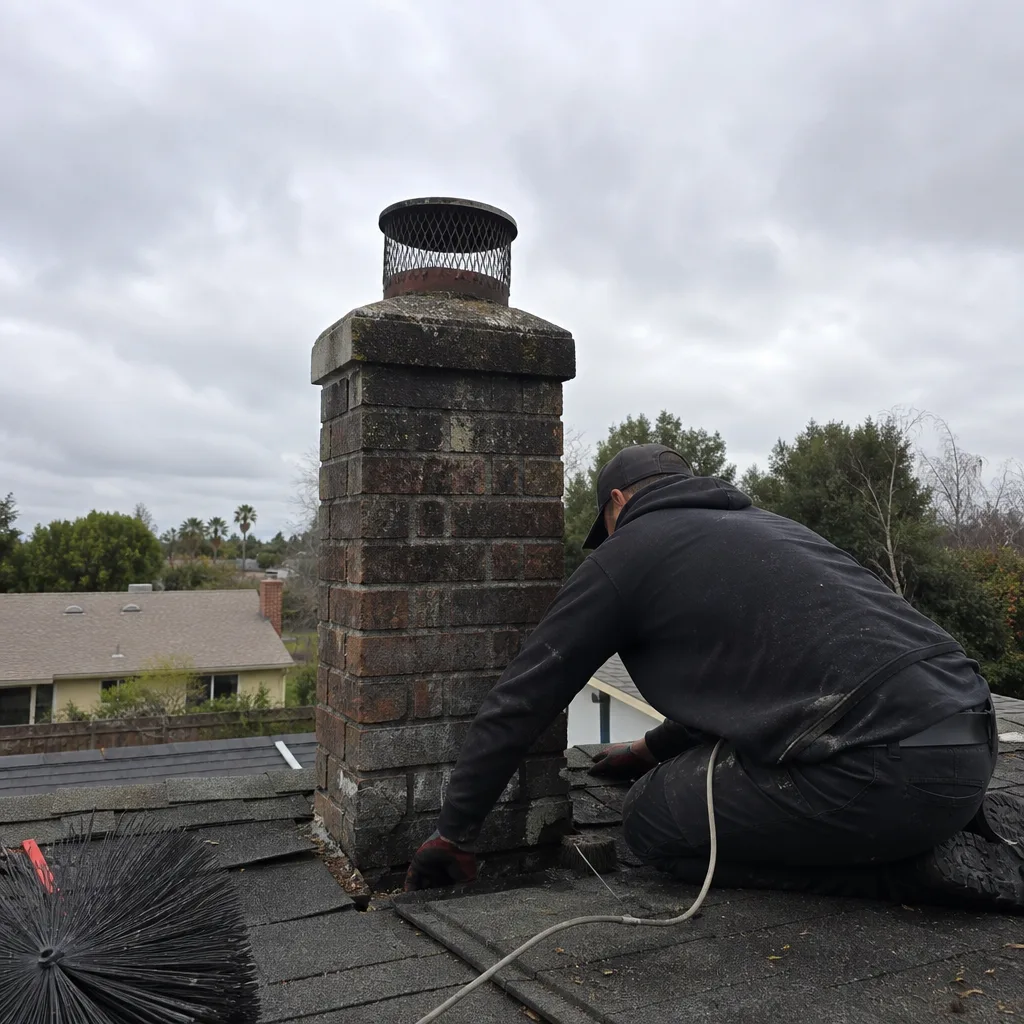 Before
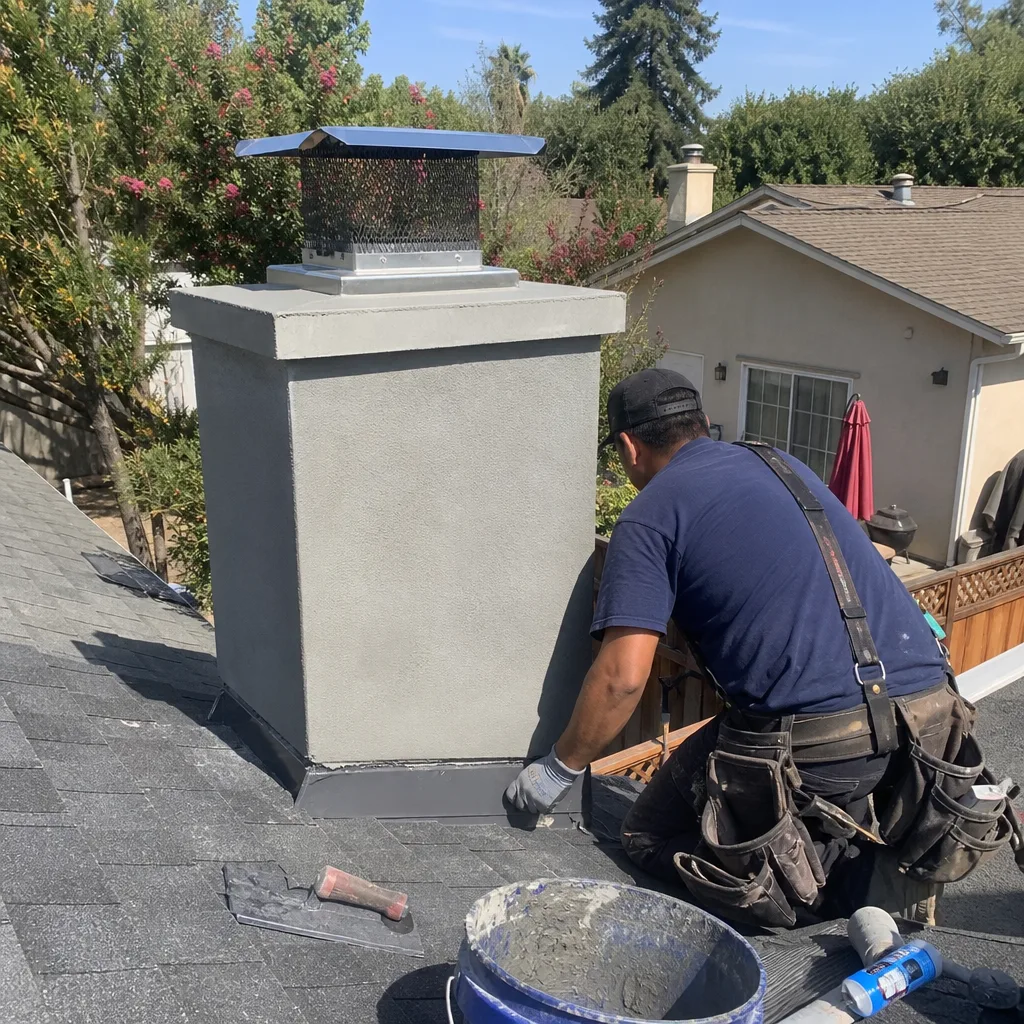 After
After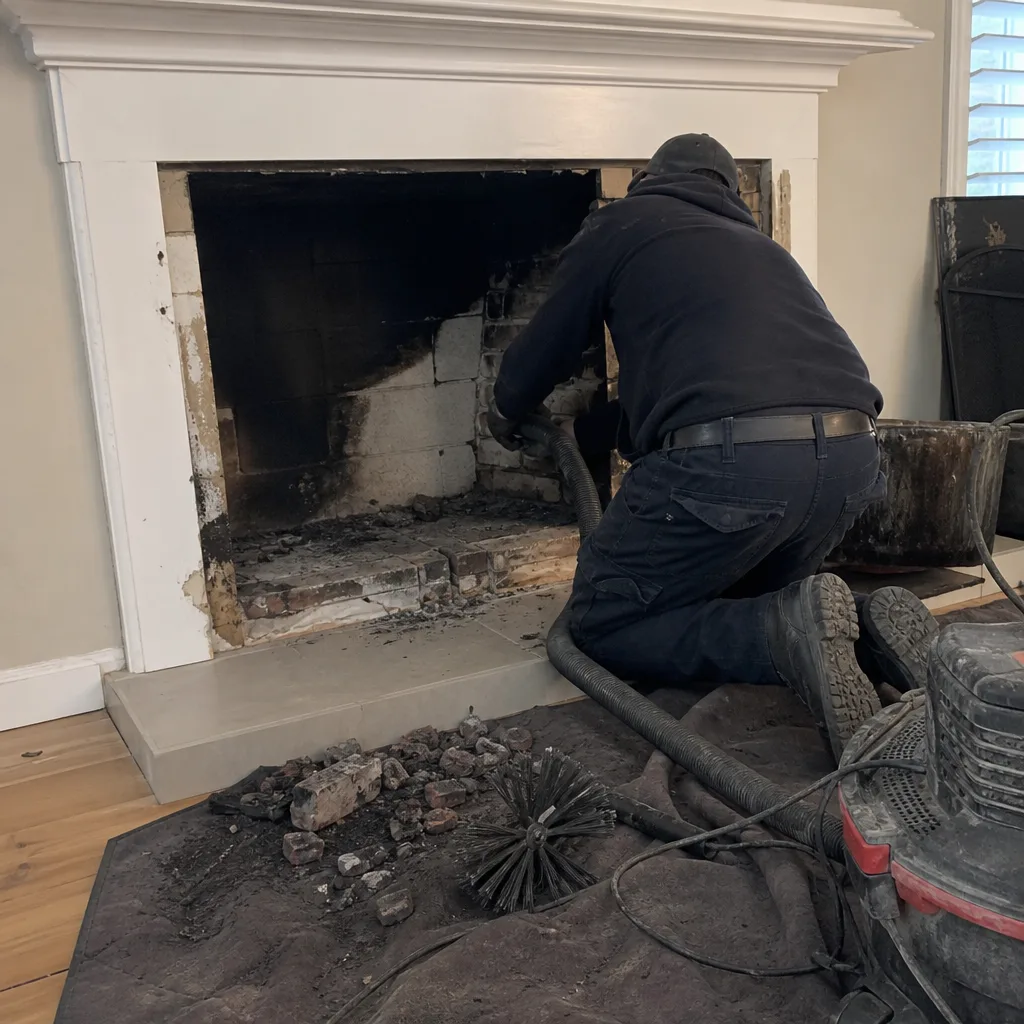 Before
 After
AfterChimney Cleaning Permits, Codes & Inspections in CA: What You Need to Know
Relining a chimney in San Jose without a permit isn’t just a code violation - it voids the manufacturer’s warranty on your DuraFlex or Olympia Chimney liner and can become a disclosure liability when you sell. Most California homeowners assume chimney work is simple: call a sweep, get it cleaned, light a fire. But the rules that govern what you can and cannot do come from three separate authorities with different jurisdictions, and knowing which one applies to your situation saves money, prevents red-tags, and keeps your insurance valid. In this guide, we’ll map exactly which body controls what, when a permit is required, and how to protect yourself from the costly mistakes we’ve documented across 38,000 inspections since 2009.
Quick Answer
Chimney cleaning and sweeping in California never requires a permit. Chimney relining, structural repair, and appliance changes almost always do. The governing rules split three ways: NFPA 211 sets inspection standards, the California Building Code governs structural and liner work, and your local Authority Having Jurisdiction (AHJ) - Santa Clara County or the City of San Jose - controls permit triggers and final sign-off. If you’re selling a home, filing an insurance claim, or changing your fireplace appliance, an NFPA 211 Level 2 inspection is mandatory, not optional.
Table of Contents
- The Three Authorities That Govern Your Chimney
- NFPA 211 Level 2 Inspections: When They’re Required
- California Building Code: What It Covers
- Local Permits in San Jose and Santa Clara County
- California Air Resources Board Wood-Burning Rules
- What an AHJ Inspector Looks For vs. What a Sweep Documents
- Real Estate Transactions and Disclosure Liability
- Common Mistakes to Avoid
- When to Call a Professional
- Frequently Asked Questions
- The Bottom Line
 Before
 After
AfterThe Three Authorities That Govern Your Chimney
California’s chimney regulatory landscape confuses homeowners because no single document tells the whole story. Three distinct bodies create overlapping rules, and compliance means satisfying all three, not picking the easiest one.
NFPA 211 - the National Fire Protection Association’s Standard for Chimneys, Fireplaces, Vents, and Solid Fuel-Burning Appliances - is a nationally recognized standard, not a law. It becomes enforceable when adopted by reference into state or local code, which California has done. NFPA 211 defines inspection levels, clearance requirements, and maintenance frequencies. It mandates a Level 2 inspection (camera scan of the flue interior) during real estate transactions, after chimney fires, and when any appliance is changed. This is the standard we built our practice around in 2009, before regulators or insurers asked for it - camera documentation became Clause 4 of the Haven Standard because verbal reports leave homeowners with no proof of what was actually found.
The California Building Code (CBC), Title 24, governs structural work, new construction, and alterations to existing chimney systems. It references NFPA 211 for maintenance but adds California-specific amendments for seismic bracing, clearances in wildland-urban interface zones, and energy efficiency. The CBC is state law. Violations can trigger red-tags, stop-work orders, and insurance disputes.
Your local Authority Having Jurisdiction (AHJ) - in San Jose, this is the City of San Jose Building Division or Santa Clara County for unincorporated areas - interprets and enforces the CBC locally. The AHJ controls permit requirements, inspection schedules, and final approval. Two neighboring homes on opposite sides of a city limit can face different permit rules for identical work. In our experience across San Jose neighborhoods from Willow Glen to Almaden Valley, we’ve seen permit triggers vary based on whether a property sits in incorporated city limits or county jurisdiction.
Here’s how the split works in practice:
- Cleaning and sweeping: NFPA 211 governs frequency and method; no CBC or AHJ permit required
- Level 1 or 2 inspection: NFPA 211 standard; no permit, but documentation matters for insurance and sale
- Relining: CBC structural alteration; AHJ permit almost always required
- Crown repair or rebuild: CBC structural; permit required if exceeding minor repair thresholds
- Cap replacement: Typically no permit; becomes permit-triggering if altering draft or clearance
- Appliance change (insert, stove, gas conversion): CBC and AHJ; permit always required, Level 2 inspection mandatory under NFPA 211
The mistake we see most often in San Jose: a homeowner hires a sweep for “just a cleaning,” the technician finds a failed liner, and the company offers to reline that same visit without mentioning permits - something our Chimney Cleaning & Sweep Maintenance Checklist for San Jose Homeowners helps you avoid. The work gets done, the warranty paperwork gets filed, and two years later the manufacturer denies a claim because no AHJ inspection record exists. We’ve reviewed competitor estimates where this step was simply absent - the Haven Standard Clause 1 requires a written scope before work starts, and that scope must include permit status.
NFPA 211 Level 2 Inspections: When They’re Required
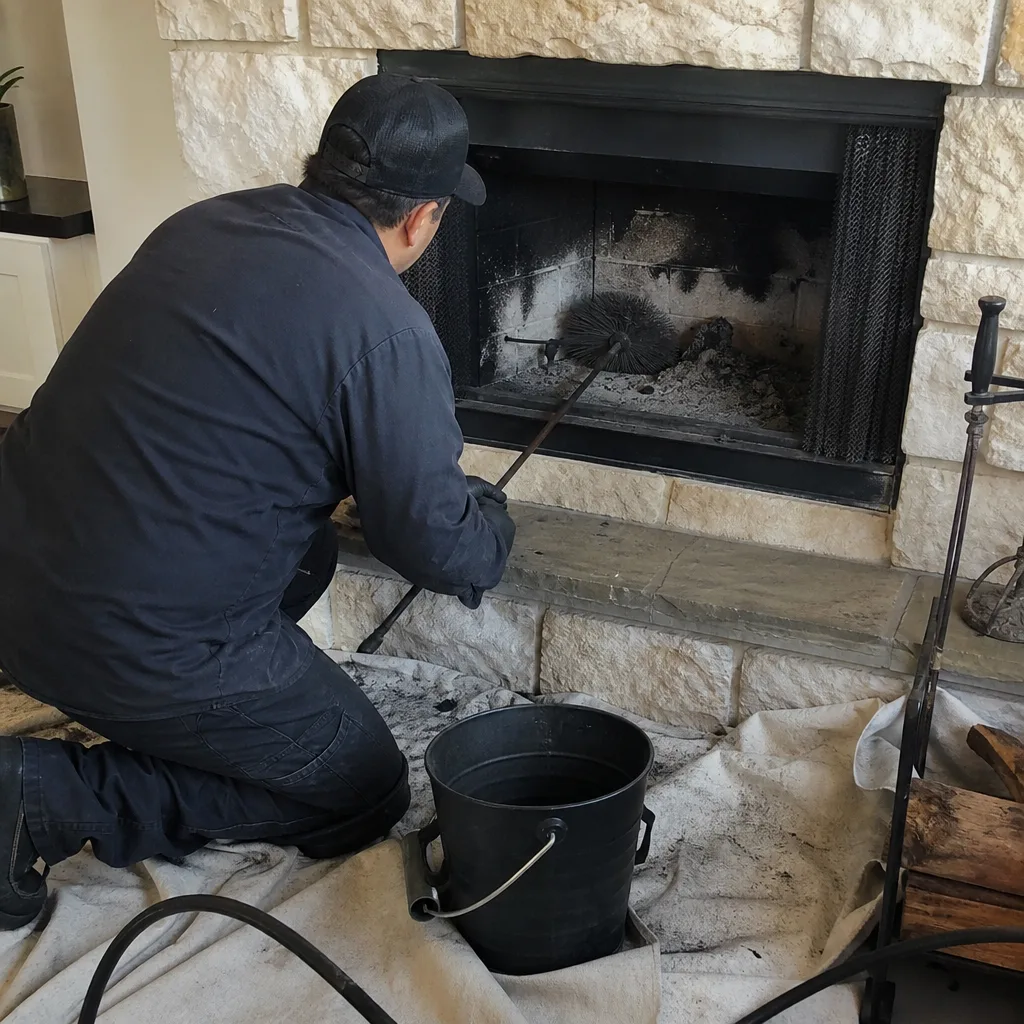
NFPA 211 defines three inspection levels, but Level 2 is the one that catches homeowners by surprise. It’s not an upsell. It’s a triggered requirement with legal and financial consequences for skipping it.
A Level 2 inspection is mandatory when:
- The property is being sold or transferred. The standard explicitly calls for Level 2 during real estate transactions. In competitive San Jose markets where inspections are often waived, buyers increasingly request chimney documentation post-close. Without a Level 2 record, sellers face disclosure liability if a later inspection reveals defects.
- An insurance claim involves the chimney or fireplace. Insurers increasingly require Level 2 documentation before honoring claims related to chimney fires, smoke damage, or carbon monoxide events. We’ve processed Free Second Opinions on competitor reports where a Level 1 visual inspection was accepted by an adjuster who didn’t know to ask for camera footage.
- Any appliance is added, removed, or changed. Switching from wood to gas, installing a pellet insert, or even replacing a factory-built fireplace with the same model triggers Level 2. The flue must be verified compatible with the new appliance’s venting requirements.
- After a chimney fire or significant weather event. Thermal shock from chimney fires can crack flue liners in ways invisible from the firebox. The 1985 Lexington Hills fire in the Santa Cruz Mountains, which spread through compromised chimney systems, influenced California’s adoption of stricter post-event inspection language.
- Upon occupancy of a new home with an existing chimney system. Even new construction requires Level 2 if the chimney was built before occupancy or if construction debris may have entered the flue.
What distinguishes Level 2 from Level 1 is camera documentation of the flue interior. A Level 1 is visual - flashlight, mirror, accessible surfaces. A Level 2 requires scanning the full length of the flue liner with a camera, documenting the smoke chamber, and assessing clearances where accessible. At Level Two Chimney San Jose, we’ve performed this as standard practice since 2009 - every one of our 38,000+ visits includes this documentation under Haven Standard Clause 4.
The climate factor in San Jose matters here. Our combination of winter rainfall and summer dryness creates thermal cycling stress on clay flue tiles. In neighborhoods like Rose Garden and Naglee Park with older masonry, we’ve documented vertical cracking patterns that Level 1 inspections missed entirely. The camera doesn’t guess - it shows.
Ignoring the Level 2 trigger has specific consequences:
- Insurance denial: Claims adjusters increasingly recognize the difference between Level 1 and Level 2 documentation
- Warranty voidance: Manufacturer warranties for inserts, liners, and factory-built units require proof of proper flue condition at installation
- Disclosure liability: California Civil Code 1102 requires disclosure of material defects; an undocumented chimney system becomes a known unknown that can support fraud claims
- Code enforcement: AHJs can require Level 2 documentation before issuing permits for related work
California Building Code: What It Covers
The California Building Code doesn’t care how often you sweep your chimney. It cares whether the chimney structure, clearances, and venting system meet safety standards when altered or constructed.
For existing chimneys, the CBC becomes relevant in specific scenarios:
Structural modifications. Rebuilding a crown, replacing more than 25% of masonry, adding seismic bracing, or altering the chimney height all trigger CBC compliance review. The code requires engineered solutions for seismic zones, which includes all of Santa Clara County. After the 1989 Loma Prieta earthquake, California amended chimney seismic requirements significantly; pre-1990 chimneys in San Jose often lack the bracing now required for structural work.
Liner installation and replacement. The CBC treats liner replacement as an alteration to the venting system. New liners must be listed to UL 1777 (for clay tile alternatives) or equivalent, properly sized for the appliance, and installed with proper connections at the thimble and termination. We’ve reviewed installations where unlisted flex was used to save cost - the CBC doesn’t permit this, and manufacturers like DuraFlex and Olympia Chimney won’t warranty it.
Clearance reductions. The CBC mandates specific airspace between chimneys and combustible framing. HeatShield and similar refractory resurfacing products can restore eroded clearances, but only when applied according to manufacturer listing and CBC acceptance. We document pre- and post-application thickness with caliper readings - it’s in your photo record.
Factory-built fireplace replacements. These are treated as appliance installations, not repairs. The CBC requires compliance with the current edition, not the edition in force when the original was installed. This often means larger clearances, different venting, or additional combustion air that the existing chase cannot accommodate.
One San Jose-specific consideration: the CBC’s wildland-urban interface amendments apply to properties in the Wildland-Urban Interface Fire Area, which includes portions of the foothills and interface zones near Almaden Quicksilver and the eastern hills. These properties face additional spark arrestor requirements, extended clearances, and restrictions on certain wood-burning appliances regardless of chimney condition.
Local Permits in San Jose and Santa Clara County
This is where homeowners get surprised. The City of San Jose Building Division and Santa Clara County Building Department have different permit triggers, fee schedules, and inspection protocols for identical chimney work.
City of San Jose permit requirements:
- Chimney cleaning/sweeping: No permit required
- Level 1 or 2 inspection: No permit; no AHJ involvement
- Cap or spark arrestor replacement (like-for-like): Typically no permit
- Crown repair (less than 25% of masonry): Often repair exemption; verify with plan check
- Crown rebuild, structural repair, or rebuild: Building permit required; structural inspection
- Liner installation or replacement: Building permit required; mechanical or plumbing inspection depending on appliance type
- Factory-built fireplace replacement: Building permit required; fire assembly inspection
- Gas appliance conversion: Plumbing permit required; gas line inspection
- Wood stove or pellet insert installation: Building permit required; compliance with California Air Resources Board emission standards
Santa Clara County (unincorporated areas):
The county generally mirrors city requirements but with longer plan-check timelines and different fee structures. Properties in unincorporated pockets near San Jose - parts of Evergreen, Almaden, and the foothill interface - fall under county jurisdiction. We’ve encountered situations where a homeowner in a county pocket assumed city rules applied, pulled no permit, and faced compliance orders at sale.
How to verify your jurisdiction:
- Check your property tax bill - the taxing authority indicates city or county
- Use the Santa Clara County Assessor’s online parcel lookup
- Call the City of San Jose Building Division at (669) 291-2770 with your address
- When in doubt, assume permit required - the AHJ will confirm exemption faster than they’ll forgive violation
Permit process overview:
- Application: Submit scope, drawings for structural work, manufacturer cut sheets for liners and appliances
- Plan check: Review for CBC compliance; 2-10 business days depending on jurisdiction and complexity
- Permit issuance: Fee payment; work may begin (some jurisdictions require permit posting before start)
- Rough inspection: For liner work, after liner installation but before closure; for structural, after framing/bracing
- Final inspection: Completed work verified; permit finaled
The critical detail: manufacturer’s warranties for liners and factory-built units require proof of permit and final inspection. We’ve processed warranty claims where the only missing document was the AHJ final. Our written scope under Haven Standard Clause 1 explicitly states permit responsibility - we handle it, or we document that the homeowner has chosen to self-permit, with the risks explained in writing.
California Air Resources Board Wood-Burning Rules
Chimney maintenance obligations don’t exist in a vacuum. The California Air Resources Board (CARB) regulates wood-burning emissions, and these rules interact with how often you must sweep and what appliances you can legally operate.
Winter Spare the Air alerts: From November through February, CARB declares Winter Spare the Air Days when particulate pollution exceeds federal standards. On these days, wood burning is illegal in all Bay Area Air Quality Management District counties, including Santa Clara. Violations carry fines starting at $100 for first offenses.
This matters for chimney maintenance because:
- A poorly maintained chimney with Class III glazed creosote burns dirtier, increasing your violation risk on alert days
- EPA-certified inserts and stoves have different emission profiles and different venting requirements - triggering CBC and NFPA 211 compliance when installed
- Enforcement in San Jose is complaint-driven; a smoking chimney draws attention
New Source Performance Standards (NSPS): Since 2015, EPA Phase II standards apply to new wood stoves and inserts. California requires EPA certification for all new installations. Uncertified stoves, including antique models common in Willow Glen and Japantown renovations, cannot be legally installed new - though existing installations are grandfathered until replacement.
Local wood-burning curtailment programs: Some Bay Area jurisdictions have considered stricter local rules. While San Jose currently follows BAAQMD standards, the direction is toward tighter restrictions. Maintaining your chimney for efficient, clean combustion isn’t just safety - it’s regulatory positioning.
The practical implication: when we document creosote accumulation in your photo record, we’re also documenting combustion efficiency. Heavy, glazed creosote (Class III) indicates incomplete combustion, which means more emissions, more Spare the Air risk, and faster reaccumulation. The sweep frequency NFPA 211 recommends - annually for regular use, more often for heavy use - aligns with keeping your system efficient enough to operate legally on permitted burn days. For a deeper look at proper maintenance, see The Complete Guide to Chimney Cleaning in San Jose.
What an AHJ Inspector Looks For vs. What a Sweep Documents
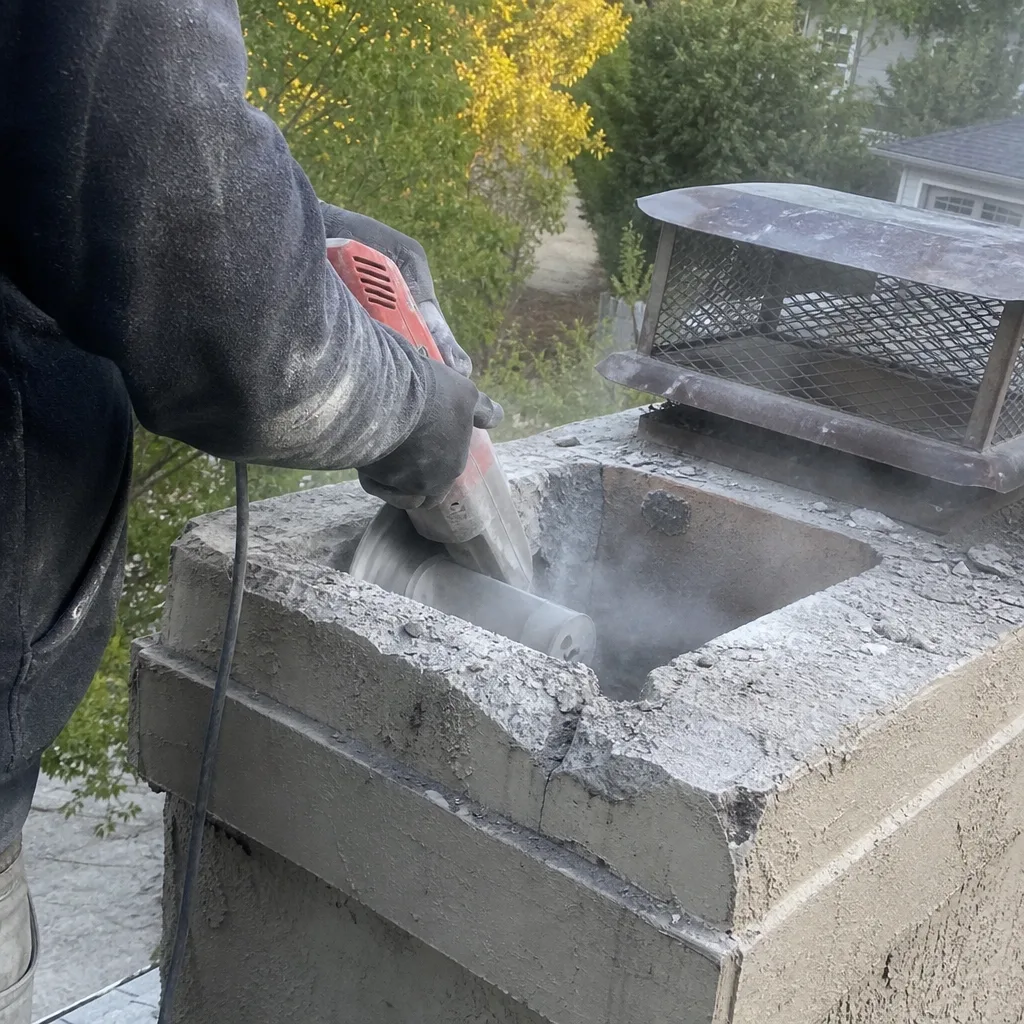
Homeowners often assume one inspection covers everything. It doesn’t. The AHJ inspector and the certified sweep examine different things for different purposes, and understanding the distinction protects you from gaps.
AHJ inspector priorities:
- Permit compliance - was the work performed per approved plans?
- Code minimums - clearances, materials, connections
- Safety barriers - seismic bracing, spark arrestors, termination height
- Manufacturer listing - is installed equipment approved for this use?
- Gas line integrity (for gas appliances) - pressure testing, shutoff access
The AHJ inspector does not typically examine flue interior condition, creosote accumulation, or appliance operational efficiency. Their job is structural and code compliance, not maintenance assessment.
Certified sweep documentation (Level Two Chimney San Jose standard):
- Camera scan of full flue length - liner condition, joint alignment, mortar loss
- Smoke chamber assessment - parging condition, corbelled brick integrity
- Creosote classification - Class I (sooty), Class II (granular), Class III (glazed, most hazardous)
- Crown and cap condition - cracking, water intrusion paths
- Firebox and damper operation
- Clearance verification where accessible
- Written scope with photo record
The gap: a permit-finalled liner installation with a clean AHJ record can still have a cracked flue above the liner, or a smoke chamber eroded to dangerous thinness, or Class III creosote in the connector pipe. We’ve documented all three on systems with current permits. The AHJ inspector didn’t miss anything - they weren’t looking for it.
This is why Chimney Cleaning & Sweep in San Jose includes camera documentation as standard, not optional. Haven Standard Clause 4 requires it because the alternative is asking homeowners to trust verbal assurances about invisible conditions.
When we perform Chimney Repair in San Jose that requires permits, we coordinate AHJ inspections and provide our documentation to the inspector when helpful. But we never treat AHJ sign-off as substitute for our own assessment - and neither should you.
Real Estate Transactions and Disclosure Liability
California’s real estate disclosure requirements create specific chimney risks that most sellers don’t anticipate. Civil Code Section 1102 requires disclosure of material defects - conditions that would affect a reasonable buyer’s decision or the property’s value. An undocumented chimney system is a material defect waiting to be discovered.
The disclosure chain:
- Seller completes Transfer Disclosure Statement (TDS) and Seller Property Questionnaire (SPQ)
- Chimney questions typically ask about fireplace condition, known defects, and permit status of modifications
- Buyer may request inspection contingency including Level 2 chimney assessment
- Post-close discovery of unpermitted work or concealed defects can support rescission claims or damages
Specific San Jose market dynamics:
In competitive markets where buyers waive inspections, chimney issues often surface in the post-close period when the new owner attempts first use. We’ve been called to Almaden Valley and Cambrian Park homes where the new owner lit a fire, smelled smoke in the attic, and discovered a deteriorated liner that a Level 2 would have caught. The seller’s disclosure stated “fireplace functional” based on a visual check - no camera, no documentation, no protection.
Permit history as disclosure item:
Unpermitted relining or structural work must be disclosed. Even if the work was done well, the absence of permit and inspection records affects insurability and future sale. Some insurers now require permit verification for chimney-related coverage. We provide permit research as part of our pre-listing inspection service - we check city and county records, document what exists, and identify gaps.
Protective documentation for sellers:
- Pre-listing Level 2 inspection with photo record
- Permit verification for all modifications
- Written scope of any recommended work with priority ranking (immediate vs. monitor)
- Documentation of work performed with permits and final inspections
The 365-Day Done Right Promise applies to our documentation too. If we clear a system for sale and a subsequent inspection finds something we missed, we make it right. That’s Haven Standard accountability - written, not implied.
Common Mistakes to Avoid
- Assuming cleaning includes inspection documentation. Many San Jose sweeps offer “cleaning and inspection” that means a flashlight look and a checkbox form. Without camera footage, you have no proof of flue condition for insurance or sale. Ask specifically: “Is a camera scan of the full flue included, and do I receive photos?”
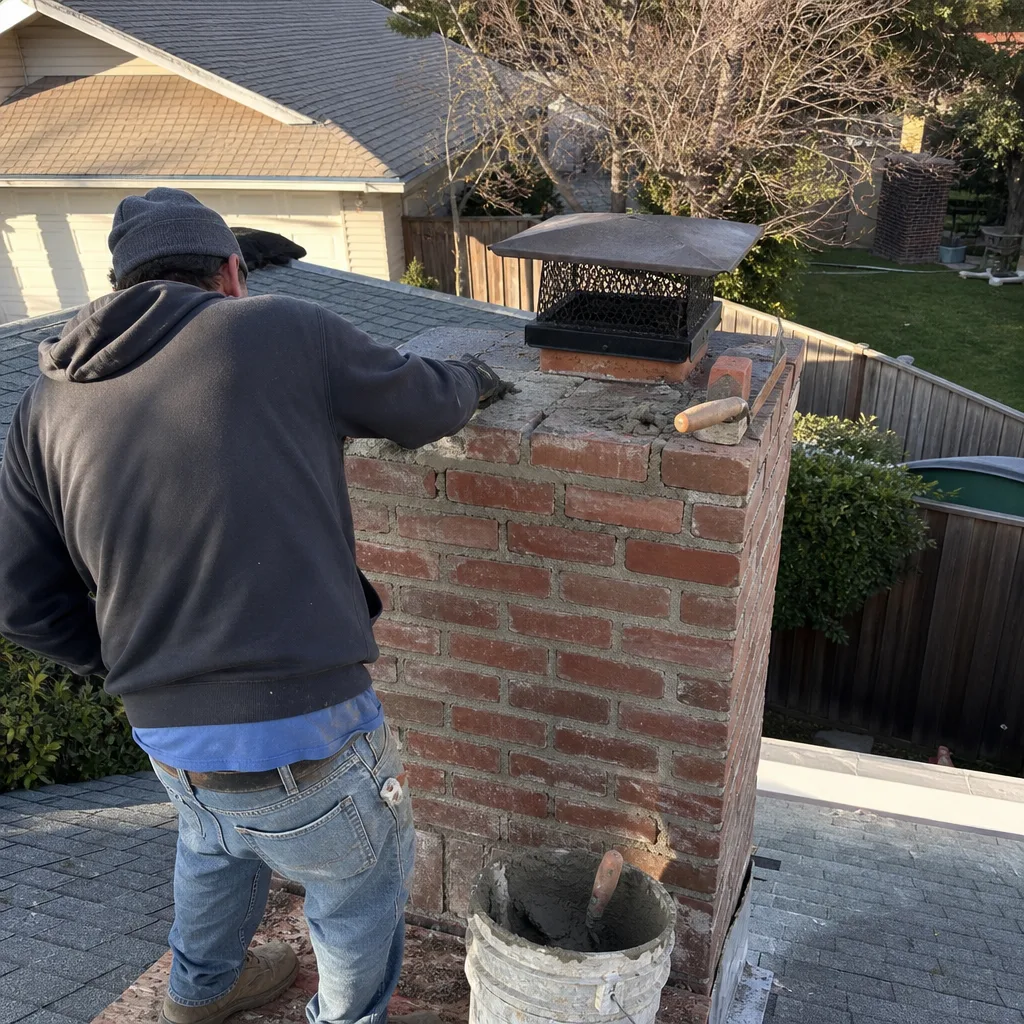
- Relining without permit research. We’ve reviewed competitor quotes where permit status wasn’t mentioned. The homeowner assumes it’s handled, the work proceeds, and warranty coverage fails when the manufacturer requests AHJ final inspection documentation. Get permit status in writing before work starts - Haven Standard Clause 1 requires this in our scopes.
- Ignoring jurisdiction boundaries. A home on the San Jose side of the border with unincorporated Santa Clara County faces different permit rules than the identical home across the street. Verify with your address, not your ZIP code.
- Treating AHJ final as maintenance clearance. The building inspector signs off on code compliance, not system readiness for burning. A permit-finaled chimney can still have dangerous creosote accumulation or a cracked liner above the new installation. Schedule maintenance inspection separately.
- Installing uncertified appliances. That vintage stove from the salvage yard cannot be legally installed new in California. EPA certification is required, and installation triggers Level 2 inspection, permit, and proper venting verification. The “great deal” becomes expensive when compliance is enforced.
- Disclosing based on memory, not records. “I think the previous owner relined it” doesn’t satisfy California disclosure requirements. If you don’t have permit records and inspection documentation, disclose the uncertainty - or hire us to research and document what exists.
- Burning on Spare the Air days with a dirty chimney. A smoking chimney draws complaints, and complaints draw enforcement. In San Jose’s dense neighborhoods like Downtown and Japantown, neighbor complaints are the primary enforcement trigger. Clean systems smoke less; documented clean systems prove maintenance due diligence if questioned.
When to Call a Professional
Call a certified chimney professional when any of these apply: you’re buying or selling a home and need documentation for disclosure; your insurance company requests inspection records; you’re changing any fireplace appliance; you’ve had a chimney fire or significant weather event; you’re considering relining or structural repair and need permit guidance; or you simply don’t have camera documentation of your flue’s interior condition. Explore more guides & resources on our blog.
Level Two Chimney San Jose offers free estimates in San Jose - call (669) 291-2770. Every estimate includes a written scope, written price, and explanation of any permit requirements before work begins. Our background-checked, uniformed technicians arrive with license information, a named assignment, and a text when they’re on the way. Fireplace Services in San Jose covers everything from routine maintenance to complex appliance changes with full permit coordination.
Frequently Asked Questions
No. Chimney cleaning and sweeping never require a permit in San Jose or anywhere in California. The work is maintenance, not alteration, and falls under NFPA 211 standards rather than building code. Call (669) 291-2770 for a free estimate - estimates include a written price before any work starts.
Chimney sweeping in San Jose typically ranges from $199 to $349 depending on accessibility, creosote accumulation level, and whether a Level 2 camera inspection is included. Level Two Chimney San Jose includes camera documentation as standard under Haven Standard Clause 4, not as an add-on. Call (669) 291-2770 for an exact quote - estimates are free.
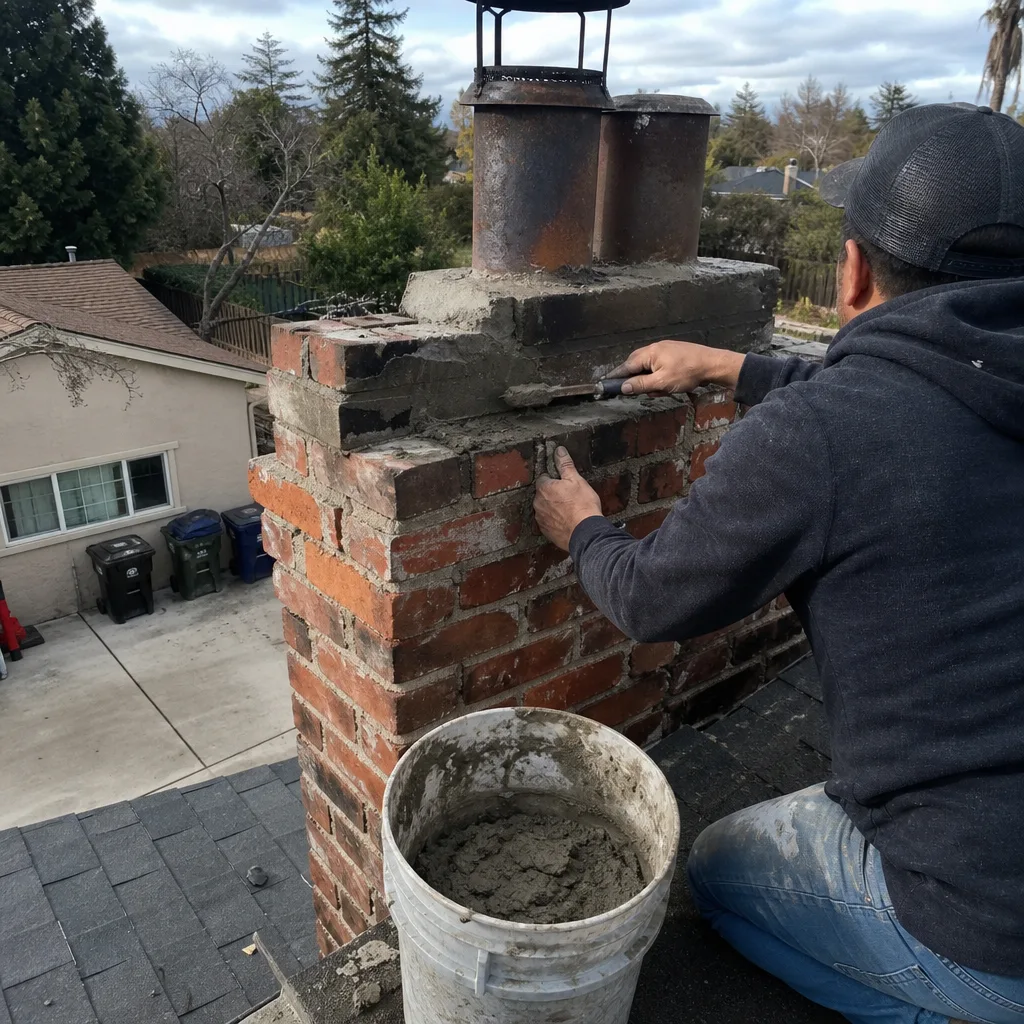
You need a new liner when the existing one is cracked, eroded, or improperly sized for your appliance - conditions a camera inspection reveals. Cleaning removes creosote but doesn’t restore structural integrity. We show you the camera footage, explain what we found in plain terms, and tell you when work can safely wait versus when it cannot. Nothing is recommended without photo evidence you can see yourself.
NFPA 211 recommends annual inspection for all chimneys, and sweeping when creosote exceeds 1/8 inch thickness. In San Jose, our dry summers and occasional winter rainfall create thermal cycling that accelerates masonry deterioration - annual camera inspection catches this early. Heavy use (more than three fires weekly during season) may require more frequent sweeping.
Skipped maintenance leads to creosote accumulation, which increases chimney fire risk and reduces combustion efficiency. In San Jose’s Wildland-Urban Interface zones, this carries additional fire spread liability. Deferred maintenance also converts minor repairs (crown sealing, minor repointing) into major rebuilds. We’ve documented $200 maintenance items that became $4,000 rebuilds after three years of neglect - with photo records showing the progression.
Request permit history from the City of San Jose Building Division or Santa Clara County Building Department using your property address. Properly permitted work will show application, inspection, and final approval records. Level Two Chimney San Jose provides permit research as part of pre-purchase and pre-sale inspections, and we document permit status in every written scope under Haven Standard Clause 1.
The Bottom Line
California’s chimney rules aren’t complicated once you know the three-authority structure. NFPA 211 tells you when and how to inspect. The California Building Code governs what you can alter. Your local AHJ controls permits and final approval. Cleaning never needs a permit; relining almost always does; repair depends on scope. The documentation that protects you - camera footage, written scope, permit records - is the same documentation that protects your insurance coverage, your warranty, and your sale. We’ve built our practice on providing this documentation as standard since 2009, because verbal assurances don’t hold up when something goes wrong.
Written by Corrine Halstead, Owner at Level Two Chimney San Jose, serving San Jose since 2009.