
Level 1 sweep and inspection to the NFPA 211 annual standard - flue, crown, cap, and flashing checked and photographed
Chimney sweep logs do not sweep chimneys. They loosen some creosote - which then falls where a brush and vacuum still have to collect it.
Flue relining
 Before
 After
After Before
 After
After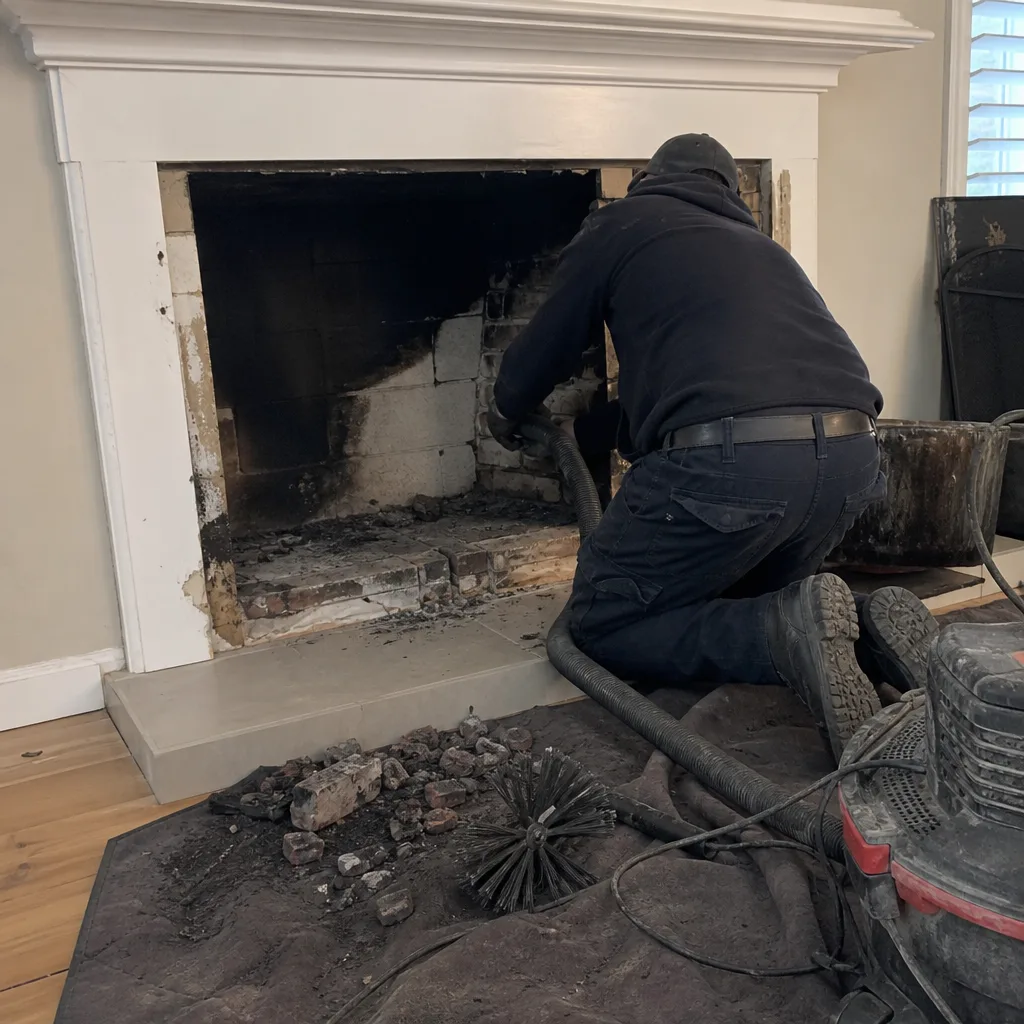 Before
 After
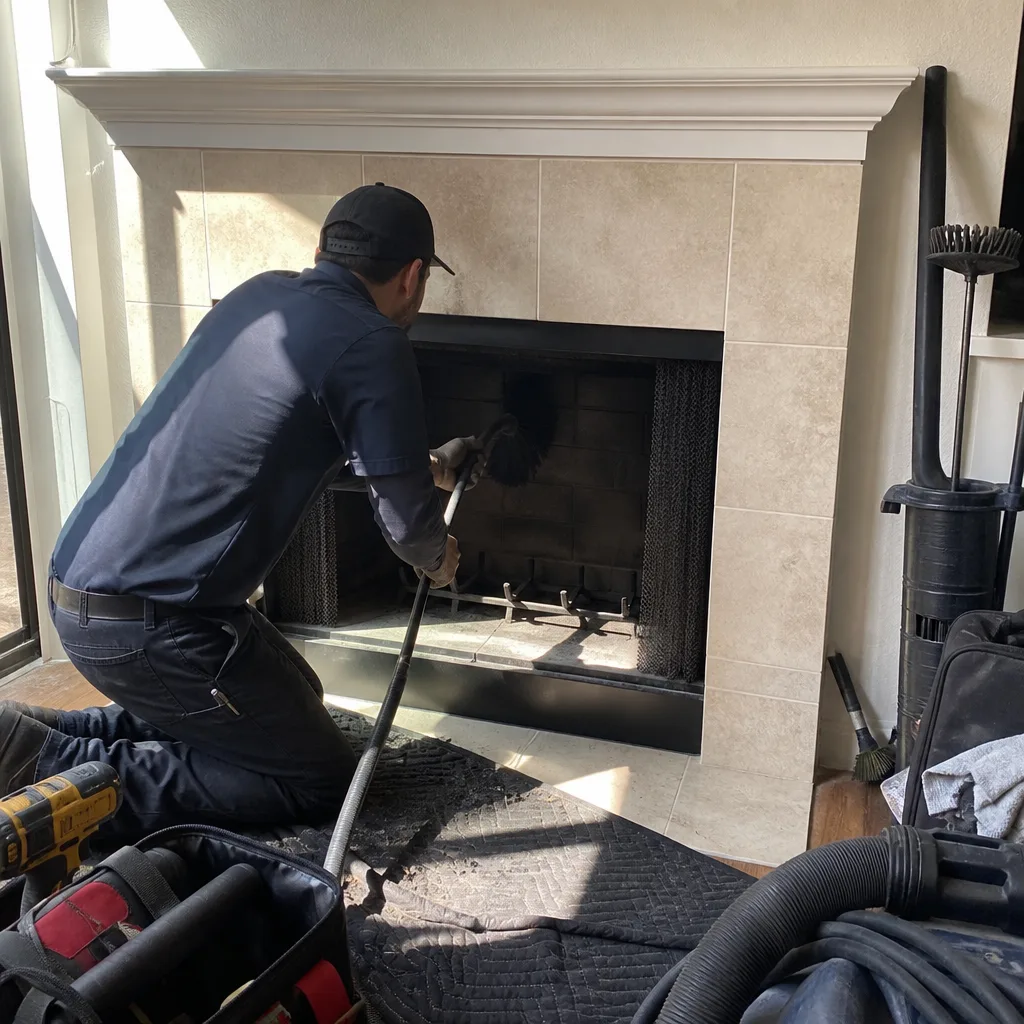
AfterCreosote Removal in San Jose, CA
Creosote removal in San Jose typically runs $150 to $800, depending on how much buildup is present and which class of creosote your flue has developed. Most standard Chimney Cleaning & Sweep services covering Class I or Class II deposits are completed the same day, with a documented photo record and written price delivered before any work begins. If your fireplace has been throwing off a sharp, oily smoke smell or your last cleaning was more than a season ago, it’s worth having a camera scan of the flue before your next fire.
At Level Two Chimney San Jose, creosote removal is part of every Chimney Cleaning & Sweep in San Jose we perform. It’s not a line item we quote verbally and bill differently later. Corrine Halstead built this company on the idea that you should have a written price, a written scope, and a written warranty before the rotary brush ever touches the liner – and that practice has held on every one of the 38,000-plus jobs we’ve completed since 2009. To talk through what’s in your flue before booking, call us at (669) 291-2770. A live person picks up every time, 24 hours a day.
What Creosote Is and Why San Jose Chimneys Build It Up
Creosote is a byproduct of incomplete combustion. When wood smoke cools before it fully exits the flue, it condenses on the liner walls as a dark, carbon-rich residue. The National Fire Protection Association classifies it in three stages: Class I is the light, flaky soot that a standard brush removes in one pass. Class II is a harder, tar-like coating that requires rotary tools or chemical treatment. Class III – sometimes called glazed creosote – is a shiny, dense layer that can spontaneously ignite at temperatures above 1,000°F and is responsible for most serious chimney fires.
Fireplace Cleaning needs in San Jose are shaped by climate in a specific way. The South Bay gets cool, damp nights from October through March, and homeowners running gas inserts or wood-burning fireplaces on those evenings often use lower burn temperatures to take the edge off without heating the whole house. Slow, smoldering fires produce far more unburned vapor than hot, well-fed fires do. Couple that with the older masonry chimneys common in Willow Glen, Cambrian Park, and the Rose Garden neighborhood – many of them built with undersized or deteriorating flue liners – and Class II buildup can develop in a single heating season. In Almaden Valley, where larger homes run higher-capacity wood-burning inserts on weekends, we regularly see Class II deposits shift toward glazed Class III creosote in as little as two seasons when the inserts are operated at low draft settings.
A creosote fire is not a slow burn. The liner temperature during a creosote ignition can exceed 2,000°F – hot enough to crack terracotta tile liners and push combustion gases through gaps in the masonry into adjacent framing. This is not a scare tactic; it is what the camera shows us after it happens, and it is why we do not skip the camera scan.
When You Need Creosote Removal
- You smell a sharp, acrid or oily odor from the firebox even when the fireplace is cold. That smell is Class II or Class III creosote off-gassing through the liner. It intensifies in summer when the flue heats up and the deposits become volatile.
- Your last professional cleaning was more than 12 months ago and the fireplace saw regular use. NFPA 211 recommends annual inspection and cleaning for any solid-fuel appliance. One cord of wood burned through a San Jose winter is enough to build actionable deposits.
- The damper or smoke chamber shows black, shiny streaking. Glazed streaks visible around the damper plate are a surface indicator of Class III creosote higher in the flue – the glossy deposits reflect the camera light distinctly, which is how we classify them on-site.
- You’ve had a smoke rollback episode – smoke entering the room instead of drawing up. Rollback in San Jose homes is often a draft issue, but heavy creosote narrowing the flue throat makes it worse. Both problems show up on the camera scan at the same time.
- You’ve just bought a home in Willow Glen, Almaden Valley, Blossom Hill, or Cambrian Park with a fireplace whose service history is unknown. We see this constantly. The previous owner’s burn habits and maintenance record don’t transfer with the deed. A Level 2 camera inspection before your first fire is the only way to know what class of deposit – if any – you’re starting with.
- Your insurer has flagged the chimney or requested a Level 2 inspection report. California insurers have been tightening requirements on solid-fuel appliances since 2022. A written Level 2 report with photos satisfies most requests and is included as standard on every Level Two Chimney job.
 Before
 After
AfterOur Creosote Removal Process
-
Camera scan and creosote classification before any tools come out.
We drop a camera down the flue first. Not a flashlight – a camera, with footage. We classify the deposit by NFPA class, note any liner cracks or mortar joint erosion, and photograph the smoke chamber and firebox. You see exactly what we see before we quote anything. This is Haven Standard Clause 4: a documented photo record on every visit, not as an add-on, but as the default. The practice has been in place since 2009. -
Written price and scope before work starts.
Based on what the camera found, we give you a written quote that names the method, the materials if any chemical treatment is needed, and the warranty. No verbal estimates, no “we’ll know more once we get in there.” Haven Standard Clause 1 – Have it in writing – means the price on that document is the price on the invoice. If the camera finds something that changes the scope, we show you the footage and requote in writing before continuing. -
Firebox and home protection setup.
Drop cloths go down, the firebox is sealed with a containment system, and our technician puts on a fresh uniform covering before rotary brushes or chemicals enter the flue. San Jose homes with finished hardwood floors and white-painted brick surrounds in neighborhoods like Naglee Park tend to have owners who care about what the workspace looks like when we leave. So do we. -
Class-matched removal method.
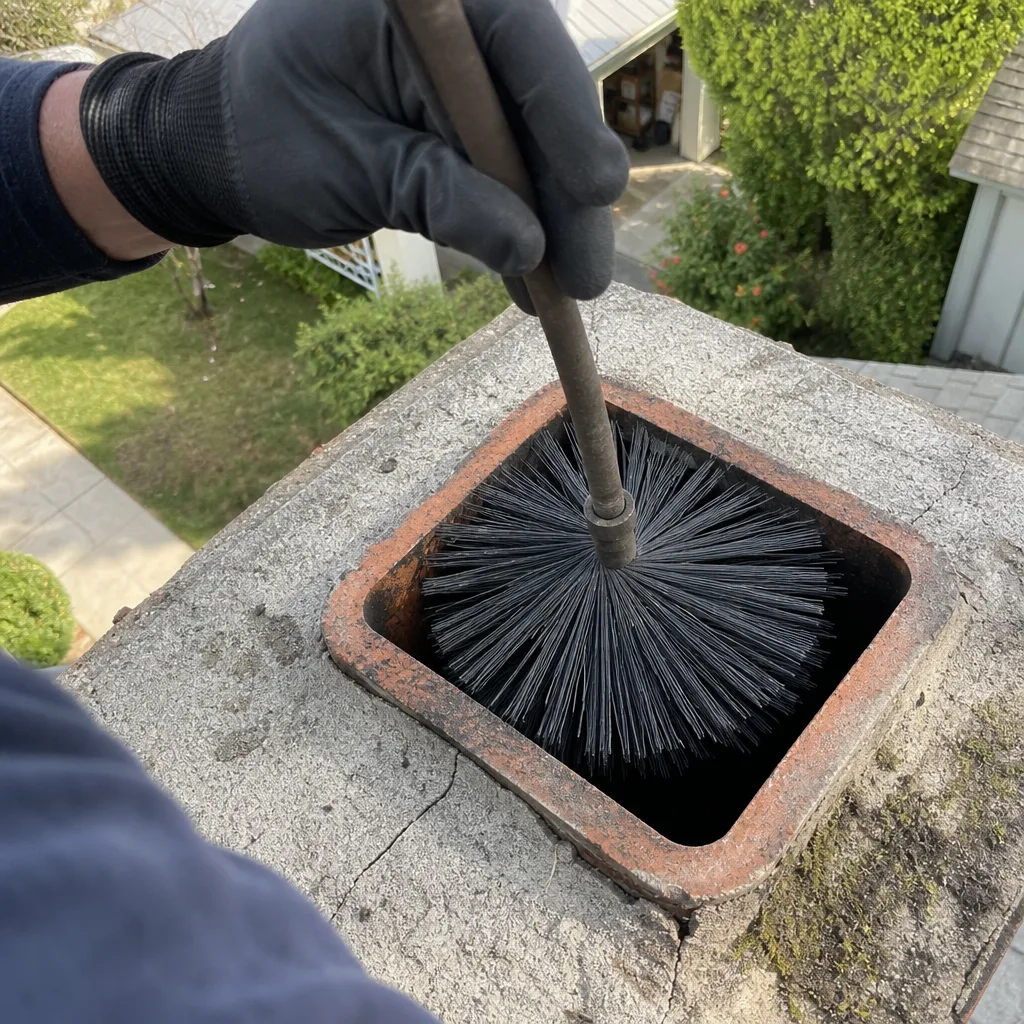
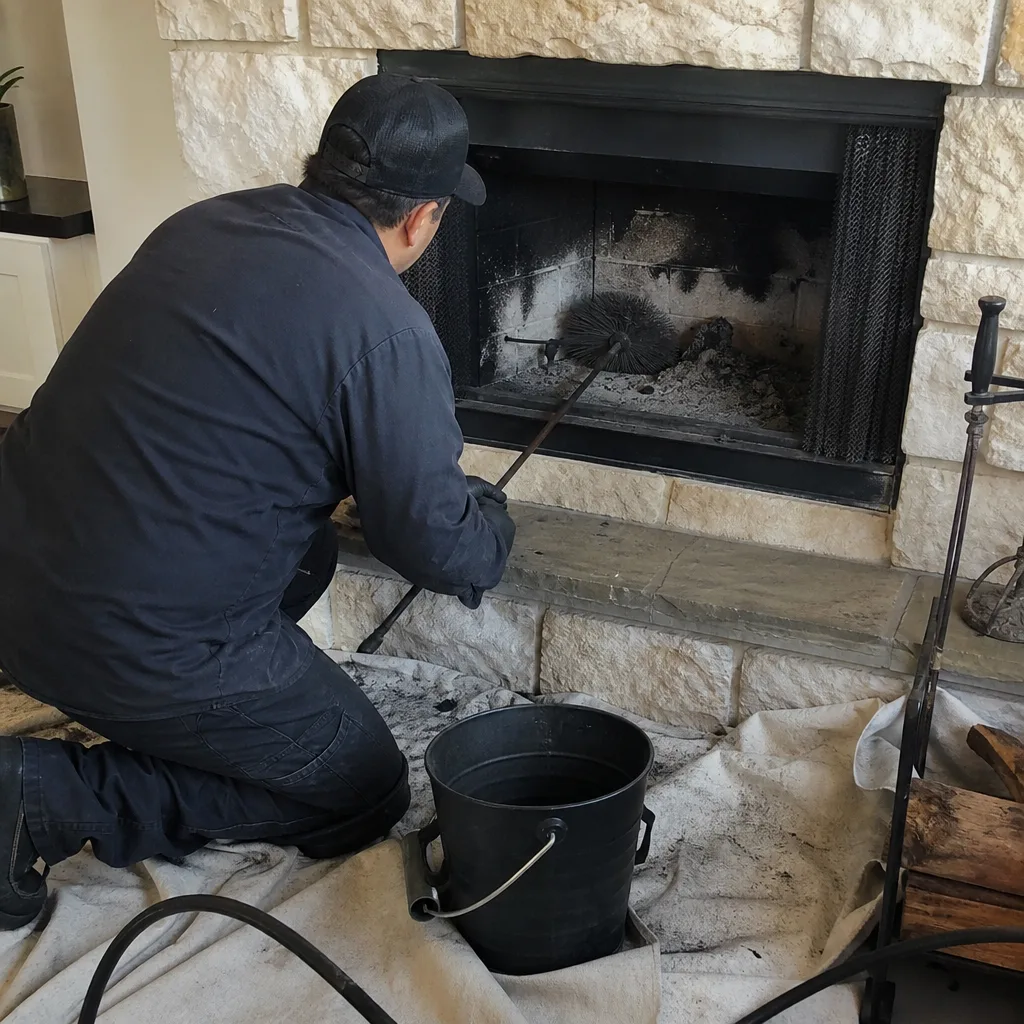
Class I and light Class II deposits come off with professional rotary brush systems – the kind with counter-rotating heads that reach flue corners a standard push rod misses. Heavier Class II buildup gets a chemical loosening agent applied first, left to work overnight if needed, then mechanically removed on a follow-up visit. Class III glazed creosote requires a two-stage chemical treatment using a product from the Gelco line that attacks the crystalline structure of the glaze, followed by rotary mechanical removal once the deposit has sufficiently softened. We do not attempt to chip glazed creosote away dry – that approach fractures liner tiles and spreads pyrogenic debris into the firebox. -
Post-removal camera verification.
After the flue is cleaned, the camera goes back down. We document the liner condition post-cleaning, confirm deposit removal, and note any liner or mortar findings that need attention – HeatShield resurfacing for hairline cracks, for example, or a crown repair if the scan flagged water infiltration at the top. You get the before and after in the same photo record. -
Written close-out documentation.
You receive the full photo record, the written scope of what was done, any recommendations for follow-up work, and confirmation of the 365-Day Done Right Promise. If anything about the creosote removal isn’t right within a year of the job, we come back and make it right. That is the entire promise – no fine print.
Creosote Removal Pricing in San Jose
Creosote removal costs in San Jose are driven by three factors: the class of deposit, the length and configuration of the flue, and whether chemical treatment is needed before mechanical removal can work. Here is what the numbers look like in plain terms:
| Deposit Class | Typical San Jose Price Range | Notes |
|---|---|---|
| Class I (flaky, powdery soot) | $150 – $249 | Standard rotary brush; single visit; included in most annual cleaning appointments |
| Class II (tar-like, firm coating) | $249 – $450 | Heavier mechanical work; may include chemical pre-treatment; most common finding in San Jose homes burning wood 2-3 nights per week |
| Class III (glazed, dense, shiny) | $450 – $800+ | Two-stage chemical treatment (Gelco product line) plus mechanical removal; may require two visits; liner integrity assessment included |
| Level 2 Camera Inspection (included) | Included on every visit | Not billed separately; classified and documented before any quote is issued |
What does not affect the price: the neighborhood you’re in, whether you mention a competitor’s quote, or whether we find something we didn’t expect. If the camera reveals a Class III situation where we quoted Class II, we show you the footage, requote in writing, and you decide whether to proceed. We do not add to an invoice after the fact.
San Jose homes in the Almaden Valley and Blossom Hill areas often have longer flue runs – 25 to 35 feet through a two-story chase – which adds time and may nudge a Class II job toward the higher end of that range. Homes in Willow Glen and the Rose Garden district frequently have older terracotta liner systems that require gentler brush speed to avoid tile fracture, which can also affect the time side of the quote. The camera tells us before we price it.
We offer a Free Second Opinion on any written estimate. Bring us a competitor’s written quote for creosote removal in San Jose and we will review it line by line, tell you whether the classification matches what they described, and give you our written price. No pressure. We do this because the quote should be defensible on its own terms.
To get a written price for your specific flue and deposit class, call (669) 291-2770. Estimates are free and the camera scan is included.
FAQs – Creosote Removal in San Jose
How much does creosote removal cost in San Jose?
Creosote removal in San Jose runs approximately $150 to $800 depending on the deposit class. Class I soot removal typically falls between $150 and $249 and is included in a standard annual cleaning. Class II deposits run $249 to $450 and often involve chemical pre-treatment alongside mechanical brushing. Class III glazed creosote – the most hazardous type – costs $450 to $800 or more because it requires a two-stage chemical process before mechanical removal is safe. Every visit includes a Level 2 Inspection with camera and a written price before work starts; that is not a separate charge. Call (669) 291-2770 for a free written estimate – we give you the class and the price before we touch anything.
Is glazed creosote (Class III) actually dangerous, or is that an upsell?
Class III glazed creosote is genuinely dangerous, and the camera footage makes it easy to verify – it’s the hard, shiny coating that reflects the camera light differently from Class I soot or Class II tar. At flue temperatures above roughly 1,000°F, glazed creosote can self-ignite and sustain a chimney fire that reaches 2,000°F or higher – hot enough to crack terracotta liner tiles and breach the masonry. We’ve documented this kind of liner damage on post-fire inspections in San Jose homes, and it is not subtle. The reason we show you the camera footage before quoting Class III treatment is specifically so you can see what we’re describing and make an informed decision. If a company classifies your creosote as Class III without showing you the footage, ask why. We’d say the same thing to anyone.
Can creosote removal be done the same day in San Jose?
Class I and most Class II removals are completed in a single visit, yes. A standard appointment runs two to three hours from camera scan through post-cleaning documentation. Class III glazed creosote typically requires two visits: one to apply the chemical treatment and let it work, a second to perform mechanical removal after the glaze has been sufficiently softened. Attempting to rush Class III in one visit by dry-chipping risks fracturing the liner tiles – we don’t do that. If your situation is urgent (you’ve had a smoke episode or smell something alarming), call us at (669) 291-2770 and we’ll tell you honestly whether same-day is feasible or whether the two-visit approach is the only safe option for what you have.
How often does a San Jose fireplace need creosote removal?
NFPA 211 calls for annual inspection and cleaning for any solid-fuel burning appliance – wood or pellet. In practice, a San Jose household burning two to three fires per week through the October-to-March season will typically develop Class I or early Class II deposits by spring and should be cleaned before the following season. Households running wood-burning inserts at lower output settings – common in Almaden Valley and Blossom Hill – can develop Class II buildup faster because slow fires produce more unburned vapor. A gas fireplace or insert still needs a Level 1 Inspection annually even if creosote isn’t the concern; carbon buildup, liner condition, and draft performance are all on the camera scan. The short answer: once a year is the floor, and the camera tells you whether your actual habits require more than that.
Why Level Two Chimney San Jose for Creosote Removal
The name is the inspection standard. Level Two Chimney Co. is built around NFPA 211 Level 2 camera documentation – not as a premium option but as the starting point of every visit. Corrine Halstead has run the company this way since 2009, before regulators or insurers began requiring it in the South Bay market. The camera scan, the written price, and the documented close-out record are not selling points we added later; they are the structure the company was built on, now codified as the Haven Standard.
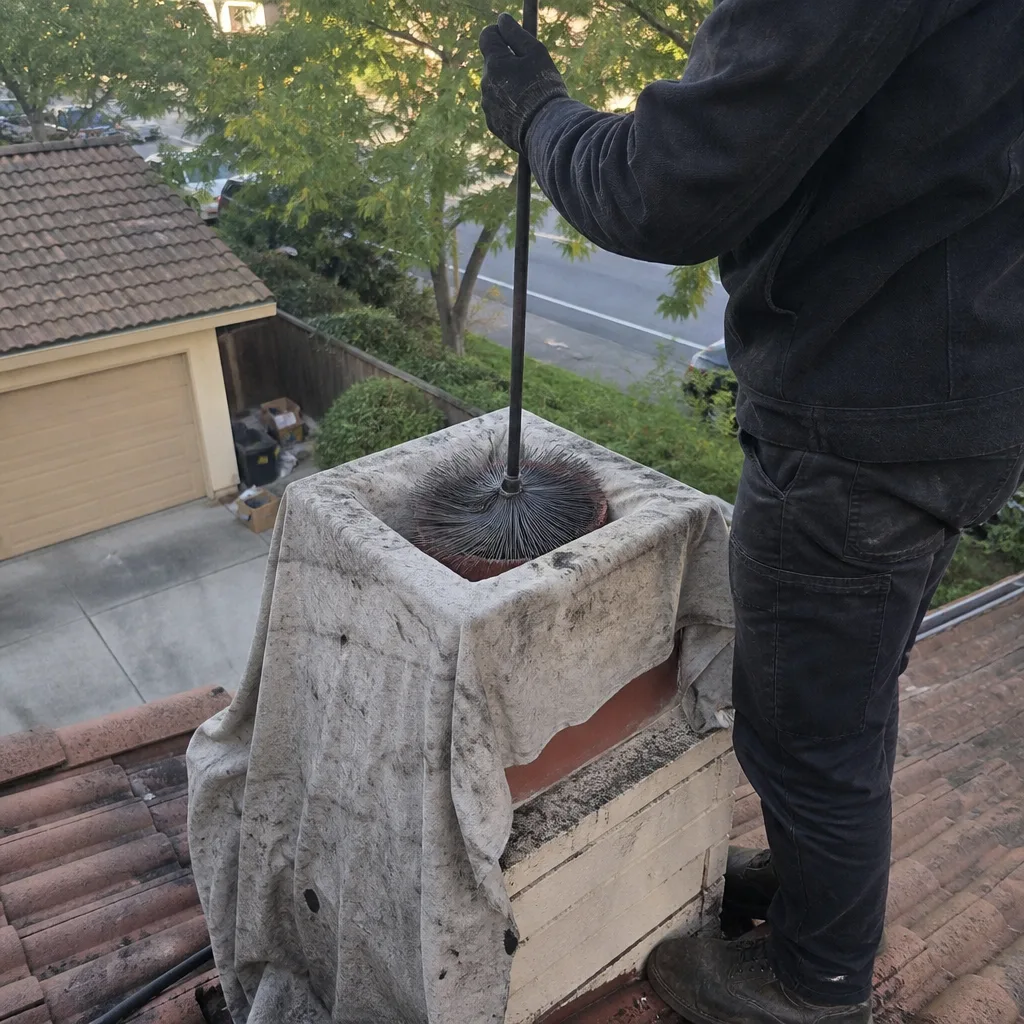
On creosote specifically: we use professional-grade rotary systems and, for Class III work, the Gelco chemical treatment line – products procured through Haven’s buying network, which keeps material costs predictable and customer prices honest. We don’t use whichever chemical is on the shelf this week. When we see liner damage that chemical treatment alone won’t fix, we say so in the written report and scope the repair separately – liner resurfacing using HeatShield, for example – with a separate written price and a separate decision for you to make.
Background-checked, uniformed technicians. A named tech assigned before the appointment. A text when they’re on the way. Live phone support around the clock. And a 365-Day Done Right Promise on every creosote removal job – if it’s not right, we come back and make it right, period. That promise is stamped on every job under the Haven Standard, not offered case-by-case.
You can read more about what a full chimney cleaning appointment includes on our home page, or call (669) 291-2770 to talk through what’s in your flue before you book anything. We’ll tell you what we’d expect to find based on your fireplace type, fuel, and usage – and we’ll give you a written price before anyone steps through your door.
- 38,000+ chimneys inspected and cleaned since 2009 – every one with a written price and a documented record
- Written price, written scope, written warranty before any work starts – Haven Standard Clause 1
- Camera scan and documented photo record on every visit – Haven Standard Clause 4
- Free Second Opinion on any written competitor estimate
- 365-Day Done Right Promise on every job
- Live phone support 24 hours a day, 7 days a week at (669) 291-2770
Written by Corrine Halstead, Owner at Level Two Chimney San Jose, serving San Jose.