
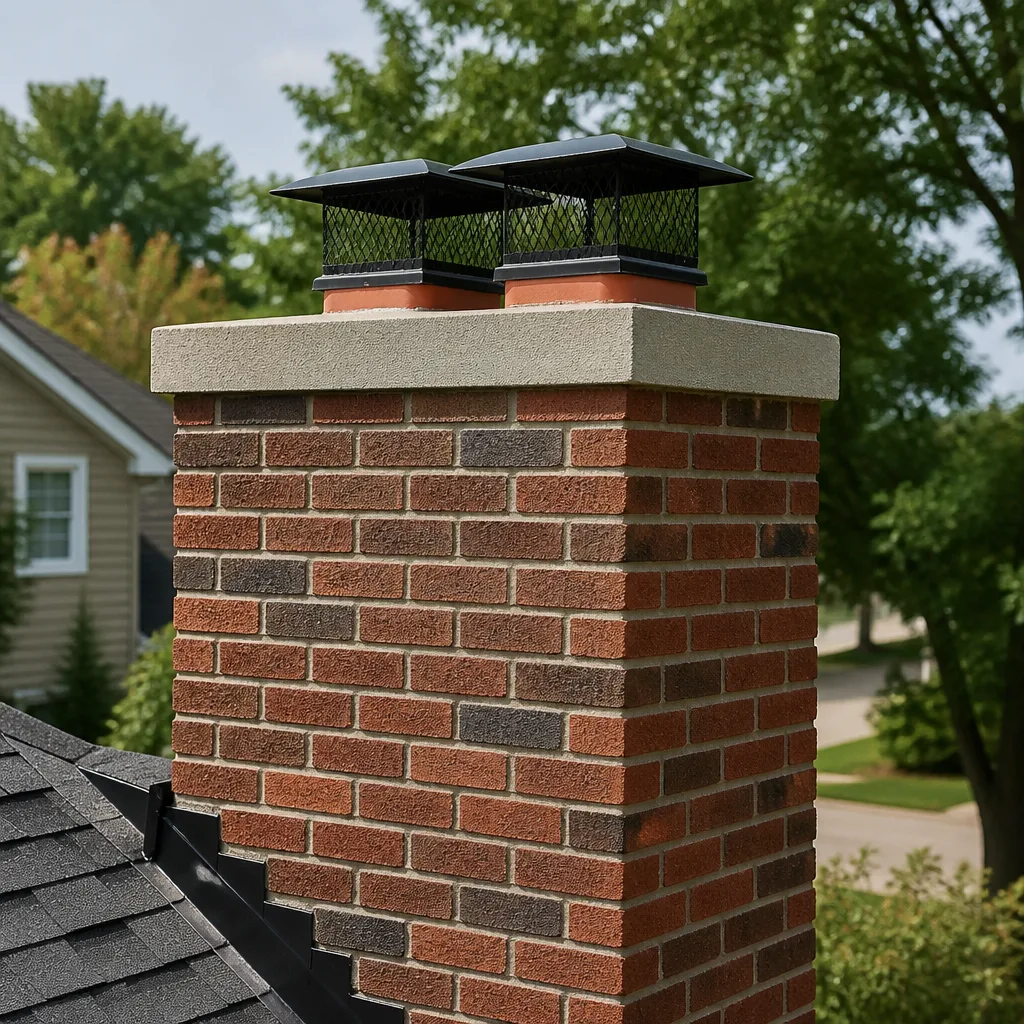
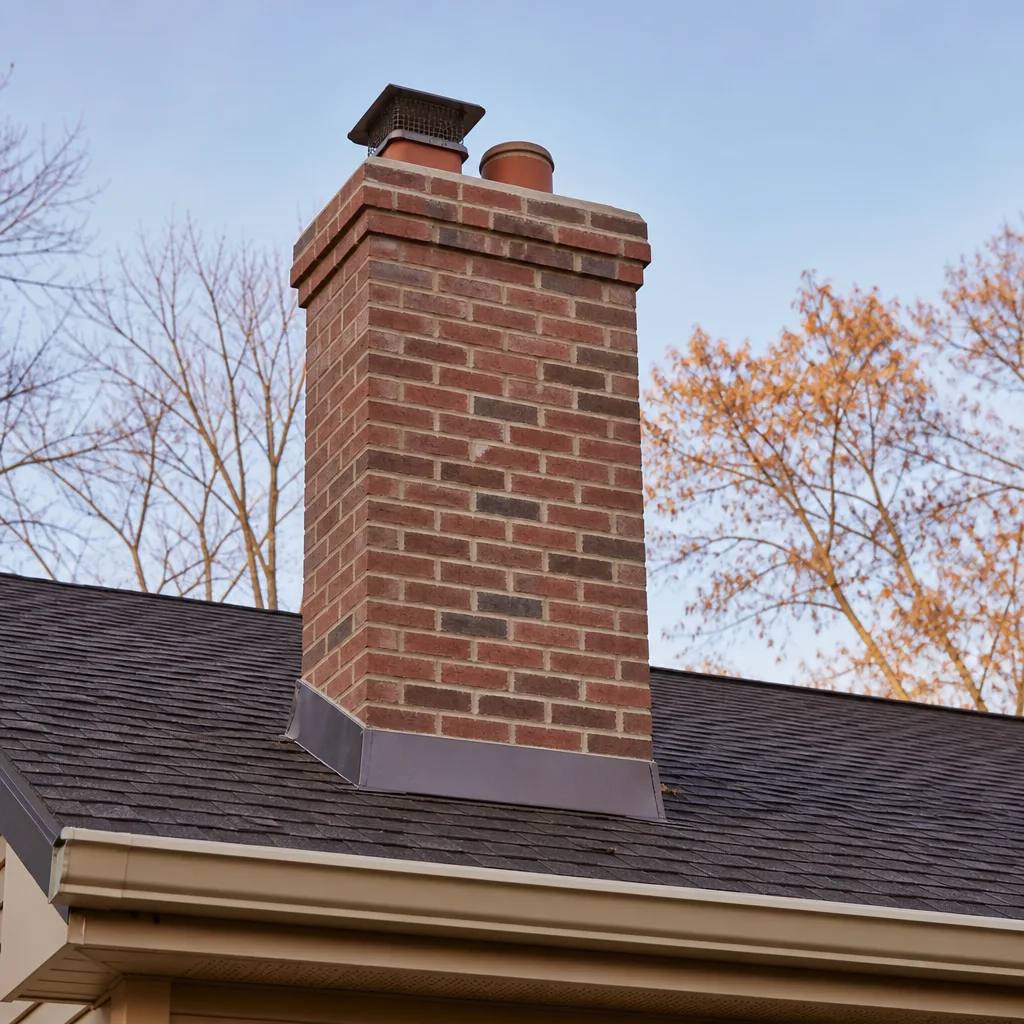
Level 1 sweep and inspection to the NFPA 211 annual standard - flue, crown, cap, and flashing checked and photographed
Chimney sweep logs do not sweep chimneys. They loosen some creosote - which then falls where a brush and vacuum still have to collect it.
Flue relining
 Before
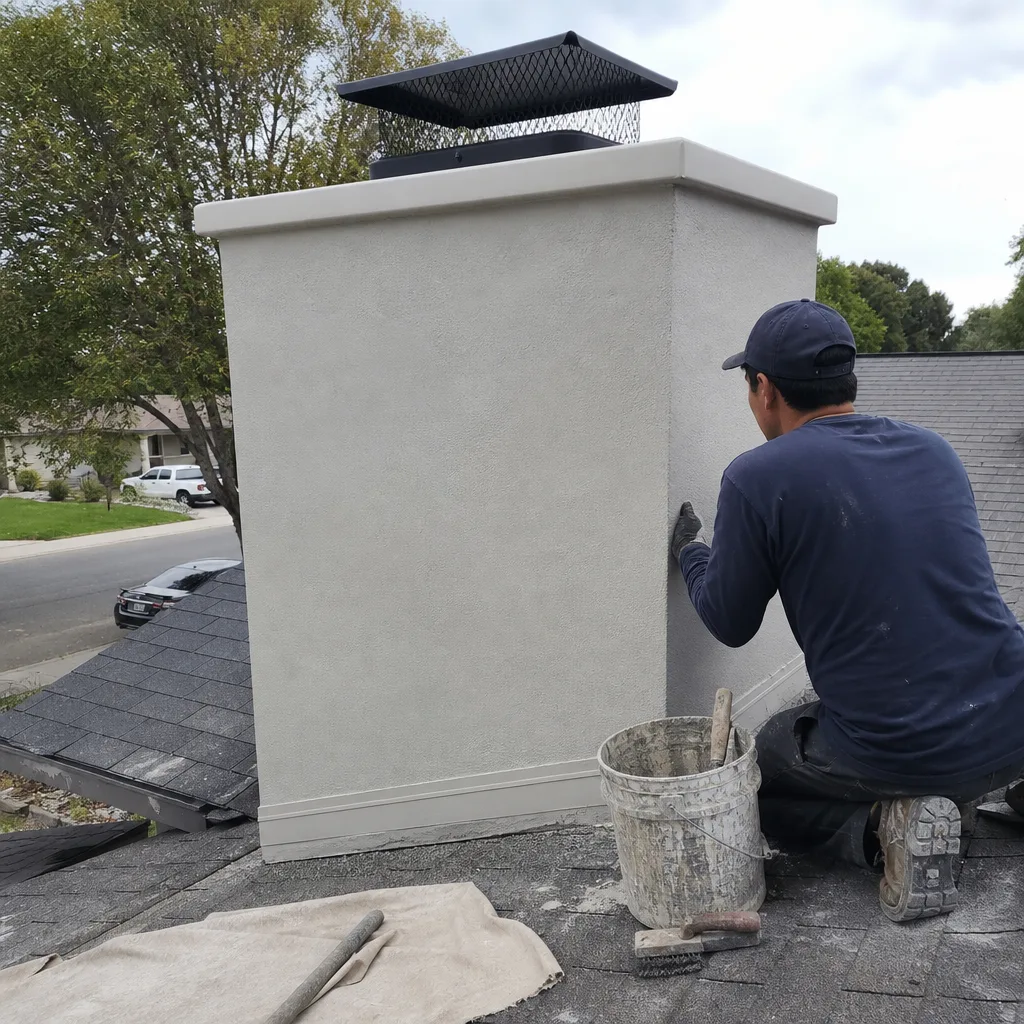 After
After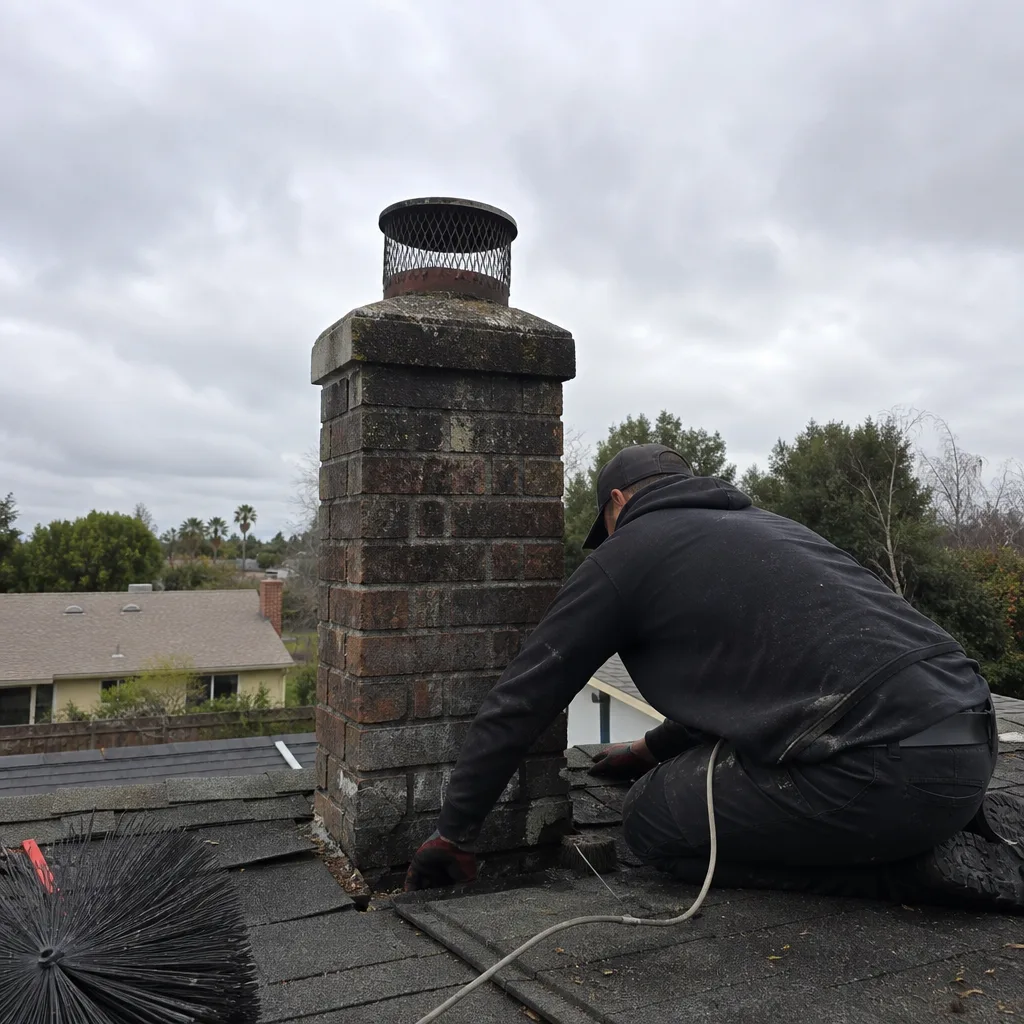 Before
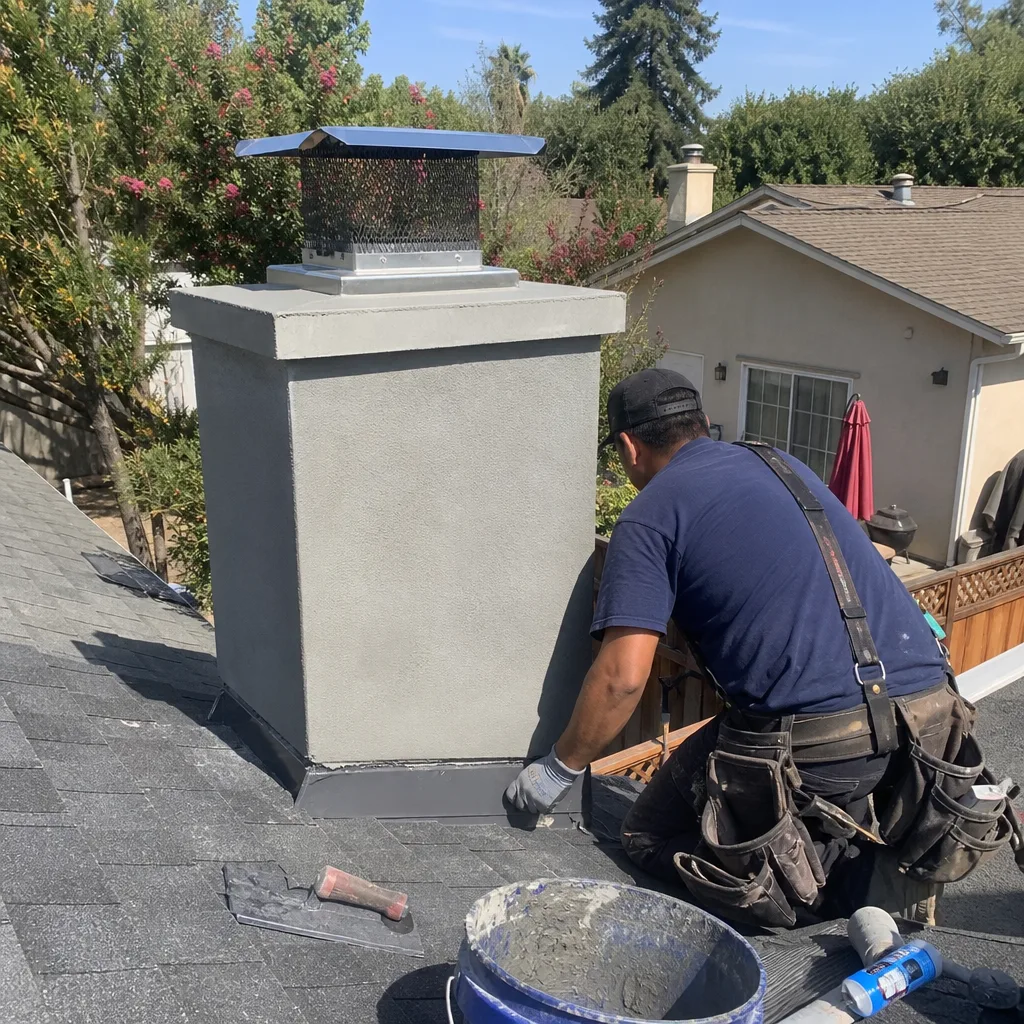 After
After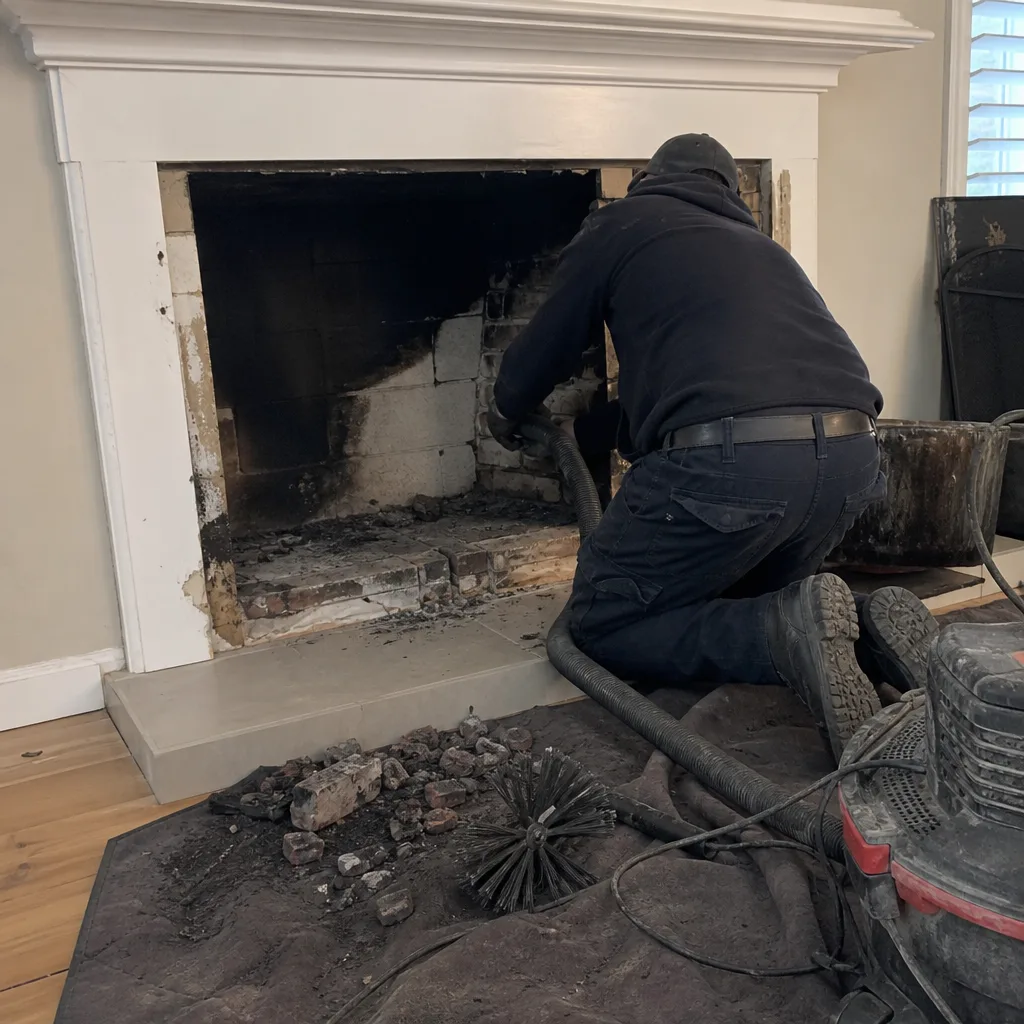 Before
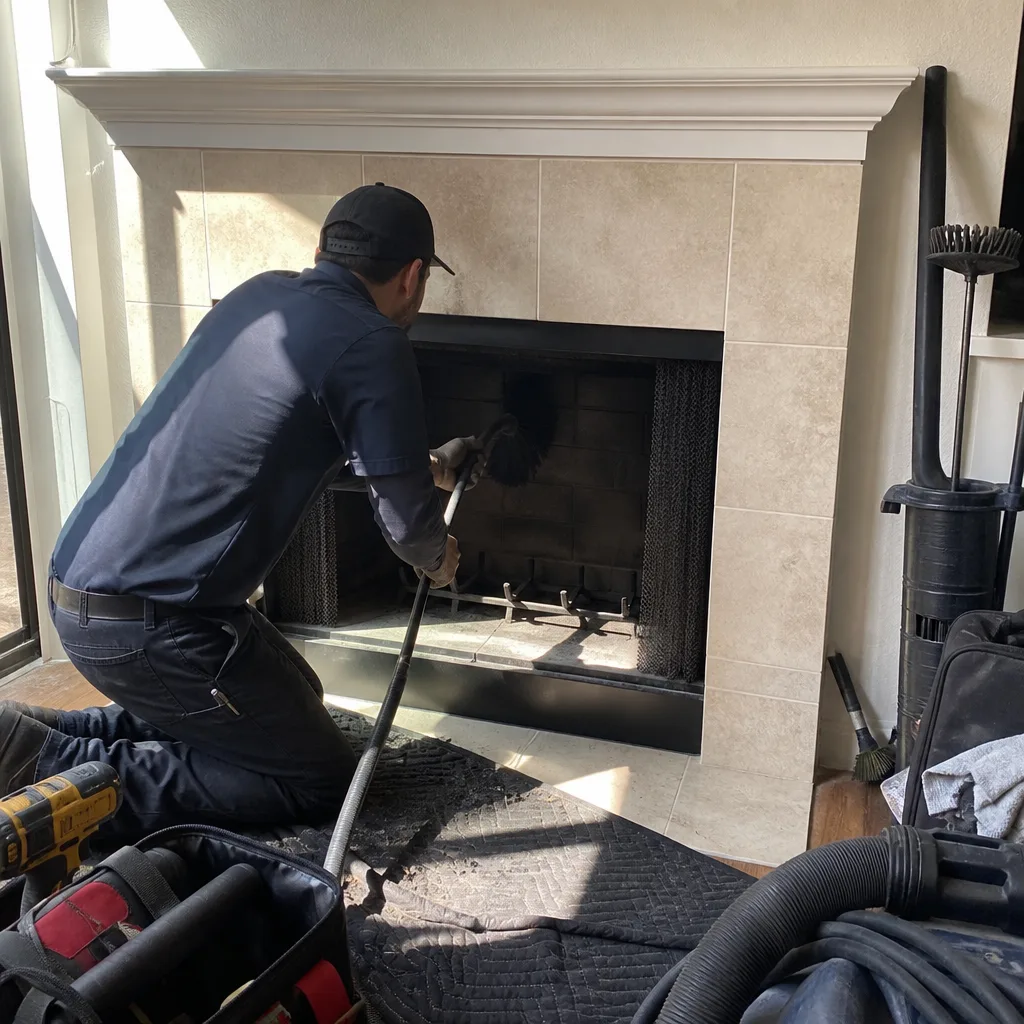 After
AfterFireplace Cleaning in San Jose, CA
Our Chimney Cleaning & Sweep services in San Jose typically run $149-$349 depending on how much creosote has built up, what type of firebox you have, and whether the smoke chamber needs attention. Most appointments take 90 minutes to two hours, and every visit includes a camera-scan inspection and a documented photo record before we leave – no exceptions, no upsells at the door.
At Level Two Chimney San Jose, fireplace cleaning is not a flashlight-and-a-brush visit. Corrine Halstead built this company around the idea that documentation is the service – you get a written price before we start, a named technician who texts when they’re on the way, and a photo archive of the firebox, smoke chamber, and flue liner when we’re done. That practice has been standard here since 2009, and it’s now codified as Clause 4 of the Haven Standard.
If your fireplace has been used this season – or you’re not sure when it was last cleaned – call us at (669) 291-2770. A live person picks up 24/7. Or read through what follows if you want to know exactly what you’re paying for before you book.
Fireplace cleaning is a core part of our Chimney Cleaning & Sweep in San Jose service, and this page covers the firebox-specific work: what we clean, how we price it, and what the documentation looks like when we hand it back to you.
When You Need Fireplace Cleaning
San Jose’s climate plays a role here that a lot of homeowners don’t think about. We don’t get the same hard-freeze winters as the Sierra foothills, so many residents in Willow Glen, Almaden Valley, and the Rose Garden neighborhood run their fireplace sporadically – a handful of times in December and January, maybe a few more during the cold snaps that roll in off the bay. Sporadic burning at low temperatures is actually one of the faster ways to accumulate Stage 2 creosote, the tarry, sticky layer that clings to the smoke chamber and flue walls and resists a standard brush.
You need fireplace cleaning if any of the following applies:
- You smell smoke inside the room when the fire is burning. This usually points to a blocked or heavily coated flue, a draft problem, or a smoke chamber packed with creosote residue – all things a cleaning addresses directly.
- There’s visible black or grey residue on the firebox walls or damper. A thin grey ash layer is normal. A shiny or oily black coating, or a layer that flakes off in sheets, is Stage 2 or Stage 3 creosote and needs to be removed by a professional before the next fire.
- You’ve burned more than a cord of wood this season (or roughly 80 fires, whichever comes first). The NFPA 211 standard recommends cleaning at least annually for regularly used fireplaces – more often with heavy use.
- You bought the home and have no records of the last service. We see this constantly in San Jose’s Cambrian Park and Blossom Hill neighborhoods, where homes from the 1970s and 1980s change hands and the fireplace records don’t transfer. A camera scan will tell us exactly what’s in there.
- There’s debris, nesting material, or a musty smell coming from the firebox. Starlings and squirrels find their way into San Jose chimneys during the spring nesting season. If you’re detecting an animal smell or pulling out nesting material, the firebox needs to be cleaned and inspected before the chimney is used again.
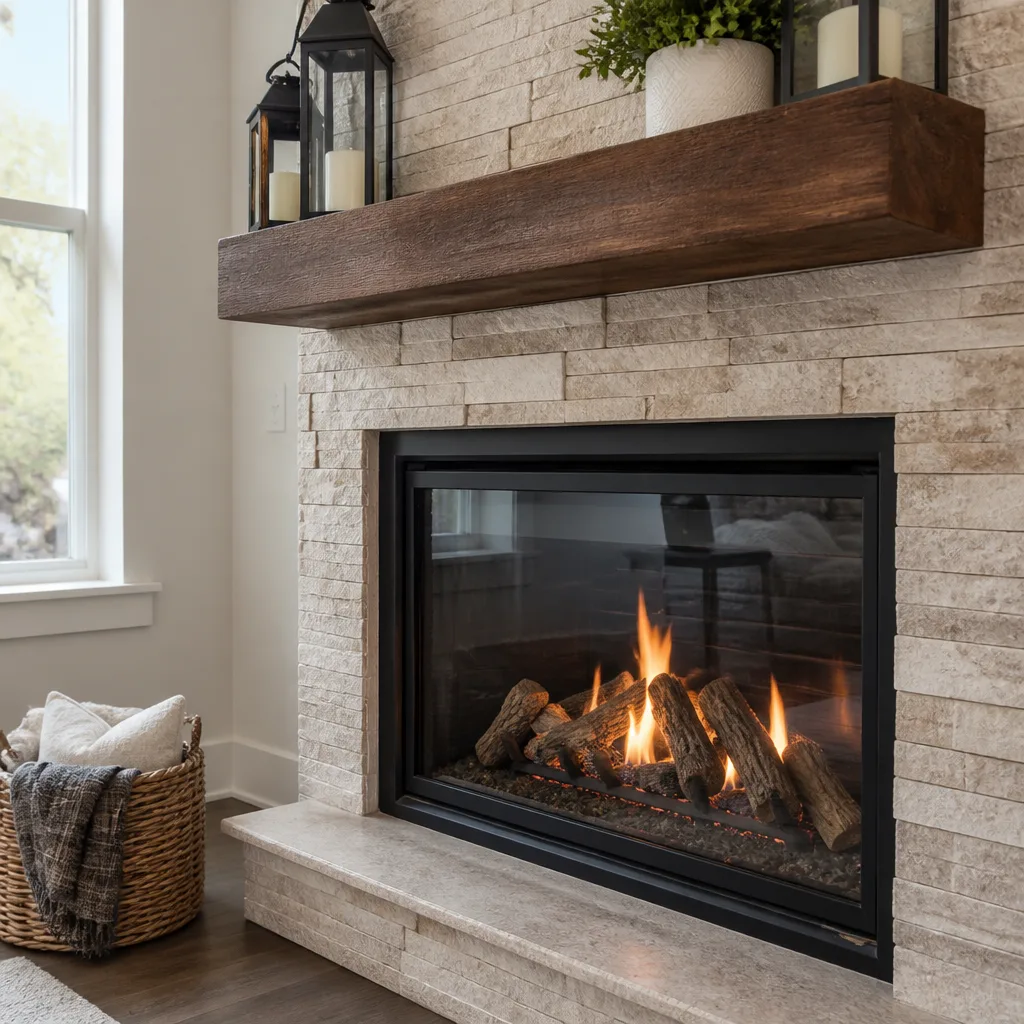
- Your gas fireplace pilot is on, but the glass is clouding or the burner is producing soot. Gas fireplaces still accumulate deposits on the glass, burner ports, and log set. A cleaning every two to three years keeps combustion clean and the unit running at rated efficiency.
Our Fireplace Cleaning Process
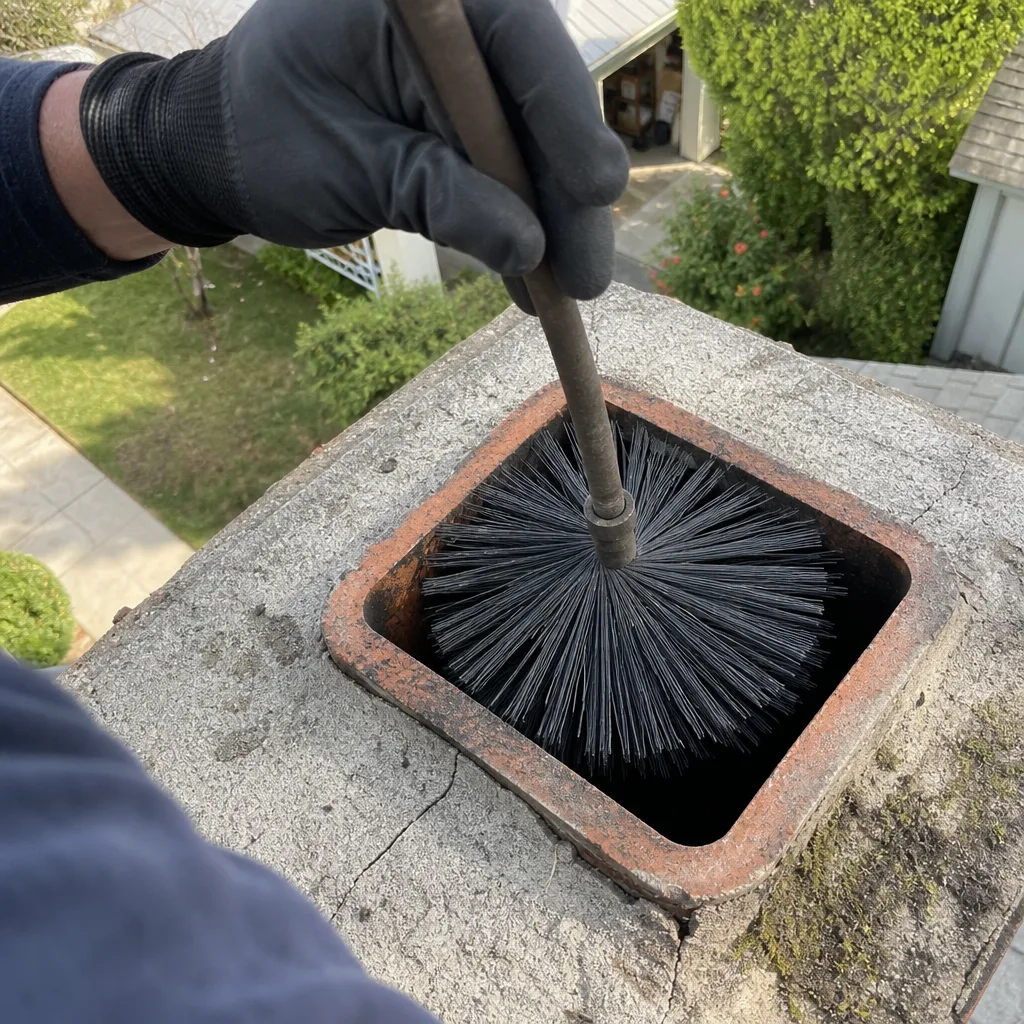
Here is exactly what happens during a Level 2 Inspection fireplace cleaning visit, in order. Nothing here is a surprise – this sequence is what every technician follows on every job.
- Written price and scope delivered before work starts. Haven Standard Clause 1 – H.A.V.E.N. “Have it in writing” – means you receive a written price, written scope, and written warranty before the technician opens a single tool case. If the camera scan turns up something that changes the scope, we stop, show you the footage, and revise the written price before continuing. No verbal add-ons mid-job.
- Drop cloths and containment setup. The technician puts down heavy-duty drop cloths from the firebox opening across the floor and seals the firebox with a vacuum containment panel before any brushing begins. San Jose homes – especially the older craftsman and ranch-style houses common in Willow Glen and the Naglee Park area – often have original hardwood floors that we treat accordingly.
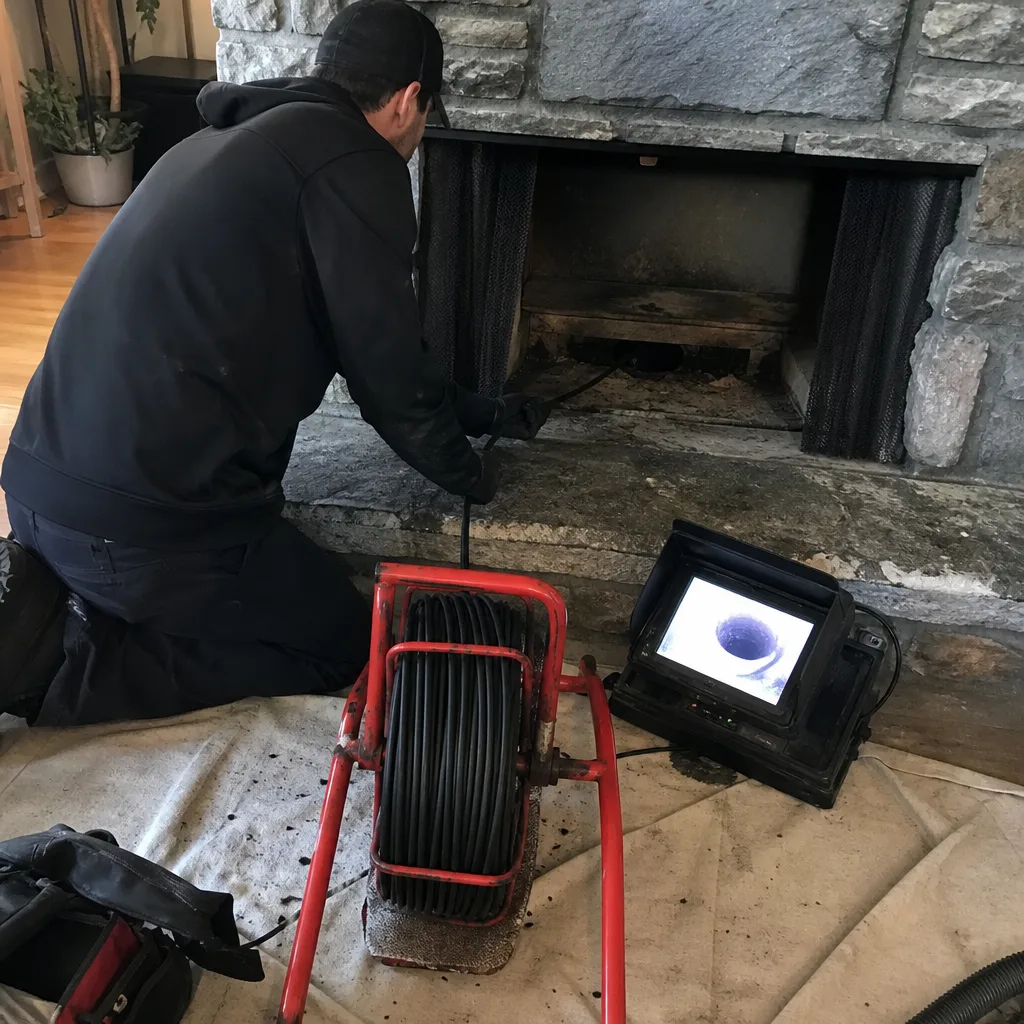
- Camera-scan inspection of the flue and firebox. We run a camera down the flue liner before brushing, not after. This gives us a baseline: we document the creosote class, the condition of the smoke shelf, damper plate, and liner, and flag anything that needs repair. This is an NFPA 211 Level 2 scan, and the footage is part of the documented photo record you receive at the end of the visit.
- Firebox and smoke chamber cleaning. The technician brushes the firebox walls, smoke shelf, and smoke chamber with rotary brushes sized for your flue diameter. For Stage 2 deposits, we apply a chemical conditioning agent approved for the liner type – often sourced through our supply network from Olympia Chimney or Gelco – before mechanical brushing. This breaks the bond between the tarry creosote layer and the liner surface, so the brush removes the deposit rather than just smearing it. All debris drops into the containment and is vacuumed out.
- Damper and firebox component inspection. With the firebox clear, the technician inspects the damper plate for warping or corrosion, checks the firebox refractory panels for cracks, and examines the smoke shelf for standing water damage – a real concern in San Jose during winter rain events, when cap failures allow water to pool on the smoke shelf and erode the masonry below. Any findings are photographed and noted in writing.
- Documented photo record and written report handed to you before we leave. Under Clause 4 of the Haven Standard, every job produces a photo archive: before and after images of the firebox, smoke chamber, flue liner condition, and any findings. You get a copy. It goes into your home’s service file. If you sell the house, you have proof of maintenance. If your insurer asks, you have documentation. The record is yours.
 Before
 After
AfterFireplace Cleaning Pricing in San Jose
Fireplace cleaning in San Jose ranges from $149 to $349 for the large majority of residential jobs. Here’s how the price breaks down by situation:
| Service Situation | Typical Price Range |
|---|---|
| Standard wood-burning fireplace, light to moderate creosote (Stage 1) | $149 – $199 |
| Wood-burning fireplace, Stage 2 creosote (tarry, sticky deposits) | $199 – $279 |
| Stage 2 creosote with chemical conditioning agent required | $249 – $329 |
| Gas fireplace cleaning (glass, burner ports, log set) | $149 – $229 |
| Heavy buildup, smoke chamber parge or repair needed (quoted separately after camera scan) | $299 – $349+ (cleaning portion) |
A few factors move the number within those ranges:
- Creosote classification. Stage 1 (dry, flaky) comes off cleanly with a standard brush pass. Stage 2 (tarry, sticky) requires chemical conditioning before mechanical removal. Stage 3 – which we occasionally see in San Jose homes where a fireplace was used heavily with unseasoned wood and never cleaned – can involve more involved methods and is always quoted specifically after the camera scan.
- Flue diameter and height. Taller chimneys common in Almaden Valley two-story homes require more brushing time. Oversized flues on older masonry fireplaces take longer than factory-built units.
- Last service date. If a fireplace hasn’t been cleaned in three or more seasons, deposit layers compound. The camera scan shows us exactly what’s there before we quote the job.
- Gas versus wood-burning. Gas fireplace cleaning focuses on glass panel removal and cleaning, burner port clearing, and log set inspection. It’s less physically demanding than Stage 2 creosote removal but still requires the documented inspection step.
Every price is written before work begins. If the camera scan shows something that changes the scope – a cracked refractory panel, a failed damper plate, a liner breach – we stop, show you what we found, and give you a revised written price. You decide whether to proceed. No pressure, no surprise invoice at the end.
We also offer a Free Second Opinion on any written estimate from a competitor. Bring us the written quote and we’ll look at the same fireplace and tell you what we see – documented, in writing.
Call (669) 291-2770 to get a written estimate. Estimates are free and a live person answers.
What Stage 2 Creosote Means – and Why San Jose Fireplaces Accumulate It
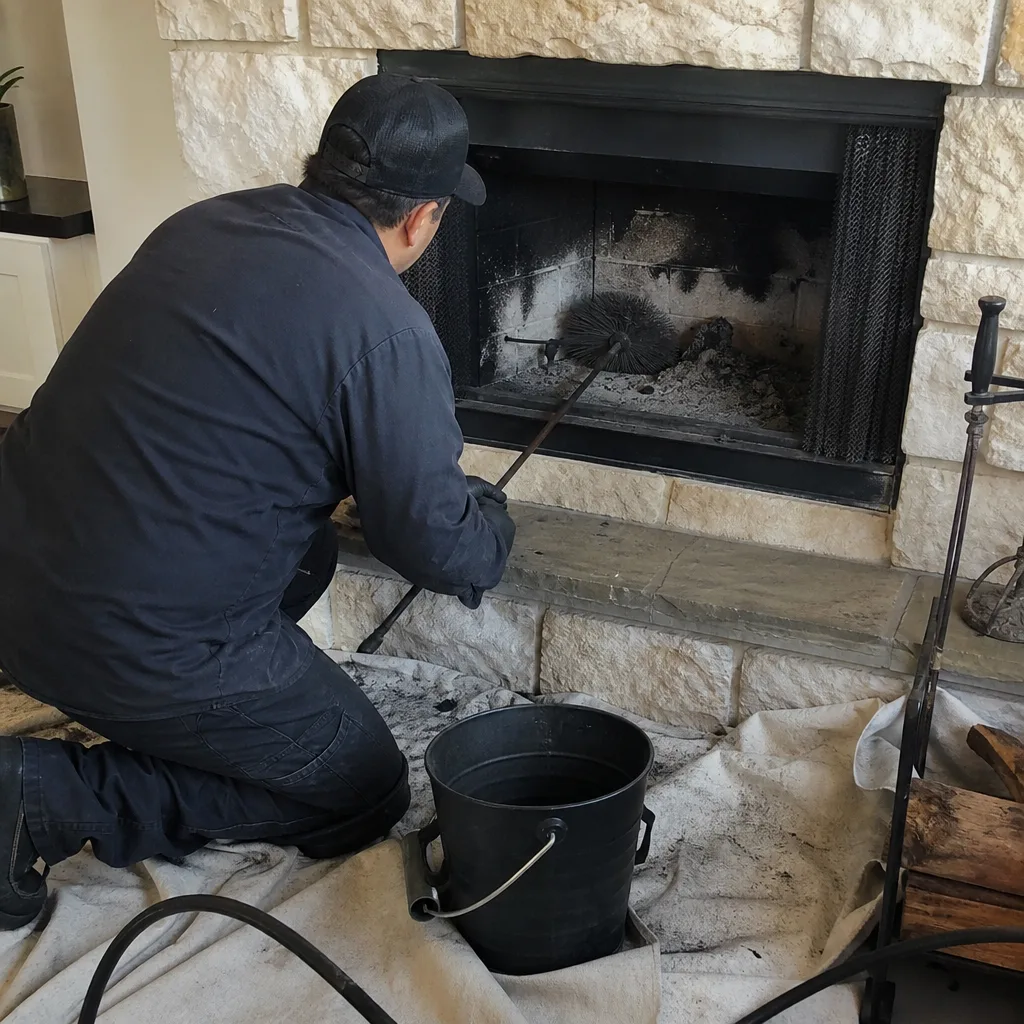
We bring this up because it’s the finding that catches most San Jose homeowners off guard. Creosote is a byproduct of wood combustion – every wood-burning fireplace produces it. The class of creosote depends on how hot the fire burns and how completely the wood combusts.
Stage 1 creosote is dry and flaky. It brushes out cleanly.
Stage 2 creosote is a tarry, shiny layer that forms when fires burn at lower temperatures or when wood isn’t fully seasoned – both very common in San Jose’s mild climate, where residents often burn small, low-intensity fires on cool evenings rather than sustained hot fires for heat. It bonds to the liner surface and doesn’t brush off cleanly without Soot Removal chemical pre-treatment. Left in place, it’s a fire hazard: Stage 2 creosote ignites at significantly lower temperatures than Stage 1 and burns with enough intensity to damage a flue liner or start a structure fire.
This is not urgency language – it’s the reason the NFPA 211 standard exists. A camera scan shows us the class of deposit before we brush a single pass. If it’s Stage 2, you’ll see the footage yourself, and the written price will reflect the chemical conditioning step. If it’s Stage 1, you’ll see that too, and the price will reflect a standard cleaning.
The safety note that belongs here: if you’re seeing a shiny black coating inside your firebox, do not use the fireplace until a professional has assessed and cleaned it. A chimney fire in a compromised flue liner is a structural event, not just a chimney problem.
Gas Fireplace Cleaning in San Jose
Gas fireplaces don’t produce creosote, but they do accumulate deposits – on the tempered glass panel, the burner ports, the log set, and the thermocouple. We see this in a lot of San Jose homes built between 1995 and 2010, which often came with factory-installed direct-vent or B-vent gas inserts as the primary living room heat source.
Over time, the glass develops a white haze (calcium and silica deposits from combustion gases) or a sooty film (typically indicating incomplete combustion). The burner ports accumulate dust and debris, which alters the flame pattern and can cause elevated CO output. A cleaning involves removing the glass panel, cleaning it with appropriate glass cleaner rated for the unit, clearing the burner ports, inspecting and cleaning the log set, and testing ignition and thermocouple function after reassembly.
The documented photo record applies here too. Before and after images of the burner, glass, and log condition are part of what you receive when the technician is done.
Gas fireplace cleaning in San Jose runs $149 to $229 depending on unit size and deposit level.
The Haven Standard and What It Means on This Job
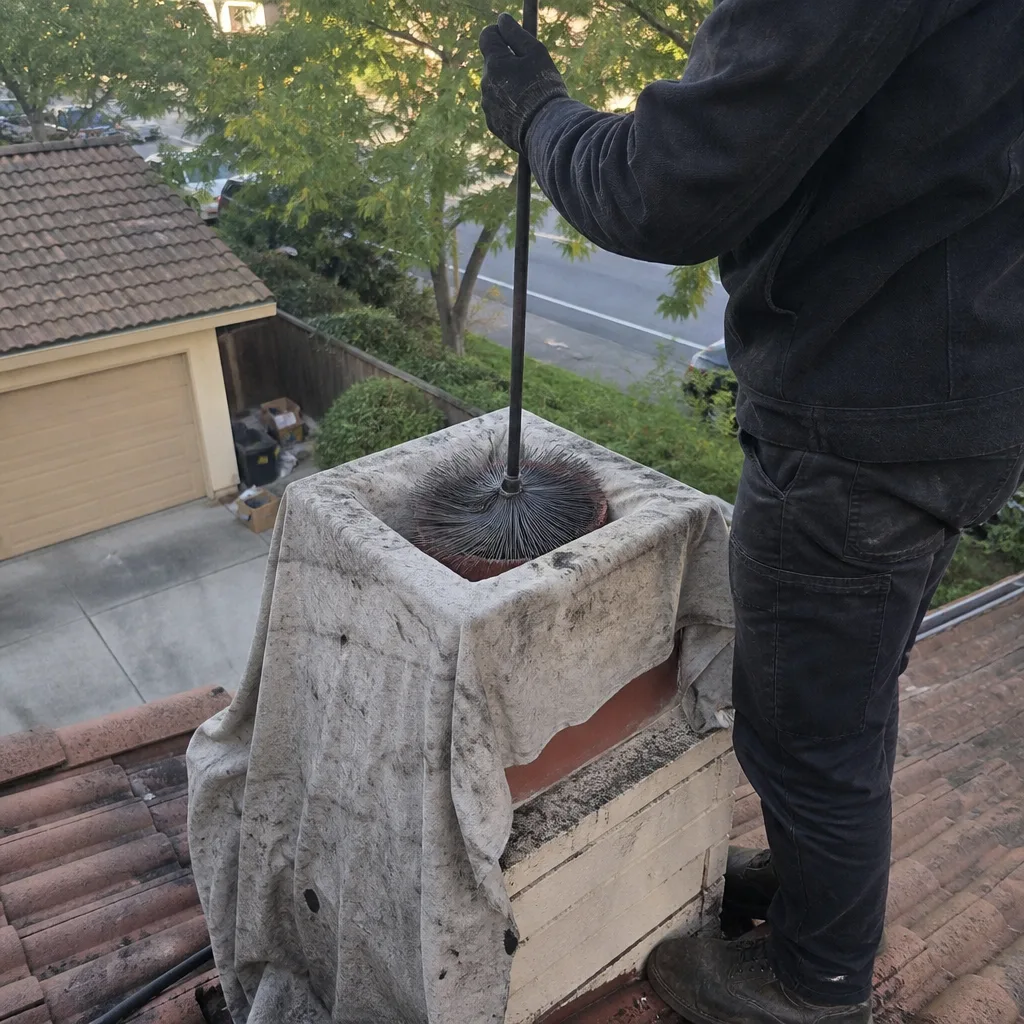
Every fireplace cleaning at Level Two Chimney San Jose runs under the Haven Standard. The clauses that apply directly to this service:
- Clause 1 – “Have it in writing”: Written price, written scope, written warranty before work starts. No exceptions.
- Clause 4 – Documented photo record: Before and after camera scan footage and photos, provided to you at the end of every visit. This has been standard since 2009 – it’s not an add-on.
- 365-Day Done Right Promise: If the job isn’t done right, we make it right. Stamped on every completed job.
- Background-checked, uniformed technicians: License information is on every page. Your technician is named before arrival, and you get a text when they’re on the way.
We’ve completed more than 38,000 chimney inspections and cleanings since 2009, every one with a written price before work started and a documented record when it was done. That number matters to us less than what it represents: a consistent process, applied without shortcuts, on every job.
FAQs – Fireplace Cleaning in San Jose
How much does fireplace cleaning cost in San Jose?
Fireplace cleaning in San Jose costs $149 to $349 for most residential jobs. A standard wood-burning fireplace with light creosote buildup typically lands at the lower end of that range. Stage 2 creosote – the tarry, sticky type common in fireplaces burned at low temperatures – requires chemical conditioning before mechanical cleaning and runs $199 to $329 depending on the flue size and deposit thickness. Gas fireplace cleaning (glass, burner ports, log set) runs $149 to $229. The written price is provided before any work starts. Call (669) 291-2770 for a written estimate – it’s free.
How often should a fireplace be cleaned in San Jose?
The NFPA 211 standard recommends cleaning at least once per year for any wood-burning fireplace in active use – or more often if you’re burning more than one cord of wood per season. San Jose’s mild climate creates a specific risk: residents who burn infrequently at low temperatures accumulate Stage 2 creosote faster than those who run sustained, hot fires, because incomplete combustion deposits condense on the cooler liner surface. For gas fireplaces, a cleaning every two to three years is adequate unless the glass is clouding or you’re seeing soot on the log set, which suggests a combustion issue worth addressing sooner.
Can you clean a fireplace the same day in San Jose?
In most cases, yes. We carry a full set of brushes and containment equipment on every truck, and our dispatch covers San Jose and surrounding areas with same-day availability most of the week. The fastest path is to call (669) 291-2770 – a live person answers 24/7 and can tell you what’s available today. If you need a written estimate first, that can be provided before the appointment is confirmed.
Do I need an inspection at the same time as a fireplace cleaning?
At Level Two Chimney San Jose, a camera-scan inspection is included in every fireplace cleaning visit under Clause 4 of the Haven Standard – you don’t add it separately. The camera goes down before brushing begins, so we know exactly what we’re dealing with: creosote class, liner condition, damper function, and smoke chamber integrity. The footage becomes part of your documented photo record. This is not a flashlight look – it’s an NFPA 211 Level 1 Inspection or Level 2 scan, documented and handed to you in writing. There’s no extra charge for the camera scan on a cleaning visit.
Schedule a Fireplace Cleaning in San Jose
If your fireplace hasn’t been cleaned this season – or you’re not sure when it was last serviced – the right move is a camera scan first, not a guess. We’ll show you exactly what’s in the firebox and flue, give you a written price before anyone lifts a brush, and document everything when we’re done. Corrine Halstead and the Level Two Chimney San Jose team are available to take your call right now at (669) 291-2770. A live person answers every call, at any hour. Estimates are free, written, and come with no pressure to proceed.
For the full scope of what we do – cleaning, inspection, repair, liner work, and more – visit our home page or go directly to our Chimney Cleaning & Sweep in San Jose service page.
Written by Corrine Halstead, Owner at Level Two Chimney San Jose, serving San Jose.