
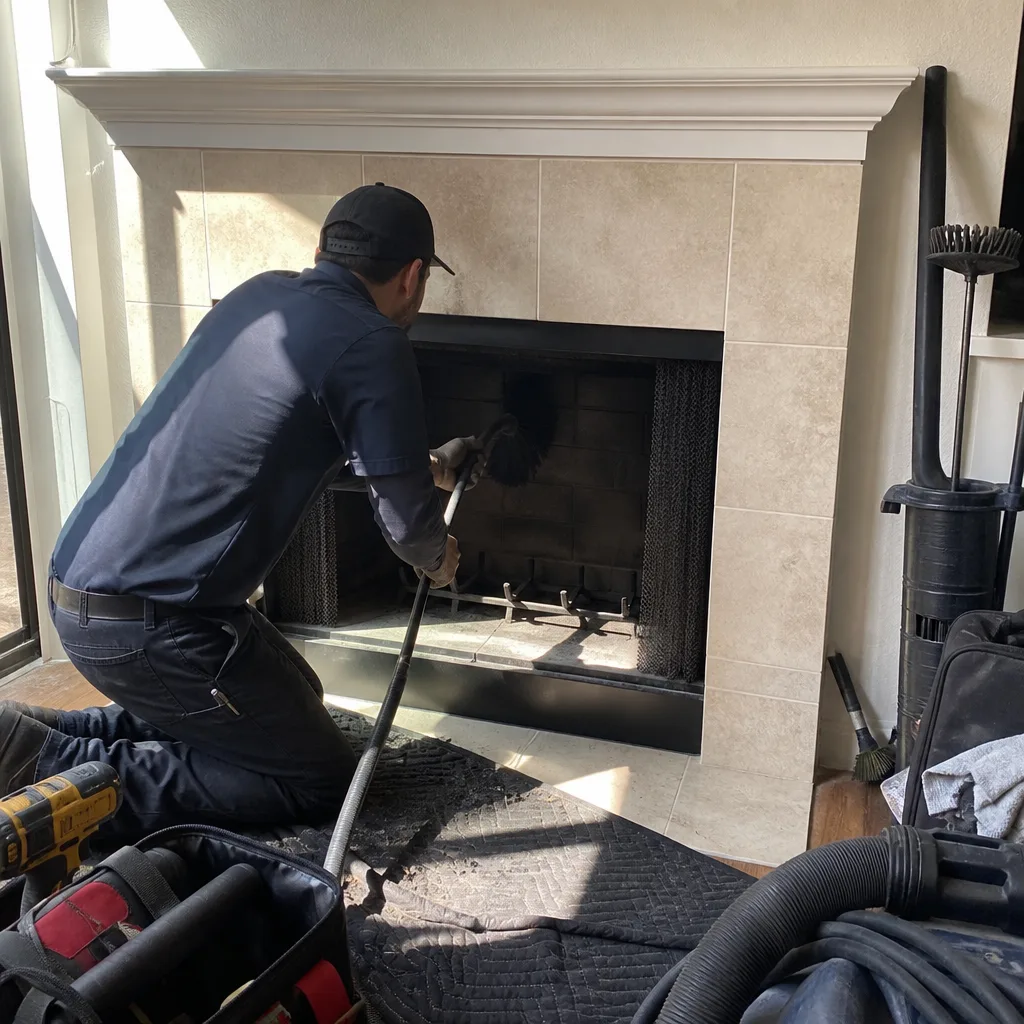
Level 1 sweep and inspection to the NFPA 211 annual standard - flue, crown, cap, and flashing checked and photographed
Chimney sweep logs do not sweep chimneys. They loosen some creosote - which then falls where a brush and vacuum still have to collect it.
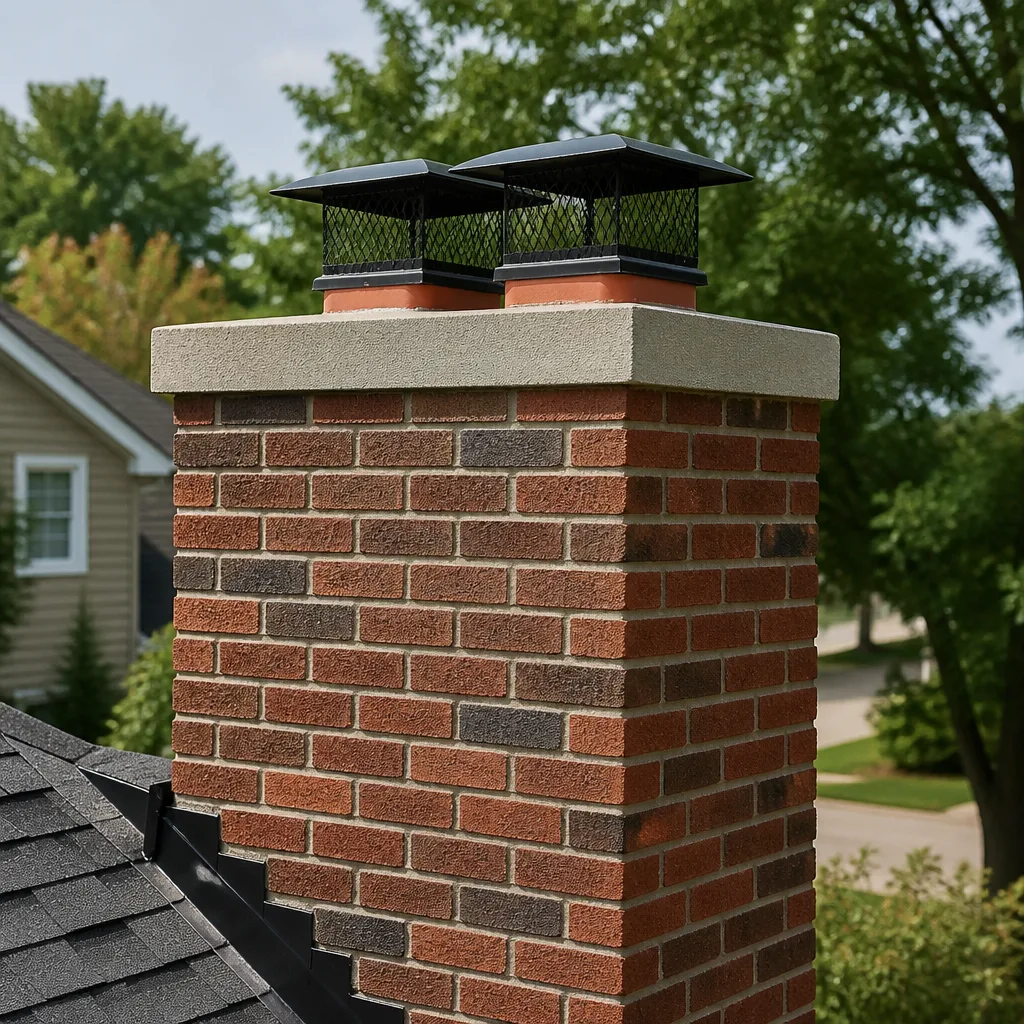
Flue relining
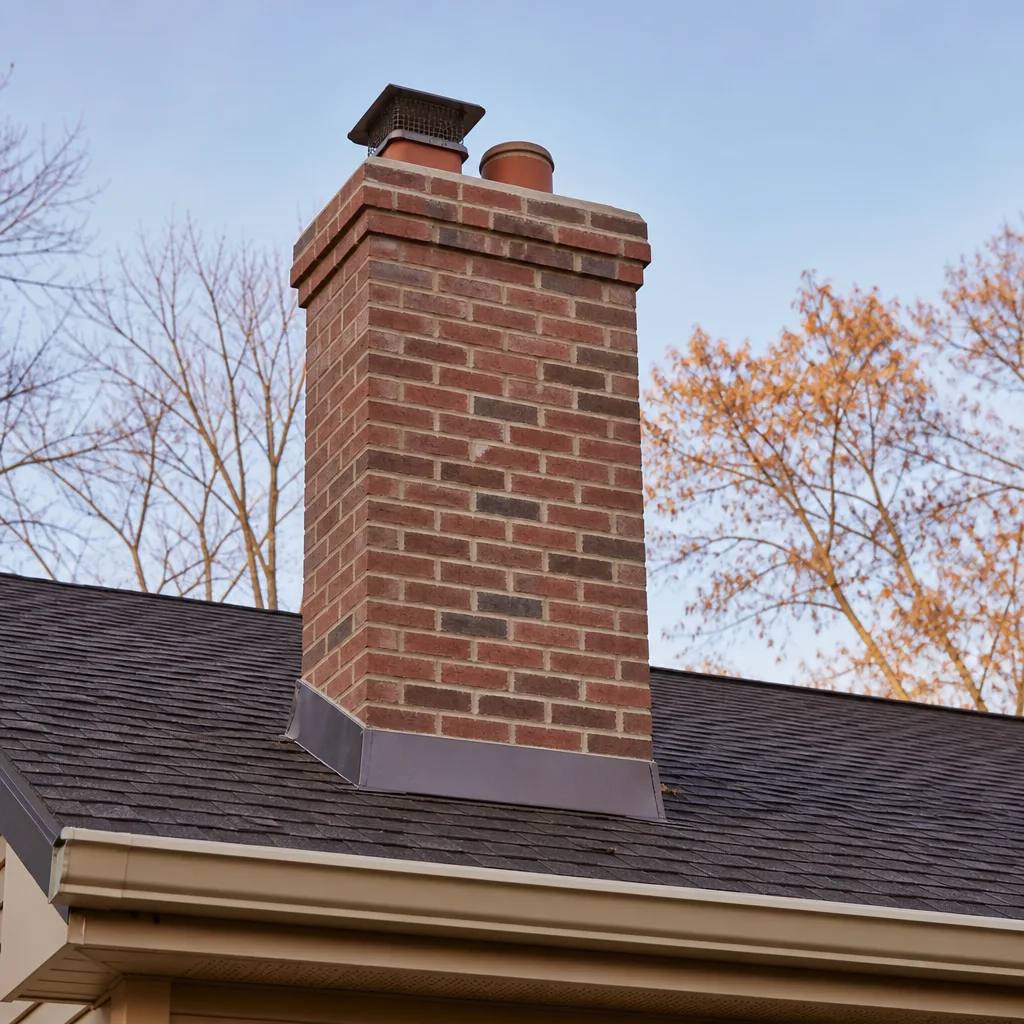
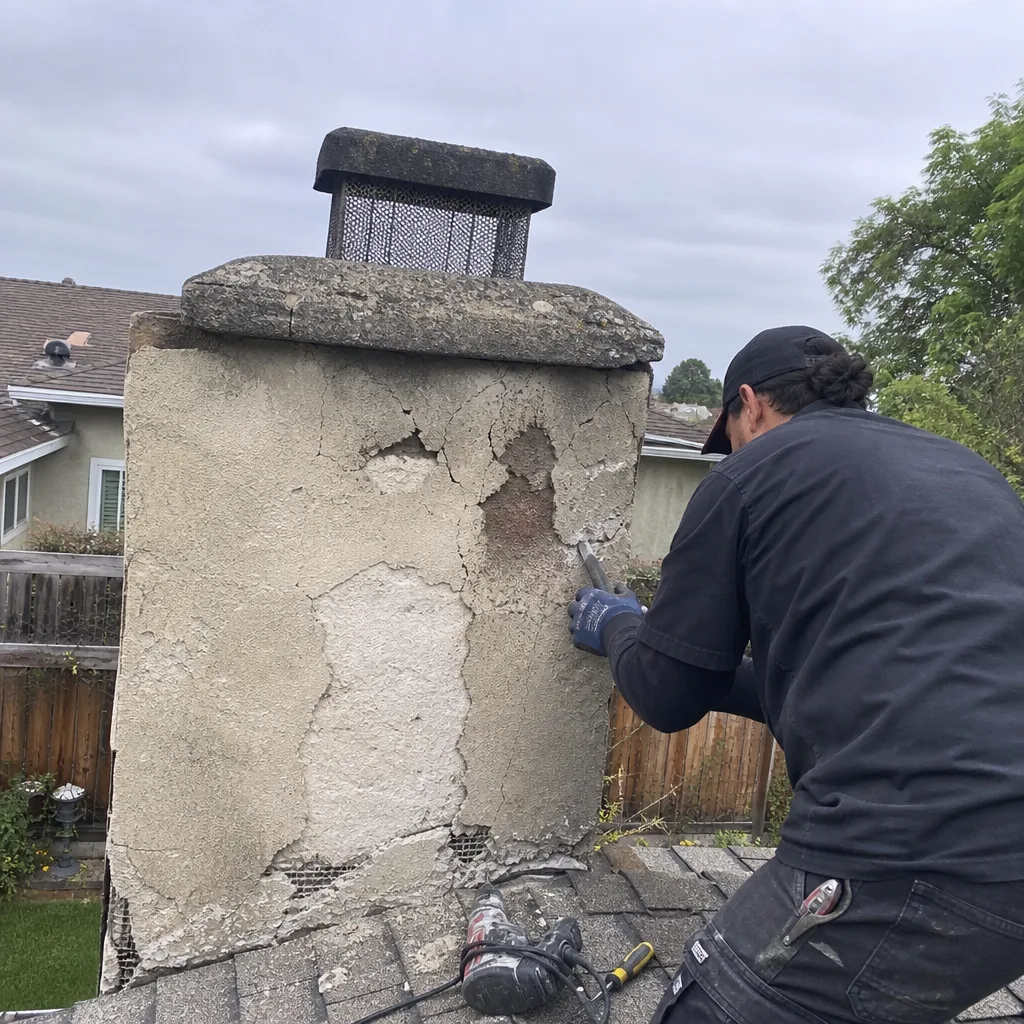 Before
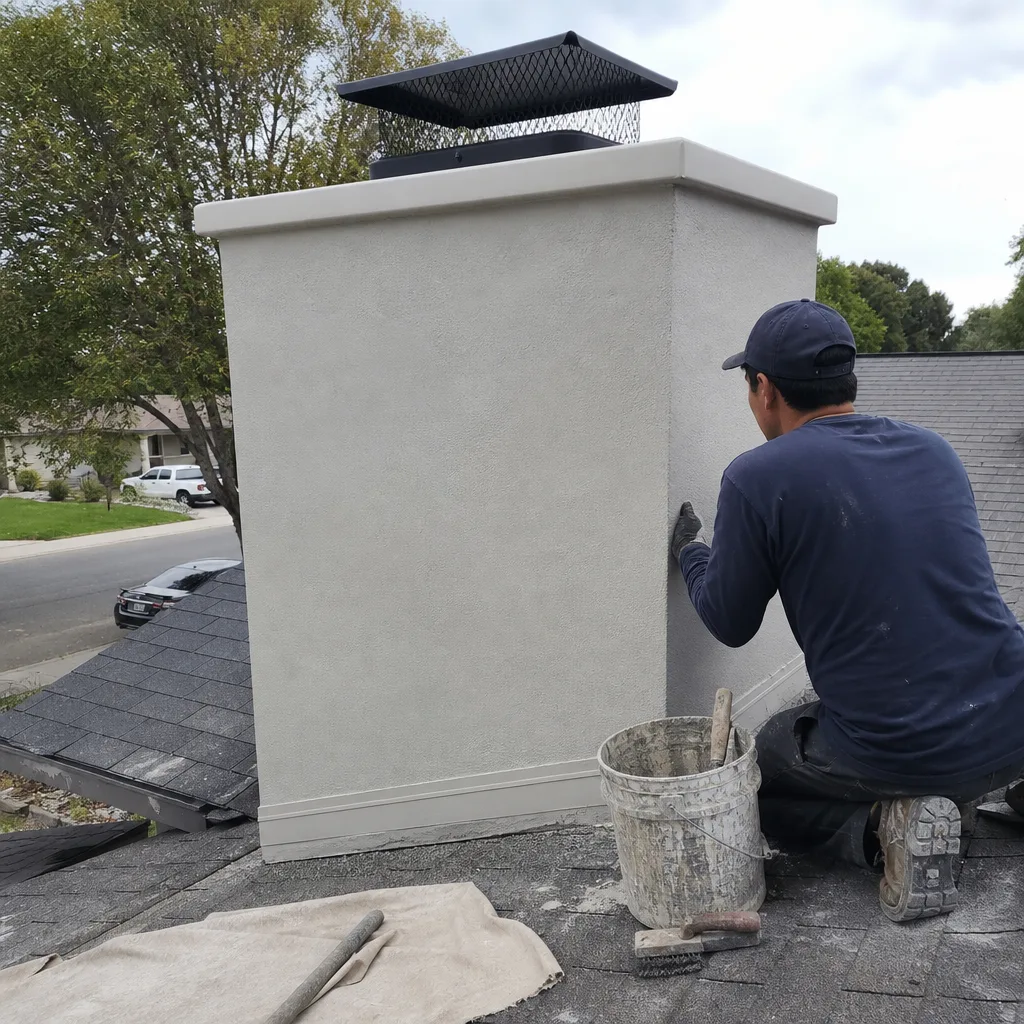 After
After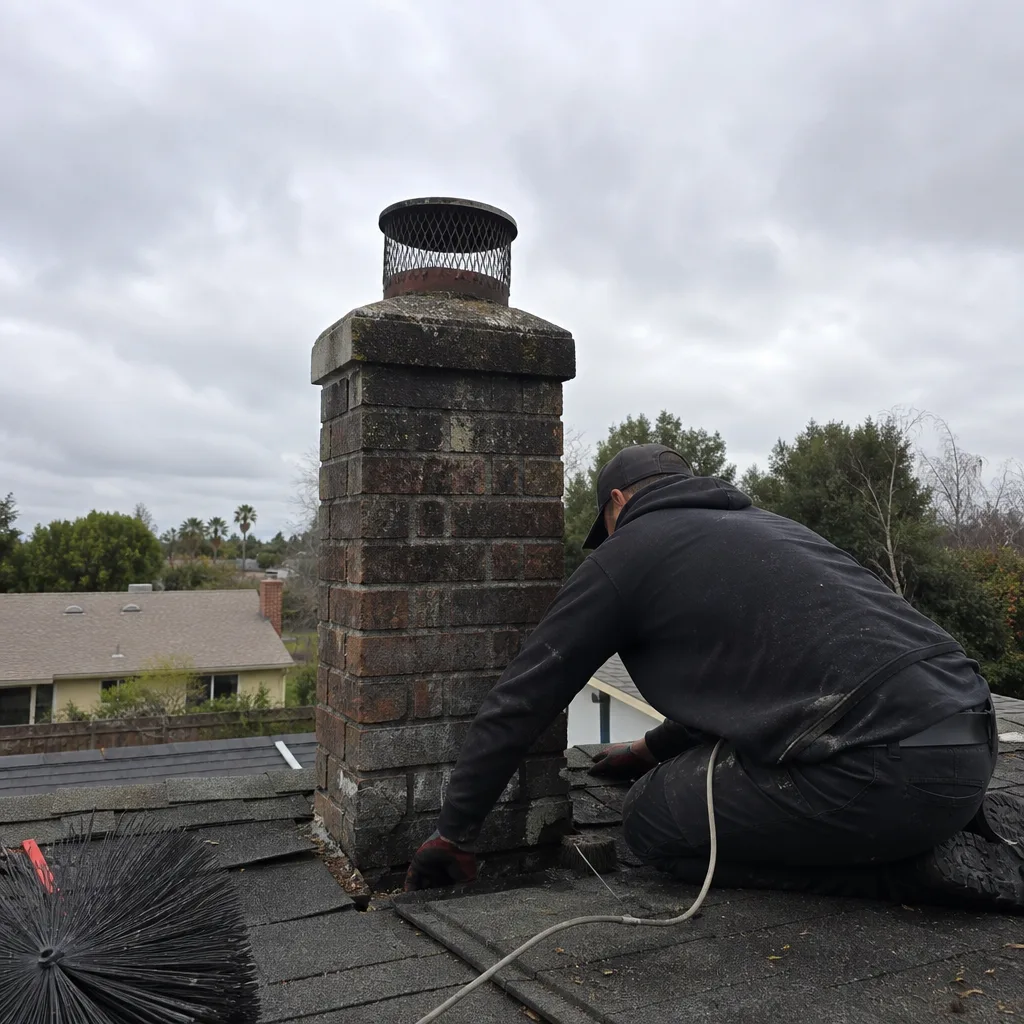 Before
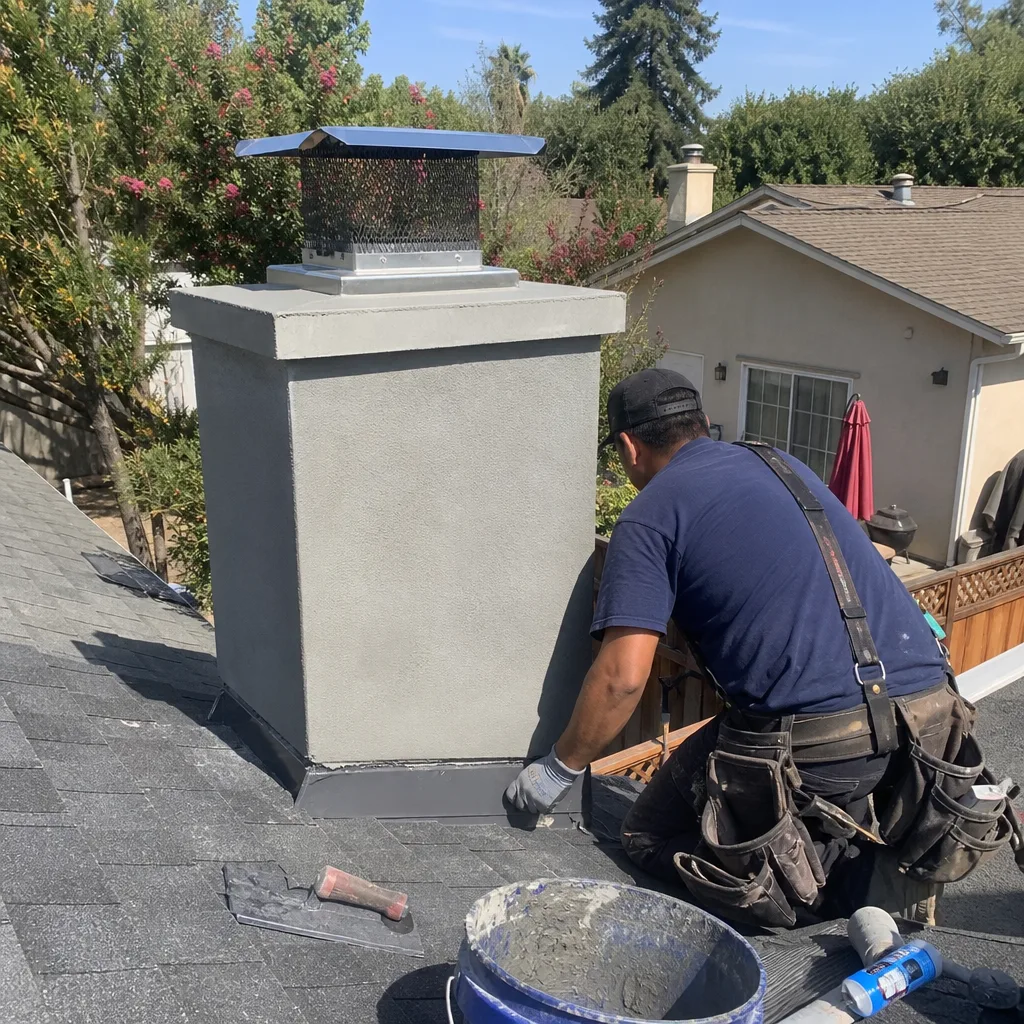 After
After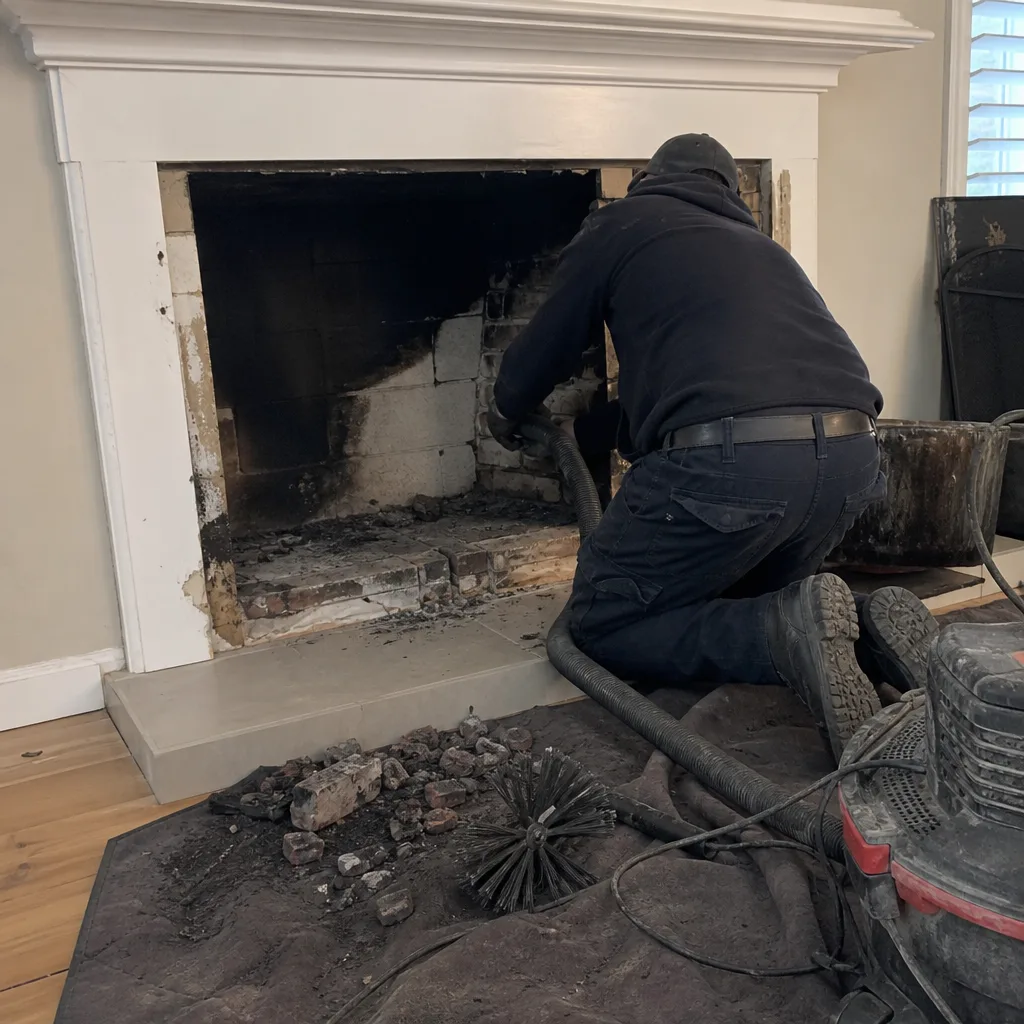 Before
 After
AfterGelco Flue Liner Replacement: The San Jose Owner’s Guide
A Gelco flue liner replacement in San Jose typically runs $2,800-$5,200 installed, depending on the diameter, height of the chimney chase, and whether the existing tee and connector need replacement. We stock Gelco-compatible alloy liners in the common 6″, 7″, and 8″ diameters for direct-vent and solid-fuel applications, and most replacements are completed in a single day once the camera inspection confirms the scope. Level Two Chimney San Jose is an independent service provider, not affiliated with Gelco.
Most San Jose homeowners discover their Gelco liner has failed during a routine sweep or when they spot water staining on the firebox wall after the first heavy rain of November. The camera tells you what it found. The quote tells you what it costs. Everything else is just conversation.
Which Gelco Models This Applies To
Gelco flue liners are manufactured in several alloy grades and wall thicknesses, and matching the replacement to your existing system matters for both safety and warranty coverage. The most common Gelco installations we encounter in San Jose are the 316Ti stainless steel series for wood-burning fireplaces and the AL29-4C alloy series for high-efficiency gas appliances. The model designation is stamped on the top termination collar or the cleanout tee, usually reading something like “Gelco UL 1777” followed by a diameter and alloy code.
If the label is corroded or missing, we measure the inner diameter with a flue gauge and check the wall thickness with a caliper. Gelco’s 316Ti liners run 0.006″ to 0.012″ wall thickness depending on the series, and mixing a thin-wall replacement into a system originally built with heavy-wall can cause draft problems in San Jose’s cooler microclimates like Almaden Valley where chimneys run taller and colder.
We source Gelco-compatible replacements through our Haven buying network alongside DuraFlex and HeatShield options. In most cases, a quality aftermarket 316Ti liner meets or exceeds the original Gelco specification at a lower parts cost. We flag the exceptions: some high-output fireplace inserts require the exact Gelco AL29-4C rating to maintain the appliance warranty, and we’ll note that in writing before you decide.
Signs Your Gelco Flue Liner Replacement Is Failing
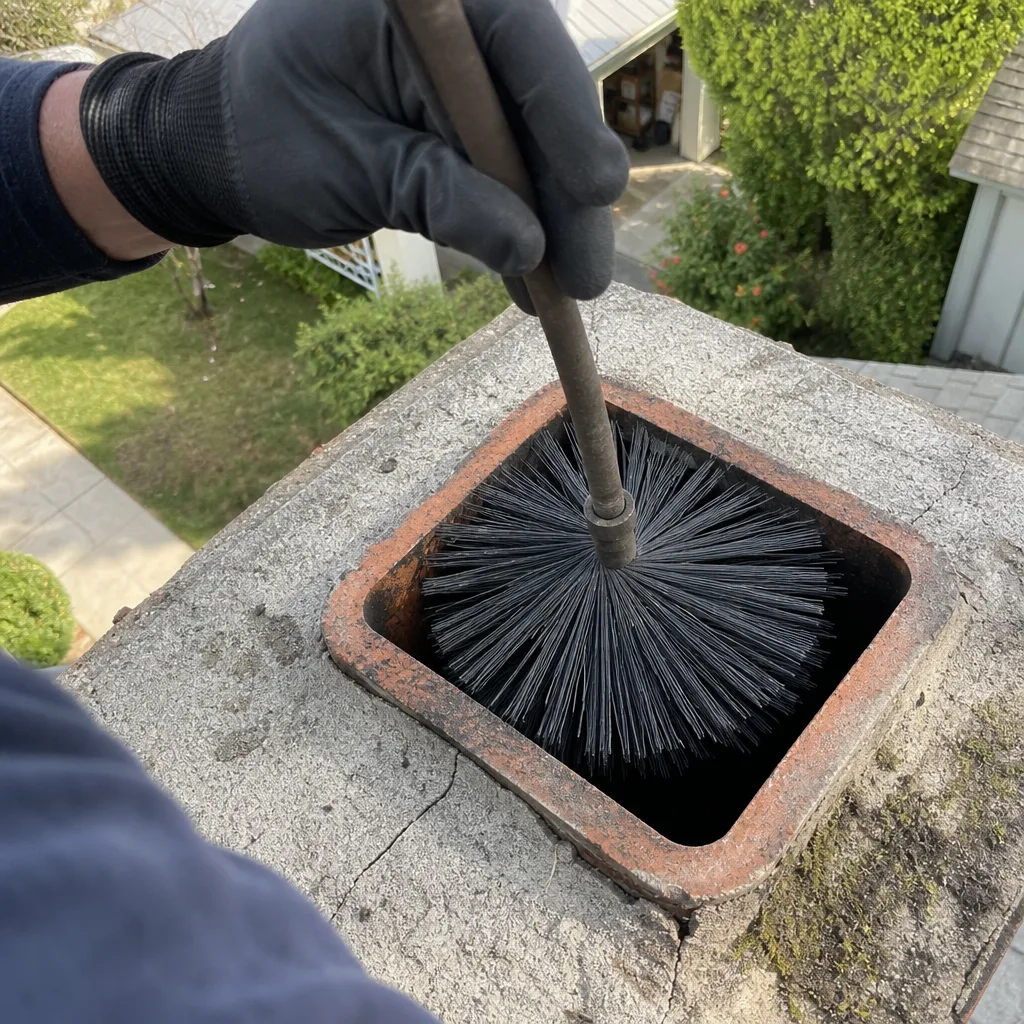
- Water stains or rust streaks inside the firebox. Gelco liners develop pinhole corrosion at the joints where condensate pools, especially in San Jose’s Mediterranean climate where morning fog introduces moisture that lingers in uninsulated exterior chimneys. The stain pattern usually tracks directly below a failed joint or seam.
- Flaking metallic debris in the cleanout or firebox. This is advanced corrosion of the 316Ti alloy, accelerated by burning unseasoned wood or by gas appliance condensate in systems without proper drainage. The flakes are thin, sharp, and magnetic, a simple field test we perform during inspection.
- Draft reversal or smoke spillage on startup. A liner with internal collapse or delamination creates turbulence that kills the stack effect. In Willow Glen’s older bungalows with shorter chimneys, this symptom shows up first because there’s less natural draft to overcome the obstruction.
- White powdery deposits on the exterior masonry. This efflorescence signals that exhaust gases are leaking through liner breaches and condensing inside the brick cavity, carrying soluble salts to the surface. It means the liner is no longer containing combustion byproducts.
- Visible gaps or separation at the tee or termination. Gelco’s slip-fit connections rely on precise engagement; thermal cycling in South Bay sun exposure loosens these joints over 15-20 years. A gap as small as a quarter-inch can admit enough dilution air to prevent proper draft in a tightly sealed modern home.
 Before
 After
AfterReplacement Cost & What’s Included
| Component | Price Range (San Jose) |
|---|---|
| Gelco-compatible 316Ti liner, 6″ × 25′ | $1,400 - $2,000 |
| Gelco-compatible 316Ti liner, 7″-8″ × 25′ | $1,800 - $2,600 |
| Replacement tee, collar, and cap | $380 - $620 |
| Labor: removal, installation, sealing | $1,000 - $1,800 |
| NFPA 211 Level 2 camera inspection | Included |
| Documented photo record | Included |
| Total installed, typical San Jose home | $2,800 - $5,200 |
The range widens with chimney height: a two-story Almaden Valley home with a 35-foot chase runs toward the high end, while a single-story Willow Glen ranch with 18 feet of flue stays lower. Every quote we deliver in San Jose includes the written scope, the written price, and the written warranty before any work begins, Haven Standard Clause 1. Materials come through our Haven buying network specifically to keep customer prices honest.
DIY or Call Us?
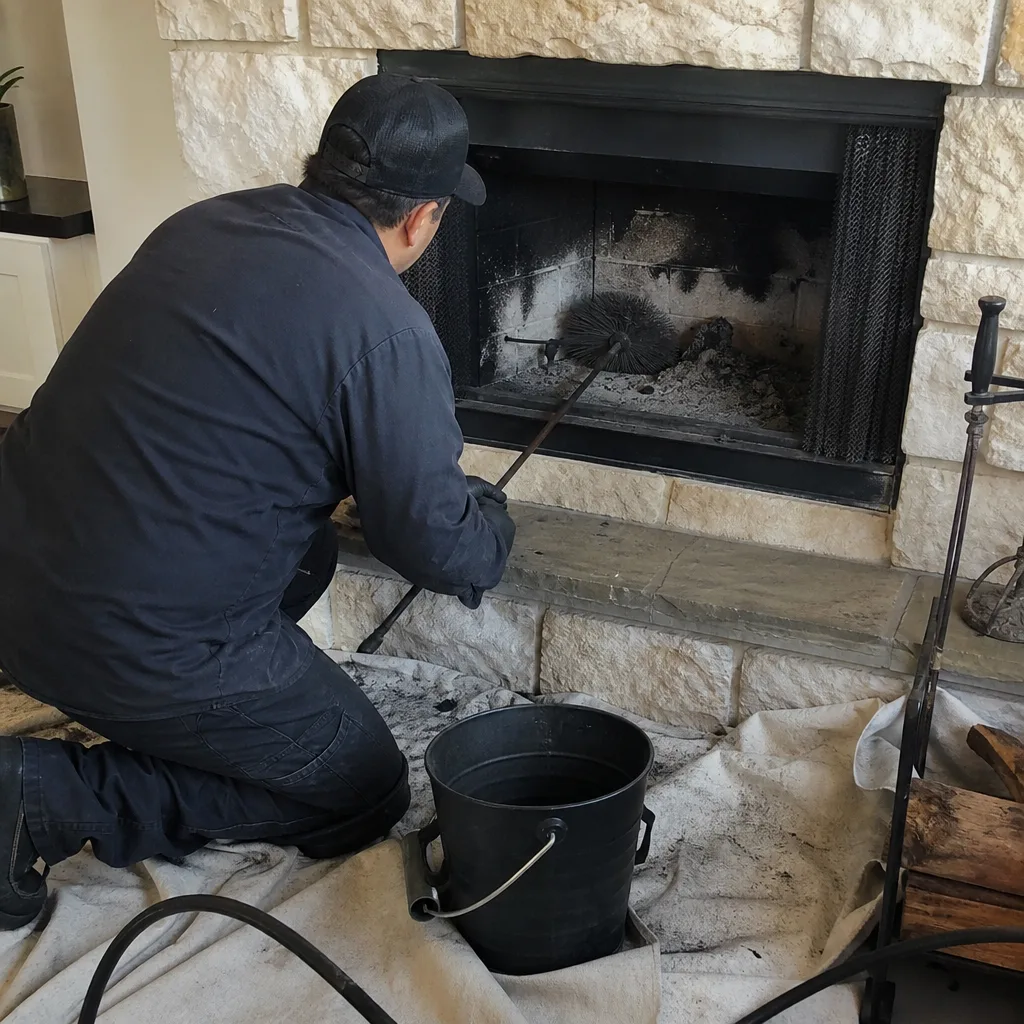
There’s a safe middle ground here, and then there’s the line where it gets dangerous.
An owner can safely confirm the liner diameter with a tape measure, check the cleanout for debris, and photograph any labels for us to review. What you cannot safely do is remove a failed liner from a chimney chase. The liner arrives as a compressed coil and must be pulled upward under controlled tension, often past damaged mortar joints that can snag or collapse. A liner dropped from height damages the chimney structure; a liner that binds mid-extraction leaves you with no heat and an open flue.
More critically, the replacement must be sized to the appliance’s tested venting requirements, not just what fits. An oversized liner for a high-efficiency gas insert causes condensate failure within two seasons, a mistake we correct regularly in San Jose’s newer construction. Corrine Halstead and our crew run the camera first, measure second, and quote third. If you want a free second opinion on any other company’s written estimate, bring it to us.
Call (669) 291-2770 when you’re ready. A live person answers, 24 hours a day.
FAQs
A properly installed 316Ti Gelco liner in San Jose typically lasts 20-30 years for wood-burning applications and 15-20 years for gas, with the difference driven by condensate exposure rather than heat. Coastal moisture from the Bay and the temperature swings between summer heat and winter fog accelerate surface corrosion at the joints. Call (669) 291-2770 for an exact quote on replacement, estimates are free.
Localized damage can sometimes be addressed with a stainless steel sleeve or HeatShield cerfractory resurfacing if the breach is accessible and the surrounding liner is sound, but this is the exception. Most Gelco failures we find in San Jose involve multiple joint separations or generalized wall thinning that makes spot repair uneconomical and unreliable. We document the full condition by camera and show you both options in writing before you decide. Call (669) 291-2770 for an exact quote, estimates are free.
Most Gelco flue liner replacements in San Jose are completed in one working day once the inspection is done and materials are on site. Tall chimneys over 30 feet or those requiring scaffold access in tight lots, common in the Rose Garden area, may extend to a second day. We schedule the inspection and installation as separate appointments so you know the exact scope and price before we return with the crew. Call (669) 291-2770 for an exact quote, estimates are free.
We stock the common 6″, 7″, and 8″ Gelco-compatible 316Ti diameters in standard lengths at our San Jose warehouse, ready for next-day installation once the camera inspection confirms sizing. Less common AL29-4C or oversized diameters are sourced through our Haven buying network with DuraFlex, HeatShield, and Olympia Chimney suppliers, typically arriving within 48 hours. Call (669) 291-2770 for an exact quote, estimates are free.
Written by Corrine Halstead, Owner, Level Two Chimney San Jose at Level Two Chimney San Jose, serving San Jose and nearby areas.