
Level 1 sweep and inspection to the NFPA 211 annual standard - flue, crown, cap, and flashing checked and photographed
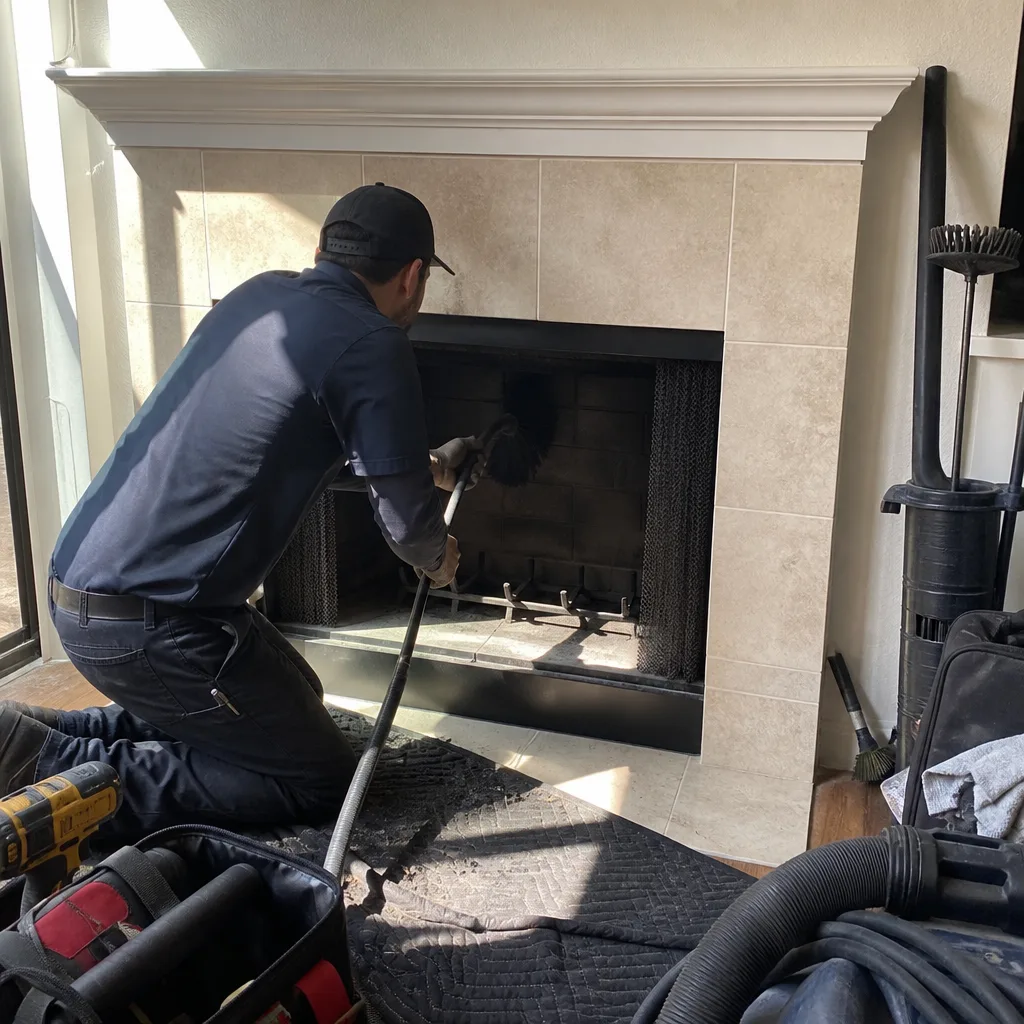
Chimney sweep logs do not sweep chimneys. They loosen some creosote - which then falls where a brush and vacuum still have to collect it.
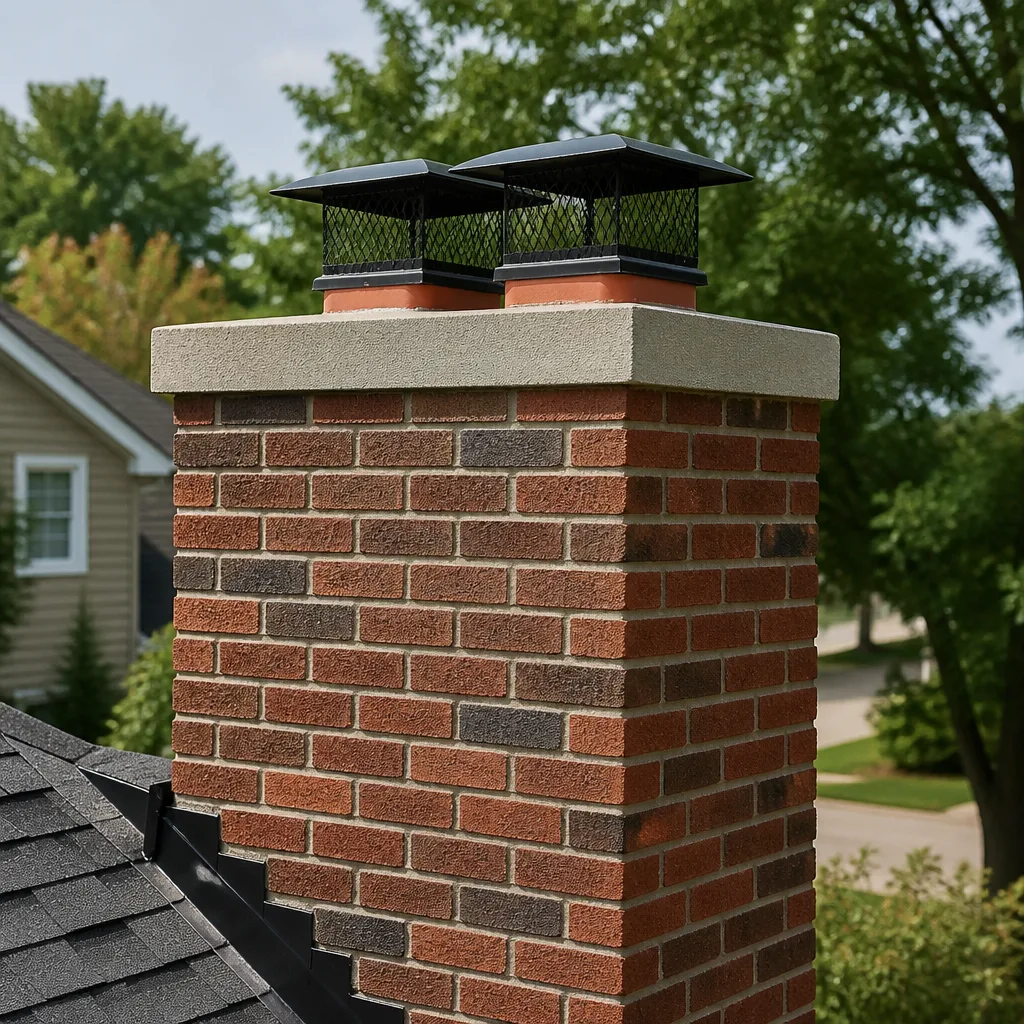
Flue relining
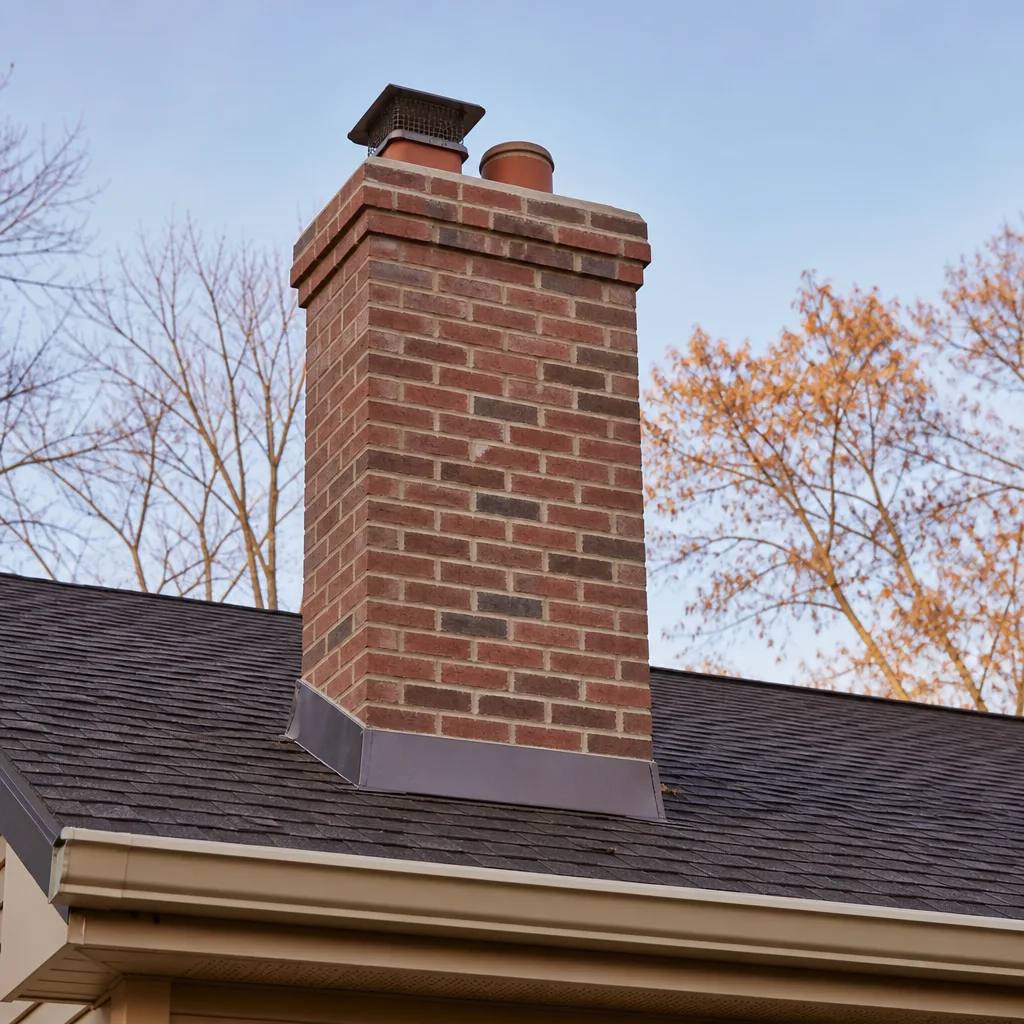
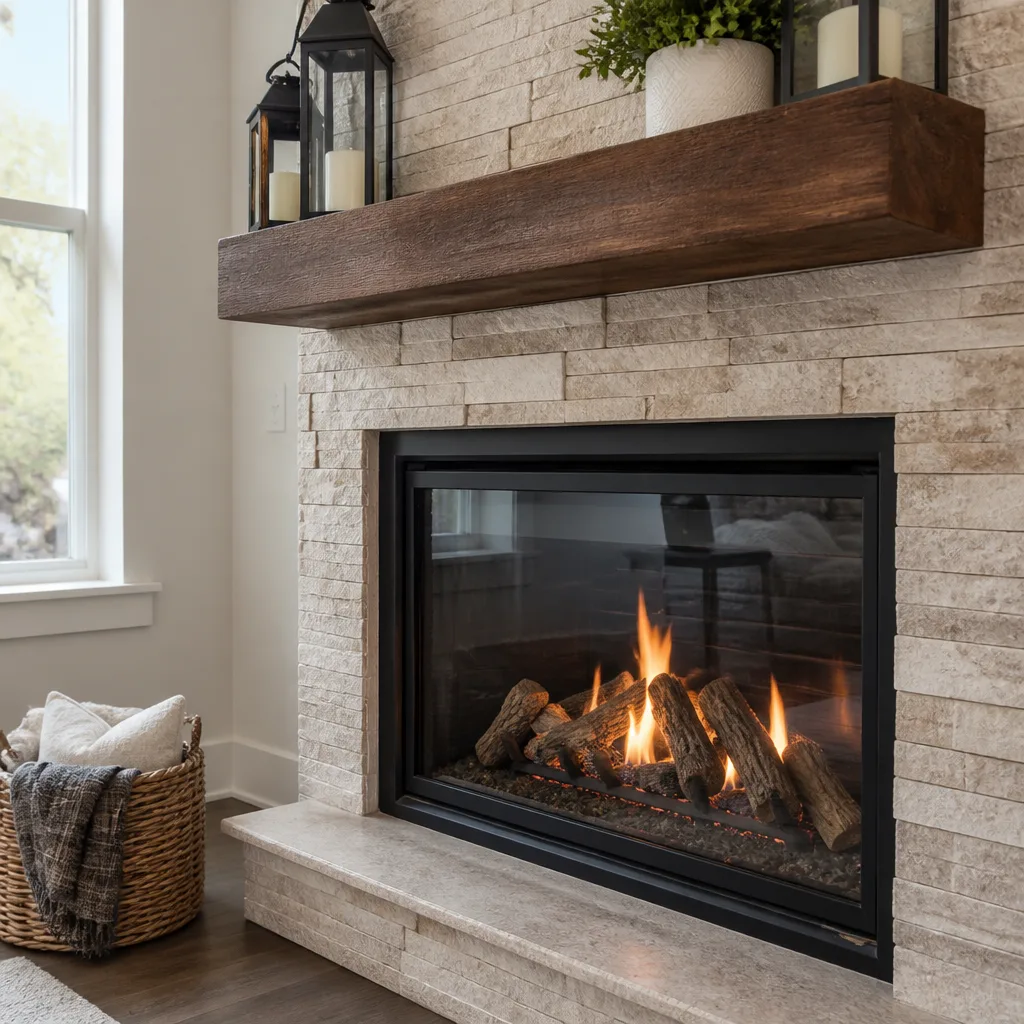
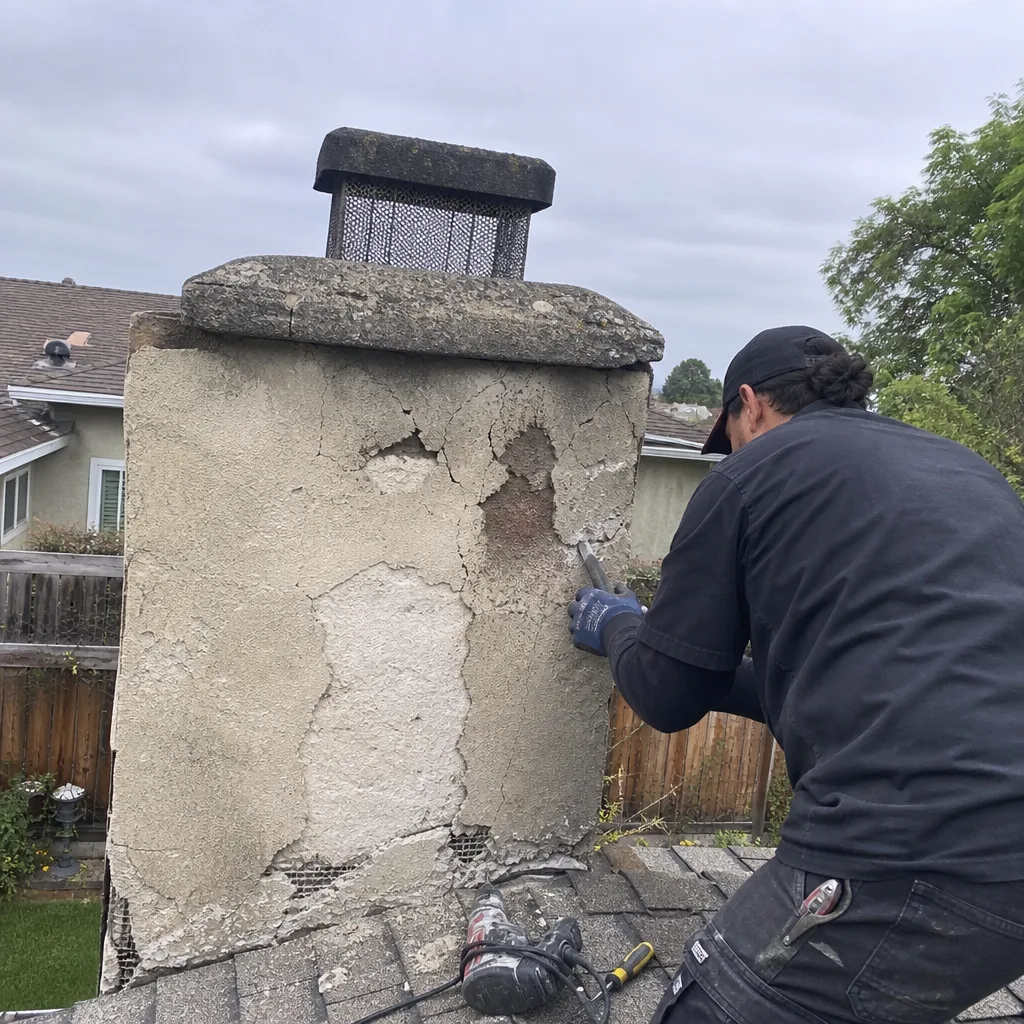 Before
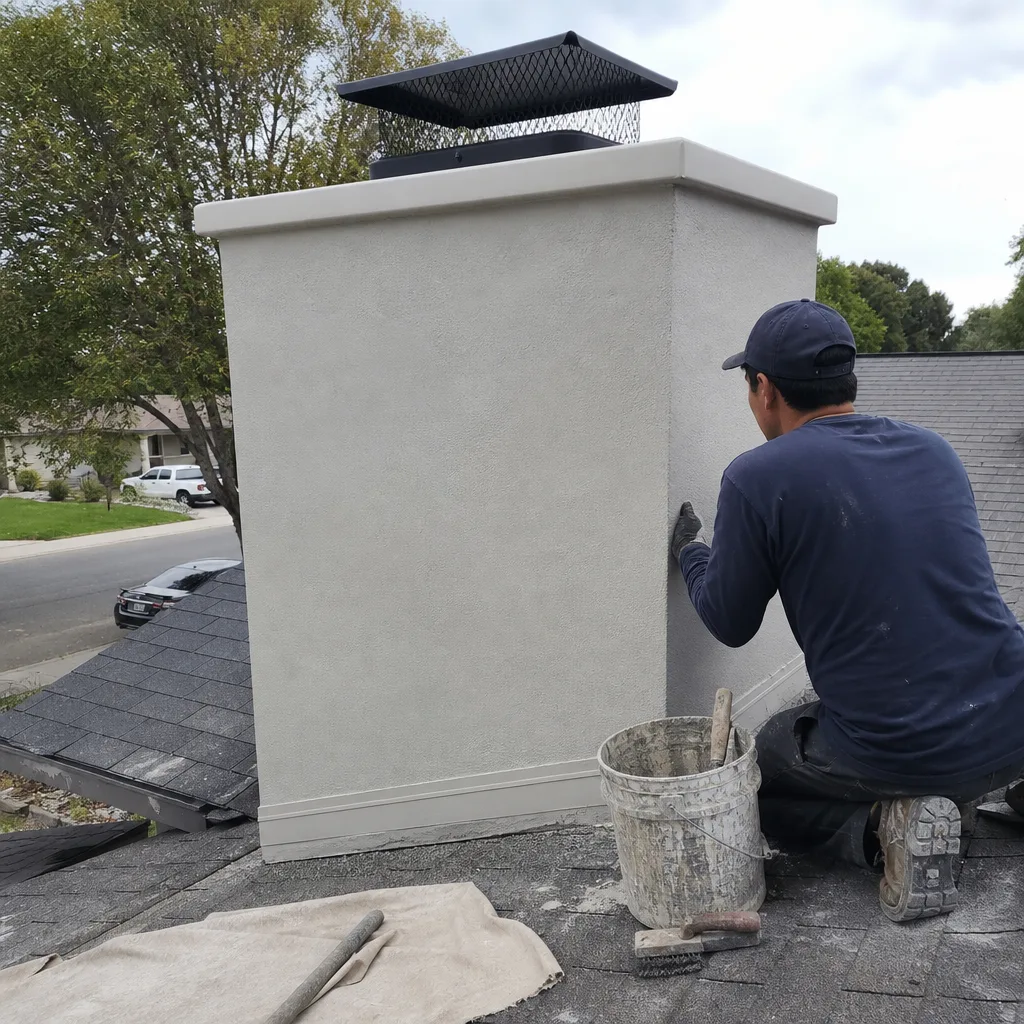 After
After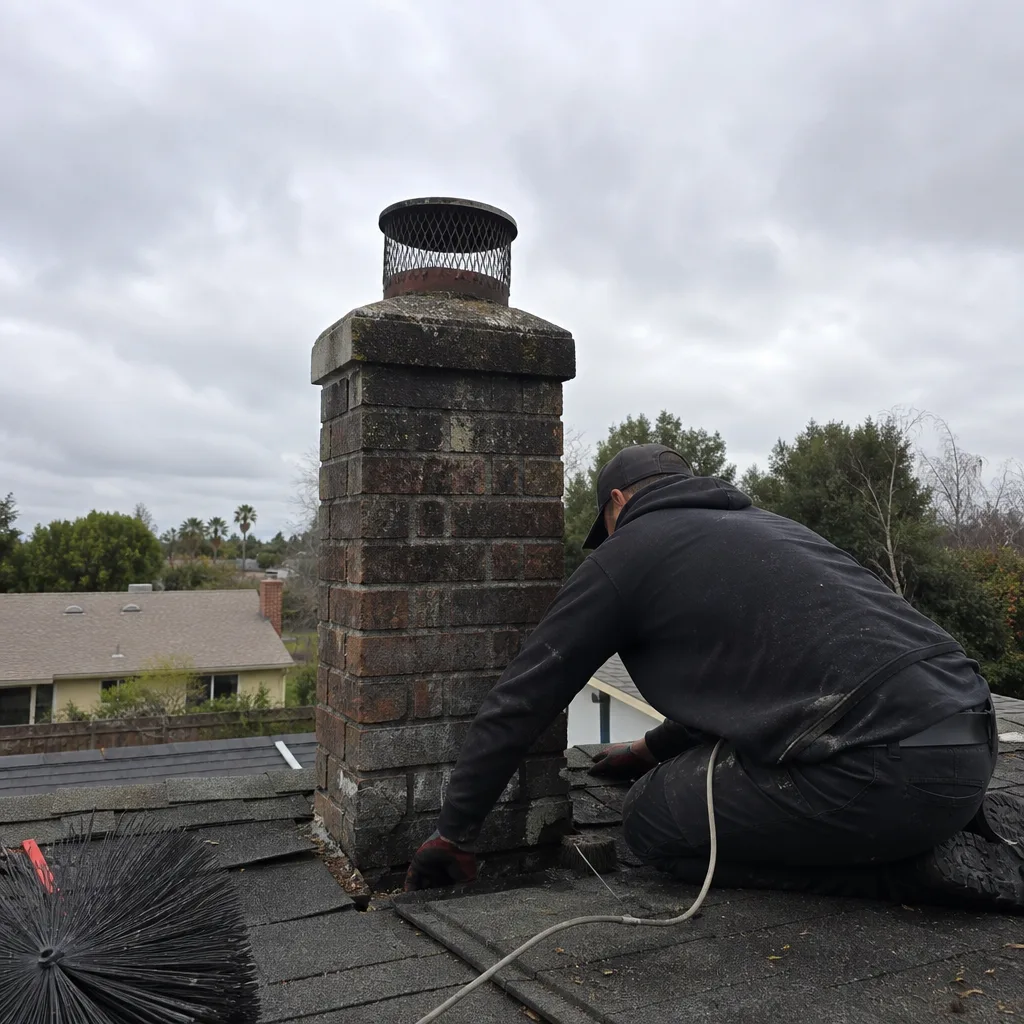 Before
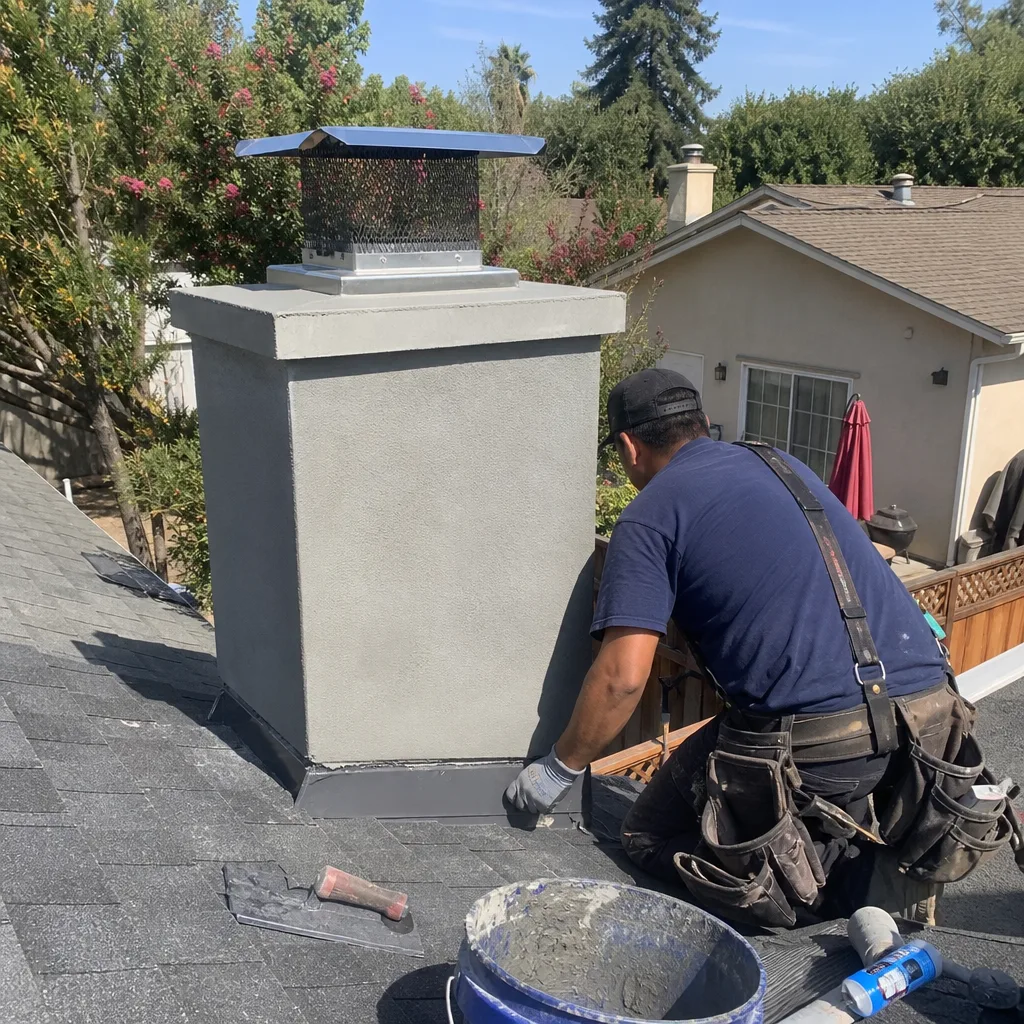 After
After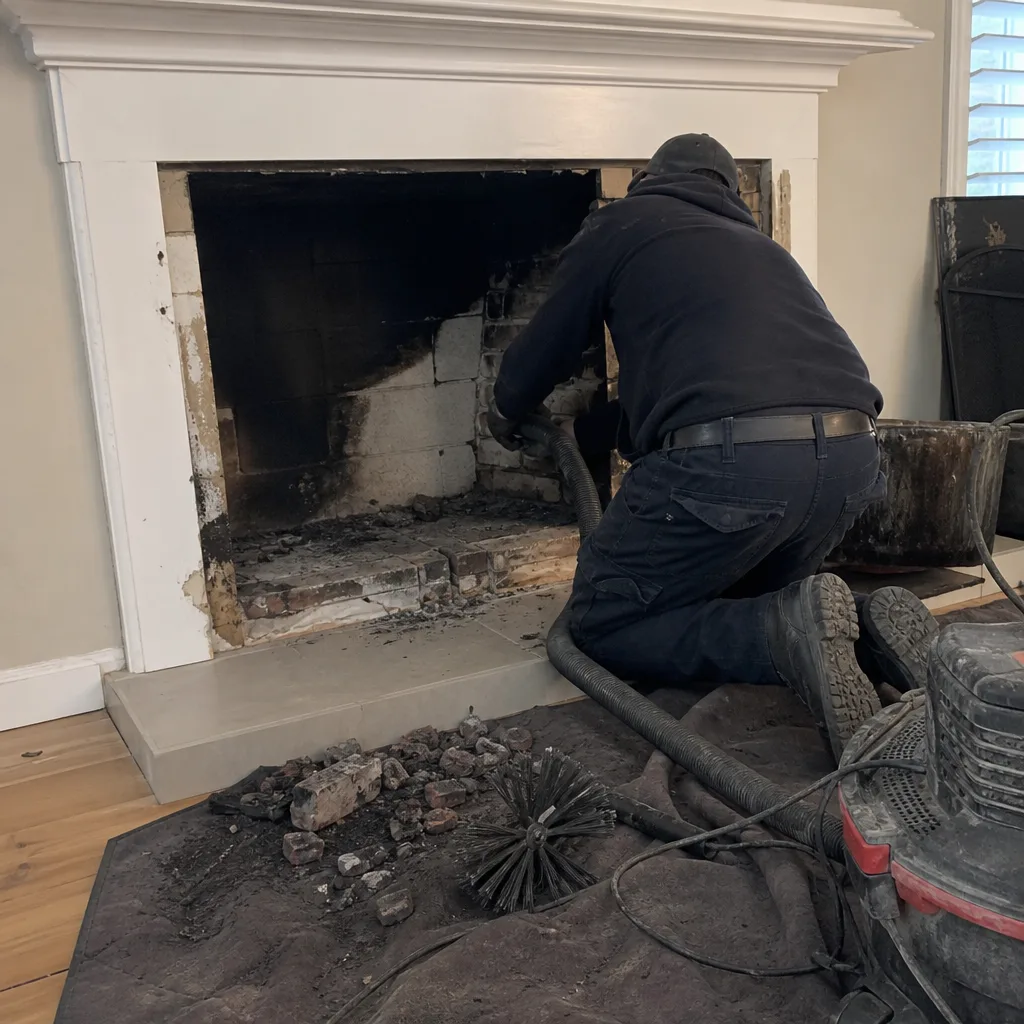 Before
 After
AfterHeatShield Flue Liner Replacement: The San Jose Owner’s Guide
HeatShield flue liner replacement in San Jose typically runs $2,800-$4,200 installed for a standard single-flue residential chimney, and we stock HeatShield-compatible materials on every truck. Most Willow Glen and Almaden Valley jobs are completed in one day once the camera confirms the scope. The camera tells you what it found. The quote tells you what it costs. Everything else is just conversation.
Most San Jose homeowners discover their HeatShield liner is failing during a routine sweep or after a home inspection flags “deteriorated flue liner” on the report. The tell is usually a combination of flaking ceramic coating, exposed terra cotta, or a heat-damaged stainless wrap that the previous owner never addressed.
Which HeatShield Models This Applies To
HeatShield manufactures two distinct product lines that San Jose homeowners encounter: the Cerfractory Foam resurfacing system (the orange-tinted spray coating applied directly to terra cotta) and the UL-listed stainless steel relining systems (typically 316Ti or 304 alloy in oval or round configurations). The foam system is not a “liner” in the traditional sense; it’s a resurfacing treatment rated to 3,000°F that bonds to existing clay flue tile. When we say “HeatShield flue liner replacement,” we’re usually talking about the stainless relining system, though we also strip and re-apply failed Cerfractory jobs when the underlying tile is too compromised to save.
To identify your system, check the metal tag stamped on the top termination or the documentation left by the original installer. HeatShield stainless liners manufactured after 2014 carry a model prefix (HS-316 or HS-304) followed by the diameter and oval offset. The critical compatibility gotcha in San Jose’s older housing stock: pre-2012 HeatShield oval liners used a proprietary collar geometry that does not mate with current DuraFlex or Gelco termination caps without an adapter ring. We stock those adapter rings because we’ve hit the mismatch enough times in 1950s Willow Glen ranchers and 1970s Almaden Valley splits.
On OEM versus aftermarket: HeatShield stainless is sourced through Copperfield and Famco distributors, and we procure through Haven’s buying network specifically to keep customer prices honest. For the Cerfractory foam system, there is no aftermarket equivalent; it’s a proprietary blend. We use factory-specified Cerfractory material mixed on-site to a 4-inch wet thickness, measured with a depth gauge before it sets.
Signs Your HeatShield Flue Liner Replacement Is Failing
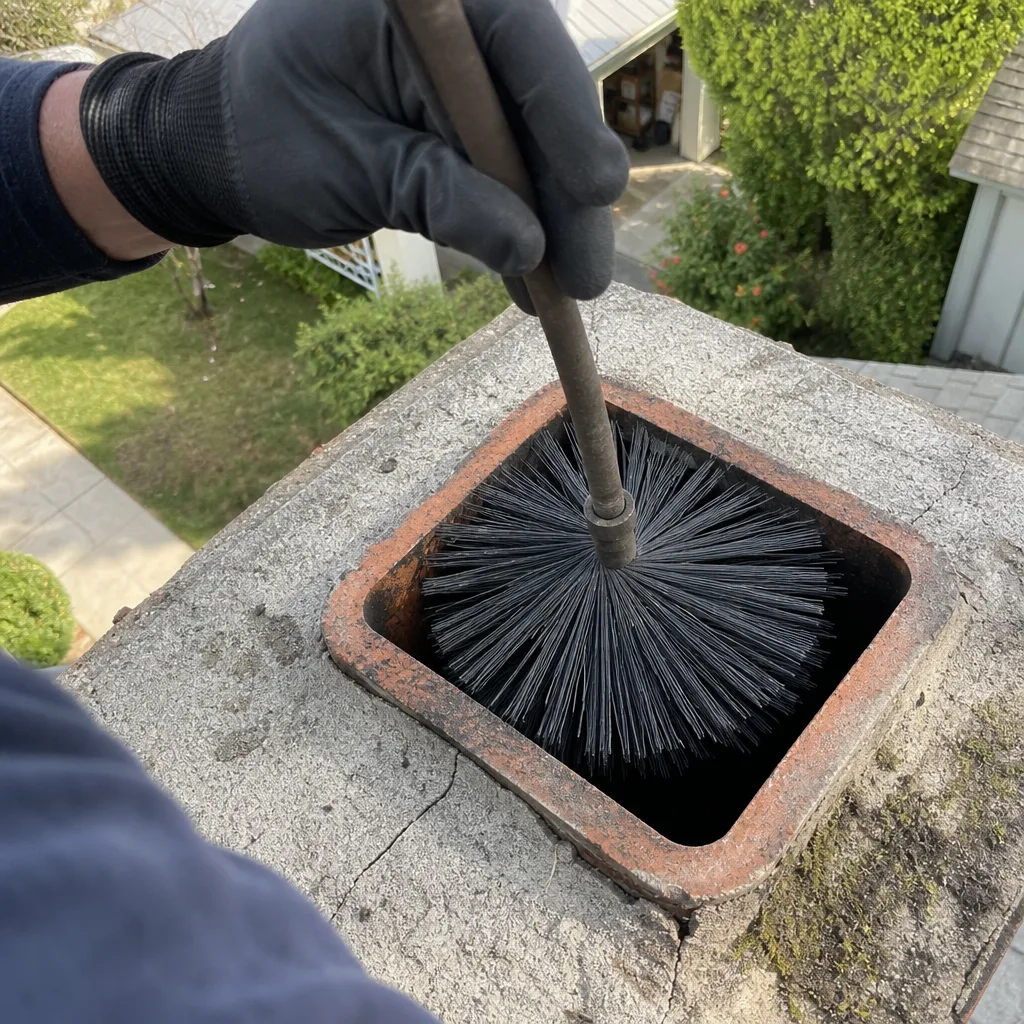
- White or gray powdering on the liner wall indicates the 316Ti stainless is undergoing chloride stress corrosion, accelerated by San Jose’s marine-influenced air mass that carries salt residue inland from the Bay. The metal is literally dissolving into oxide dust. This is not surface staining; it’s structural loss that will progress to through-wall failure.
- Delamination or bubbling of Cerfractory foam happens when the original application skipped the required scratch coat or was applied below 40°F. In San Jose, December-through-February installs from cut-rate operators are the usual culprit. The foam separates from tile in sheets, exposing raw clay that can no longer contain combustion gases.
- Smoke spillage at the firebox or hearth extension means the liner is no longer drafting properly, often because a separated liner section has created a reverse flow path. Carbon monoxide risk is real here; if you’re smelling smoke in the room, stop using the fireplace and call for a camera inspection.
- Chunks of ceramic or rust flakes in the firebox are physical evidence that the liner barrier has failed. For stainless systems, rust indicates a breach in the alloy; for foam systems, ceramic chunks mean the underlying tile is spalling. Either way, the chimney is no longer a contained exhaust path.
- Water staining on the chimney breast or adjacent wall framing suggests liner joint failure combined with missing or damaged crown wash. San Jose’s winter rain pattern - concentrated January through March, often driven sideways by valley winds - exploits any gap between liner sections and saturates the surrounding masonry.
 Before
 After
AfterReplacement Cost & What’s Included
| Scope | Typical Range (San Jose) |
|---|---|
| Single-flue stainless liner replacement, standard height (one-story) | $2,800-$3,400 |
| Two-story or steep-pitch roof access | $3,200-$4,000 |
| Cerfractory foam strip and re-apply (tile salvageable) | $1,800-$2,600 |
| Full terra cotta removal + stainless liner + new insulation pack | $3,800-$4,800 |
| HeatShield-to-DuraFlex adapter termination (legacy collar) | $180-$240 |
What drives the range: roof pitch and access (scaffold versus ladder set), whether the existing liner can be extracted or must be demolished in place, and whether the smoke chamber needs parging to meet current NFPA 211 clearances. Every quote we deliver in San Jose includes the written scope, written warranty, and documented photo record under Haven Standard Clause 4. The 365-Day Done Right Promise applies to all liner work; if it leaks, drafts wrong, or fails inspection, we make it right. Materials are sourced through our Haven buying network from HeatShield, DuraFlex, Gelco, Olympia Chimney, Famco, and Copperfield.
DIY or Call Us?
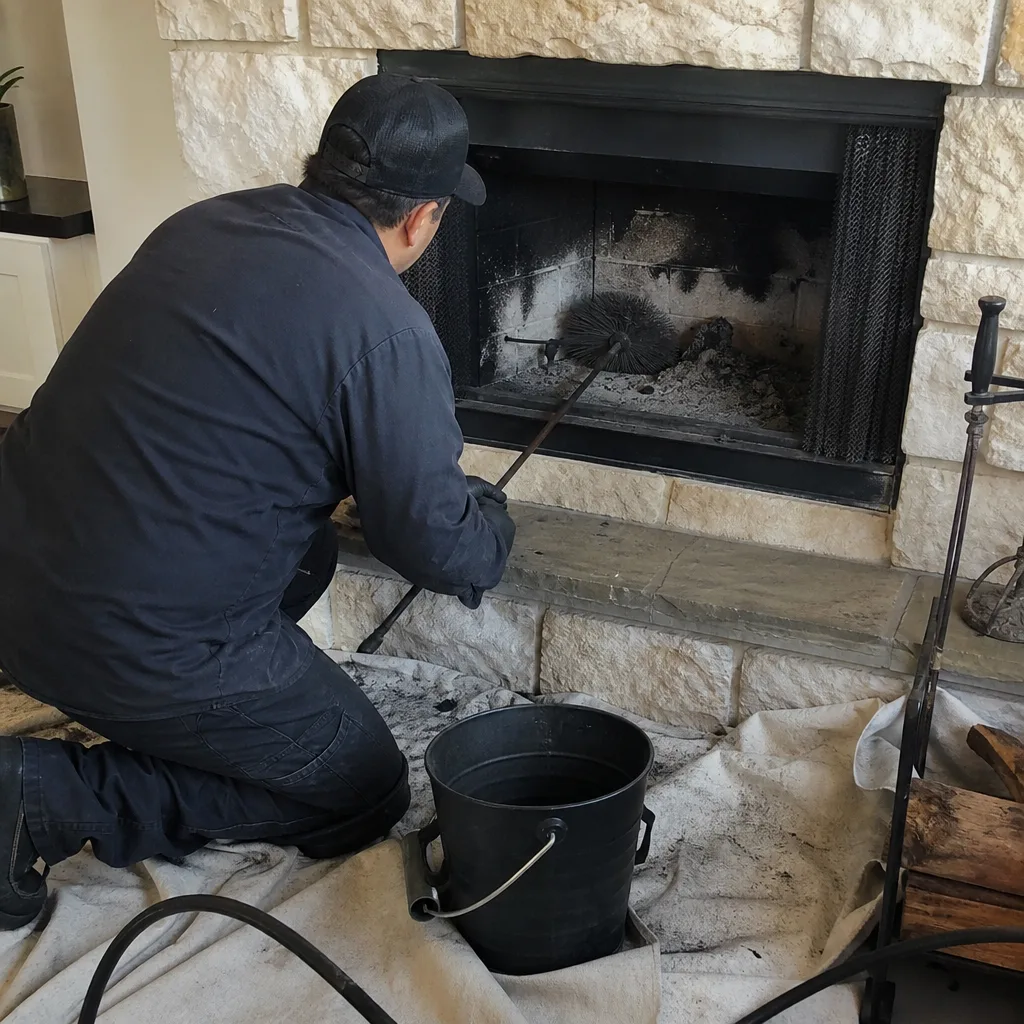
There’s a short list of what a San Jose homeowner can safely check without tools: verify the damper opens fully, confirm no debris blocks the firebox, and look up the flue with a flashlight for obvious gaps or fallen material. That’s it.
Everything else requires professional execution. Flue liner replacement involves working at height on a pitched roof, handling rigid or semi-rigid stainless sections that can slice ungloved hands, and sealing combustion joints with materials that off-gas dangerously if misapplied. More critically, an improperly sized or unsupported liner creates a carbon monoxide pathway into living space. NFPA 211 requires a Level 2 inspection with camera documentation before and after any liner work; in San Jose, this is also what your homeowner’s insurer will ask for if there’s ever a claim. We do not recommend DIY liner replacement under any circumstance. Call (669) 291-2770 and we’ll run the camera, show you what we found, and deliver a written price before any work starts.
FAQs
A properly installed HeatShield stainless liner should last 15-25 years, but San Jose’s specific conditions shorten that range. The combination of Bay-influenced salt air, thermal cycling from gas-insert shutdowns, and occasional seismic stress means we typically see meaningful degradation at 12-18 years in homes west of I-880. Cerfractory foam, when applied correctly, is rated for the life of the structure; in practice, we see 10-14 years before reapplication is needed due to mechanical wear from sweeping. Call (669) 291-2770 for a camera assessment of your specific system.
Sometimes. Isolated joint gaps in stainless systems can be spot-welded and re-insulated if the surrounding metal passes a thickness gauge test. Cerfractory foam can be patched if the delamination covers less than 20% of the surface and the underlying tile is intact. We do not quote repairs without camera evidence; Clause 4 of the Haven Standard requires a photo record on every job, and that documentation is what tells us whether repair or full replacement is the honest recommendation. Call (669) 291-2770 for a free second opinion on any written estimate.
Most single-flue HeatShield liner replacements in San Jose are completed in one working day, assuming standard roof access and no terra cotta demolition. Two-story homes or jobs requiring full tile removal typically run into a second day. We do not schedule work until the written price and scope are agreed; no surprises, no open-ended labor clocks. Call (669) 291-2770 to book a camera inspection and get your written quote.
We stock HeatShield-compatible stainless liner sections, insulation wraps, termination hardware, and legacy adapter collars on every San Jose service vehicle. Cerfractory foam is mixed on-site from factory-specified compound; we do not carry pre-mixed material because shelf life is 72 hours once catalyzed. For odd diameters or custom oval offsets, our Famco and Copperfield supply chain typically delivers next-day to our San Jose depot. Call (669) 291-2770 to confirm availability for your specific model.
Level Two Chimney San Jose is an independent service provider; we are not affiliated with HeatShield Corporation. We install and service HeatShield, DuraFlex, and Gelco systems under our own licensing and warranty.
Ready to see what your flue actually looks like? Call (669) 291-2770. A live person answers 24 hours a day. We’ll run the camera, deliver your written price before any work starts, and back every liner replacement with our 365-Day Done Right Promise.
Written by Corrine Halstead, Owner, Level Two Chimney San Jose at Level Two Chimney San Jose, serving San Jose and nearby areas.